
Heritage kayaking: where to row among castles, town walls and monasteries in Spain
Discover the best places in Spain to practice kayaking on navigable gorges and reservoirs while taking in Spain’s cultural legacy of castles and historic villages seen from the water.
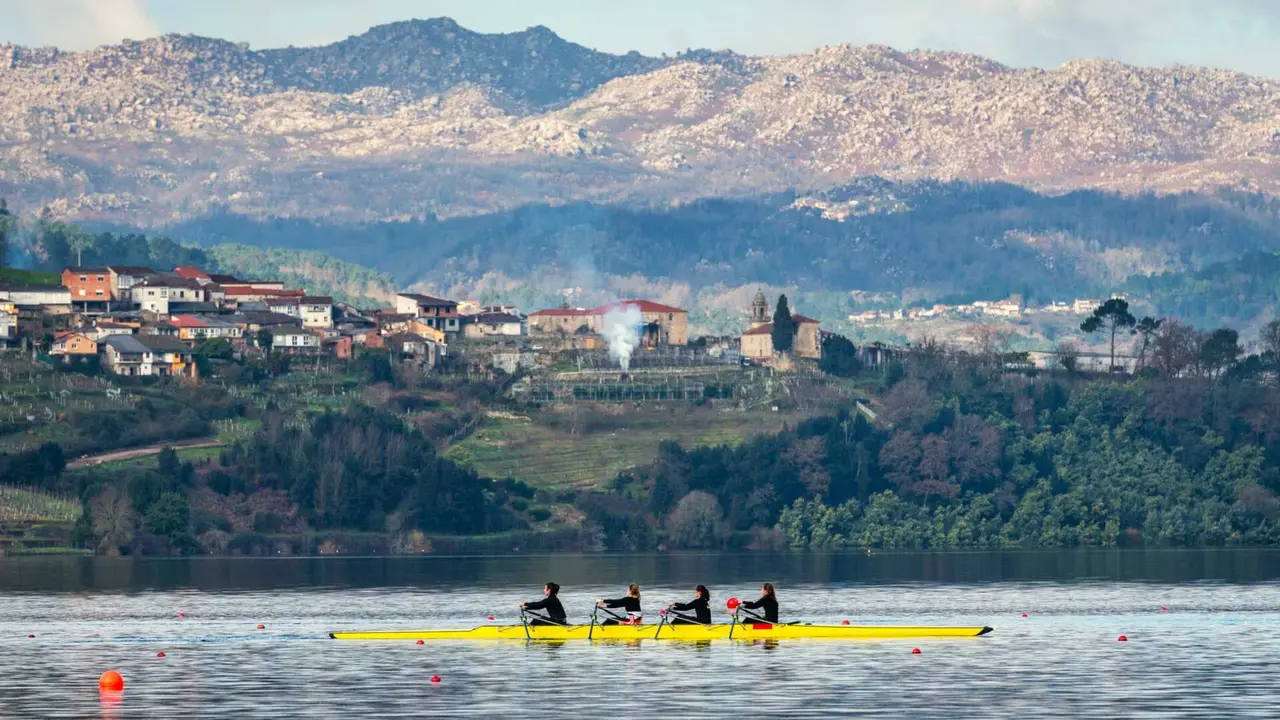
Discover the best places in Spain to practice kayaking on navigable gorges and reservoirs while taking in Spain’s cultural legacy of castles and historic villages seen from the water.
Heritage kayaking turns rivers, reservoirs and navigable gorges into a unique way of soaking up Spain’s history. In addition to the aquatic sport itself, it offers an opportunity to row next to medieval castles, walled towns and hermitages carved into cliffs.

Spring and autumn are usually the best times of the year to enjoy these routes, when the landscape offers its most spectacular colours. From the reservoirs of Castilla-La Mancha to the grand tributaries of the rivers Douro and Ebro, there are a number of settings where nature and cultural legacy can be discovered at the pace of oar strokes.
WHERE TO PRACTICE CULTURAL KAYAKING IN SPAIN
WHICH RESERVOIRS CAN ONE KAYAK NEXT TO HISTORIC CASTLES?
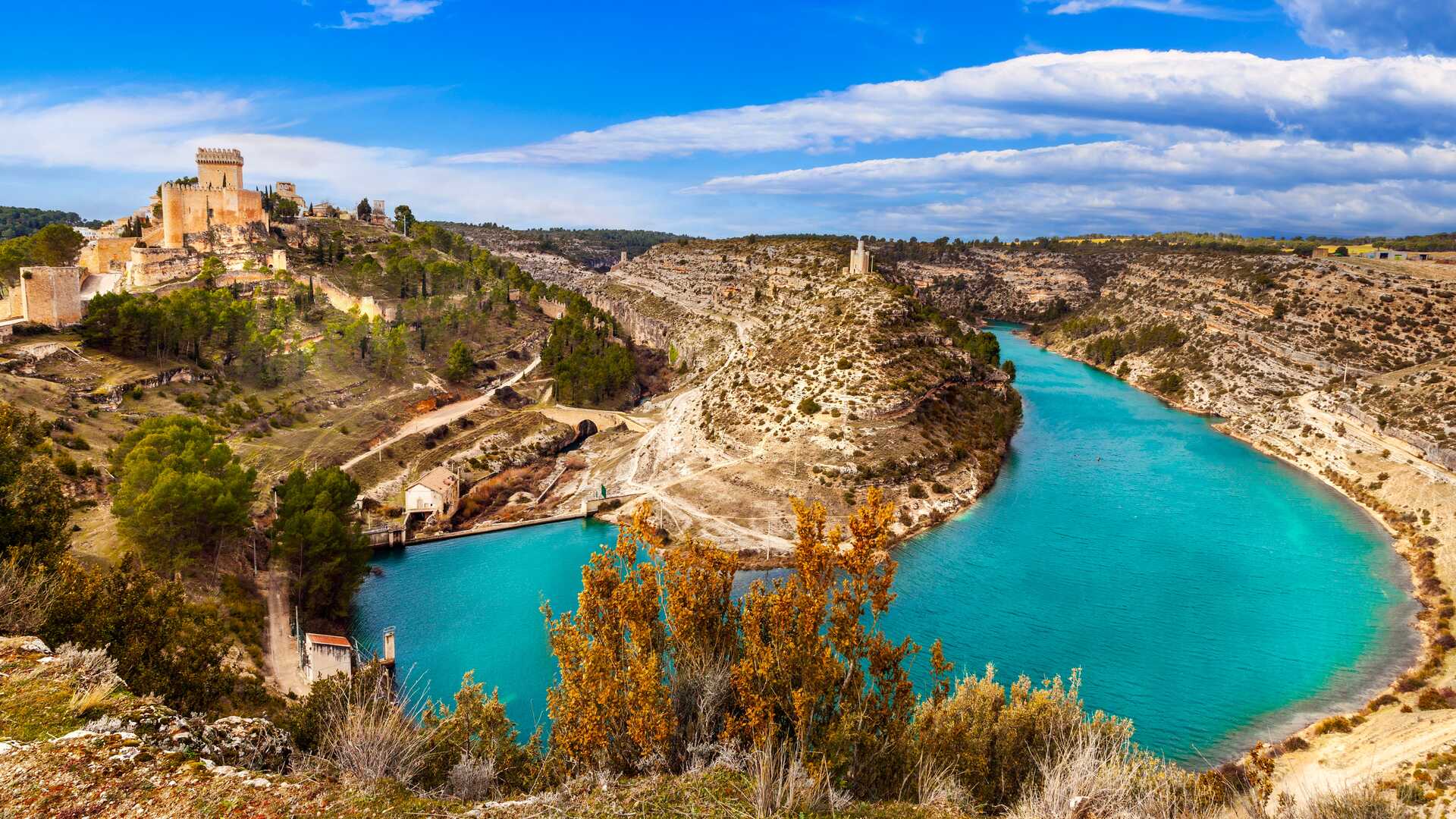
Some Spanish reservoirs have transformed ancient defensive enclaves into settings where the rock emerges directly from the water. One of the best examples is Alarcón in Cuenca Province, where kayak routes through the gorges of the Júcar River and its surrounding pine forests allow one to contemplate the castle’s silhouette and its medieval village.
Additionally, the San Juan Reservoir in the Comunidad of Madrid offers the possibility of combining navigation and culture. From its waters at San Martín de Valdeiglesias, one can behold the fifteenth-century Coracera Castle, a fortress with deep roots in Castilian nobility.
WHICH HISTORIC RIVERS OFFER KAYAKING ROUTES?
The main rivers of the Iberian Peninsula were means of communication, trade and settlement for centuries and today, can be traversed as a means to discover Spain’s cultural landscapes from a new perspective.
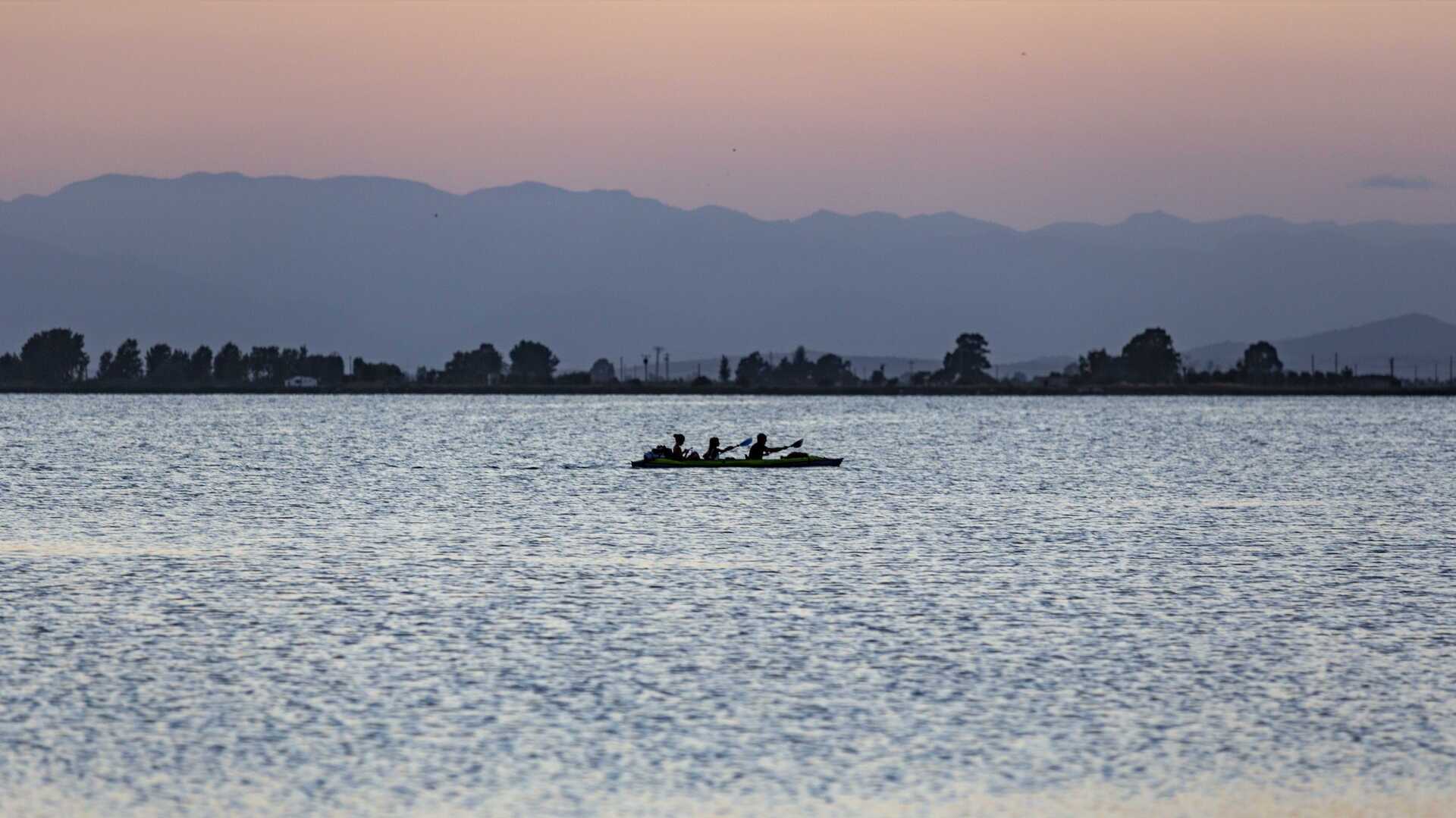
The navigable stretches of the Douro River at Arribes del Duero along the Spanish-Portuguese border especially stand out for the granite rockface and ancient cultivated hillside terraces.
The Ebro River also offers kayaking routes of historical interest, especially sections in the area surrounding Miravet in Tarragona Province, where rowing within sight of its extraordinary Knights Templar castle reveals the strategic importance this fortress once held.
WHICH CANYONS AND MONUMENTAL LANDSCAPES CAN BE DISCOVERED FROM THE WATER?
Among the most spectacular settings for cultural kayaking can be found at Duratón River Gorges Natural Park in Segovia Province. Navigating through this canyon of limestone walls permits one to approach the emblematic Saint Fructus Hermitage, situated on a rocky outcrop dominating the river’s course.
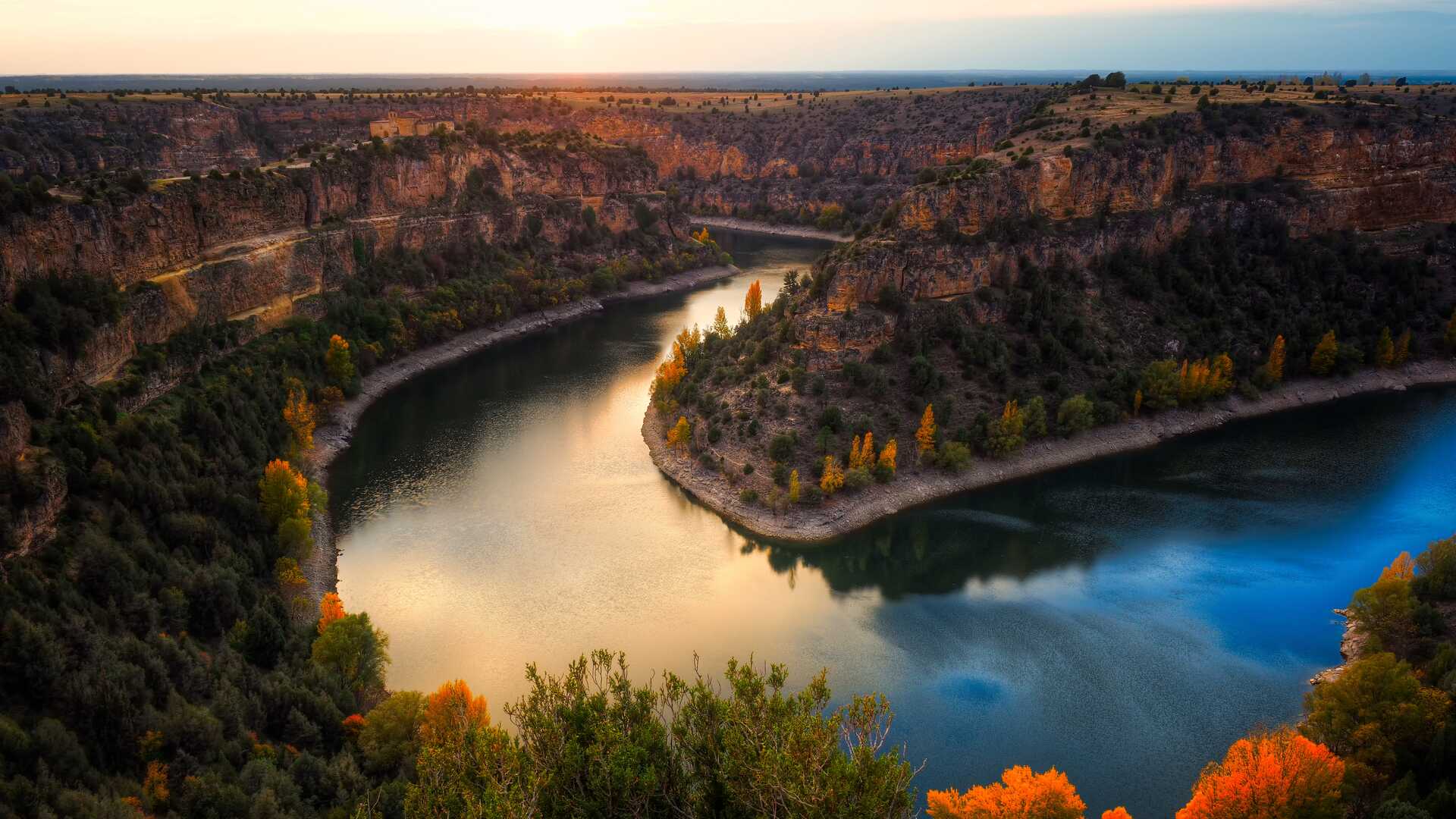
Rowing through this landscape is an invitation to appreciate not only the area’s geology, but also the people that have populated it. The cultural and religious heritage passed down for centuries has bequeathed one of the most extraordinary combinations of nature and culture heritage on the peninsula.
WHY IS KAYAKING A DIFFERENT WAY TO LEARN ABOUT HERITAGE?
The water offers perspectives unattainable along roads or trekking routes. The slow and silent approach by kayak reveals how castles, monasteries, defensive fortifications and villages were constructed within the parameters of rivers and the natural resources surrounding them.
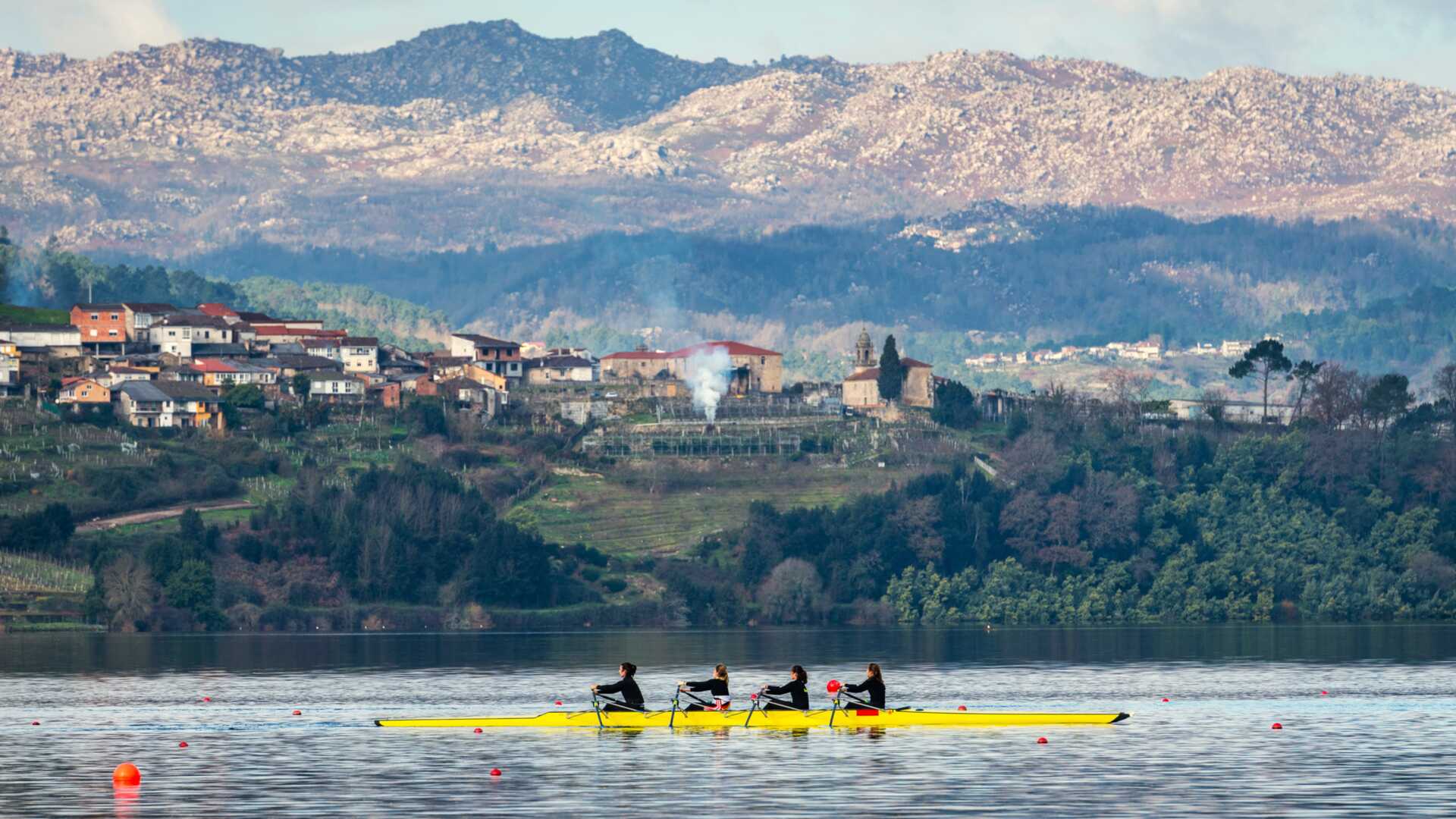
Cultural kayaking demonstrates how culture and history can also be an active experience. Approaching an old town wall, crossing a canyon river or contemplating a timeworn fortress reflected upon the water can transform the excursion into a tangible encounter with nature and a territory’s cultural legacy.
You can also read this article in Spanish!