The ultimate guide to the Community of Madrid: what to see to understand and enjoy the region
The appeal of the Community of Madrid lies in its Gran Vía, Puerta del Sol, and its Royal Palace. The thousands of tourists who visit these emblematic places confirm it. But the beauty of its heritage goes beyond the heart of the capital. Let’s discover the many wonders of the Community of Madrid, like some of its gorgeous villages and charming natural corners.

The wonders of the Community of Madrid to experience at least once in life
Patones de Arriba and its black slate
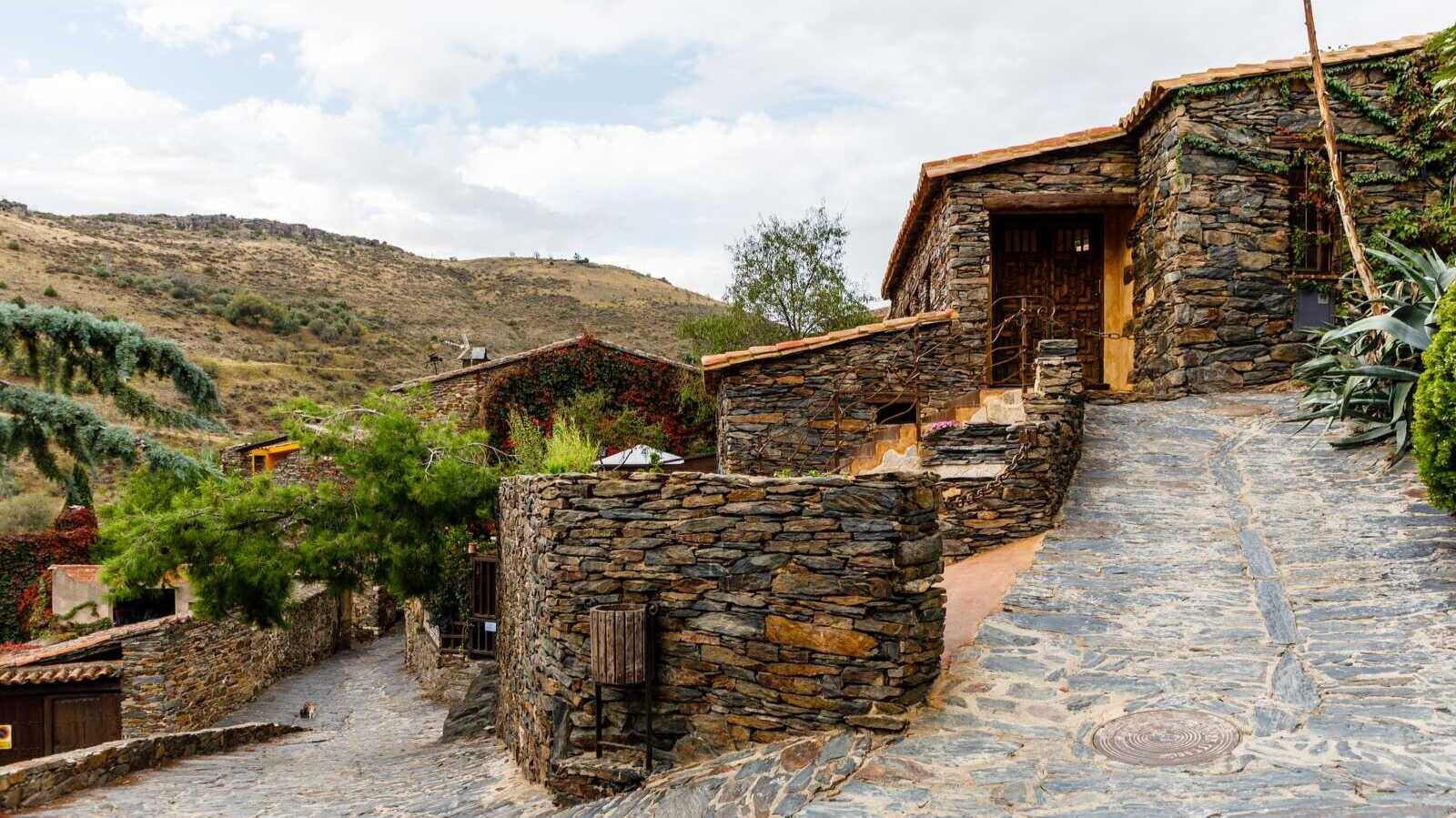
There is no doubt that Patones de Arriba is one of the most beautiful villages in this region. Its narrow streets invite us to get lost in them, and the singular black slate of its roofs is the most emblematic feature of the village. The best way to get here is to walk from Patones de Abajo.
The Monastery of San Lorenzo de El Escorial
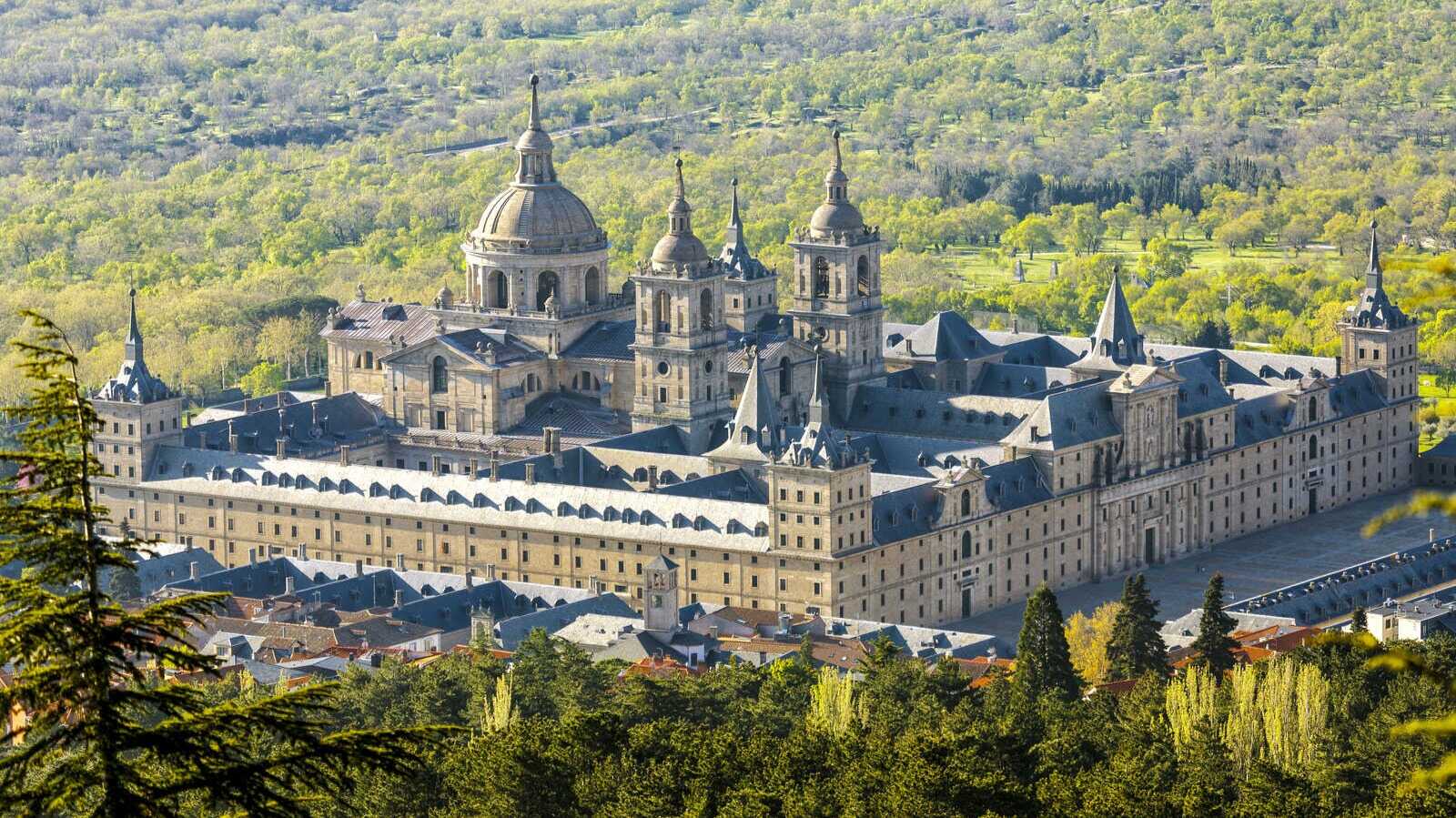
This is one of the must-sees in the Community of Madrid. This is the Royal Monastery of San Lorenzo del Escorial, declared a World Heritage Site by UNESCO. This is not only one of Madrid’s wonders, but Spain’s, since this architectural complex was designed by Philip II’s architect, Juan de Herrera, in the 16th century. The Royal Crypt sits inside the Basilica, and every monarch since Charles I is buried there.
The tiny houses of La Hiruela
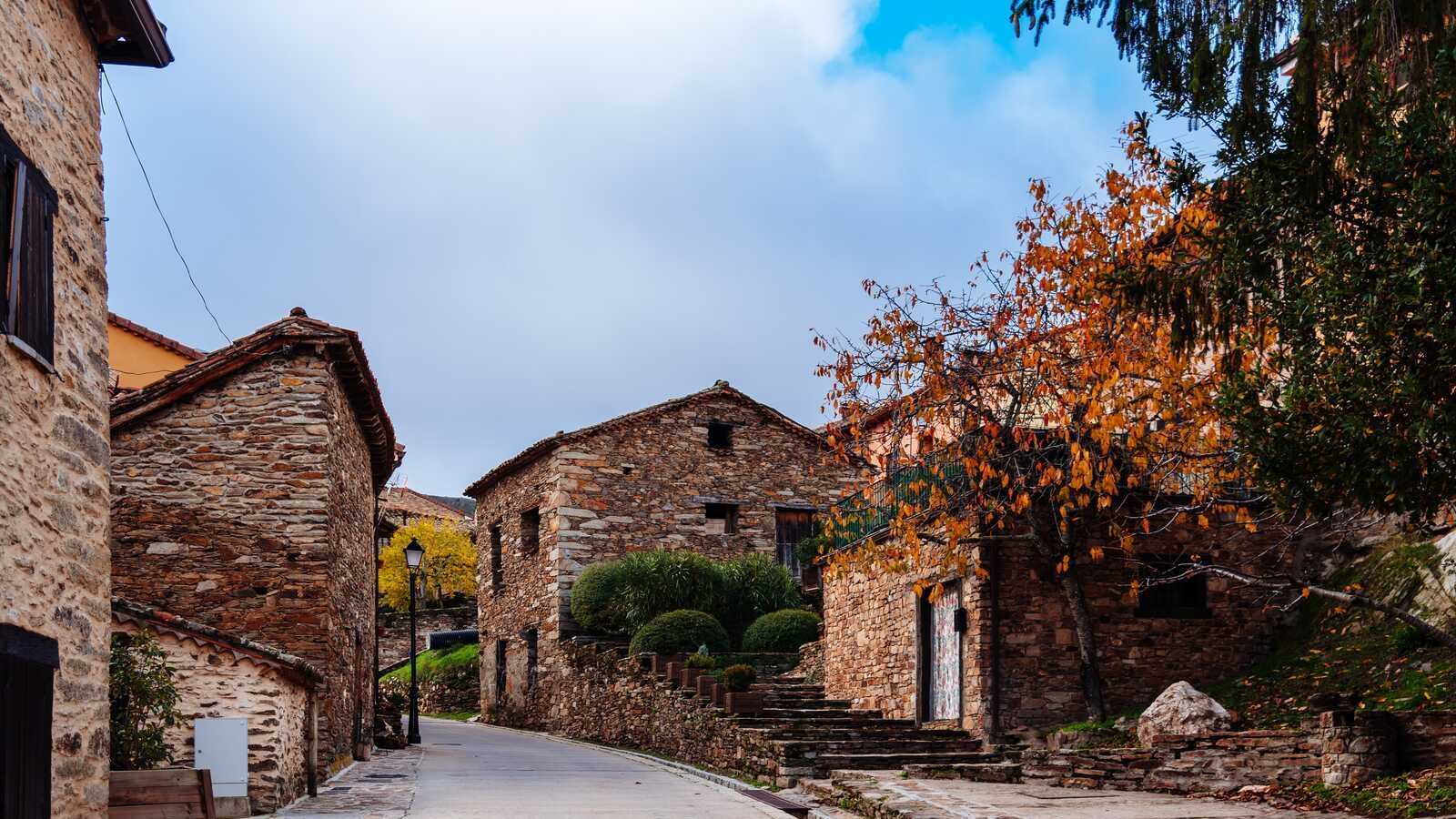
Despite being one of the less populated municipalities in the whole community, this place is still fascinating. La Hiruela, on the Sierra del Rincón, is especially known for its small stone houses, extremely well-preserved old, tiny houses that conform the town’s heart. This village has been a Biosphere Reserve since 2005.
Chinchón’s main square
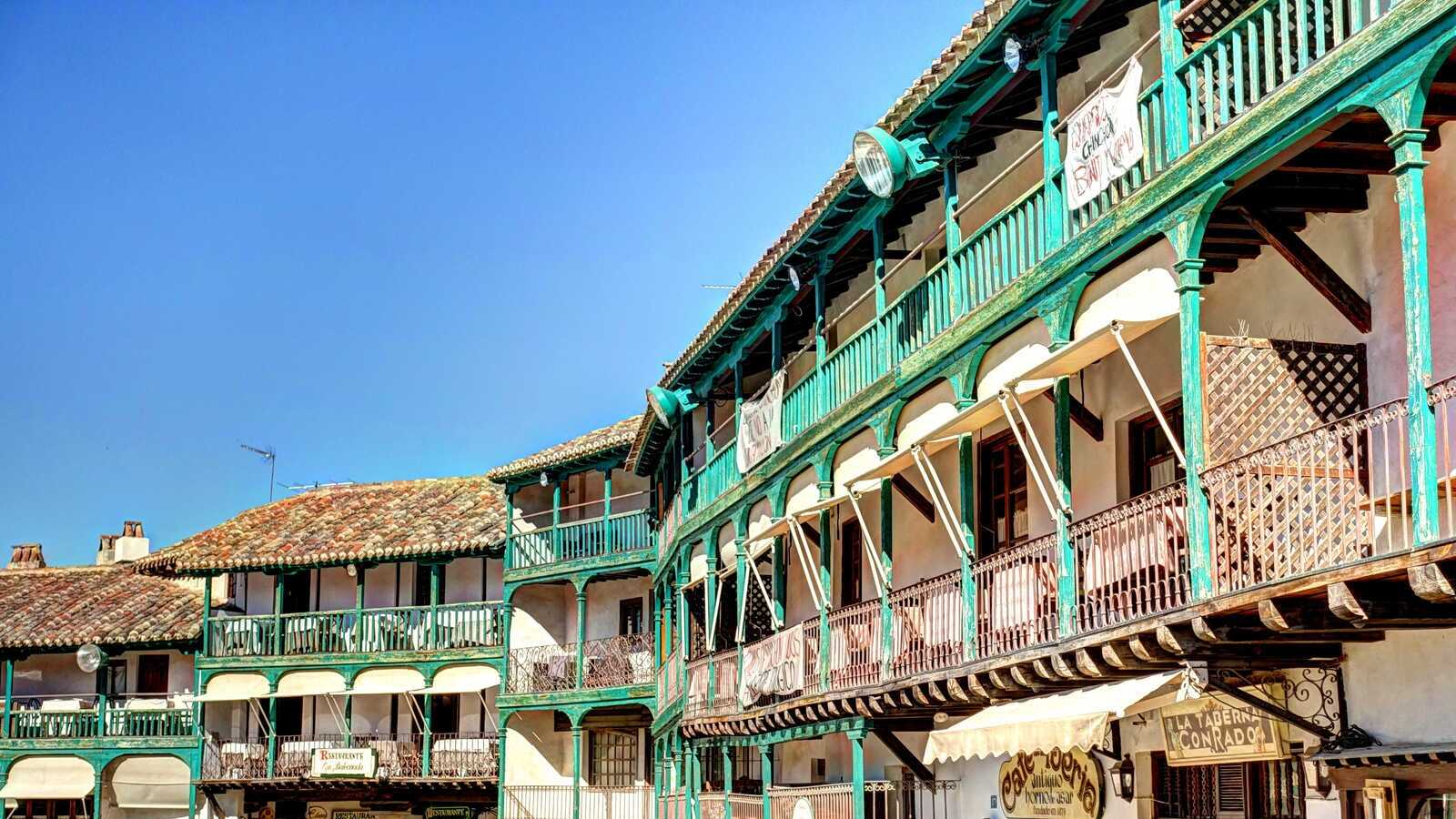
For many people, Chinchón has one of the most beautiful and interesting main squares in Spain. An irregular-shaped square surrounded by houses with green wooden balconies to enjoy the view, something particularly common during the bull corridas, since it is also a bullfighting ring. The clock tower, the church of Nuestra Señora de la Asunción and the convent of San Agustín, now a Parador Nacional, are some other wonders that bring many tourists to Chinchón.
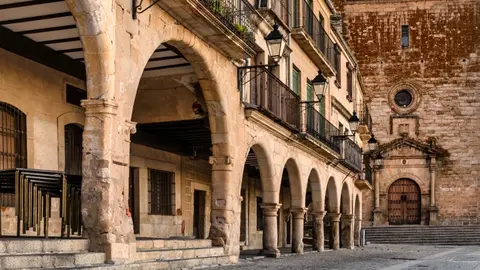
Buitrago del Lozoya and its walls
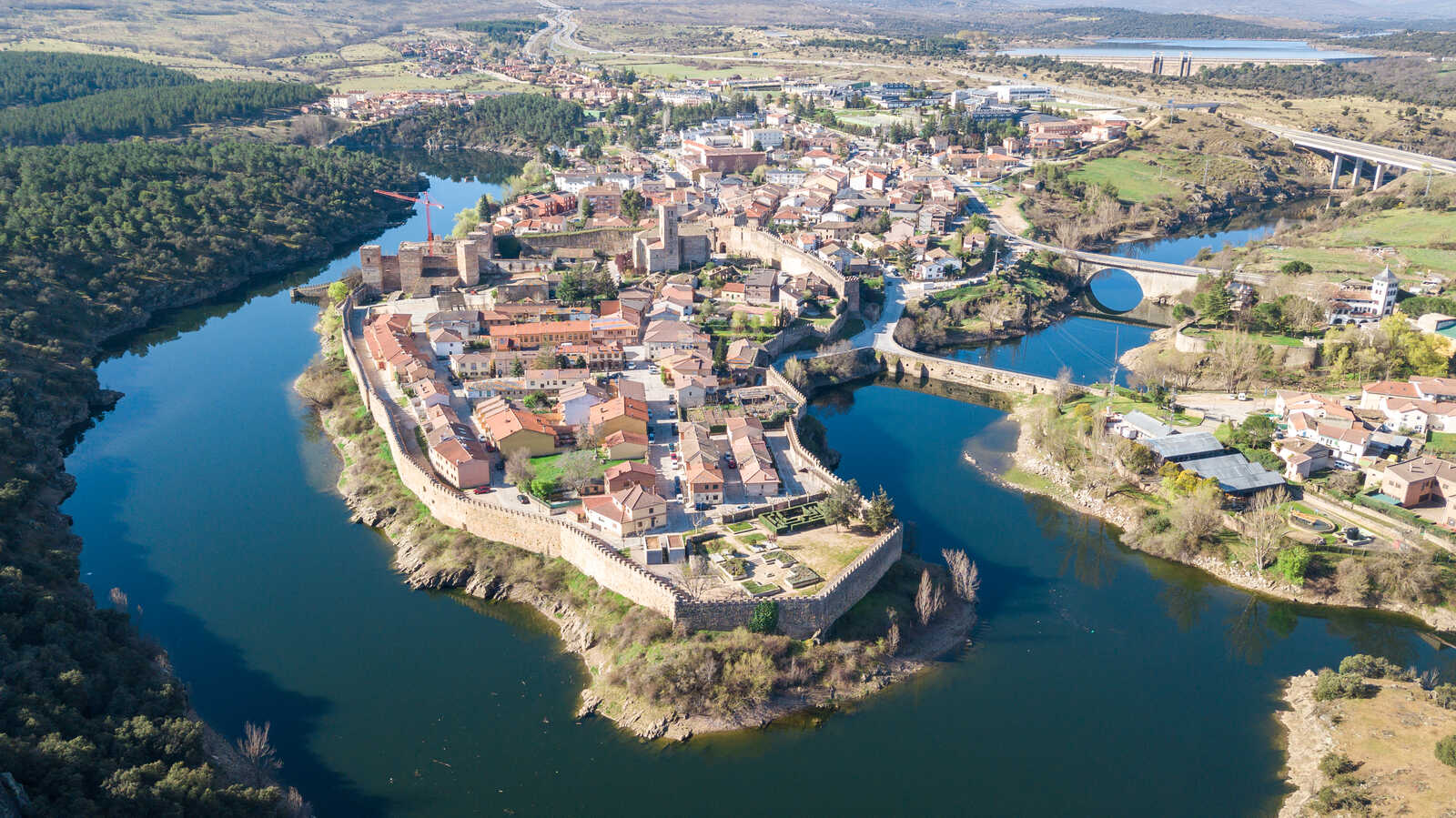
In the heart of the Sierra de Guadarrama, Buitrago del Lozoya stands as one of the most beautiful and picturesque villages in the Community of Madrid. It is surrounded by spectacular walls of Arab origins and, at the same time, by the Lozoya river it gets its name from. The castle, the clock tower and the church of Santa María del Castillo are some of Buitrago’s must-sees.
The Royal Palace of Aranjuez
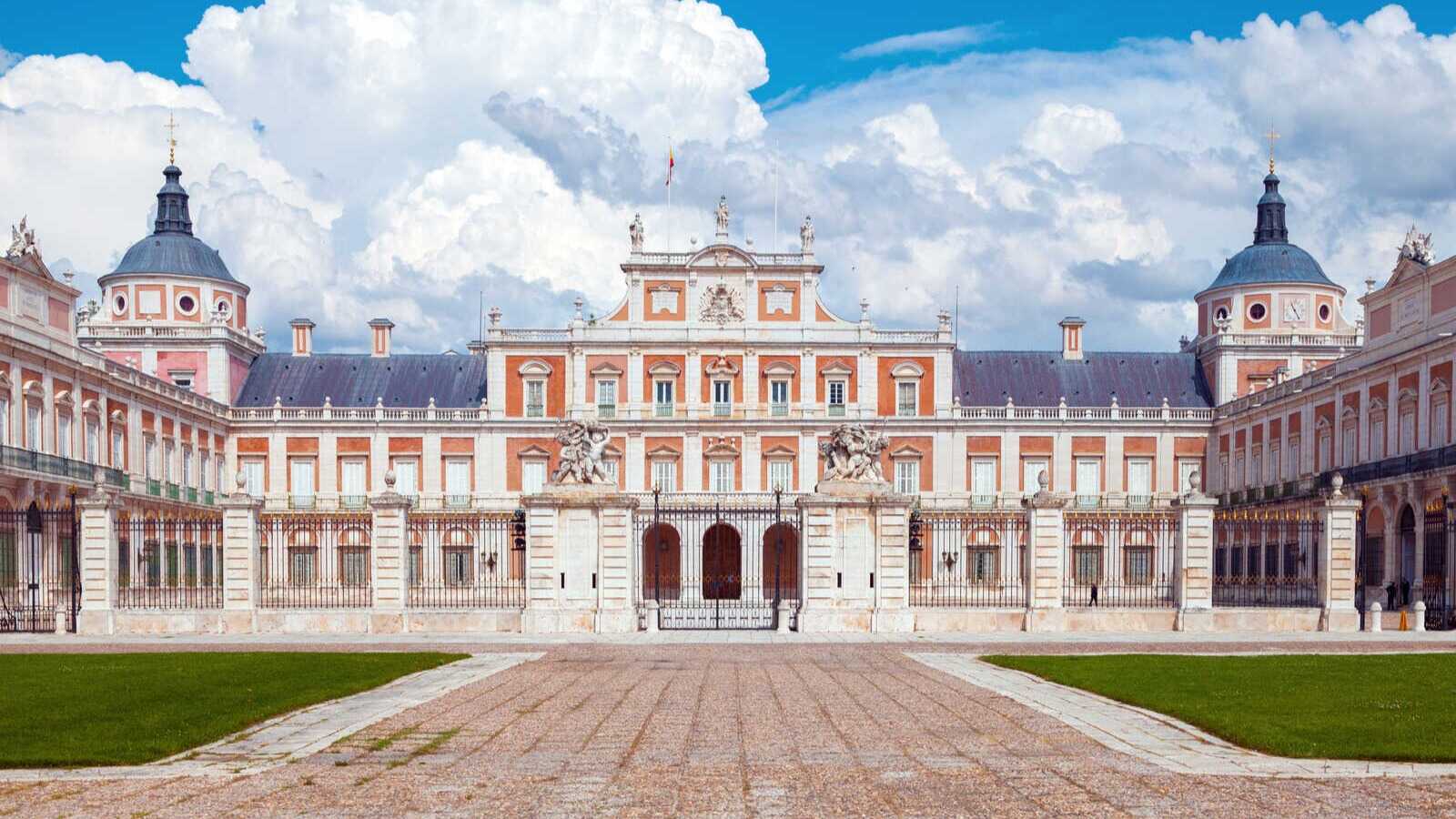
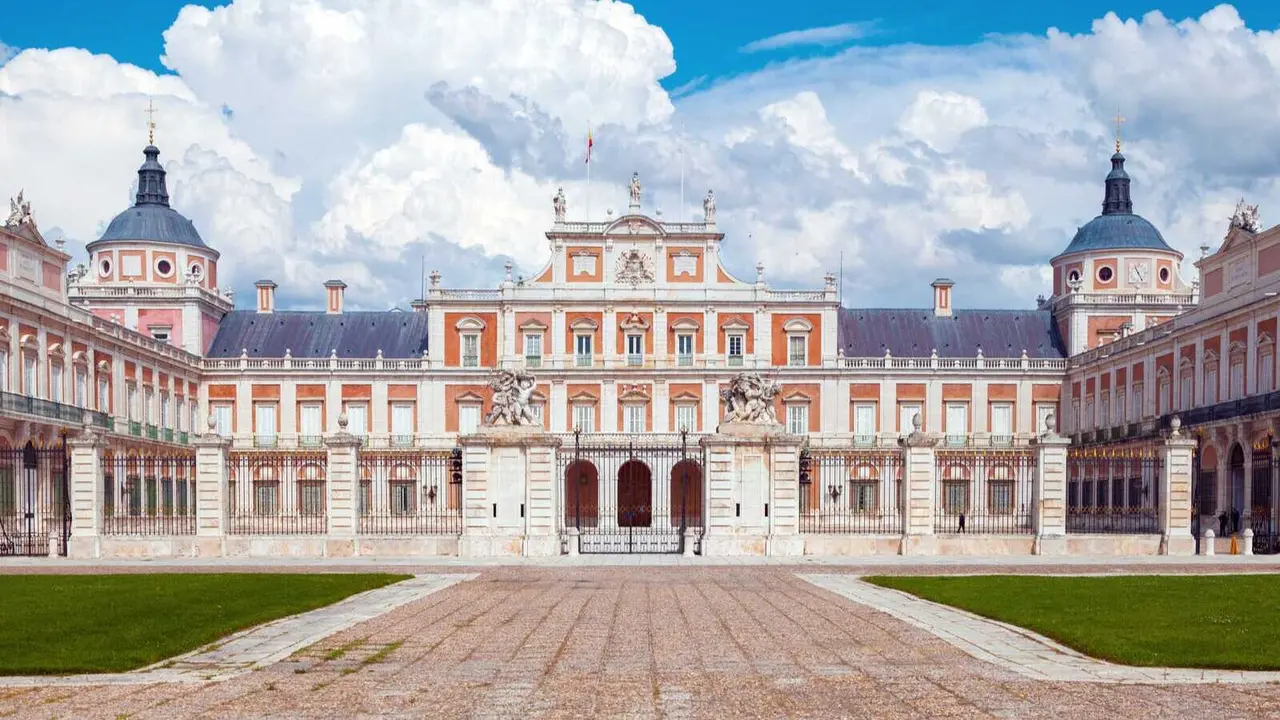
Aranjuez is a mandatory stop on every route of Madrid. This municipality sits on the southern end of the Community of Madrid. Here await the Royal Palace of Aranjuez and its spectacular gardens, an idyllic place that is a UNESCO World Heritage Site that should be visited.
Justo’s Cathedral in Mejorada del Campo
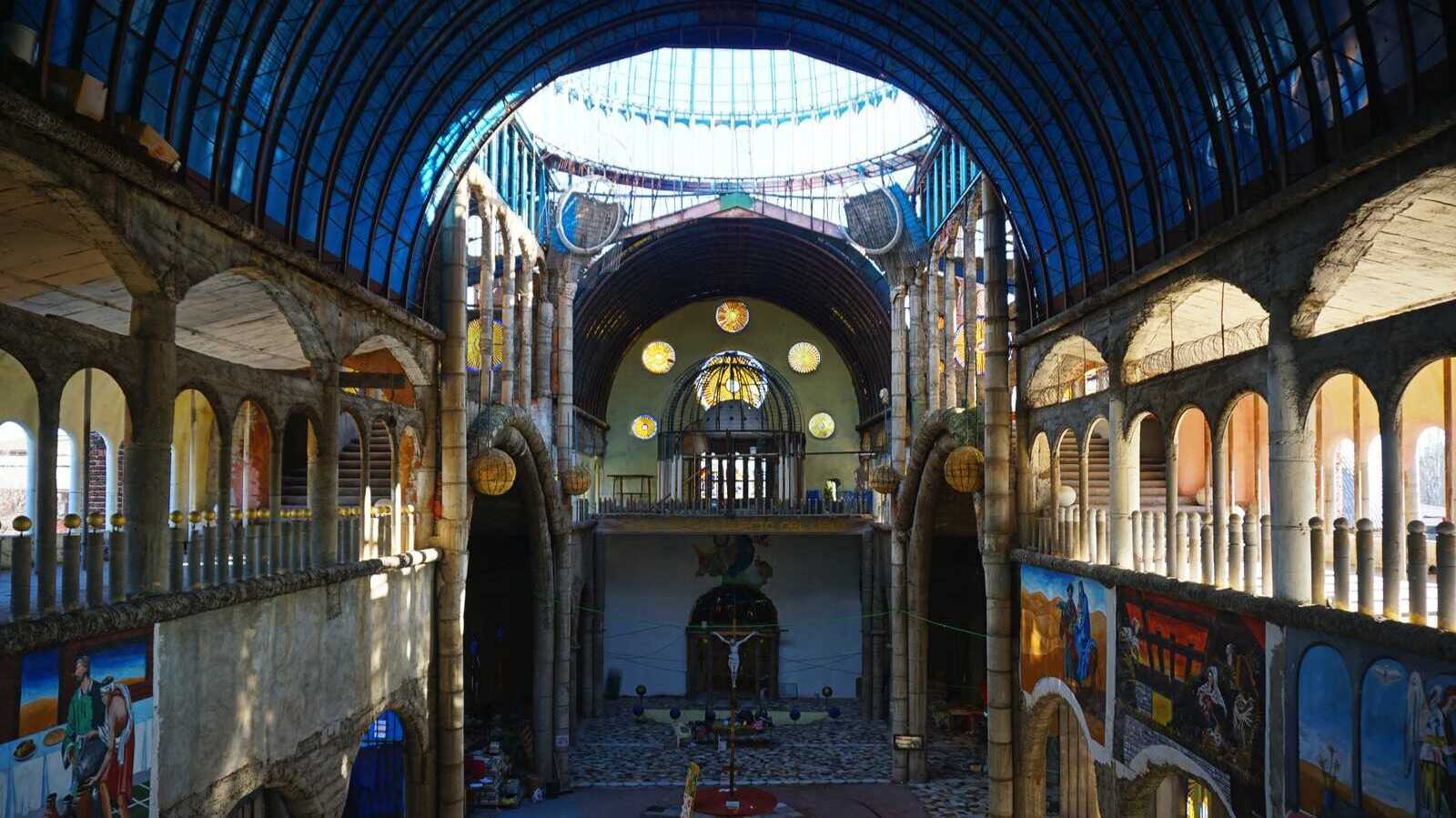
This is one of the most interesting buildings in the region. Justo’s Cathedral was built by a single person, Justo Gallego. He did so until his death, when the building was donated to a foundation that would finish the work. This cathedral, designed as any other Spanish cathedral, was Justo’s life project. After being expelled from a monastery in Soria when he was 27 years old, he began building this eye-catching cathedral in Mejorada del Campo by himself, without any training on construction.
The natural treasures of the Community of Madrid
San Juan reservoir, Madrid’s beach
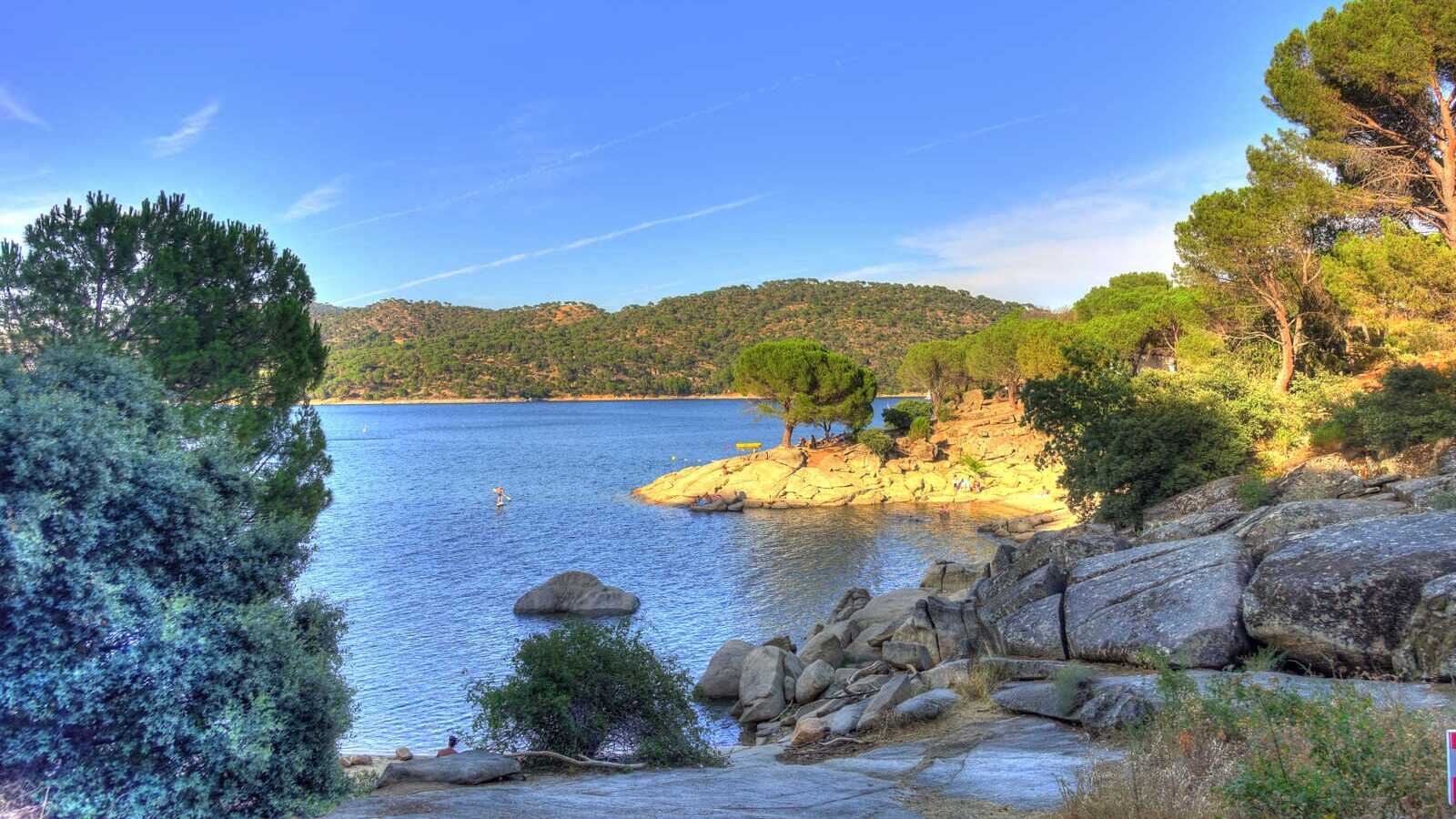
Popularly known as ‘Madrid’s beach,’ San Juan reservoir is one of the most popular spots to enjoy a dive in the hottest seasons. Besides that, it is also perfect for hiking and to perform aquatic activities such as sailing.
Chorrera de los Litueros, Madrid’s highest waterfall
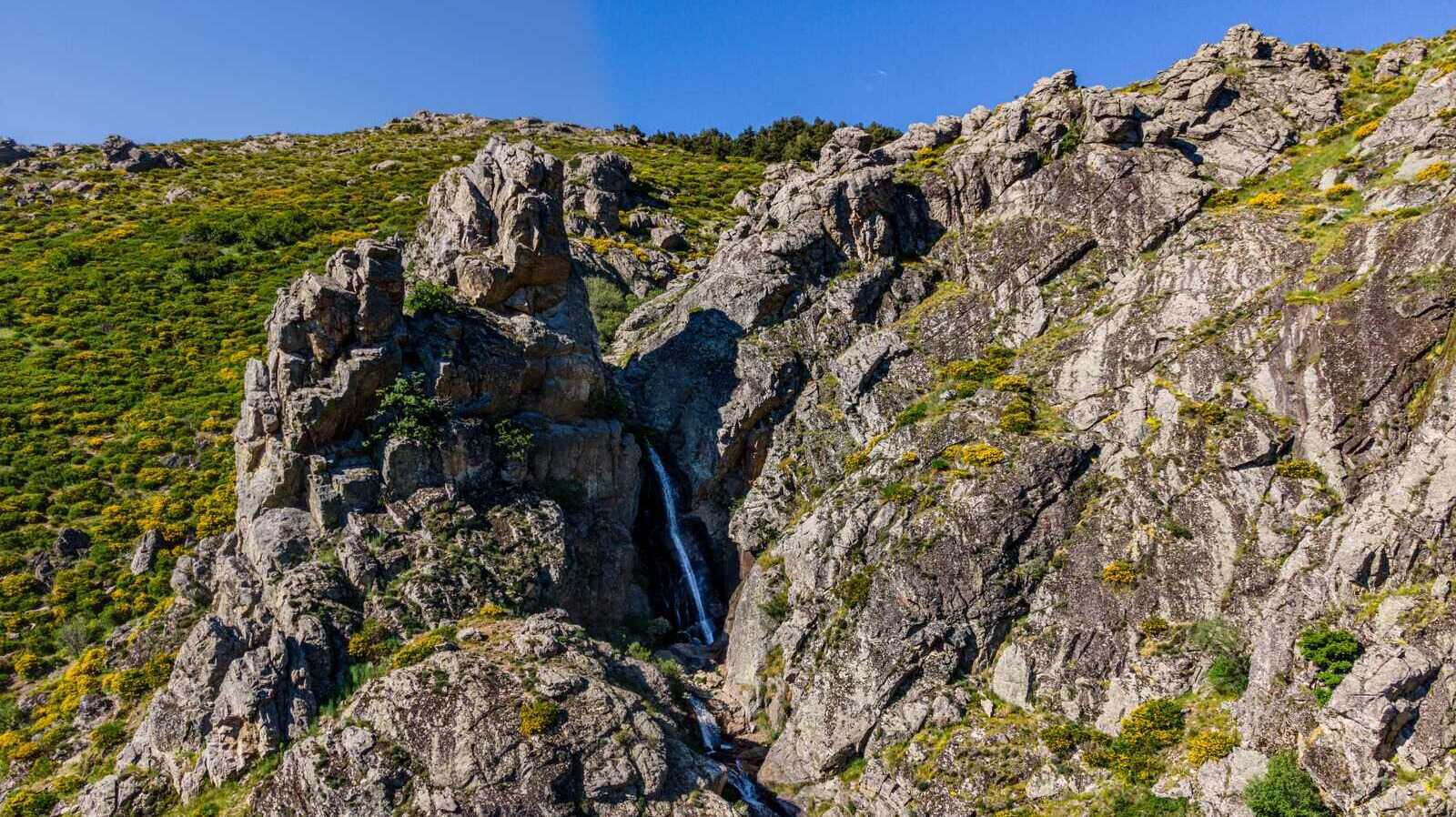
The highest waterfall in the Community of Madrid sits in Somosierra. The Chorrera de los Litueros is a spectacular cascade of 40 metres that sits 1440 metres of altitude above sea level. One can get there by completing a 12-kilometre-long route.
The Finnish Forest of Sierra de Madrid
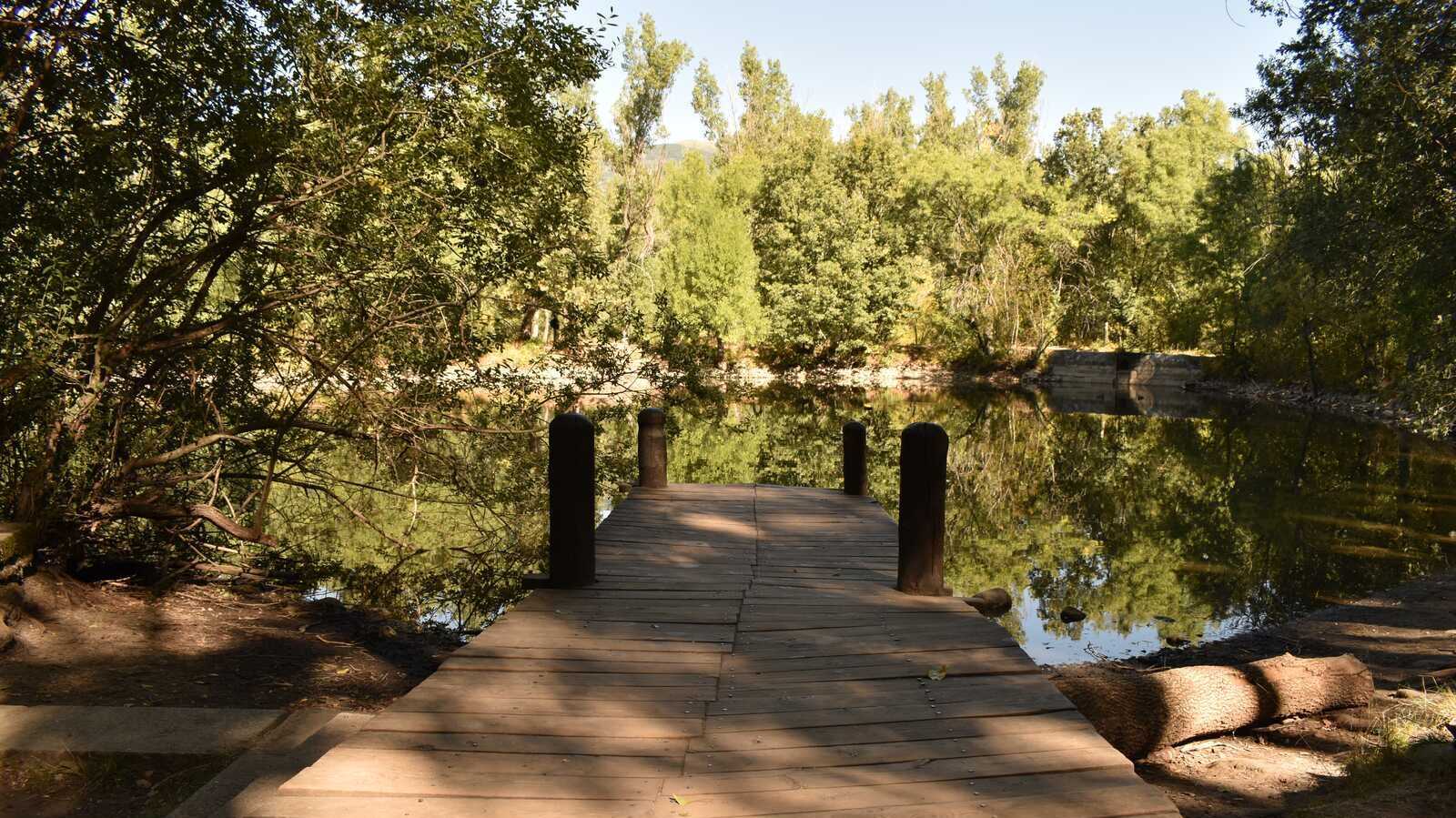
It looks straight out of a fairy tale, but the Bosque Finlandés (Finnish Forest) sits in Rascafría. The bucolic scene of the lake surrounded by trees reminds us of some spot in Finland, which is actually very reasonable, since the trees are native Finnish species. Besides, El Potario, the place’s official name, offers a cabin with a sauna that makes the resemblance even closer. Near this spot, one can visit the Cascadas del Purgatorio (Purgatory Waterfalls), a well-known waterfall that can be accessed by following a simple route beginning in the Monastery of El Paular.
Puerto de Navacerrada
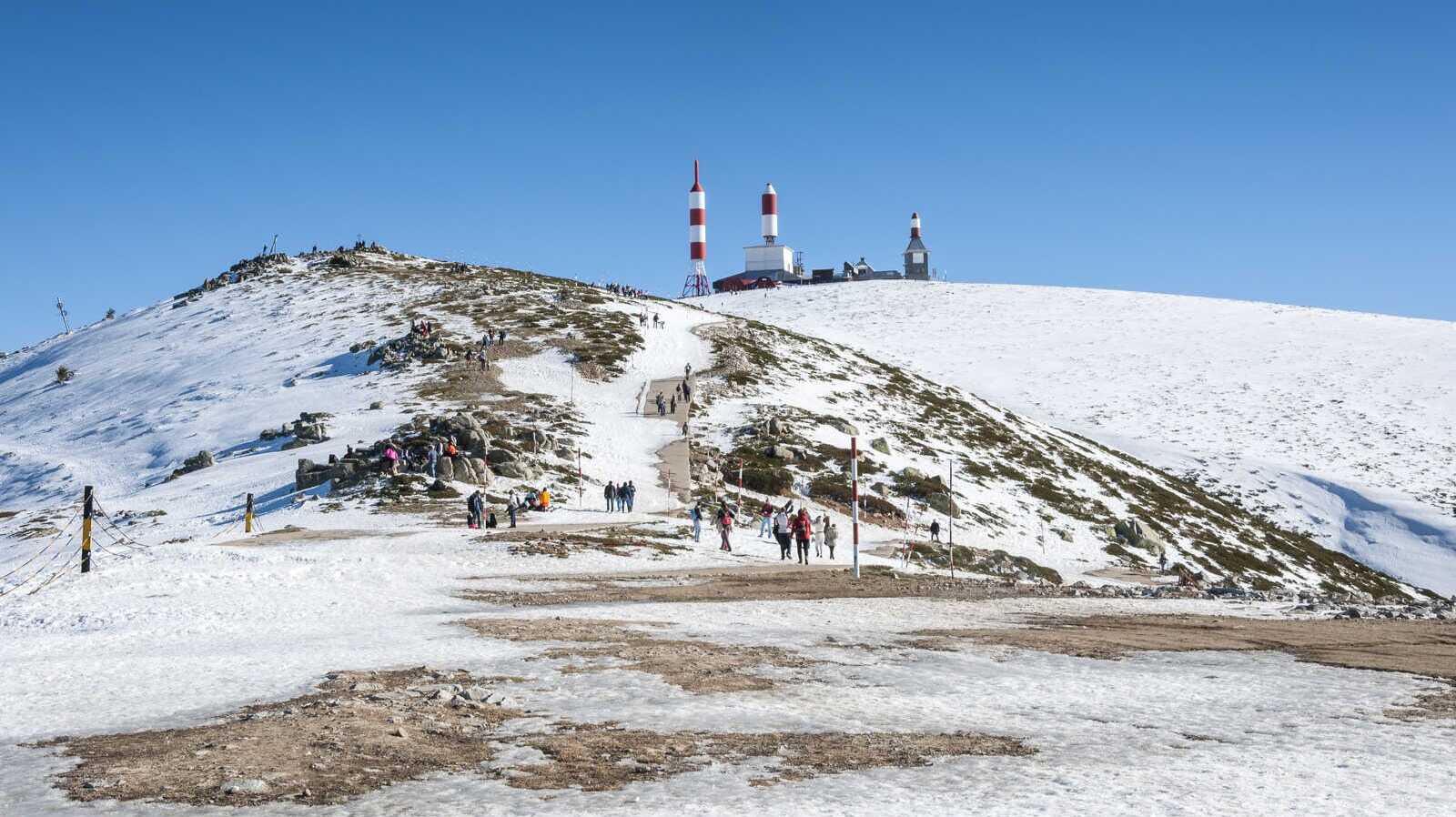
Segovia and Madrid are separated by Puerto de Navacerrada, one of the best places to ski in the snow season. It has eight ski slopes of diverse levels, but beyond skiing, this spot is perfect for visiting the mountain, since it has hotels, apartments, and restaurants.
Philip’s II chair
Near El Escorial, in the forest of La Herrería, sits a very interesting spot. This natural area consists of a set of granite platforms shaped as chairs. Legend has it that Philip II used to visit the place to watch the building of the San Lorenzo de El Escorial Monastery.
The gastronomy of the Community of Madrid, a must to enjoy the province
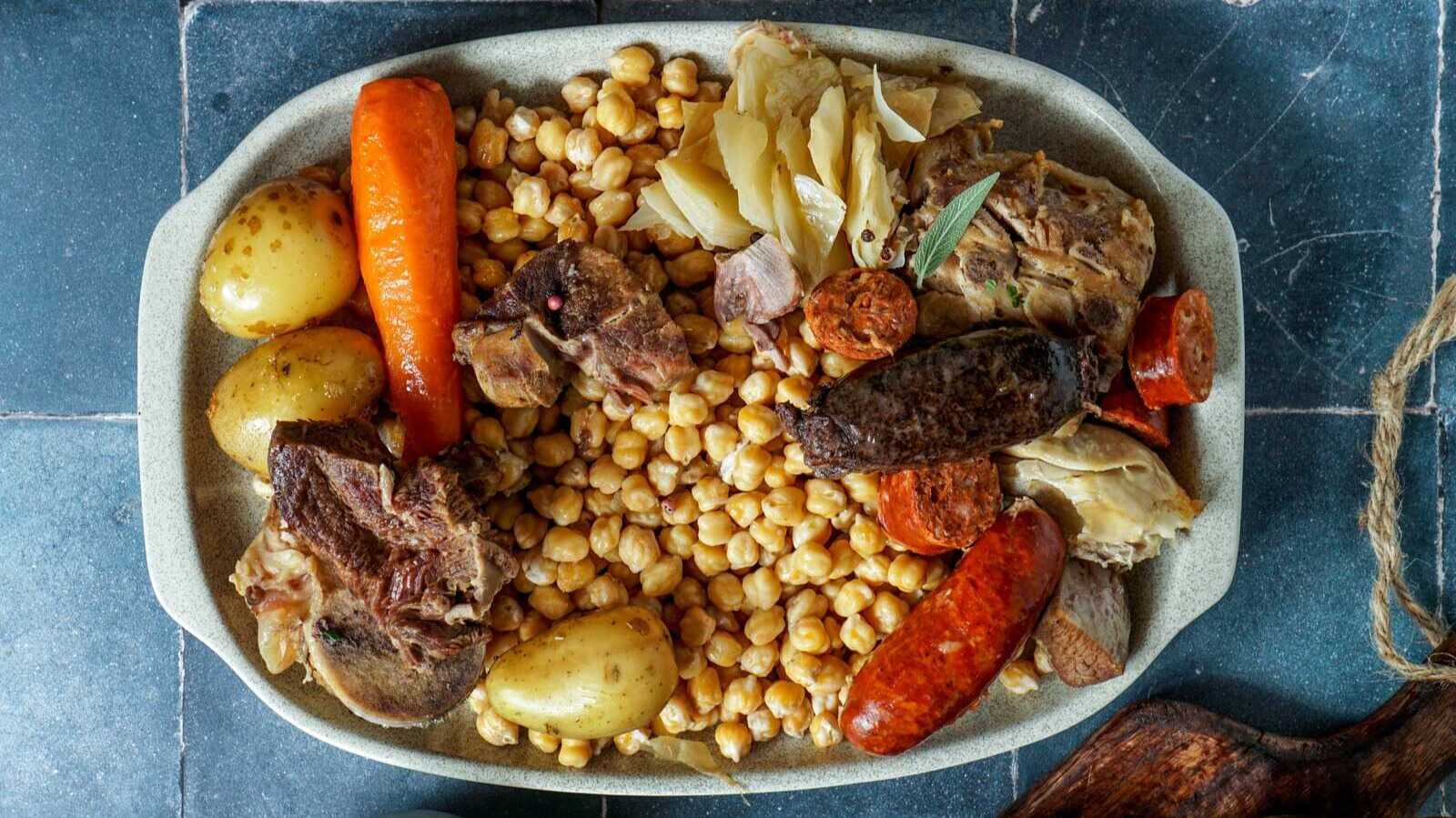
The gastronomy of the Community of Madrid is very diverse. Its hot dishes are quite popular; cocido, callos a la madrileña and sopa de ajo are simple and comforting recipes.
Some dishes can be surprising due to the province’s location, like the bocadillo de calamares, which has an interesting history. Some recipes stand out and are usually offered as tapas, such as bravas, mollejas, snails, and gambas al ajillo.
But Madrid's traditional recipes are not its only appeal. Madrid’s local products are well known throughout the world. From D.O. Vinos de Madrid wines, a denominación de origen that covers the areas of Arganda, San Martín de Valdeiglesias, El Molar, and Navalcarnero, to Villaconejos’ melons, Aranjuez’s strawberries, and Chinchón’s anise.
The sweetest spot of Madrid’s gastronomy joins its culture. The rosquillas de San Isidro stand out among its most popular sweets, including every type of rosquillas: tontas, listas, francesas and de Santa Clara.
And, of course, this section cannot conclude without mentioning a classic to warm up in the coldest winter days: a hot chocolate with churros.
More recommendations to enjoy the Community of Madrid
Where to sleep in the province of the Community of Madrid
Sleep in Chamberí and la Castellana
Sleep in Chinchón
Sleep in Buitrago del Lozoya
Sleep in Boadilla del Monte
Sleep in Alcalá de Henares
Sleep in Cadalso de los Vidrios
Sleep in Buitrago del Lozoya
Where to eat in the province of the Community of Madrid
Where to eat delicious tapas in Madrid
Eating in el Madrid de los Austrias
Eating in the Retiro and Barrio de Salamanca
Eating in the Paseo del Arte - Madrid
Eating in El Barrio de las Letras - Madrid
Eating in Chueca - Madrid
Eating in Chamberí - Madrid
Eating in El Pardo
Eating in Rascafría
Eating in Cadalso de los Vidrios
Eating in Chinchón
Eating in San Lorenzo de El Escorial
Eating in Patones
Eating in Navacerrada
Eating in Aranjuez
Eating in Boadilla del Monte
Eating in Alcalá de Henares
Nature and active tourism in the Community of Madrid
The Santillana reservoir, an architectural wonder and nature reserve
The beech forest of Montejo, a russet pause in Madrid
The valley of Fuenfría: she walks in poetry
7 getaways near Madrid to cool off
9 outdoor places in Madrid to enjoy the good weather
You can also read this article in Spanish here.
Follow us on Facebook to discover more fascinating places in Spain!