
Spain’s abundance of Blue Flag beaches: 10 to discover this summer
Spain remains the global leader in Blue Flag-certified beaches and the year 2026 adds another historic thirty-five beaches to the country’s grand total.
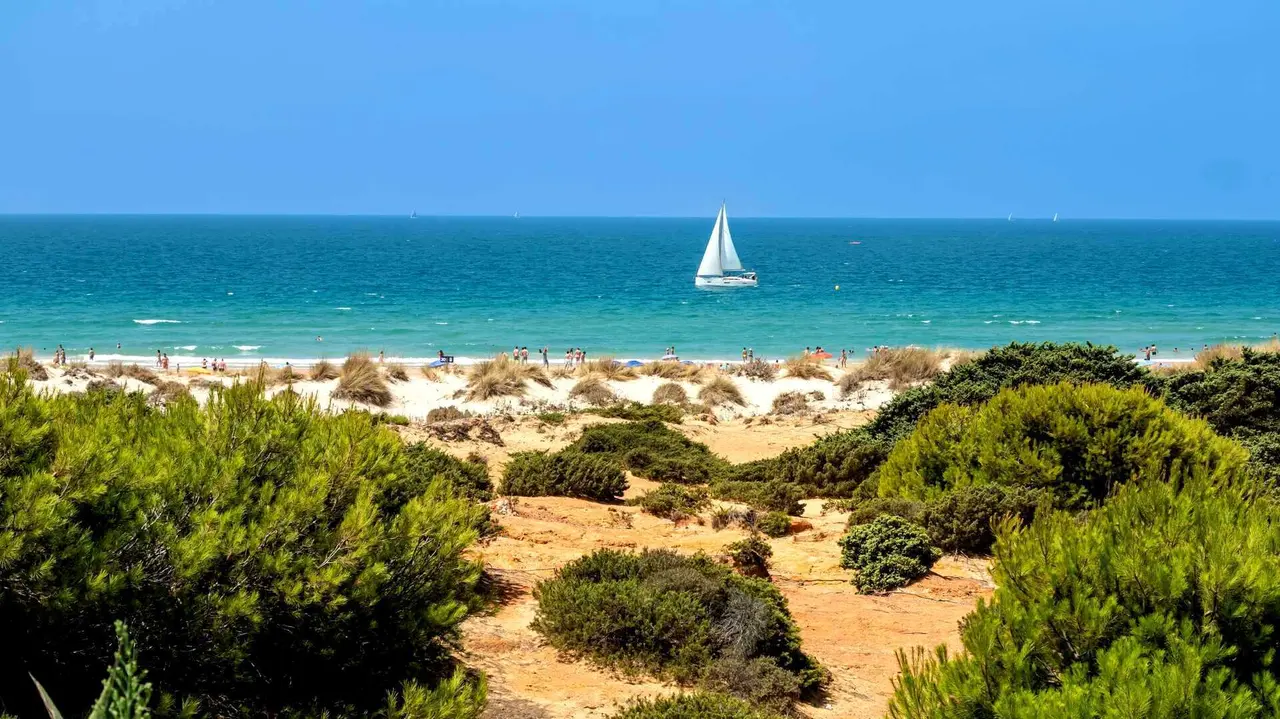
Spain remains the global leader in Blue Flag-certified beaches and the year 2026 adds another historic thirty-five beaches to the country’s grand total.
The Blue Flag award is an international accreditation of beaches, marinas and tour boat operators that fulfil a number of stringent criteria related to water quality, safety, environmental management, amenities and accessibility. While beaches are rated for their natural beauty, they are also appraised for environmental sustainability and the overall experience for visitors.

Spain has been the world leader in Blue Flag beaches since 1994. In 2026, the country topped 677 Blue Flag certified beaches, 35 more than the previous year and its finest result since the Foundation for Environmental Education (FEE) started the initiative. Although a dozen beaches lost their Blue Flag status, others made their debut whilst still others regained the iconic flag. Choosing a beach is no easy task, but the following ten Blue Flag beaches are great starting points.
Ten of Spain’s outstanding Blue Flag beaches
Porcía Beach in Asturias
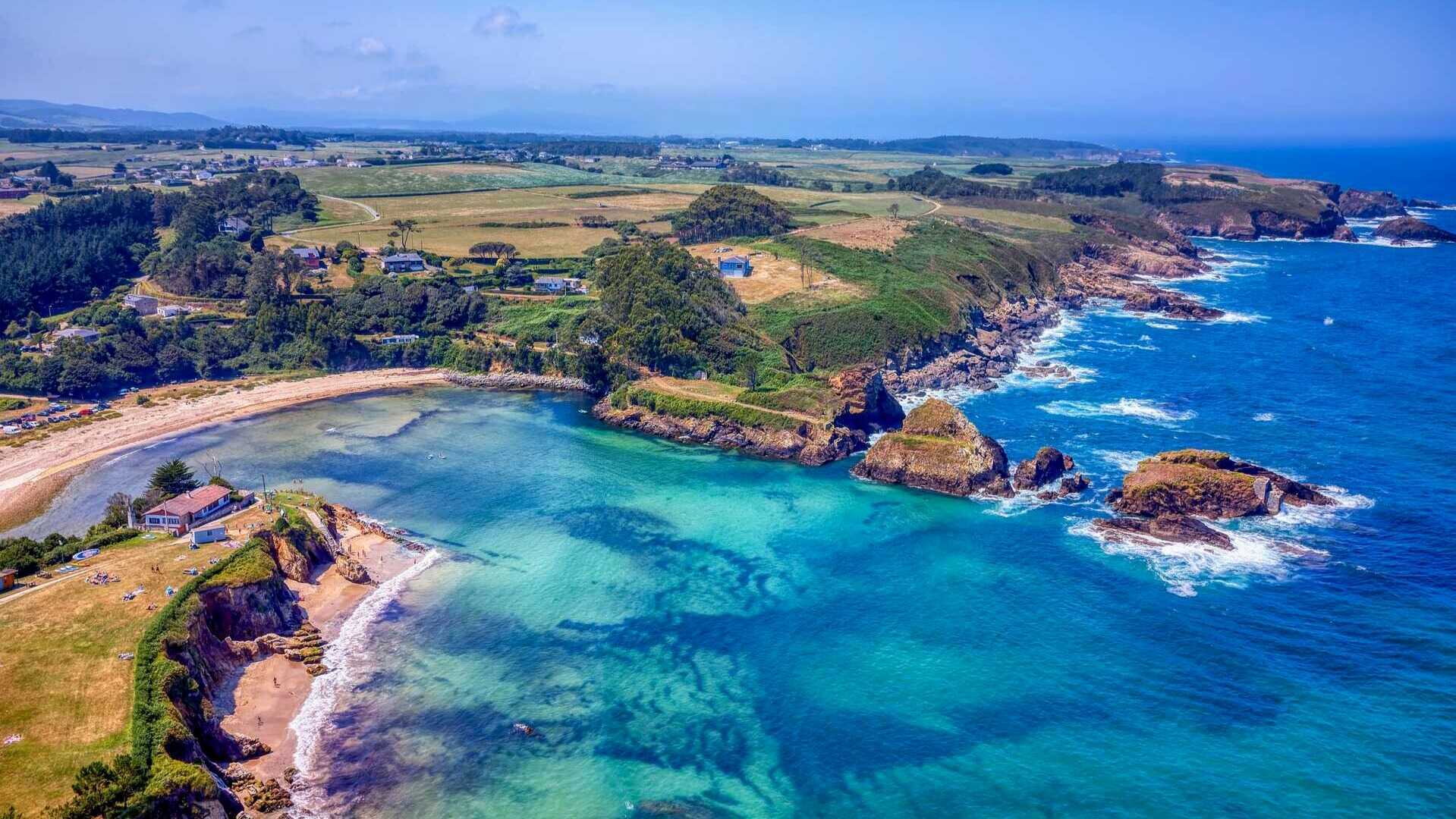
Located in the Asturian village of El Franco, Porcía Beach makes its Blue Flag debut in 2026. Asturias currently has a total of 16 Blue Flag accredited sites thanks to the incorporation of the beaches at Porcía and Navia.
Porcía Beach’s unique triangular shape is located at the mouth of the Porcía River in an especially photogenic setting. The sand and pebble beach gives way to extraordinary rocky outcroppings during low tide. The natural diversity of Porcía Beach is emblematic of the untamed landscapes found along the Cantabrian Sea.
Burras Beach on Grand Canary Island
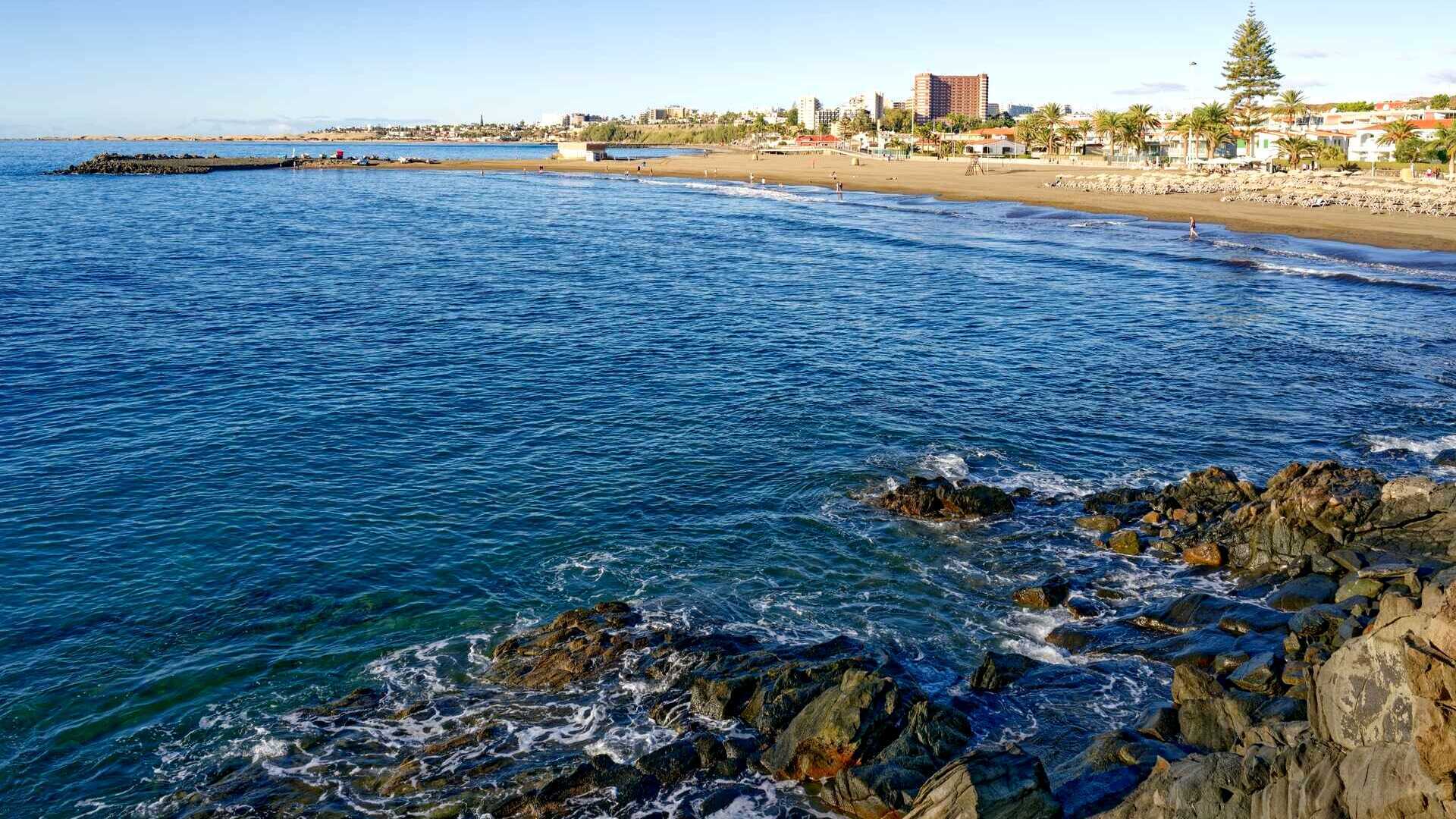
Blending comfort and a carefree ambience, Burras Beach on Grand Canary Island earns its premier Blue Flag certification in 2026. The breakwater provides placid waters and its powdery golden sands make this spot an ideal destination for a day out with friends and family. Burras Beach rates highly for its overall quality and amenities, which include showers, dressing rooms, deckchair and beach umbrella rentals.
El Racó Cove, Alicante
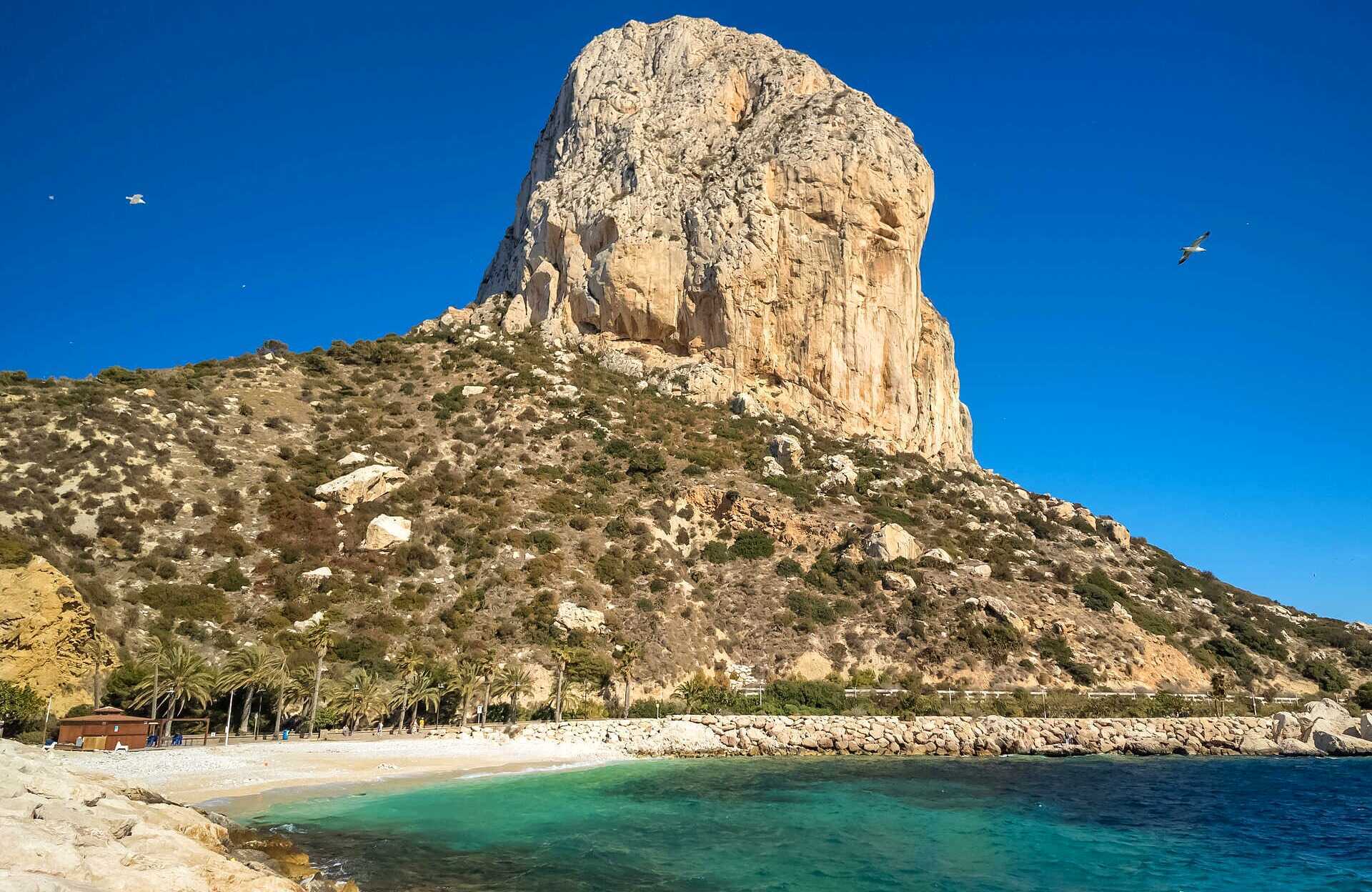
The province of Alicante attains another Blue Flag with El Racó Cove in Calpe. This inlet is perfect for snorkelling and recreational fishing and even includes an underwater diving route. The calm waters of this cove are distinguished by the majestic Rock of Ifach rising over the Mediterranean waters.
Silgar Beach in Pontevedra
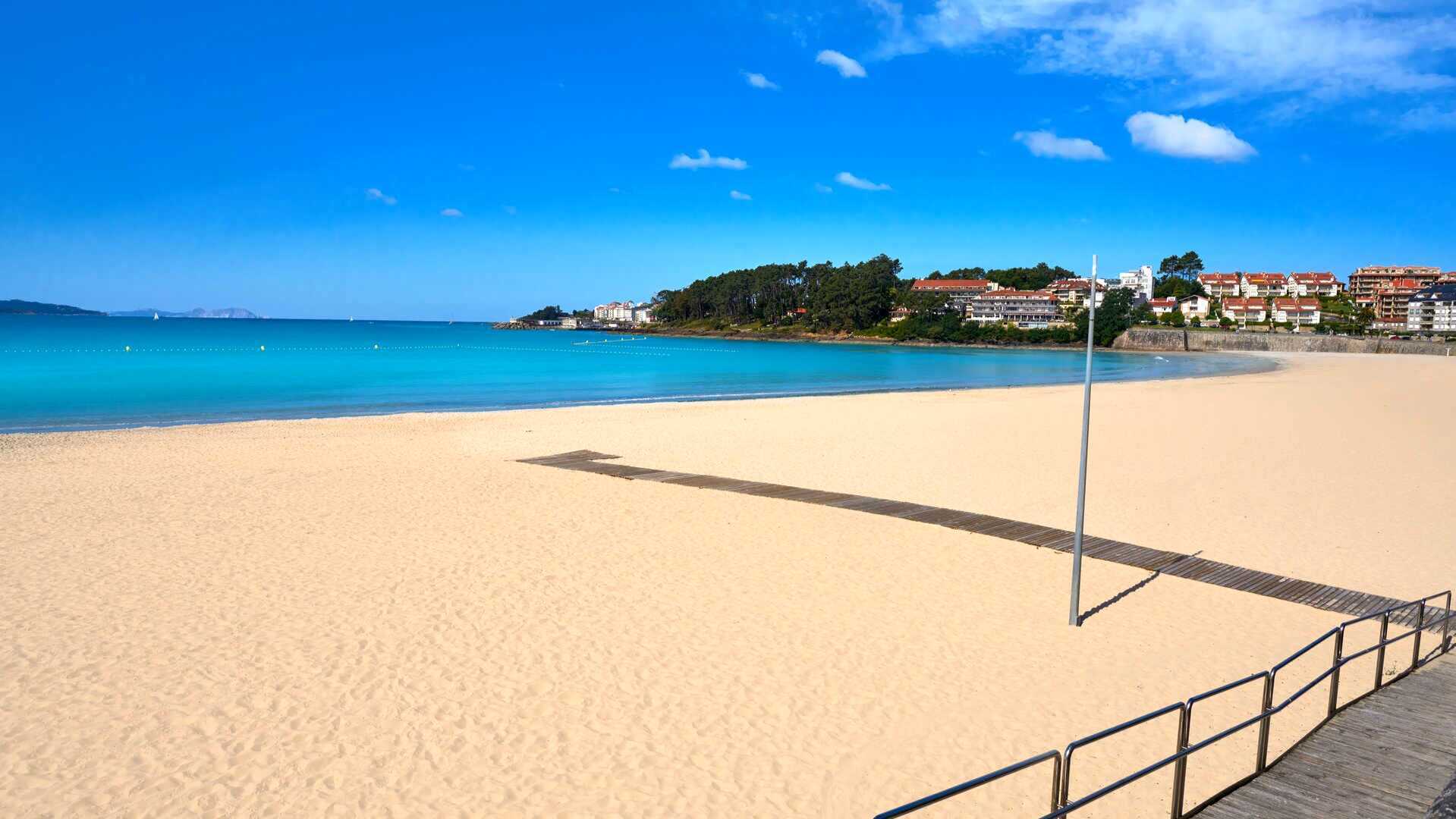
Sanxenxo is one of Spain’s most decorated Blue Flag towns and Silgar Beach may be the area’s most popular. This accessible 600-metre-long urban beach in Pontevedra Province is commonly frequented during summertime. During the low season, Silgar Beach is idyllic for enjoying the peaceful sound of the sea whilst swimming or sunbathing. Likewise, plenty of beach bars provide catering whilst deckchairs and other beach movables are available for hire.
Sancti Petri Beach in Cádiz Province
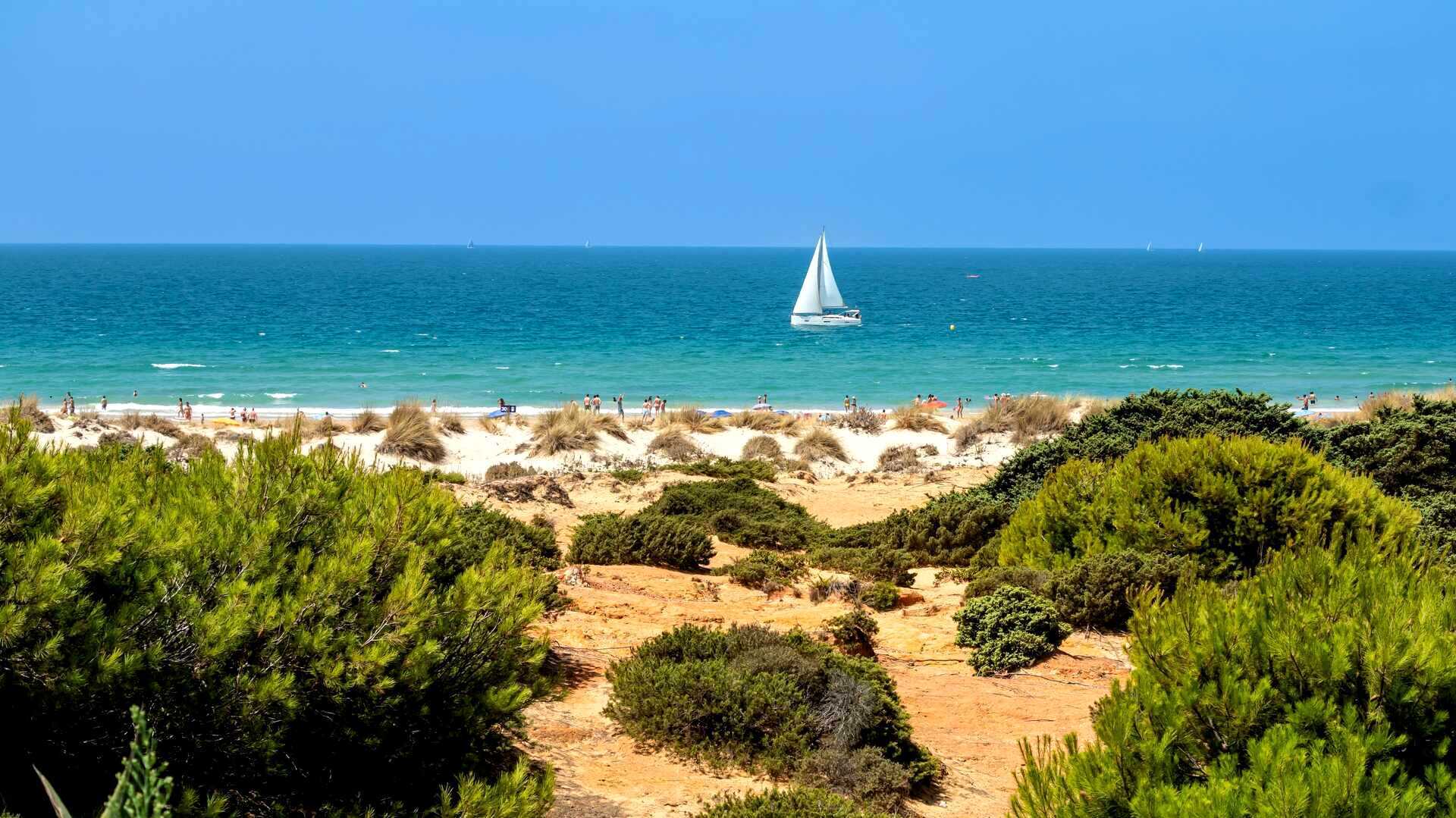
Sancti Petri Beach lies adjacent to the ancient fishing village of the same name near Chiclana de la Frontera in Cádiz Province. An array of murals paying homage to the sea can be found on the town’s walls. Sand dunes dominate this beach set among the spectacular surroundings of Bay of Cádiz Nature Park, and even includes views of the castle on the islet of Sancti Petri. Nearby Barrosa Beach is ideal for anyone wishing to vary the scenery by taking long walks. As far as cuisine is concerned, some of the best seafood delicacies can be tasted at fisherman’s coteries along the coast.
Canela Island Beach in Huelva Province
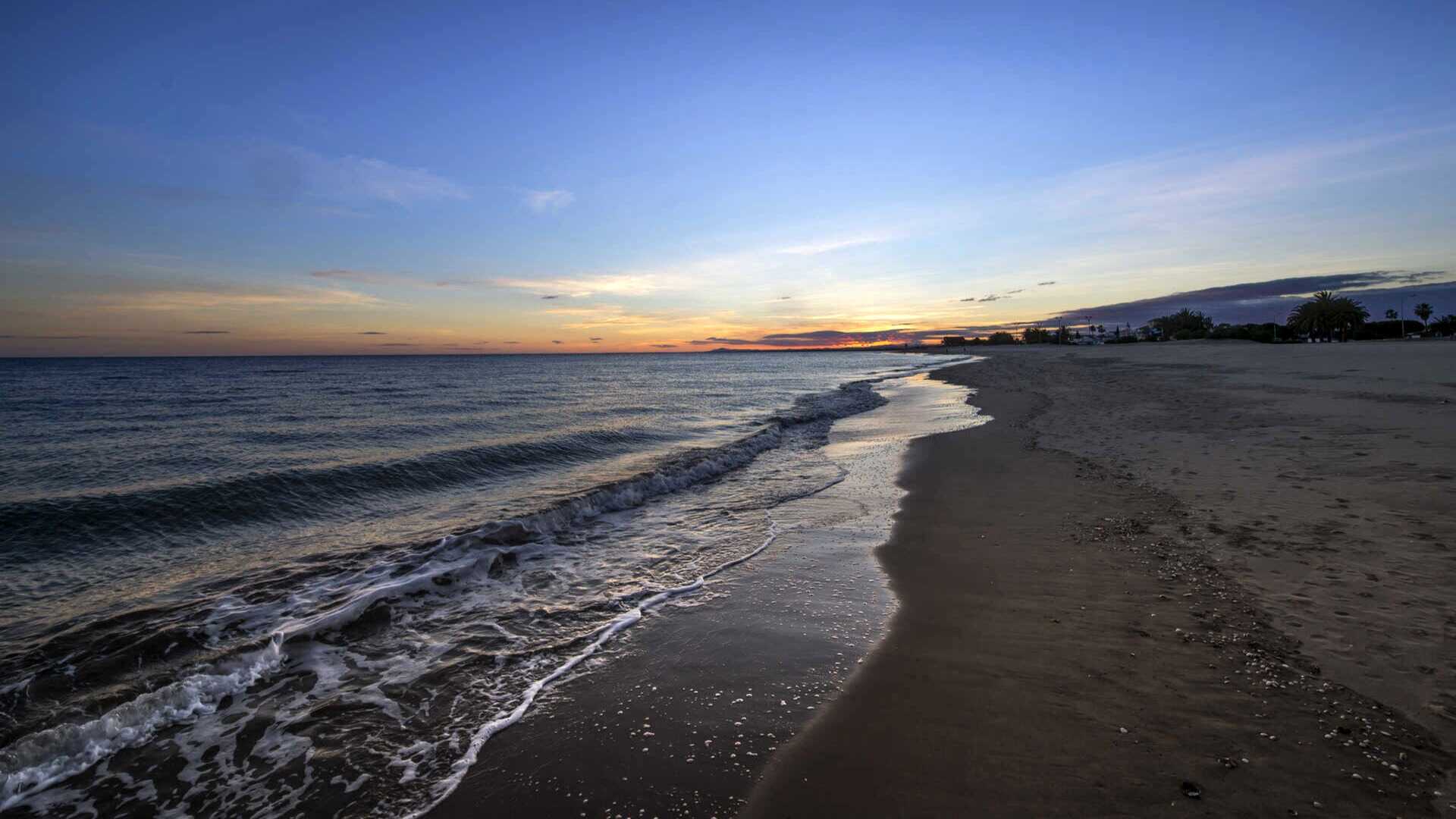
This five-kilometre-long stretch of Blue Flag certified golden sands lies near the town of Ayamonte. Canela Island Beach stands out for its paradisical marshlands and dunes. Calm waters and ample sand make this beach a perfect spot for swimming, snorkelling, kitesurfing and windsurfing.
Concha de Artedo Beach in Asturias
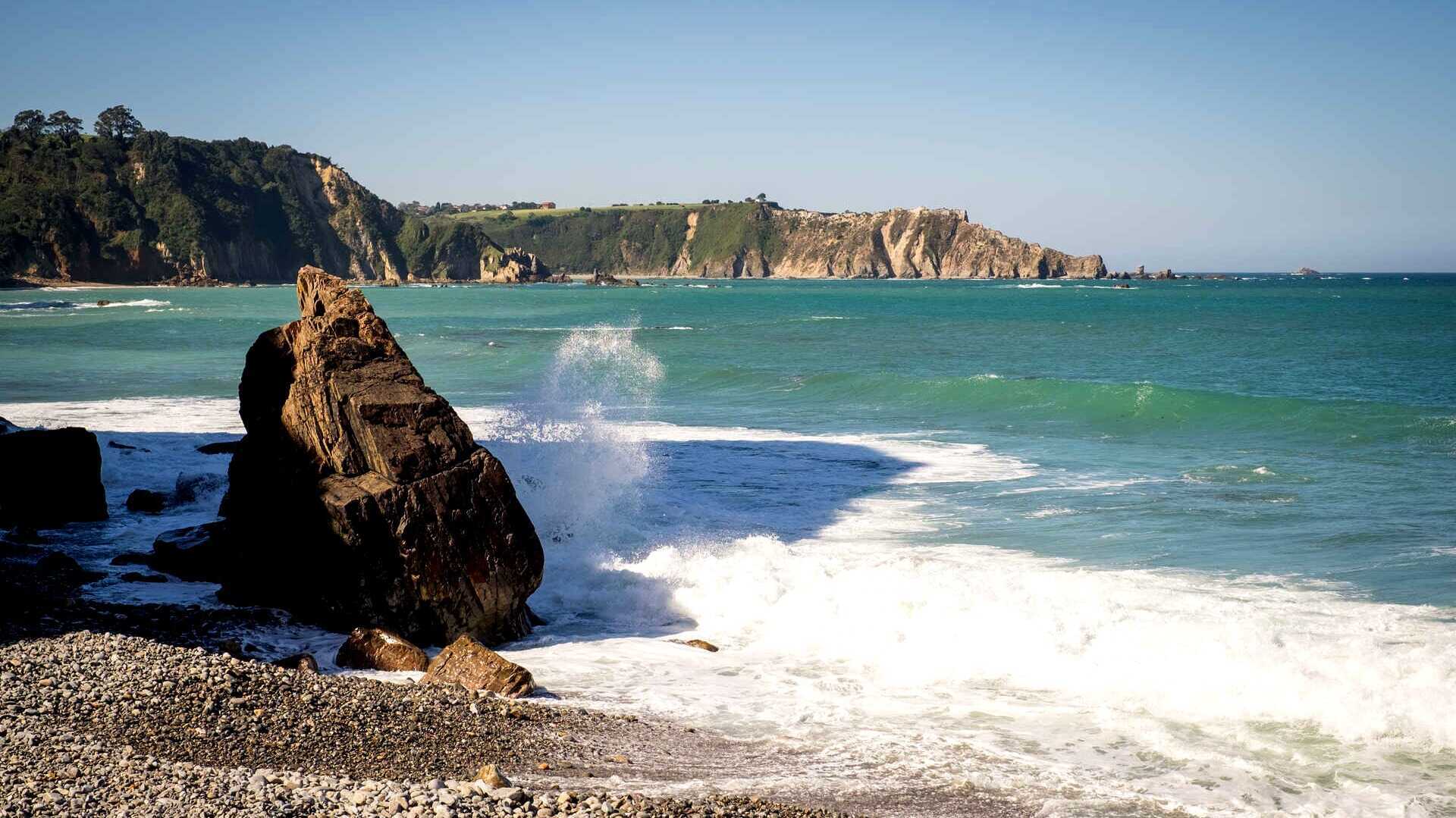
This stunning beach near the town of Cudillero is noteworthy for its dual aspect of a pebbled beach during the high water mark and glassy smooth sands at ebb tide. The 700-metre-long Concha de Artedo Beach lies tucked amid breathtaking scenery and appeals to most tastes.
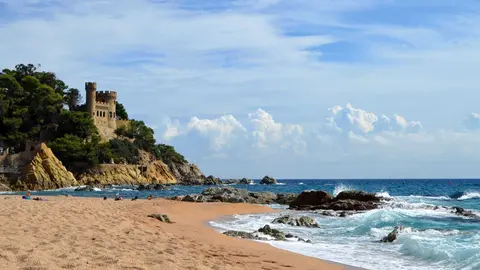
Recreational fishing and underwater diving are common in the area. As concerns the latter, a dive along the slopes of Punta Austera is highly recommended, where sponges and soft corals can be observed. Interestingly, Concha de Artedo is a customary stop-over between the towns of Cudillero and Luarca for pilgrims walking the Way of Saint James.
Butihondo Beach on Fuerteventura Island
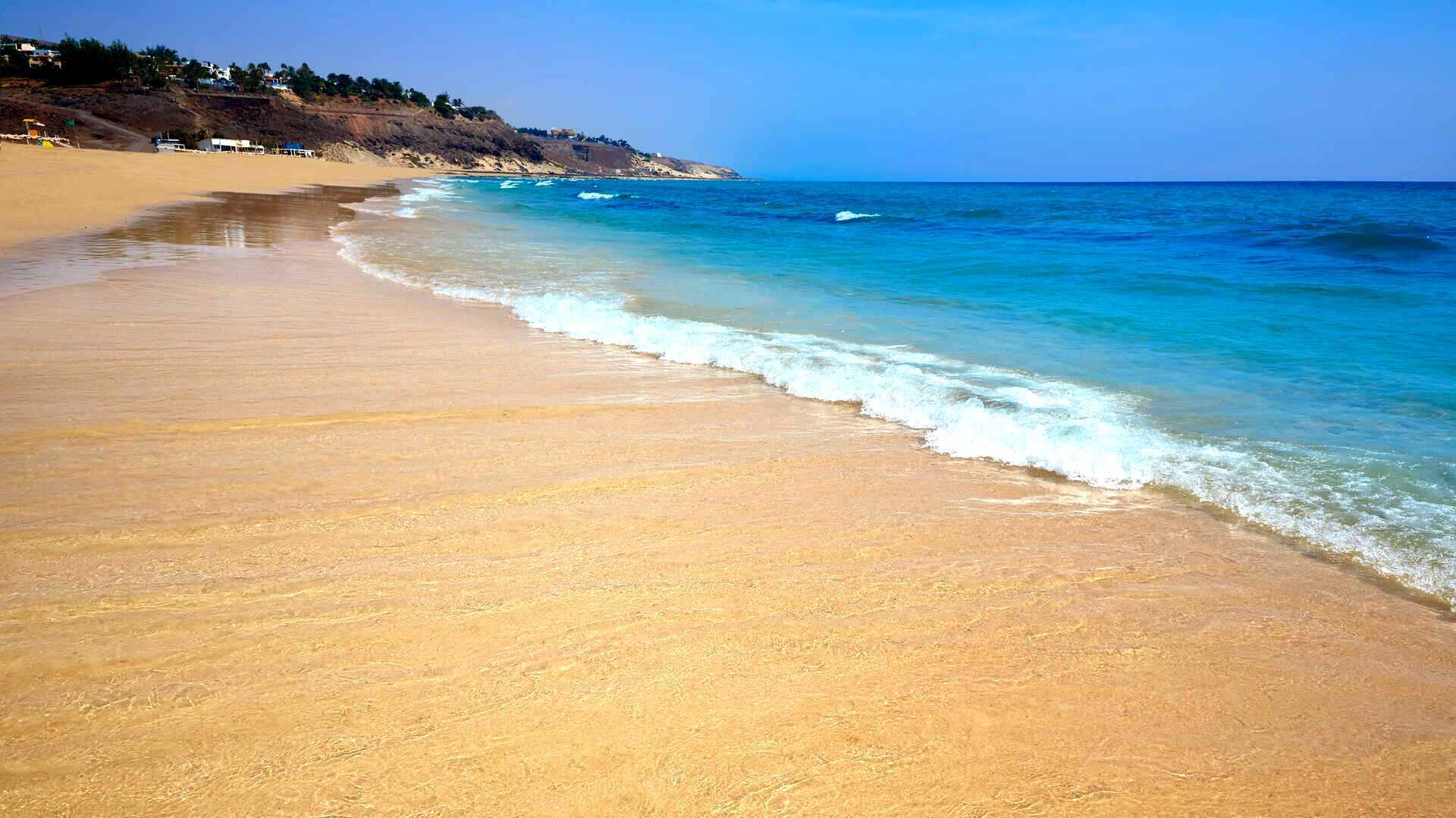
For those seeking naturism, the Blue Flag awarded Butihondo Beach near Morro Jable in the south of Fuerteventura Island is an outstanding place to do so. This three-kilometre-long beach is divided into various sections and its turquoise waters and amber sands exude a tropical feel. Options for tourists are wide-ranging, including beach bars, accommodation, parking and nautical sporting activities.
Cavet Beach in Tarragona Province
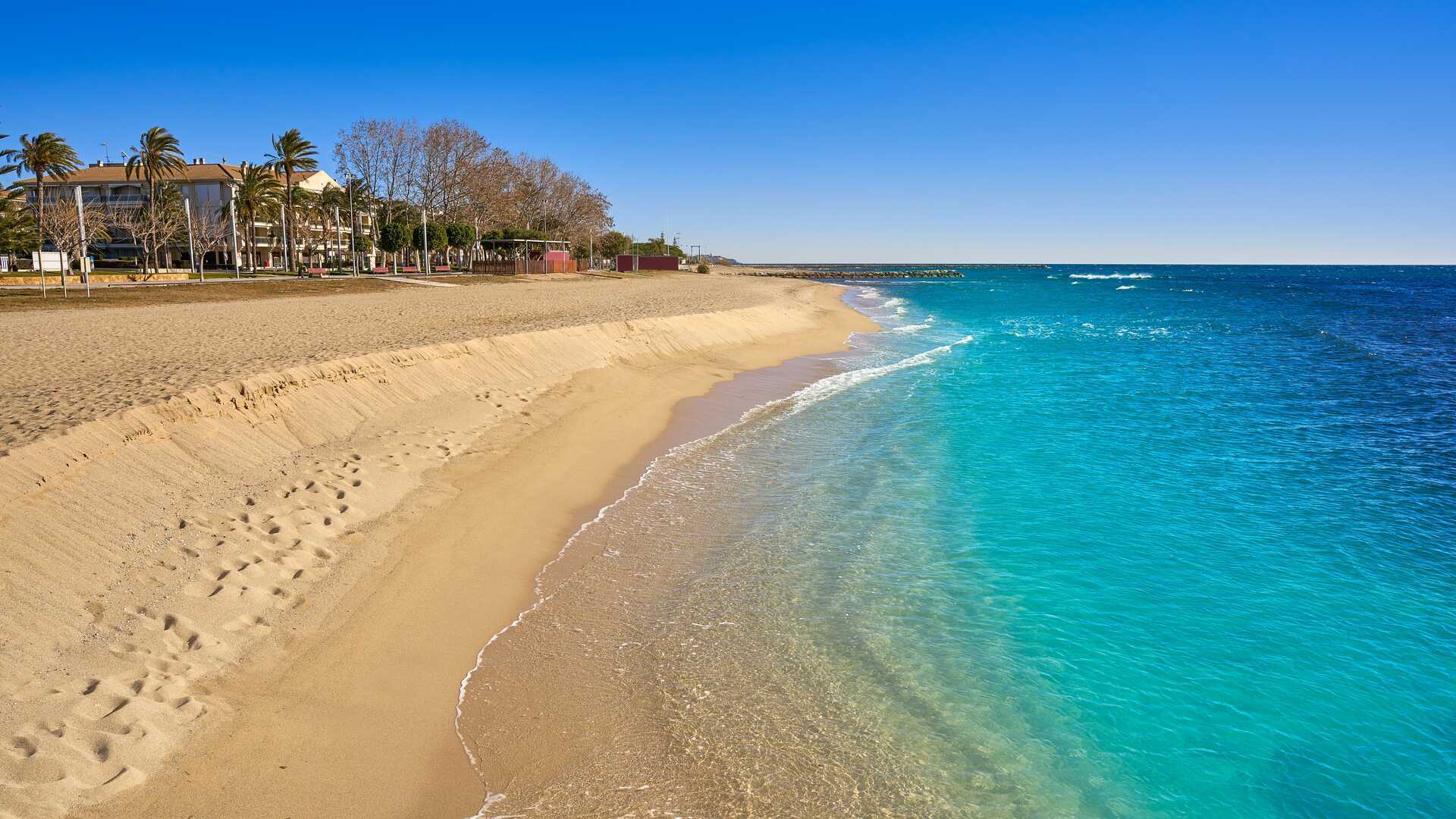
Although Cavet Beach lies outside the town centre of Cambrils, it possesses the added attraction of being less transited than other beaches. This mostly sandy Blue Flag beach stretches for 700 metres, though rocky areas ideal for snorkelling can be found. Cavet Beach’s many services include lifeguards and its aquatic sport academy.
Poniente Beach in Murcia
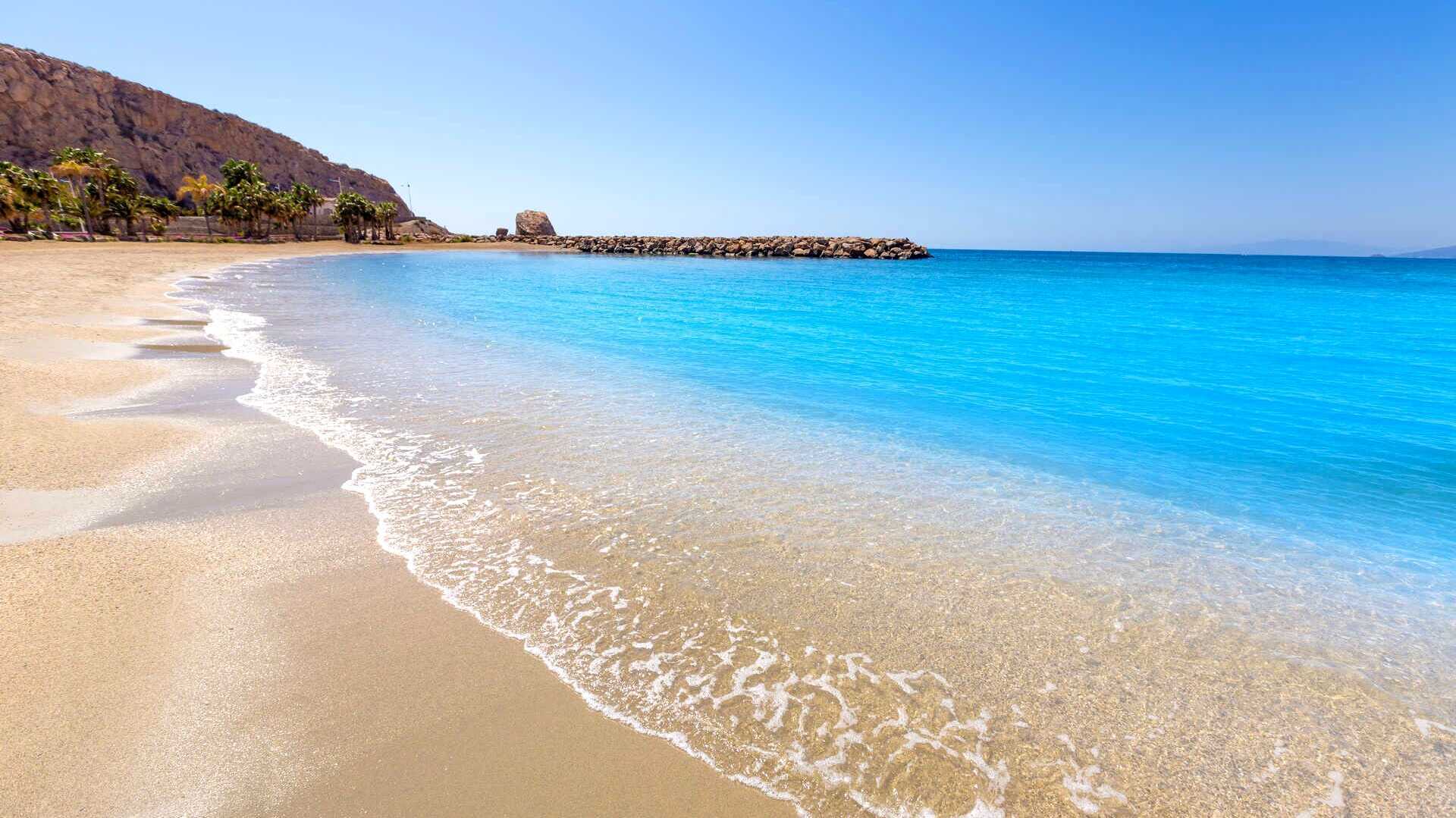
Poniente Beach, located in the town of Águilas in the region of Murcia, is an urban beach formed by crushed stone and sand. Running more than a kilometre, this beach is ideal for those seeking more temperate waters. Additionally, it offers complete convenience in the form of beach bars, showers, walkways, changing rooms, and importantly, easy accessibility for those with reduced mobility.
Spain is undoubtedly a country full of Blue Flag accredited beaches, ranging from sprawling urban beaches to humble little-known coves. One need only choose the right spot for the right moment. As a curious afterthought, the Valencian Community remains the Blue Flag champion with 151 recognised beaches followed by Andalusia (143), Galicia (118), Catalonia (101), Canary Islands (52), Balearic Islands (33), Murcia (33), Asturias (16), Cantabria (11) and Extremadura (8).