One of Spain’s most surprising cities is actually in Africa
A place whose unique diversity is reflected in its temples, monuments and traditions.
A place whose unique diversity is reflected in its temples, monuments and traditions.
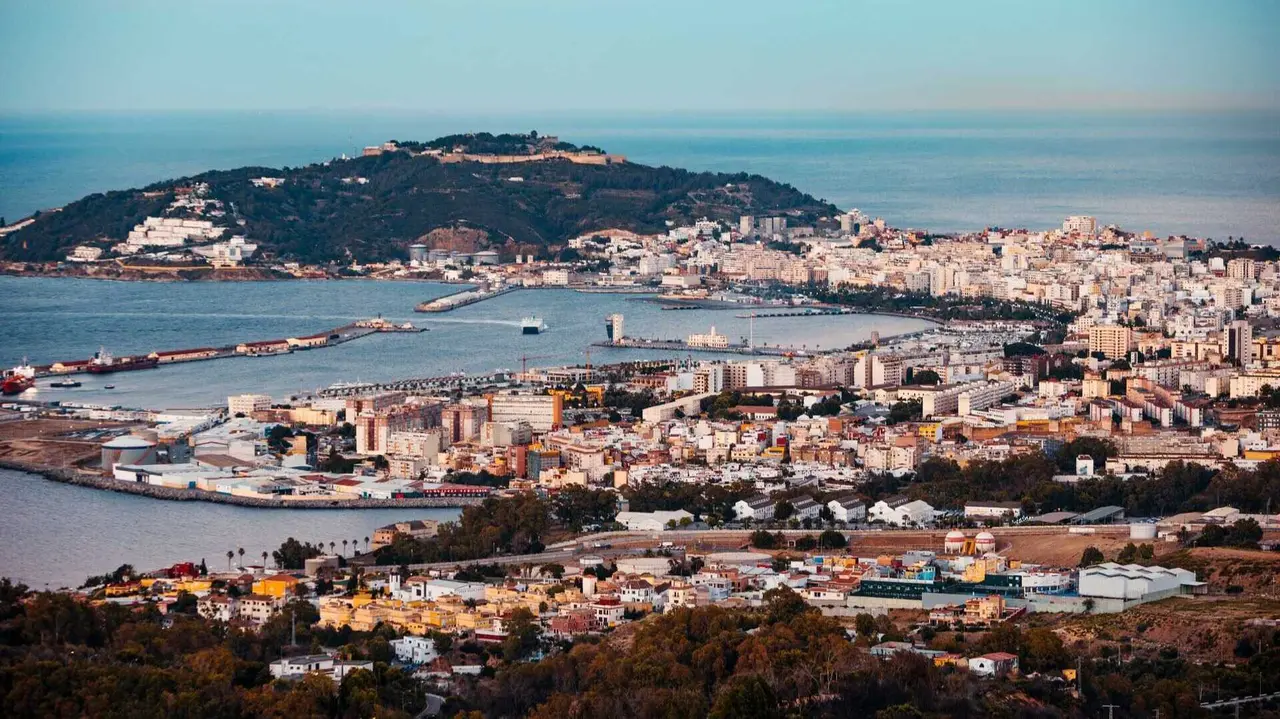
The small autonomous Spanish city of Ceuta, located on the northern coast of Africa along the Strait of Gibraltar bordering Morocco, plays a unique role as a bridge between Europe and Africa. Moreover, the city also stands out for being a place in Spain where the religious cultures of Christianity, Islam, Judaism and Hinduism all coexist, forging an epitome of cultural harmony.

A melting pot city
Owing to this religious coexistence, this small Spanish exclave is well endowed in the form of monuments and local markets and offers a smorgasbord of cultural cuisine. The experience of four distinct religious cultures living together in the same place is a marvel to behold for any visitor.
Christian culture
After the Portuguese conquest in 1415 by King John I of Portugal, the diocese of Ceuta was formed and the ancient Great Mosque was converted into the present-day Cathedral of Saint Mary of the Assumption.
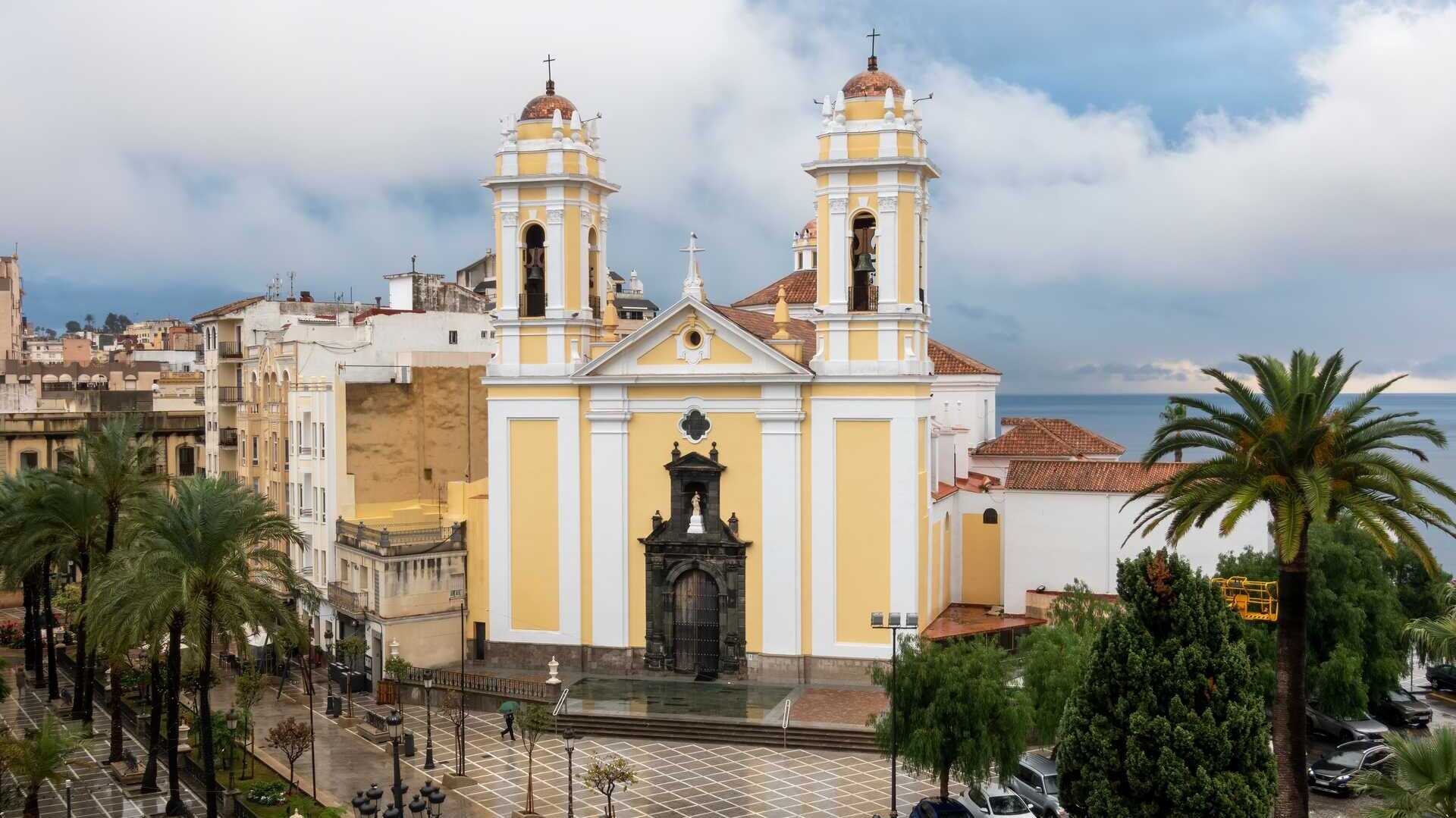
By the mid seventeenth century, the cathedral was in ruins and a new foundation was laid in 1694. The church subsequently served as infantry barracks until its consecration in 1726. The cathedral’s exterior architecture reveals a classical style and the unmistakeable influence of the Cathedral of Cádiz.
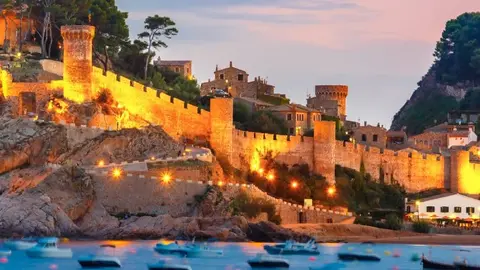
Other emblems of Christian Ceuta include the Chapel of Saint Anthony of Padua and the Sanctuary of Saint Mary of Africa, dedicated to the virgin of the city, whose cult was established in 1418 by Portugal’s Prince Henry the Navigator.
Islamic culture
Within Islamic Ceuta, the Muley el-Mehdi Mosque, also known as the Yemalquivir Mosque, is the star attraction.
The mosque was inaugurated in 1940 and underwent subsequent renovation works in the 1990s that preserved the building’s original structure.
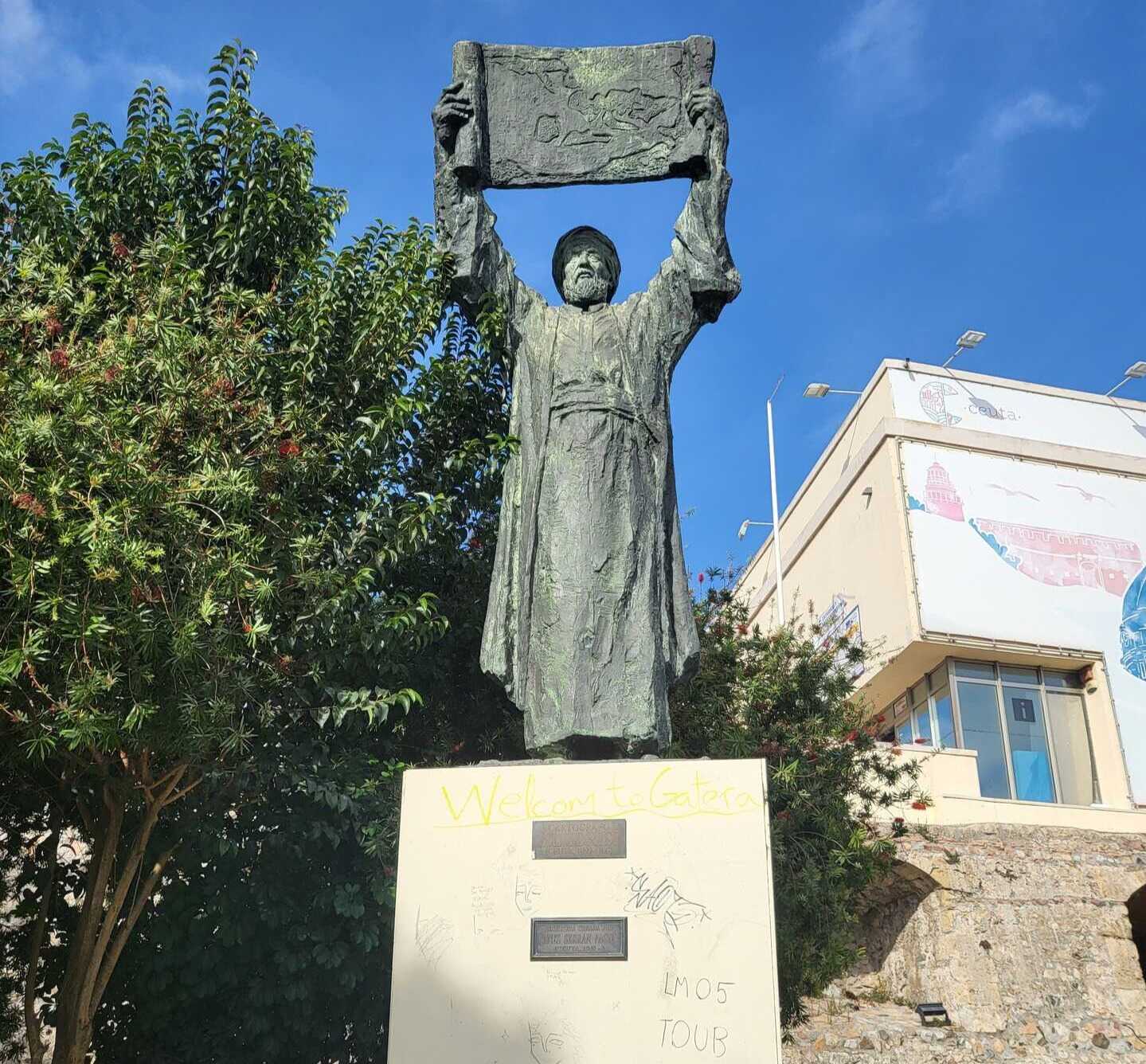

Other icons of Islamic culture in Ceuta include the statue to Al-Idrissi, renowned geographer from the Middle Ages, and the Sidi Embarek Mosque, located next to the city’s only Muslim cemetery.
Judaic culture
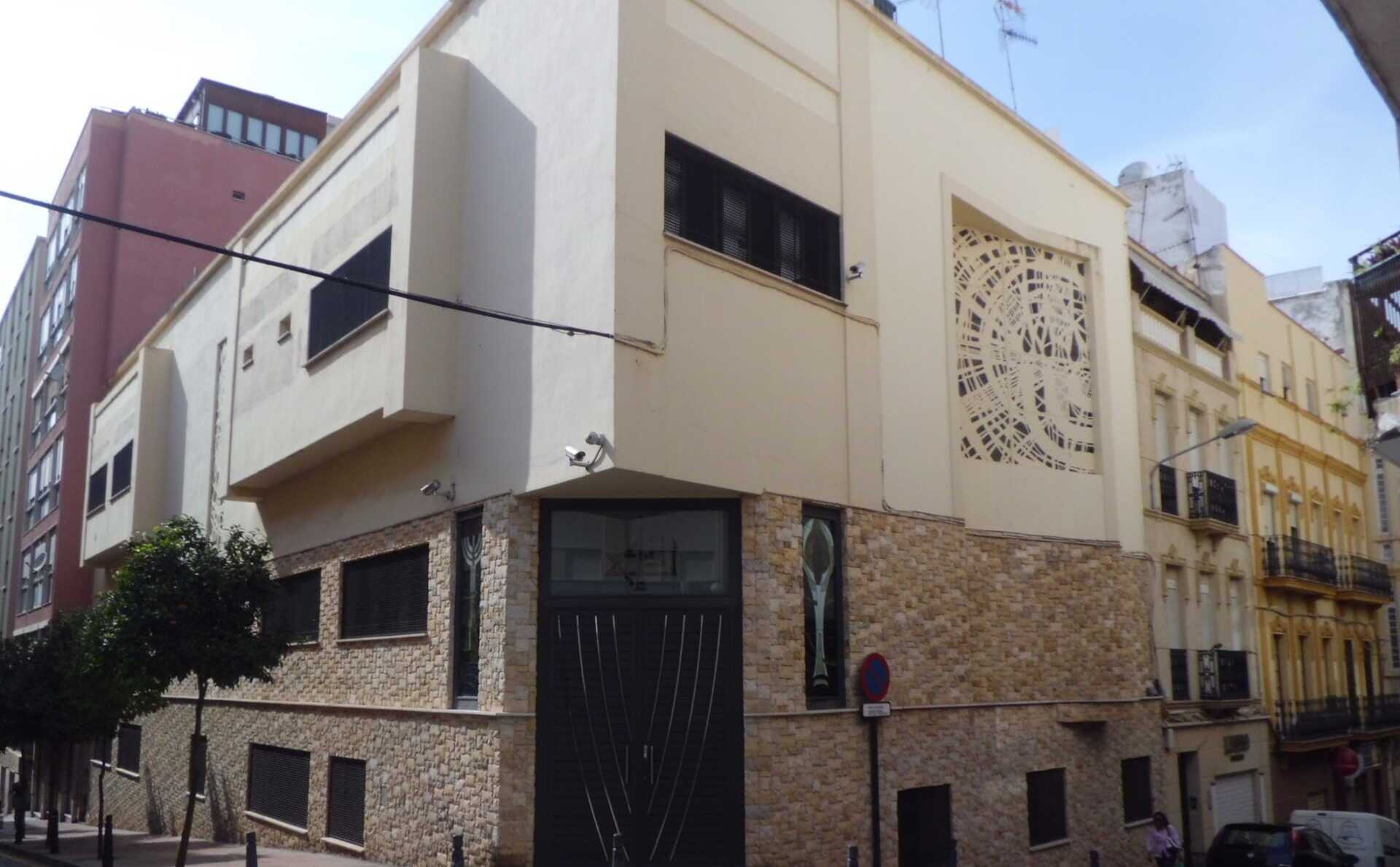
The Bet-El Synagogue is an exemplar of Jewish legacy in Ceuta. Constructed in the 1970s and replacing an older edification, the synagogue’s enormous stained-glass windows are one of its outstanding features.

A sculpture dedicated to the philosopher Ben Yehuda, who was a disciple of the influential medieval philosopher Maimonides, is another contribution from the Hebrew community.
Hindu culture
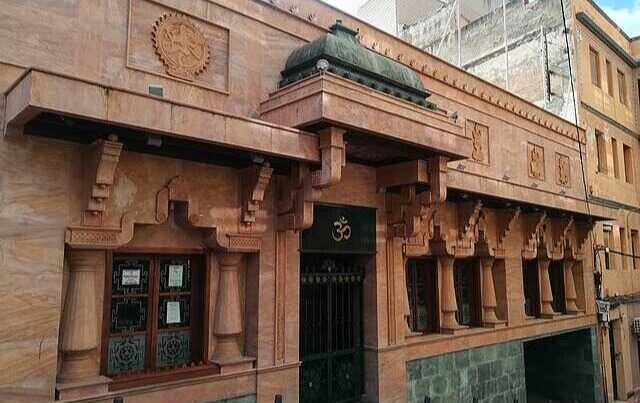
Hinduism has been the most recent addition to Ceuta’s cultural mix, a community that began settling in the city during the 1950s. The community’s crowning illustration is the Hindu Temple of Ceuta, located on Echegaray Street, whose design follows the cannon of sacred Hindu architecture.
A sculpture dedicated to Mohandas Karamchand Gandhi, activist and Indian nationalist who spearheaded the movement for independence from the British Empire, commemorates the community’s history.

If that were not enough, this melting pot of a city also boasts three of the world’s largest bronze sculptures dedicated to classical Greek mythology, sculpted by Ceuta’s native artist, Ginés Serrán Pagán.
You can also read this article in Spanish.
Follow us on Facebook to discover more fascinating places in Spain!