The European Union’s longest (and oldest) border stretches for 1,234 km in Spain
The European Union’s longest and oldest border is a strategic territory of cultural interchange and history.
The European Union’s longest and oldest border is a strategic territory of cultural interchange and history.
The border demarcating Spain and Portugal, known as the Raya (the Stripe), is the longest border in the European Union stretching more than 1,200 kilometres. It extends from the mouth of the Miño River at A Guarda in the region of Pontevedra all the way to the mouth of the Guadiana River at Ayamonte, in the province of Huelva.

On the Portuguese side, the frontier runs from Caminha in Minho until Castro Marim in the Algarve region. The origins of the Raya date back to the foundation of the Kingdom of Portugal in the twelfth century, making it the European Union’s oldest border.
Discovering one of Europe’s most important frontiers

More than a mere line drawn on a map, this borderland has been moulded by battles, treaties, conflict and alliances. The region’s storied history has yielded a blended Portuguese and Spanish cultural identity, where towns on both sides of the Raya share language, rivers and fascinating traditions.
The Raya region’s unique identity is reflected in its delicious and diverse cuisine, ranging from Portuguese cod and barnacles to the rice of Zamora, wild boar and pork carrilleras. For heartier appetites, there is no better way to complement a Rayano feast than with southern delicacies from Huelva like white prawns or chargrilled sea bass from the Algarve.
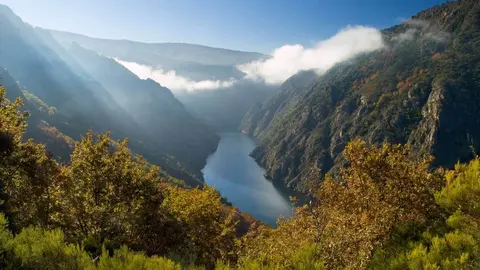
The Raya is a fascinating region of cultural diversity and natural beauty. Exploring the border towns running throughout the region from Galicia to Huelva and the array of majestic natural landscapes is an experience to savour.
A fortified frontier
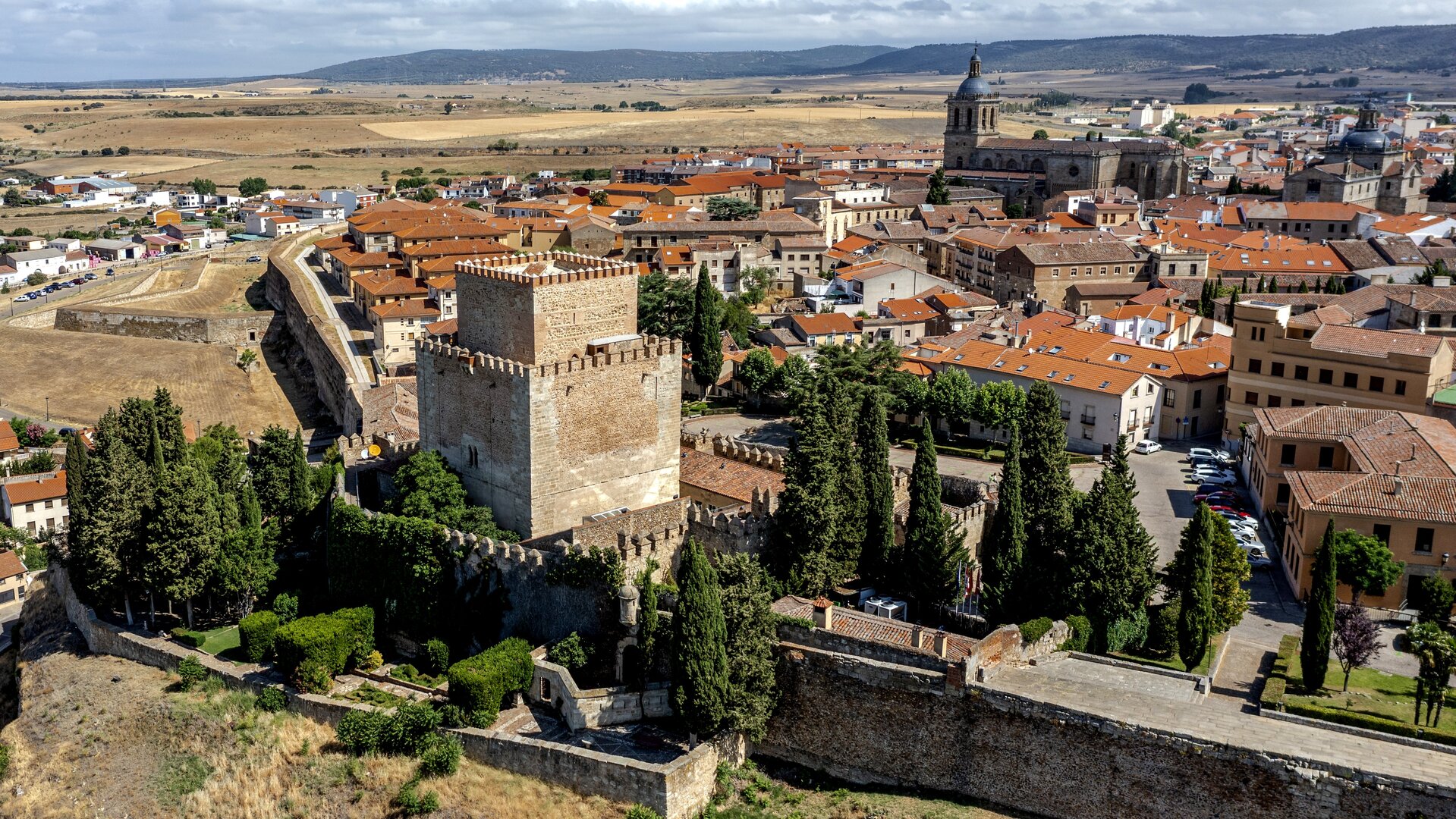
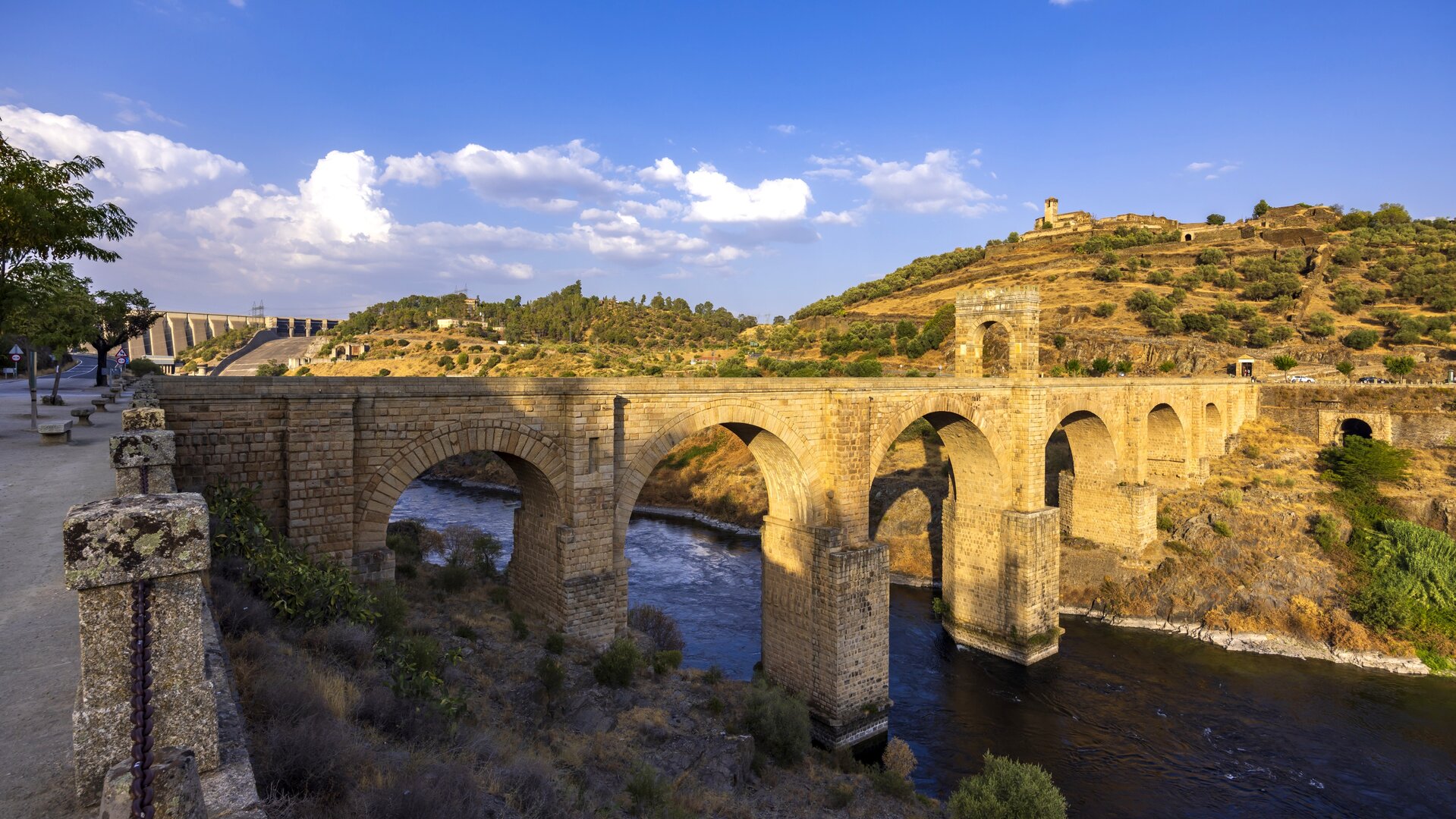
The towns and cities of the Raya region are a reflection of its long and convulsive history. Countless walls, fortresses and Roman bridges bear witness to the particularities of the borderland’s military legacy.
Along the northern stretch of the Raya, both the impressive Tui Cathedral in the province of Pontevedra and the walled fortress of Valença across the border, offer spectacular views of the Miño River. The castles of Verín in the province of Ourense and Chaves, its counterpart on the Portuguese side, both compete with the magnificent Braganza Castle for most awe-inspiring sight.
In the central Raya region lies the walled city of Ciudad Rodrigo in the province of Salamanca and the no less impressive star-shaped Almeida fortress in Portugal. Further south in the region of Extremadura, the villages of Valverde del Fresno, where the Fala dialect is still spoken, and Olivenza, home to a spectacular fortress, maintain a fierce rivalry with their Portuguese neighbours, who can boast of the picturesque medieval village of Marvão and the historic old town centre of Elvas, itself a World Heritage Site.
A natural frontier besides
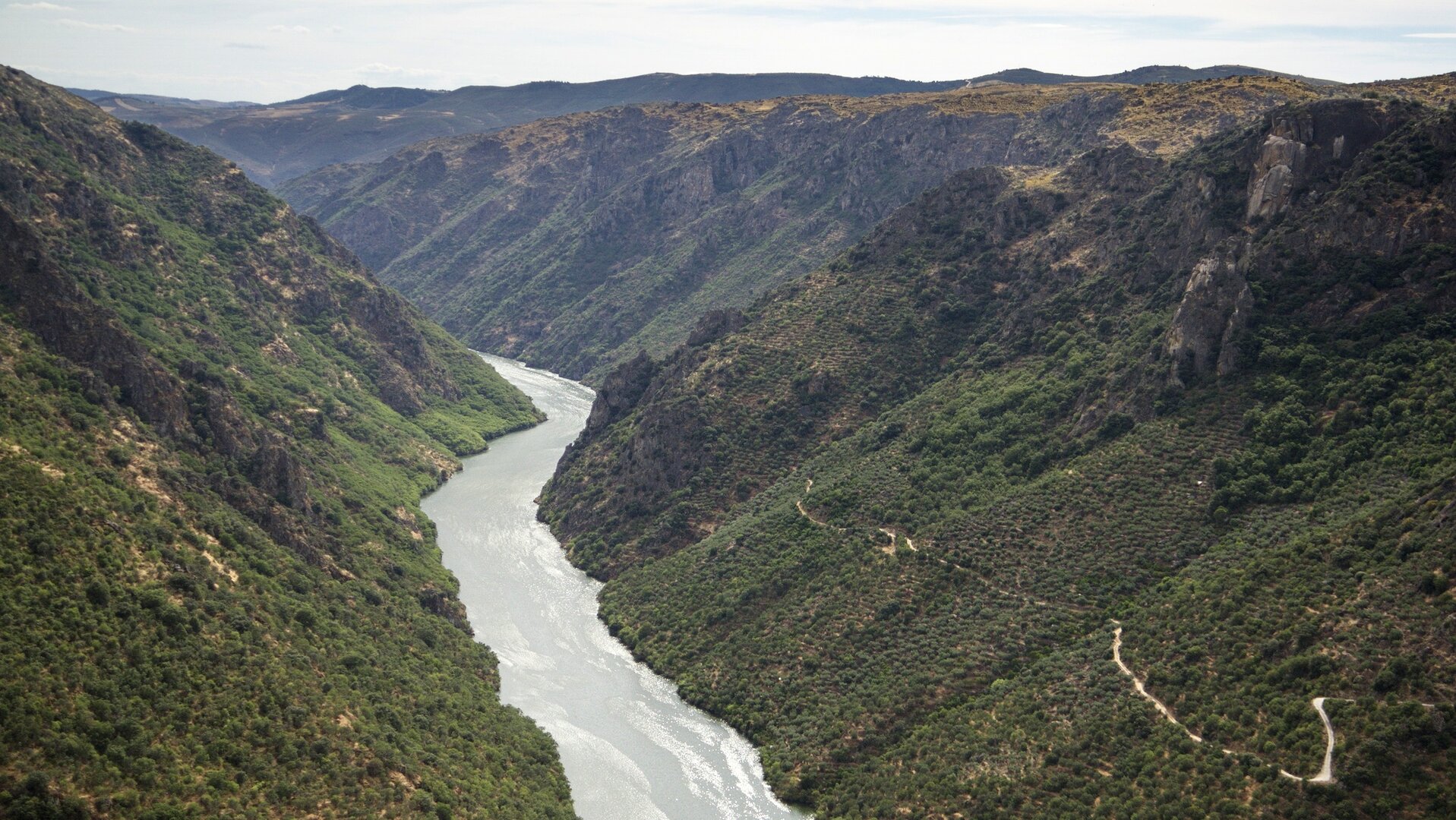
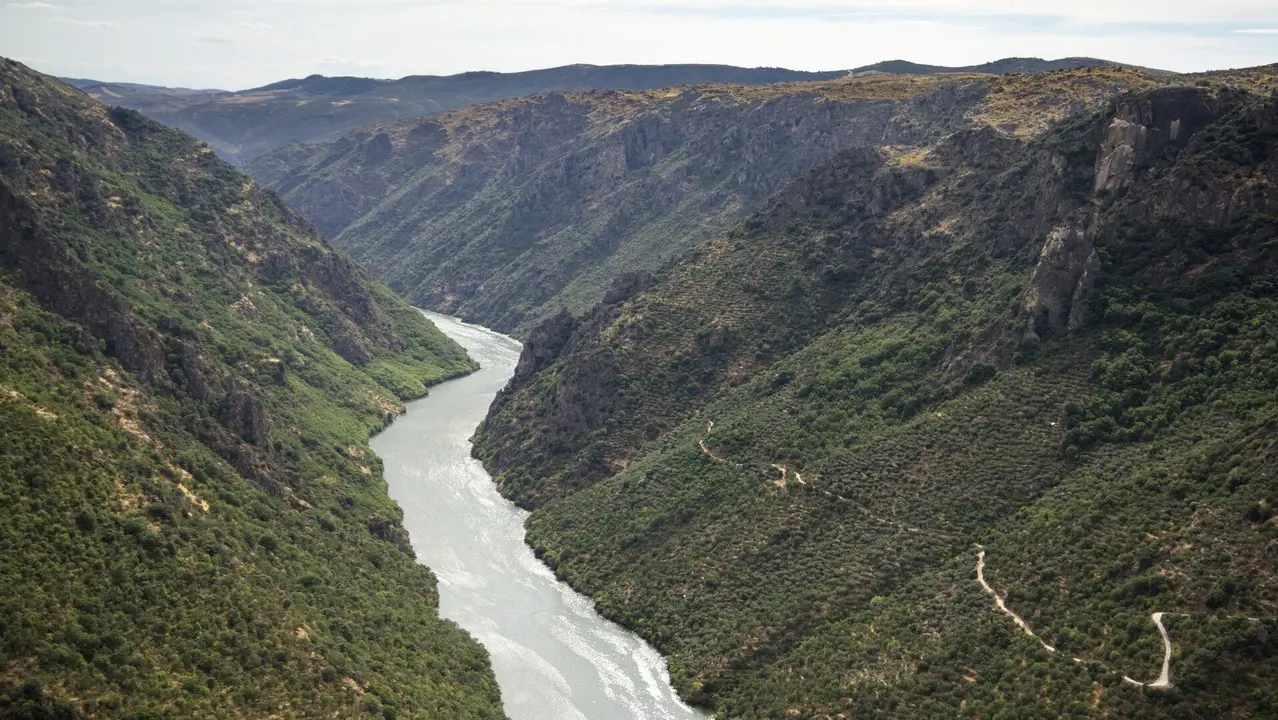
An ideal destination for nature enthusiasts, the Raya is full of mountainous terrain, valleys and rivers blurring the frontier between the two countries. Numerous outstanding natural parks populate an area where the Duero, Tajo and Guadiana rivers and its tributaries all run.
Noteworthy sites include Arribes del Duero Natural Park, containing Spain’s most extensive stretch of canyons and the Tajo International Natural Park, a Unesco Bioshere Reserve and home to one of Europe’s most important magalithic complexes.
You can also read this article in Spanish and French.
Follow us on Facebook to discover more fascinating places in Spain!