
It looks like Italy, but it’s in Spain: the ‘Spanish Sardinia’ with over 10 km of coastline
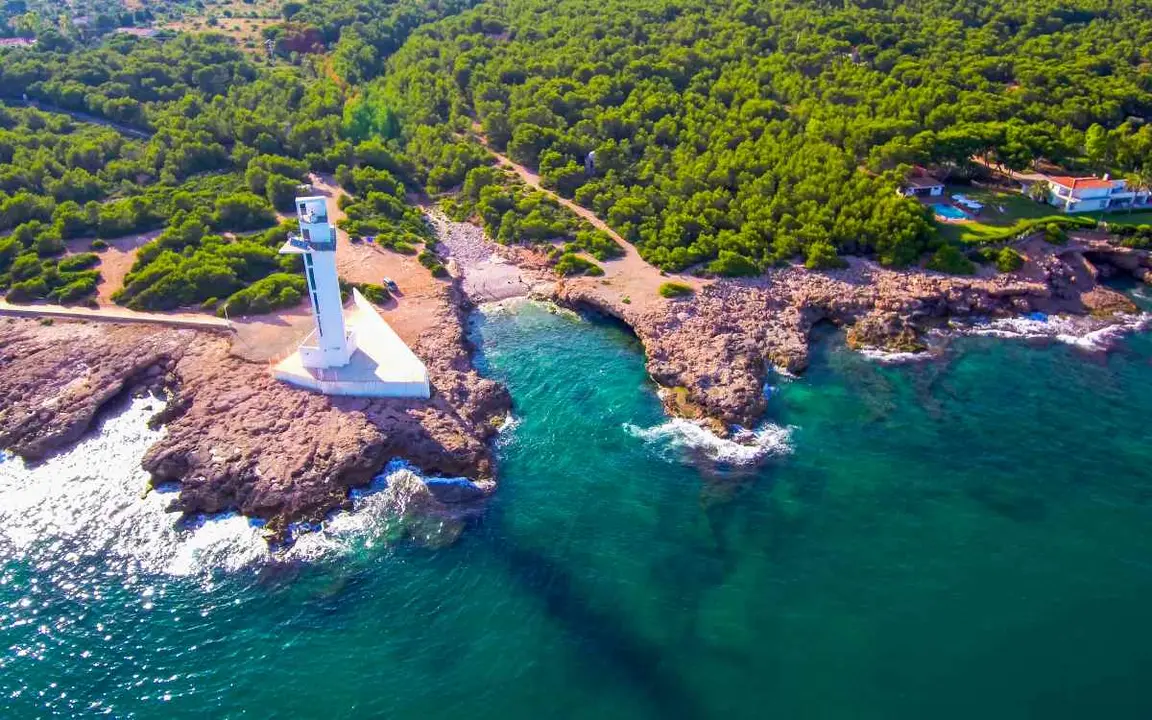
Those who visit Sardinia do it in search of dreamy beaches, breathtaking landscapes, and centuries of Mediterranean history. But this Spanish corner has everything the Italian coast does, or even more! This is why it has earned the name ‘Spanish Sardinia’. Let’s take a deeper look at it.

The infinite charms of the ‘Spanish Sardinia’
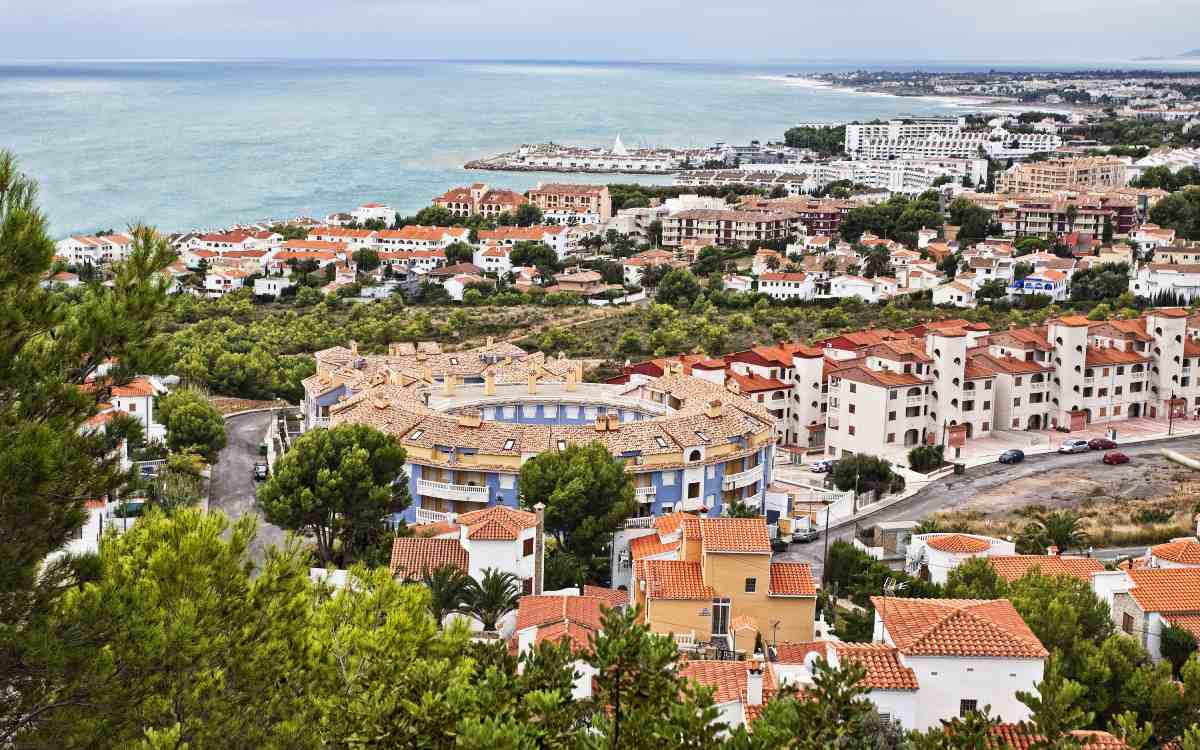
Sardinia’s rival is a small coastal village in Castellón. The popularity of the idyllic destination of Alcossebre increases every year, and there are many reasons behind its fame. Sitting in a privileged area on the coast, Alcossebre belongs to the municipality of Alcalà de Xivert, which covers part of the Serra d’Irta and extends to the Maestrat.
Kilometres of sand and waves
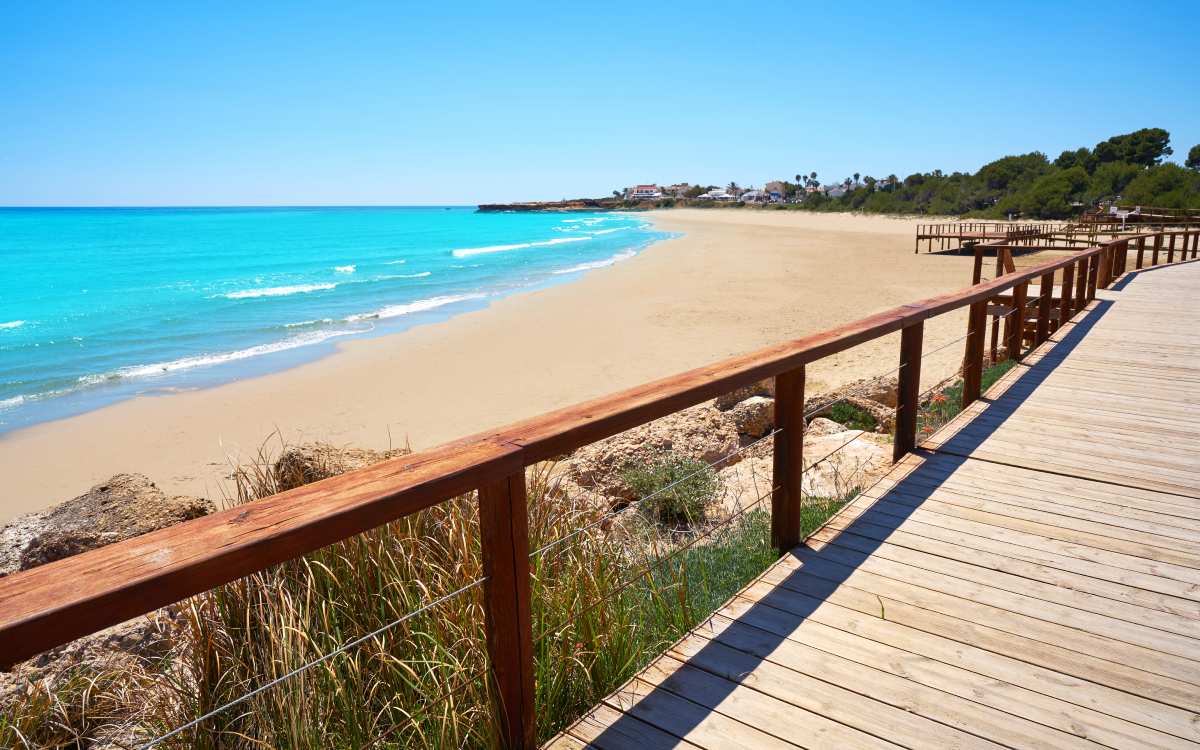
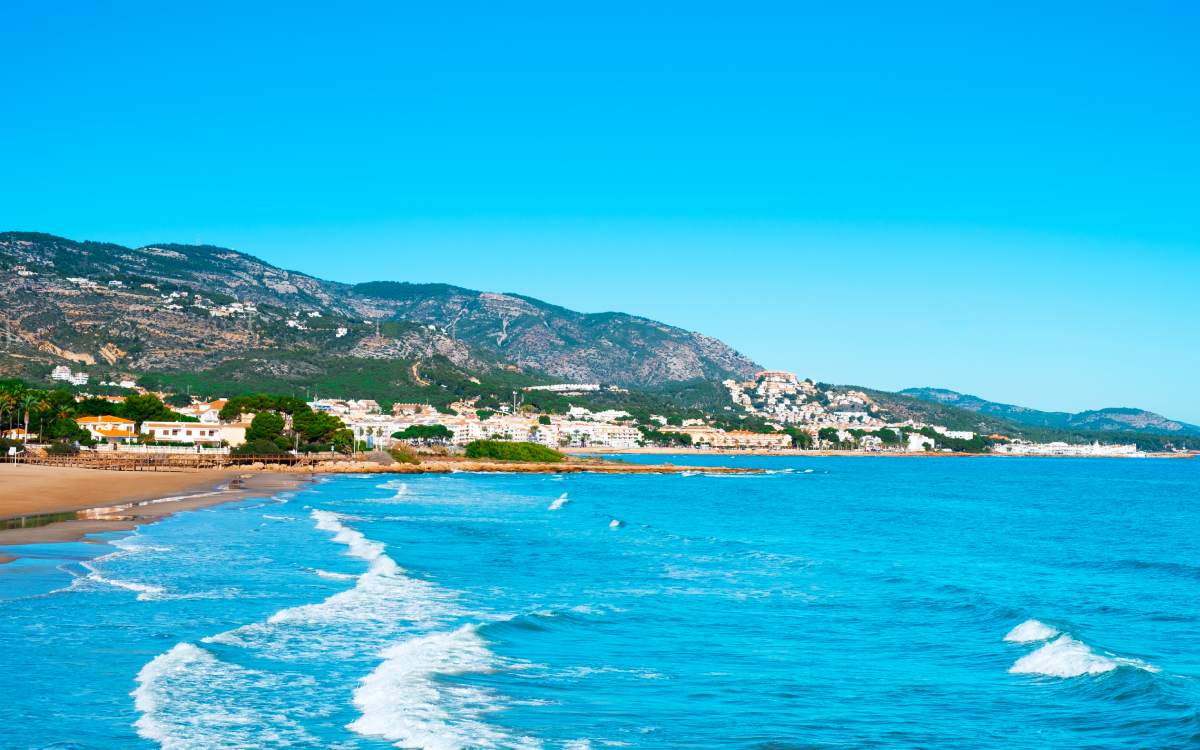
This municipality enjoys more than 10 kilometres of wonderful coastline, with large beaches and hidden coves scattered throughout. Some of the most popular beaches are Las Fuentes and its fresh water springs, the Romana Beach, which belongs to a priceless dune system, and the wide Carregador Beach, where the sailing club is located. The Serradal Beach is the wildest one, an extension of rounded edges that includes a small river delta and a pet-friendly area.
Many lovely virgin coastal areas await between the coves, such as Blanca Cove and two others that belong to the Sierra de Irta Natural Park, Mundina Cove and Ribamar Cove. Access is not an easy task, but relaxing at these tiny natural beaches among rocks and waves is completely worth it.
Nature by the sea
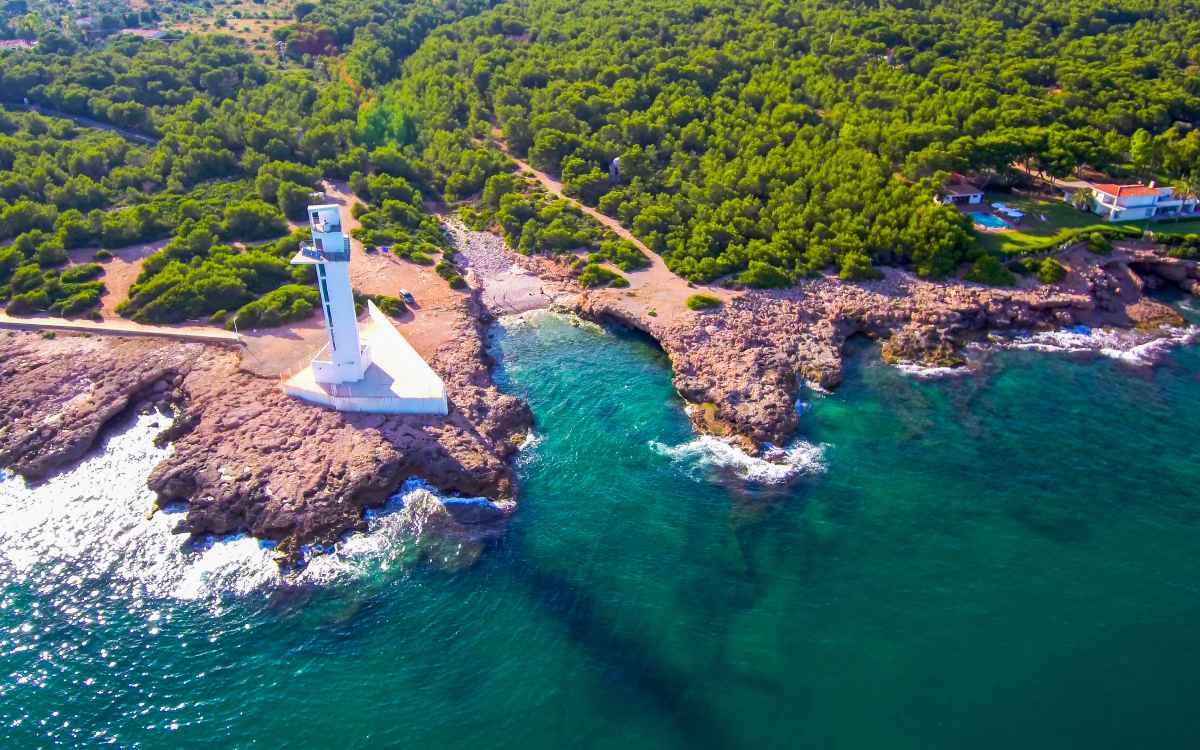
The Sierra de Irta, which covers a great extension of the territory, is the last greenfield on the Spanish Levante, so it has a great ecological value. Pine and palm trees intertwine with rosemary and fennel in a landscape shaped by limestone. Rocks rise to heart-stopping cliffs and descend into gorgeous coves all the way from Alcossebre to Peñíscola, creating a unique area in the Valencian Community.
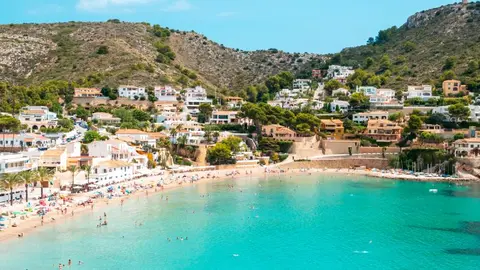
The Islas Columbretes Natural Park is another must-see in the area, a tiny volcanic archipelago that is also a marine reserve. The Columbretes Islands are a paradise for birds and for every diver, thanks to their lively and colourful seabed.
There are many things to do to enjoy these wilderness areas. The many available hiking routes and water sports are great ways to do it, but it is also possible to explore them through bicycle touring. If you prefer to do it by foot, the paths that lead to the depths of the mountain are a good option. The smell of salt and aromatic herbs surrounds visitors while they discover the remains of the rich local history.
The ‘Spanish Sardinia’ and its rich cultural heritage
Being located in the historical area of Bajo Maestrazgo, the ‘Spanish Sardinia’ had to be filled with historical and cultural treasures. Both Alcossebre and Alcalà de Xivert offer surprising samples of the diverse civilisations that have inhabited this exceptional region.
Many antique remains have been found in the area, such as an Egyptian scarab, Phoenician and Greek ceramics, and many other Iberian and Roman pieces. But there are also fascinating monuments like the Xivert Castle. Sitting on top of what used to be a passage between Valencia and Barcelona, the fortress was once an important Arab bastion that passed on to Templar hands.
The most significant monuments sit in Alcalà, such as its church, which has one of the largest bell towers in the area, and the Capilla de la Virgen de los Desamparados, both of them built in the 18th century. But many other gems await here, such as the old coastal observation towers that were once necessary due to the frequent pirate incursions or the beautiful hermitages scattered throughout the municipality.
A year full of festivities and delicacies
The infinite local festivities of lively atmosphere and delicious flavours should not be ignored, both those of Alcossebre and those of Alcalà de Xivert. Alcossebre patronal festivities take place in September, but there is always something to do in this area, including the celebrations of Sant Antoni Abad in January and Santa Lucía and Christmas in the last month of the year.
The spring festivities are the most popular ones, such as the Fiesta dels Fadrins or the Fiesta de la Mare de Déu dels Desamparats and their colourful regional clothes. But there are many other important events, the tomata de penjar being one of them.
Besides these tasty tomata de penjar, or hanging tomatoes, the local gastronomy is also composed of artichokes, almonds, and oil. And let’s not forget about Alcossebre’s fish and seafood, which allow visitors to travel through the Mediterranean flavours.
You can also read this article in Spanish.
Follow us on Facebook to discover more fascinating places in Spain!