
Spain’s longest beach: 28 km of sand within Andalusia’s spectacular nature park
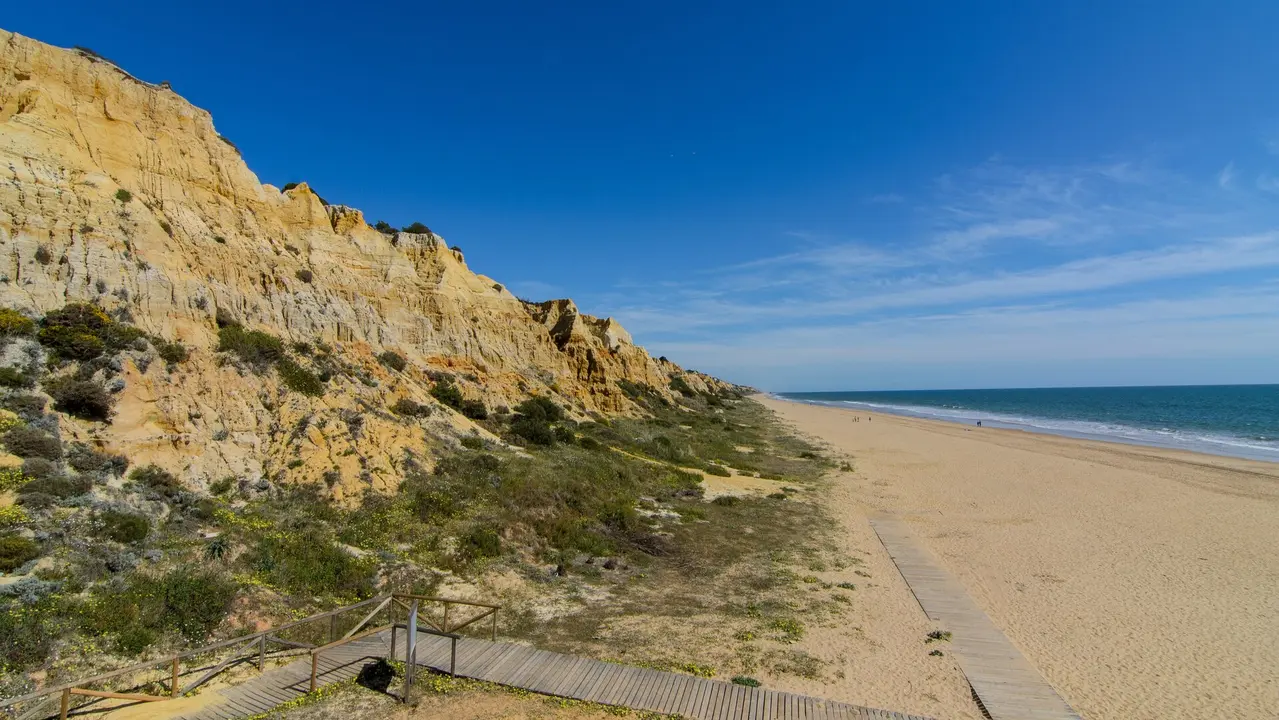
The longest beach in Spain is not located on any of its islands, along the Mediterranean coast nor in Galicia. In fact, it is found on the Andalusian Atlantic coast.

Located in a protected zone amid the Doñana National Park, the beach’s 28 kilometres of fine white sand and surrounding dunes, marshes and pine trees are a natural treasure of wild beauty. An unsullied beach with limited access, this form of sustainable tourism will delight anyone fascinated by mother nature in its purest state.
An extraordinary environment of biodiversity
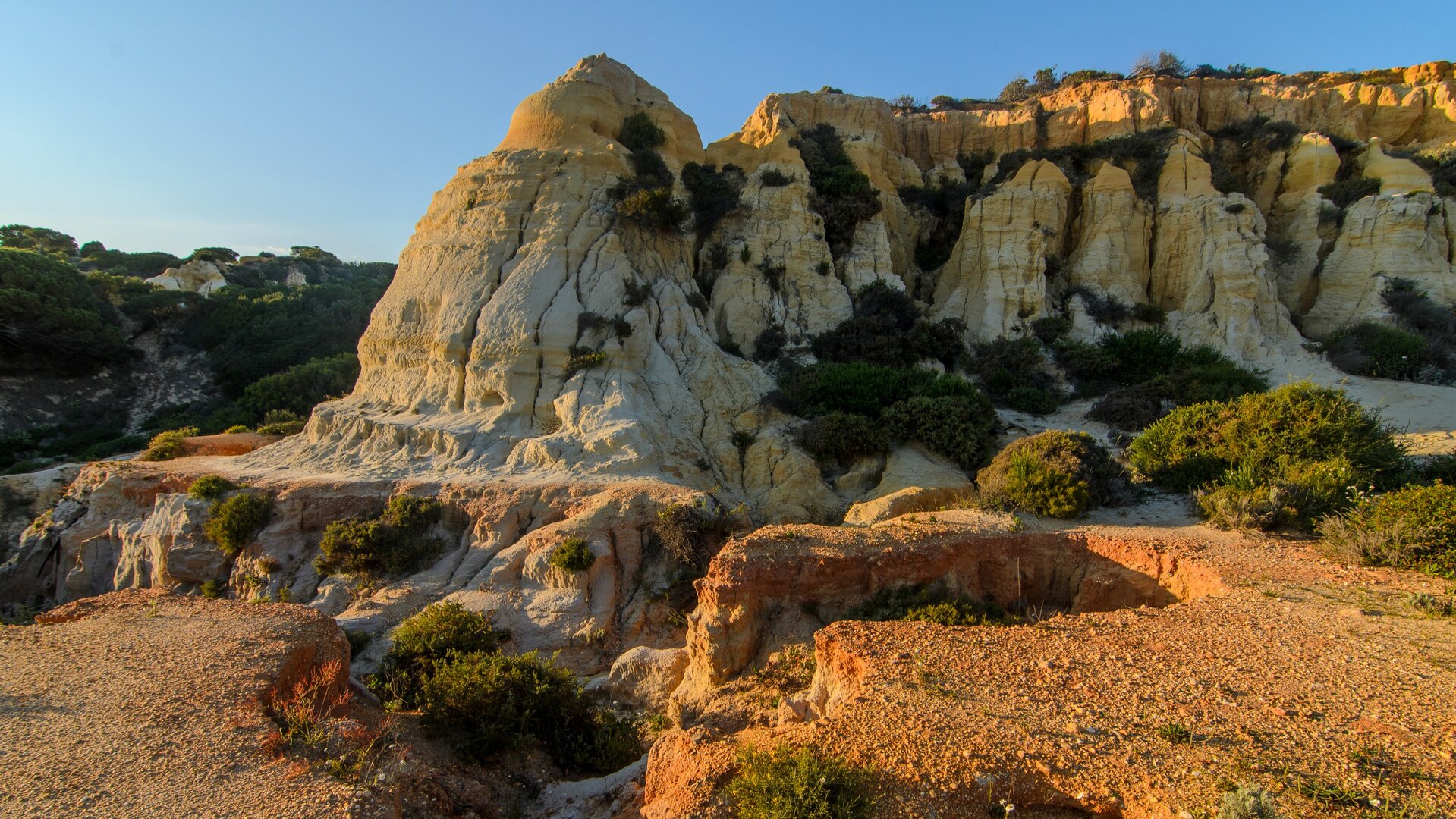
With nearly 8000 kilometres of coastline, Spain is a country of sandy shores where seaside tourism constitutes the main reason why millions of visitors choose it every year as their holiday destination.
Indeed, the construction of tourism infrastructure, while adding comfort, has in many cases detracted from the exceptional coastal beauty and the purity of its beaches.
Fortunately, there still remain vast stretches of fine sand beaches and pristine waters, where human activity has not left its mark. Spain’s longest beach at Doñana, in Almonte (province of Huelva), is one such exceptional spot.
Doñana’s inhabitants
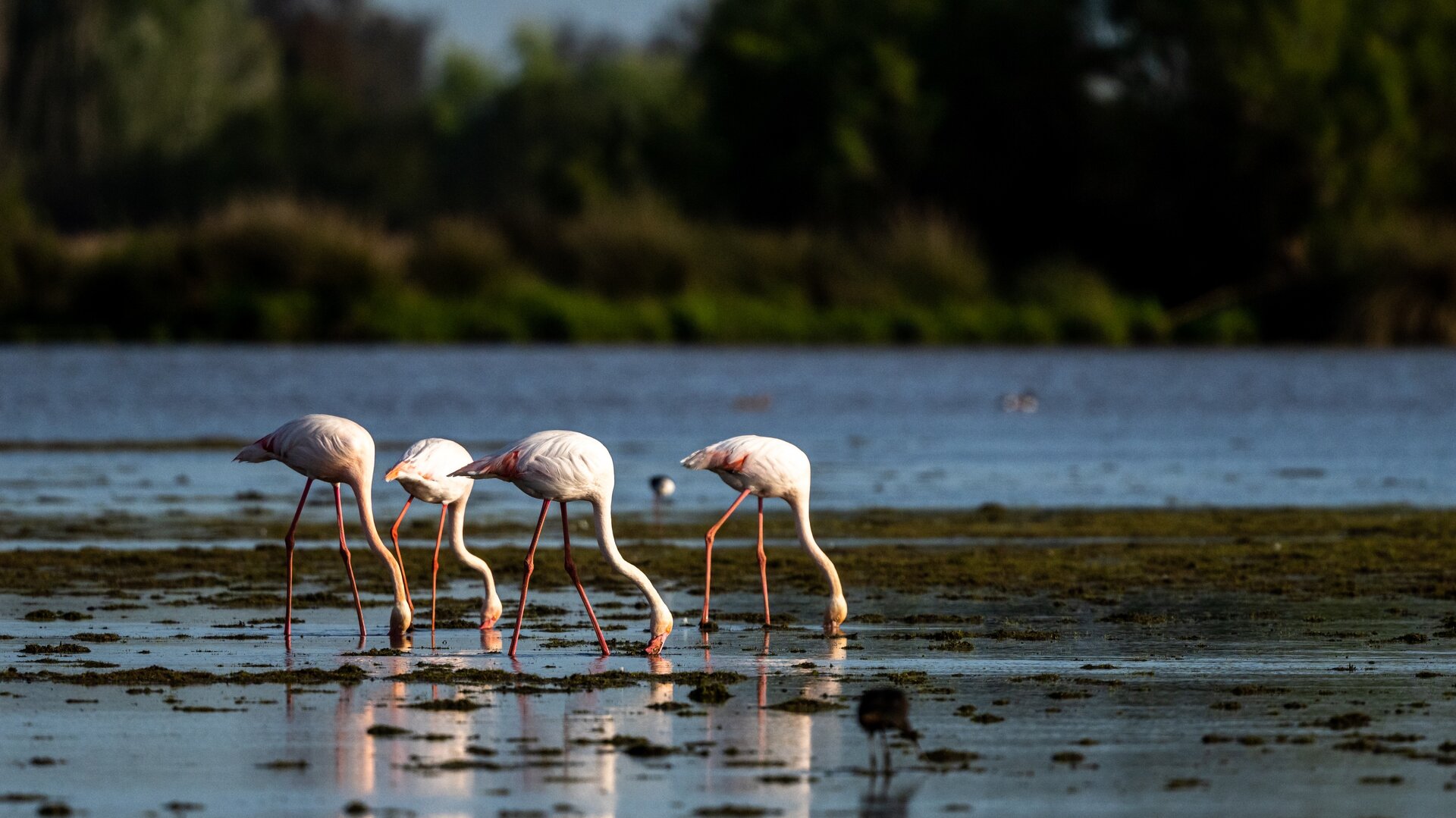
Designated a Biosphere Reserve by Unesco in 1980, Doñana National Park has immeasurable ecological value. Its diverse and rich ecosystems are a refuge for a multitude of marine life, especially for both indigenous and migratory waterfowl.
The most emblematic species flying around the Doñana Park are the Iberian imperial eagle and the pink flamingo, the two indisputable stars of any iconic image taken of these wetlands. A special mention goes to the Iberian lynx, as this nature park is crucial in the struggle to conserve this particular species.
Symbol of Andalusian faith and culture
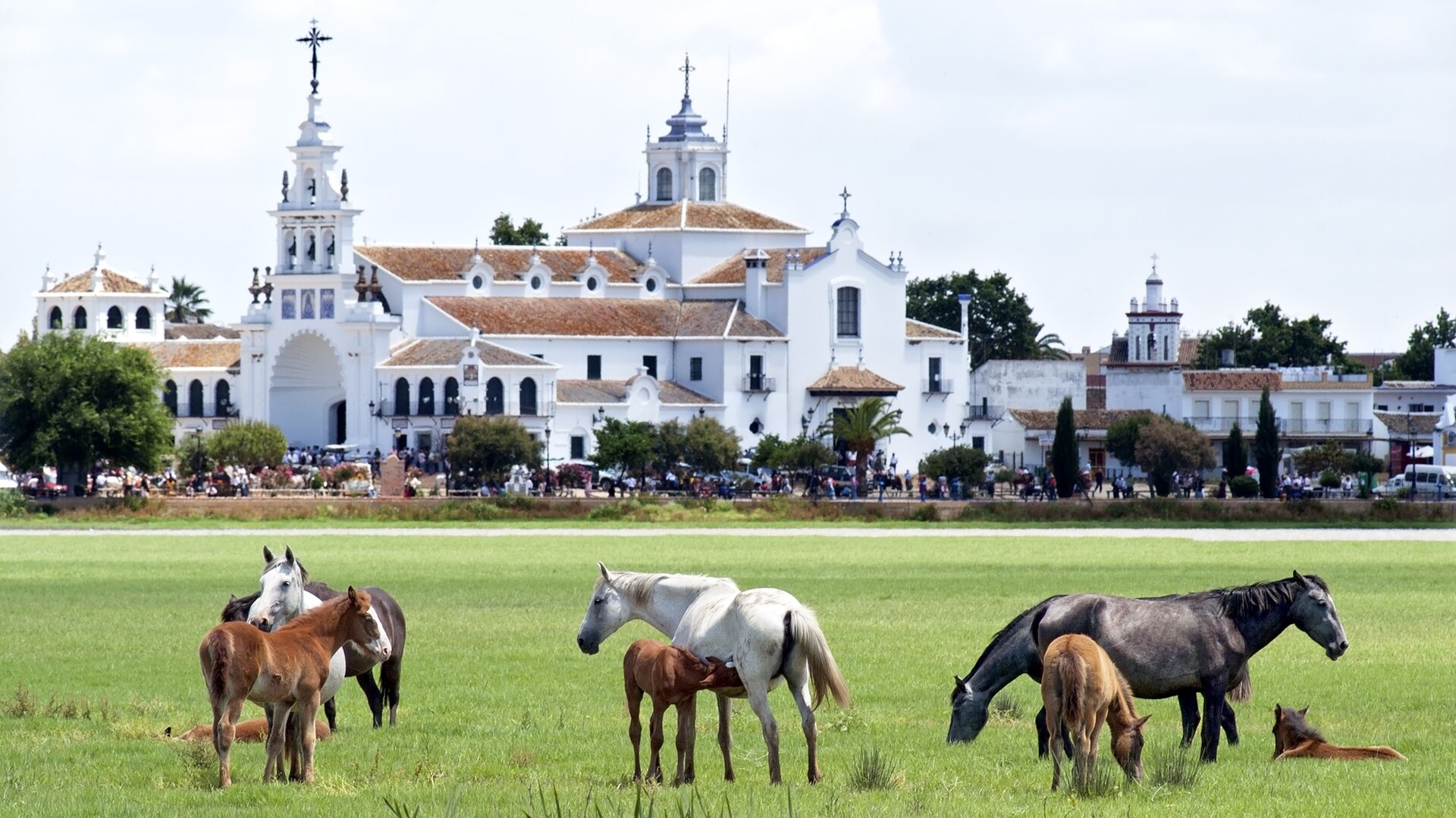
Apart from being one of the principal natural treasures of Andalusia, Doñana is also home to one of the most well-known and picturesque religious pilgrimages in the country, the Romería del Rocío. Every year, horse and oxen-drawn carriages from all over the region and indeed the country flock to this place, crossing the Guadalquivir River by barge in order to reach Doñana Beach.
From there, the pilgrims traverse the nature park until reaching the village of El Rocío, where people express their devotion to the Virgin Mary. Doñana plays a leading role in this outpouring of faith and culture, which runs through the veins of so many Andalusians. Without Doñana, there would be no El Rocío.
Doñana’s villages and their secrets
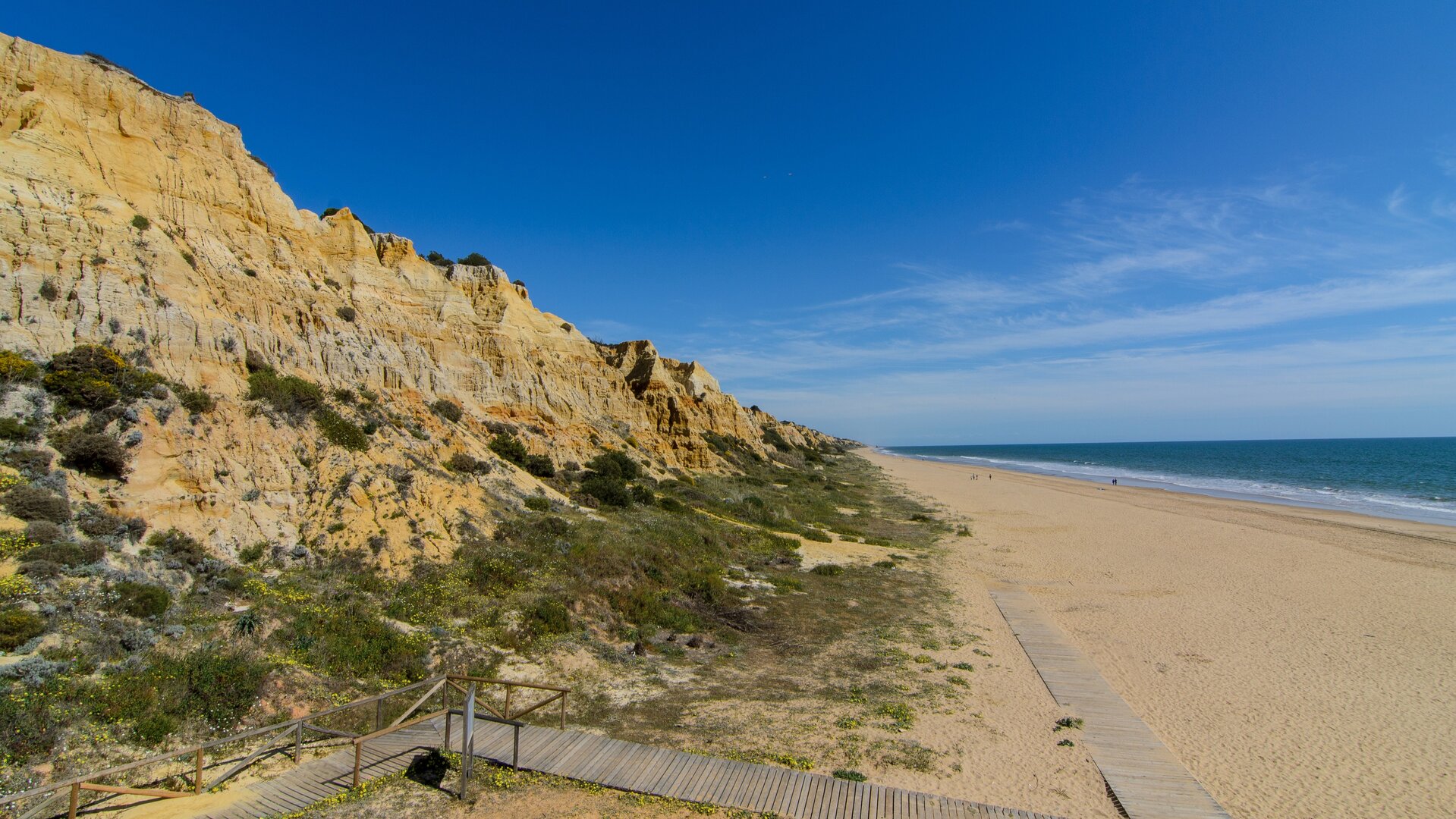
If the wetlands, the fauna or the vast virgin beaches of Doñana are not incentive enough to visit this area, the nature park’s surrounding region includes plenty of charming villages and spectacular cuisine.
At Almonte, in the province of Huelva, travellers can embark on a fascinating Columbine route. It travels to Moguer, the hometown of the well-known writer Juan Ramón Jiménez and most of the crew members aboard Columbus’ expeditions, as well as to the place where those ships set sail for the Americas, at Palos de la Frontera.
No visit would be complete without setting foot in the province of Cádiz, especially at Sanlúcar de Barrameda, where the world’s finest prawns will add the final touch to an indelible experience.
You can also read this article in Spanish.