
The 7 wonders of Lloret de Mar, the gem of the Costa Brava
The town of Lloret de Mar along Spain’s Costa Brava is a popular destination for its beaches, but many other attractions make this town especially unique.
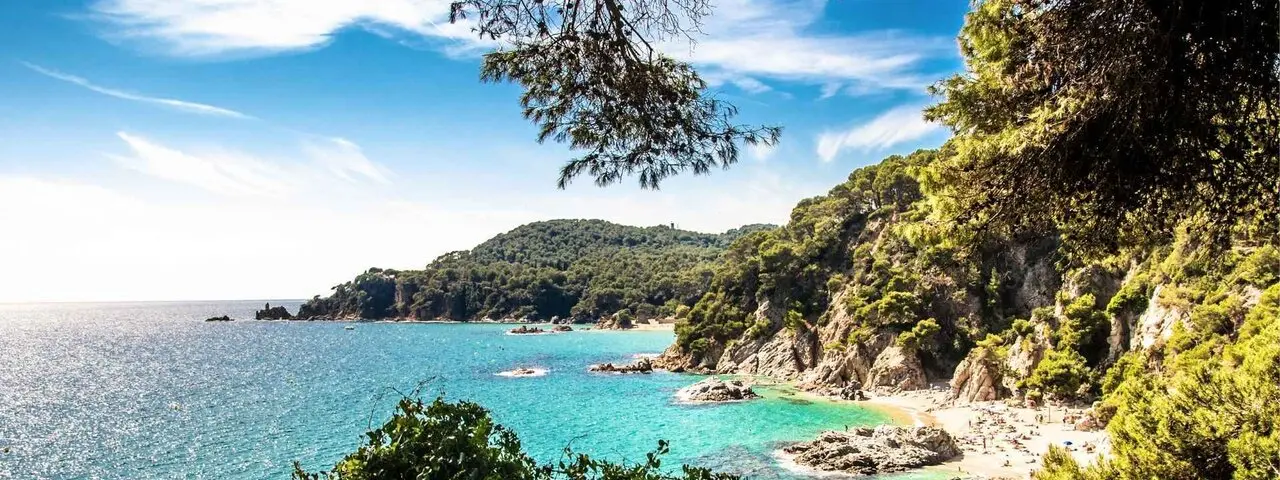
The town of Lloret de Mar along Spain’s Costa Brava is a popular destination for its beaches, but many other attractions make this town especially unique.
Lloret de Mar presents a scene of Mediterranean waves lapping golden sand beaches and tucked away coves along the shores of the Costa Brava. Though famous for its sun and sand, Lloret de Mar also confers cultural and historical heritage as well as captivating landscapes. Few towns offer as much as Lloret de Mar, which is reason enough to check out the seven principal marvels found in this wonder of Girona.

The essentials of Lloret de Mar, the splendour of the Costa Brava
Sant Romà Church: where two worlds meet
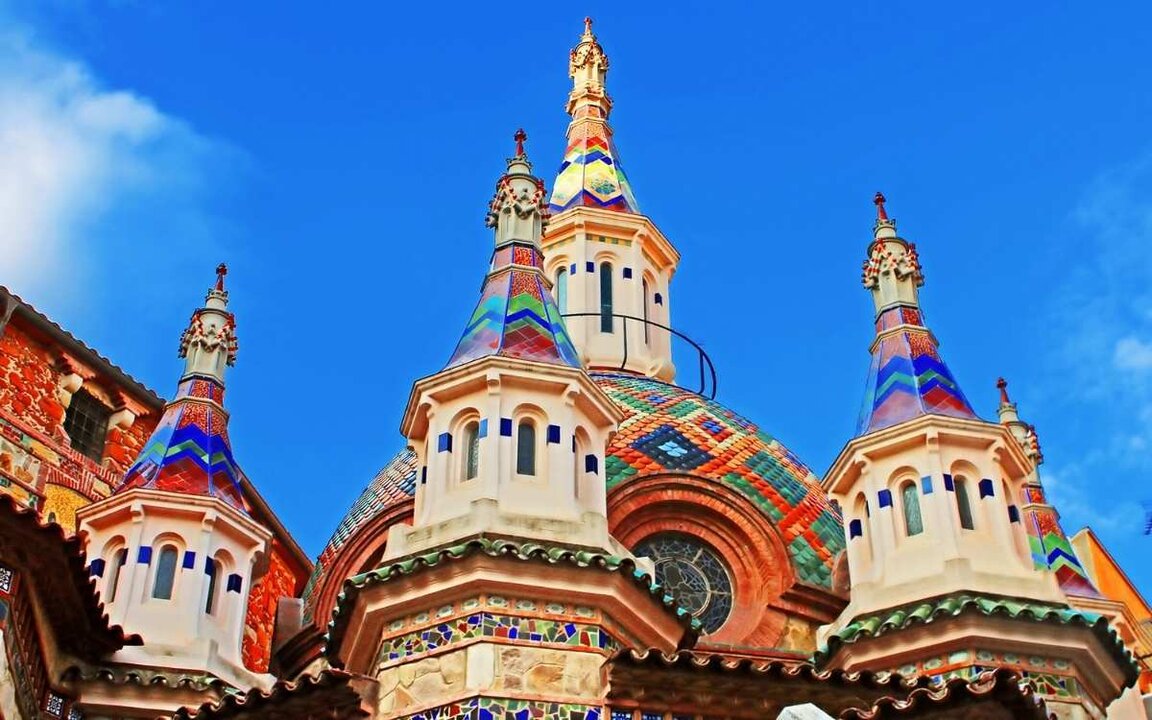
Strolling through Lloret de Mar's town centre, it is impossible not to stop and visit this one-of-a-kind church. Despite its aged appearance, the assortment of colour found on the building’s sides and quirky cupolas is what breaks the mould here. In fact, Sant Romà Church is both Gothic and Modernist.
This sixteenth-century church presents a stark late Gothic-style and was dedicated to the local patron saint. Today, two additional side chapels and an abundance of colour are the result of spectacular refurbishment works undertaken in the early twentieth century. The church’s renovation was commissioned by wealthy repatriated emigrants from America who sought something dazzling for their village church, a feat they certainly accomplished.
The gardens of Santa Clotilde, a love story
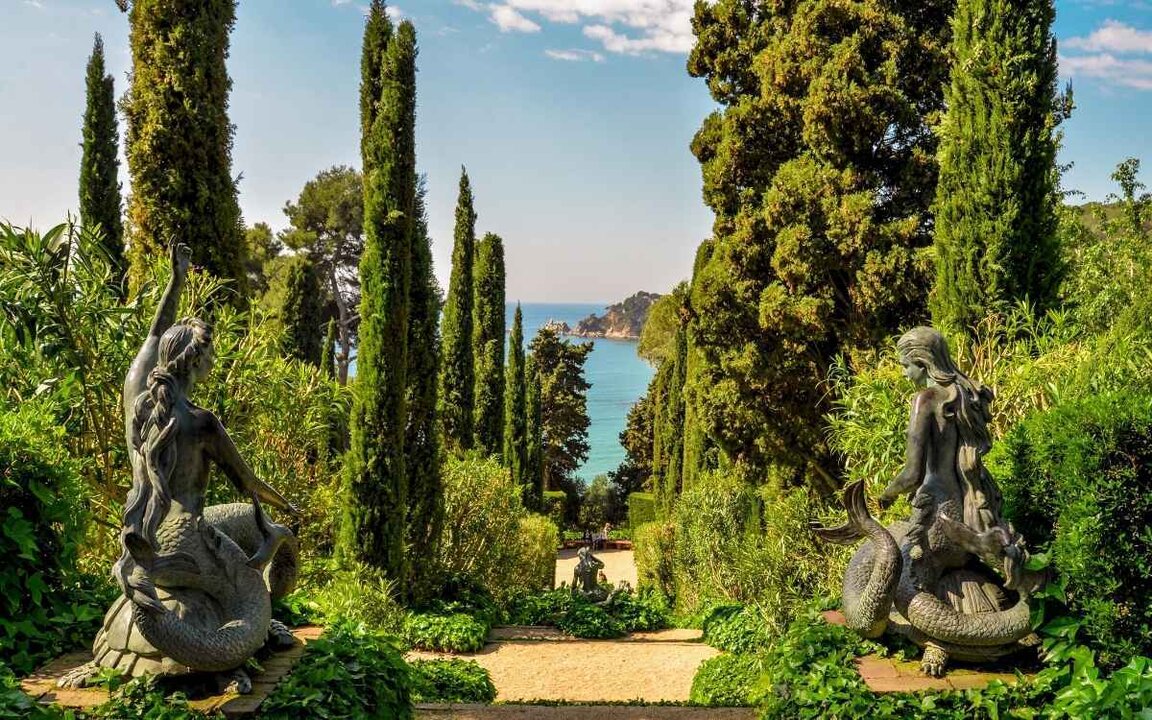
Vineyards covered this area located upon a cliff when Clotilde Rocamora arrived to Lloret de Mar in 1917 with her husband, the marquis of Roviralta. Roviralta, an enthusiast of Italian Renaissance gardens, sought to honour his wife by buying the land and commissioning a young architect named Nicolau Rubió i Tudurí to create these fantastical gardens. Inspired by the Novencentismo movement of the early twentieth century when Catalonian artists looked for inspiration in the aesthetic ideals of classical Greece, the gardens would not be completed until the end of the Spanish Civil War.
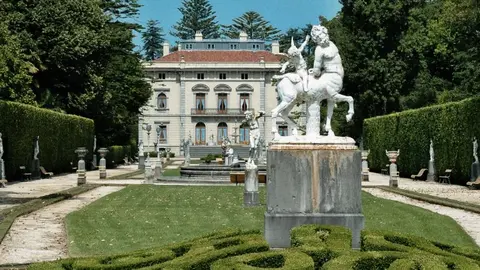
Today, Santa Clotilde is an idyllic space to escape the outside world and soak up the beauty that blooms all around, including magnificent views overlooking the sea, the Greco-Roman sculptures populating the gardens, and the fragrances of cypress, pine and lime trees.
Castell d’en Plaja, hallmark of Lloret de Mar
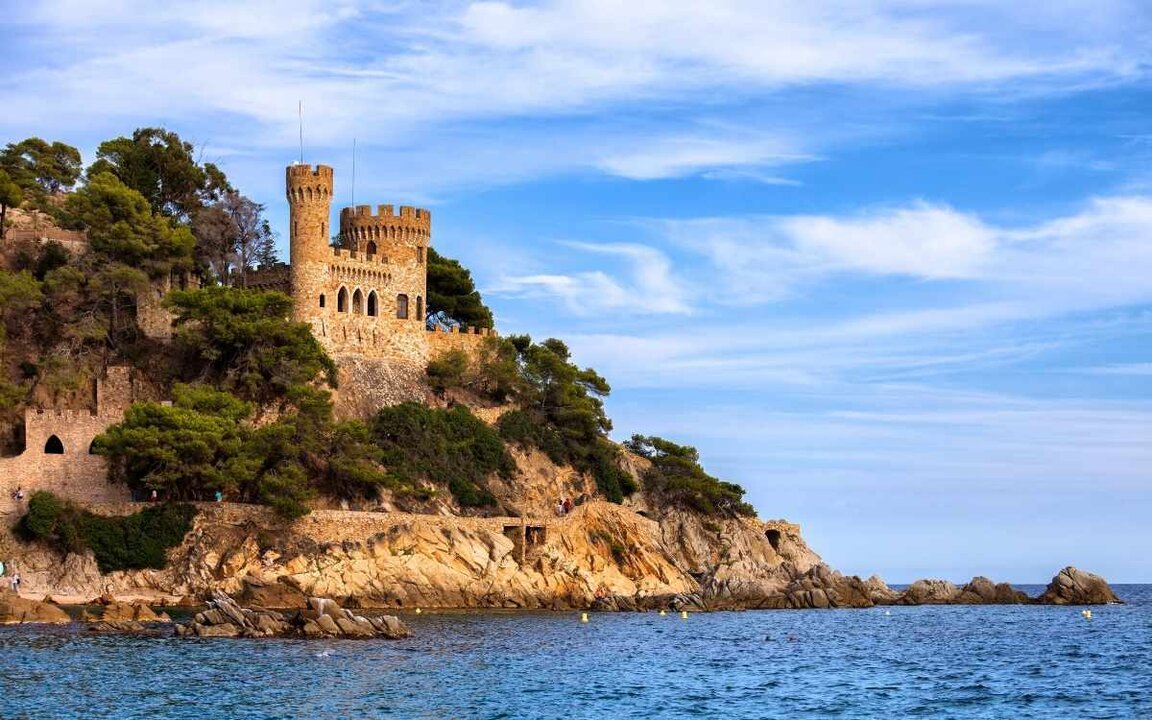
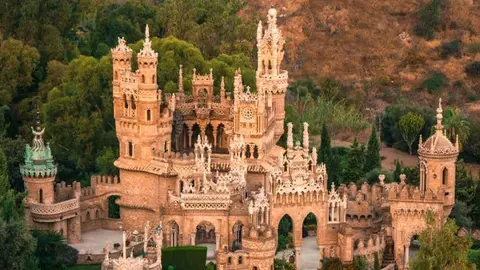
The sight of Lloret de Mar’s beach and much of the municipality is closely intertwined with the eccentric castle perched upon a hill. Castell d’en Plaja’s evocative battlements and time-forgotten arches dominate the view along this stretch of the coast. Indeed, the castle has come to be emblematic of the town.
Despite its Gothic bearing, Castell d’en Plaja is actually less than a century old, having been commissioned in the 1930s by a biscuit maker as a token to the company’s prosperity. Though construction was controversial in its day, it has since become another embellishment of the landscape and a hallmark of Lloret de Mar.
The salty kiss of the Mediterranean coast
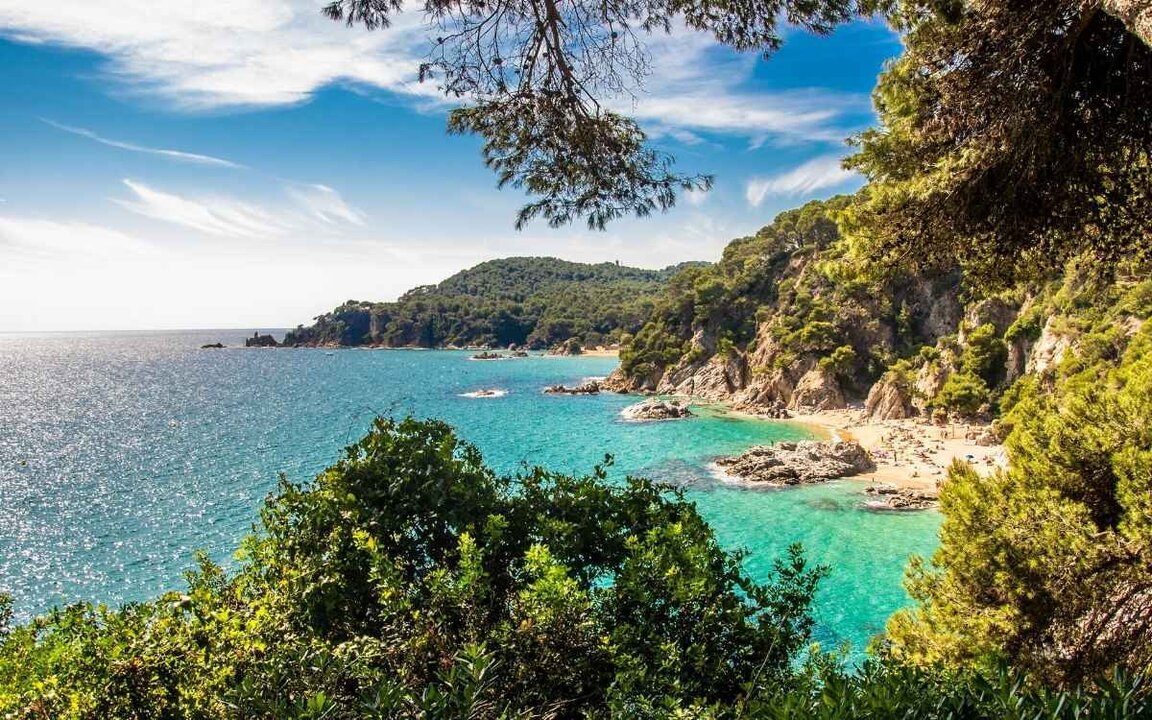
The naturally beautiful Costa Brava adjacent to Lloret de Mar offers a series of breathtaking beaches to enjoy. Places like Fenals Beach, with the old Sant Joan Castle still standing guard, or the famous golden sands of the beach located in the town centre and the charming tree-covered hills encircling it. A walk along the nearby trails to discover what lies beyond is an experience not to be missed.
Short treks lead to dream spots like the cove of Sa Boadella, with its distinct boulder dividing the beach into two, and the idyllic setting of Canyelles Beach. Numerous coves bring together the magic of stone, forest and sea to offer a sunny paradise and utter tranquillity.
The solemn beauty of the cemetery
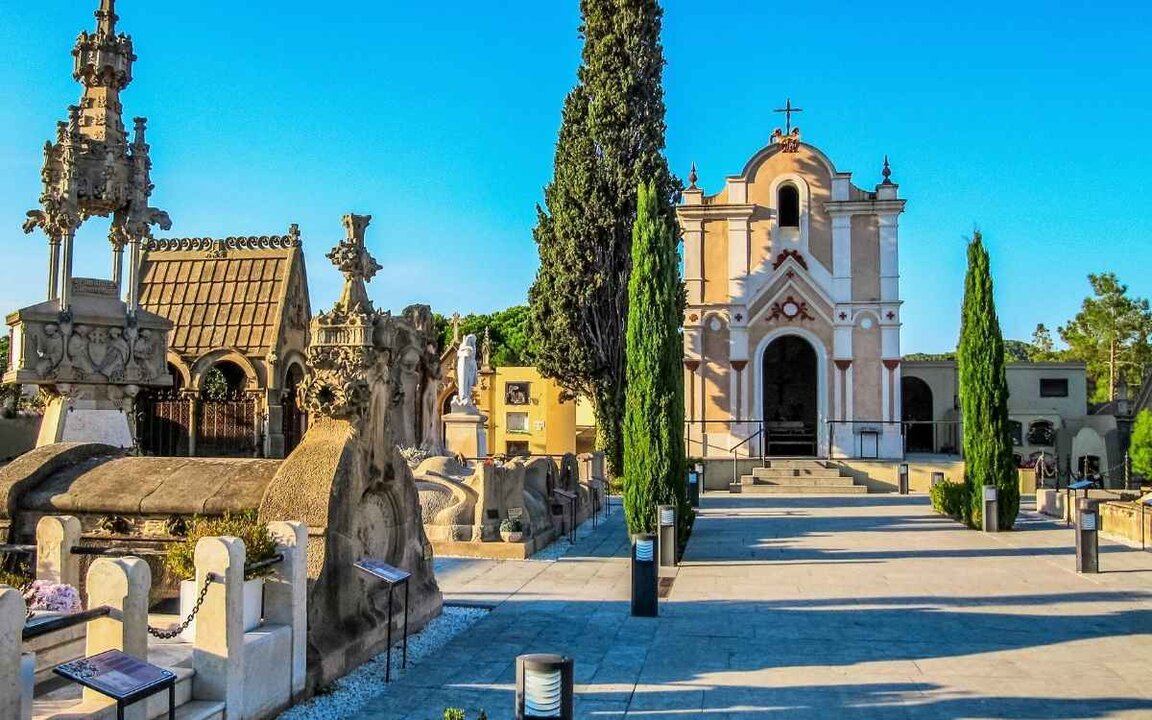
The cemetery at Lloret de Mar, like other places along the Catalonian coast, is one of those places where the influence of those who had returned from America with newfound wealth can truly be appreciated. Wishing for a lasting legacy in their home town, some of these so-called indianos commissioned the best artists of the Modernist era to construct grandiose mausoleums and underground vaults.
Walking around this hallowed site, some of the best examples of Modernist funerary sculpture are to be found in addition to gorgeous Neo-Gothic sepulchres, some of which were designed by such renowned architects as Puig i Cadafalch. The pervading silence along the graveyard’s avenues and the sea breeze caressing the opulent tombs summon a moment of quiet contemplation.
The sylvan surprise of Pere del Bosc Sanctuary
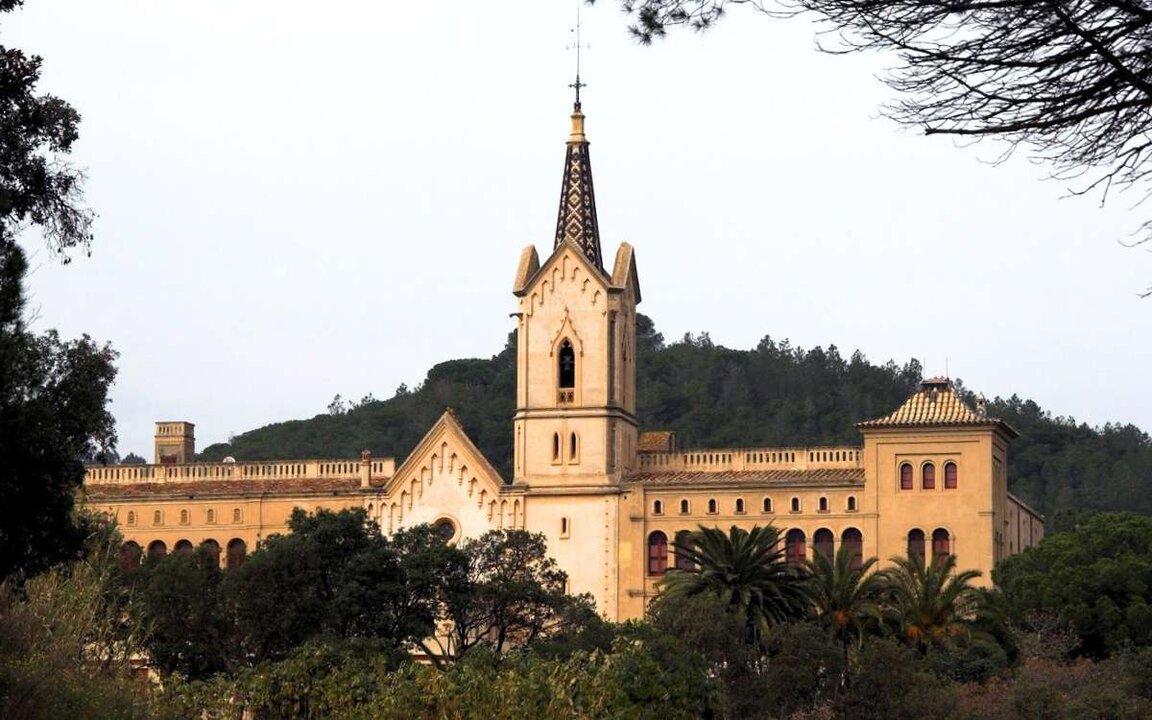
The entire shoreline of Lloret de Mar consists of a succession of picturesque spots, but hiking inland also leads to some real gems. In the middle of the Serra de Marina mountain range, surrounded by lush forest, sits a large edifice seemingly plucked from an old English novel. Monumental and isolated, its Neo-Gothic contours reaching skyward transform the Sant Pere del Bosc Sanctuary into much more than a church.

Historical records dating from medieval times reveal that the complex and the spacious portico surrounding the church have served as a Benedictine abbey, private residence and sanctuary. The sanctuary, with its pointed arches and the bell tower’s graceful pinnacle, imbues the entire area of the town with its charm.
An illustrious tour of Indiano homes
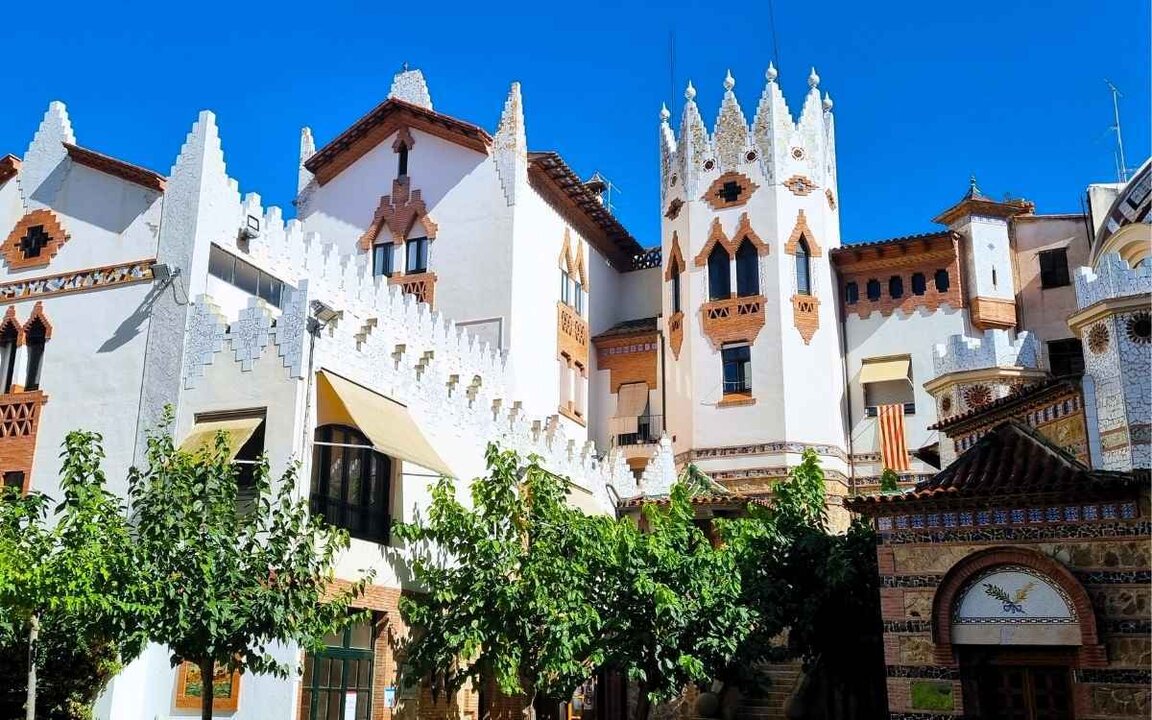
In addition to the parish church and the cemetery, traces of those who had made their fortunes in America are present in the eye-catching homes constructed upon their return. These mansions principally sit along the Verdaguer promenade and are remarkable for their hitherto unseen application of colour and architectural distinction.
Examples of a colonial aesthetic fused with Modernist styles can be appreciated in such notable homes as Casa Garriga, the current Museo del Mar, Casa de Nicolau Font and the striking Casitas del Ángel. The array of hues and fanciful constructions bestow upon Lloret de Mar a simultaneously stately yet whimsical character.