
Spain weather by month and by location
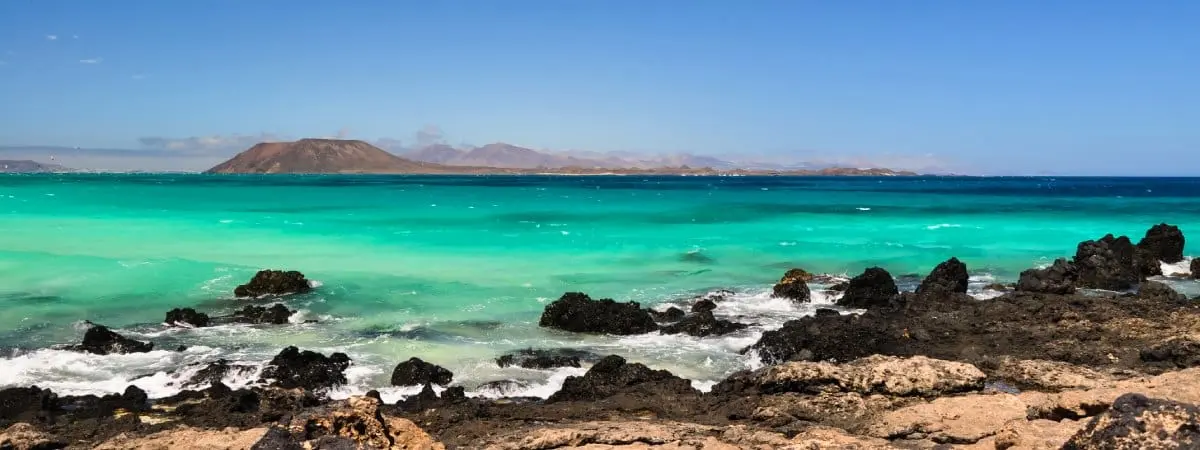
Spain’s climate is among the main reasons why people choose this destination to spend their holidays. The country has a reputation for being sunny and warm, the perfect complement to its lively people. But Spain is incredibly diverse, and its weather is no exception! So let’s dive deeper into it. What is the weather like in Spain?

Spain weather by month
Although Spain’s weather differs depending on the area, we should note some general facts. In most locations, the months of March, April, and May are usually warm, only outranked by the flowering spectacle.
With the arrival of the summer, which encompasses June, July, and August, temperatures rise and days last longer. Most people decide to escape the usual heat of central Spain by travelling to the beach.

Autumn begins in September and brings rain to most areas in Spain, a phenomenon that lasts until the last month of the year. It gets progressively cooler, but a good coat should be enough to comfortably admire the ochre leaves while sipping on a hot coffee or chocolate (preferably, with churros).
Winter starts in late December and ends in March. It is characterised by its short, cold days, but it is always warmer in the southern areas, even in the coldest months. Snow is mostly rare, but you can find it in the northern regions, in particular the Pyrenees.
Spain weather by areas
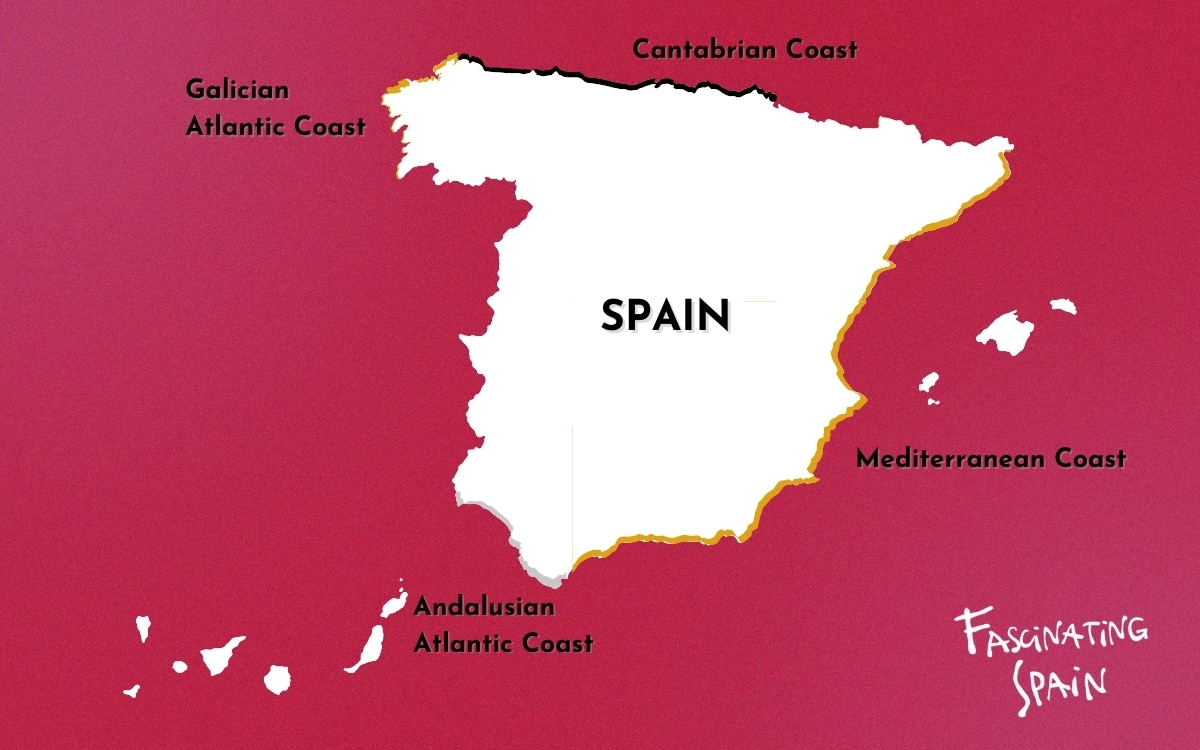
In order to understand Spain’s weather in depth, we will divide the country into the following zones.
Cantabrian Coast
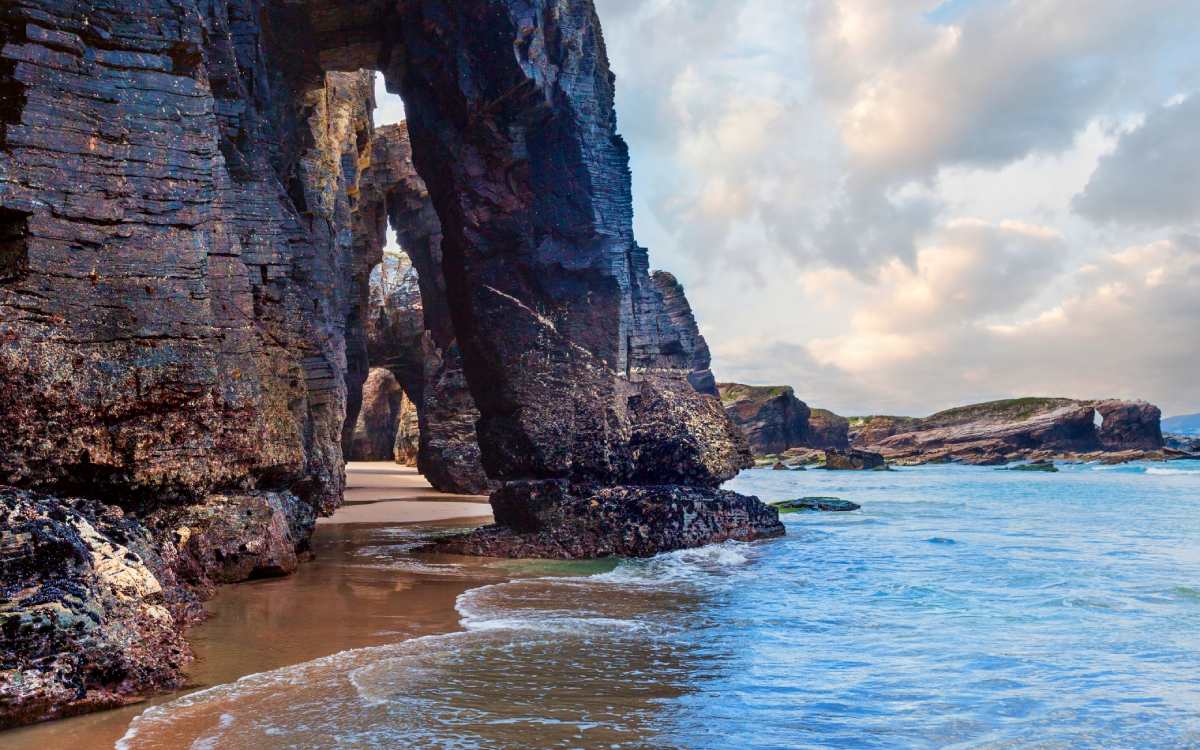
The Cantabrian Coast embraces the sea that shares its same name. Known for its oceanic climate, the frequent rains in every season, and the humid atmosphere, it covers the area between Galicia and France, including the Spanish autonomous communities of northern Galicia, Asturias, Cantabria, and Basque Country.
The average spring temperature in the Cantabrian Coast ranges between 10 and 12 ºC (50 and 53,6 ºF). It reaches 24 ºC (75,2 ºF) in the summer days but falls to 15 ºC (59 ºF) in the nights, which makes it a perfect destination if you prefer colder summers. But do not forget to take a jacket (or, as some Spaniards say, a rebequita) with you!
Autumn temperatures are similar to the springs’, but rain becomes more frequent. It gets windier and colder, paving the way for the winter and its average temperatures of 5 ºC (41 ºF). Be careful, though—in the coldest days, the thermometers can mark 0 ºC or 32 ºF.
Atlantic Coast
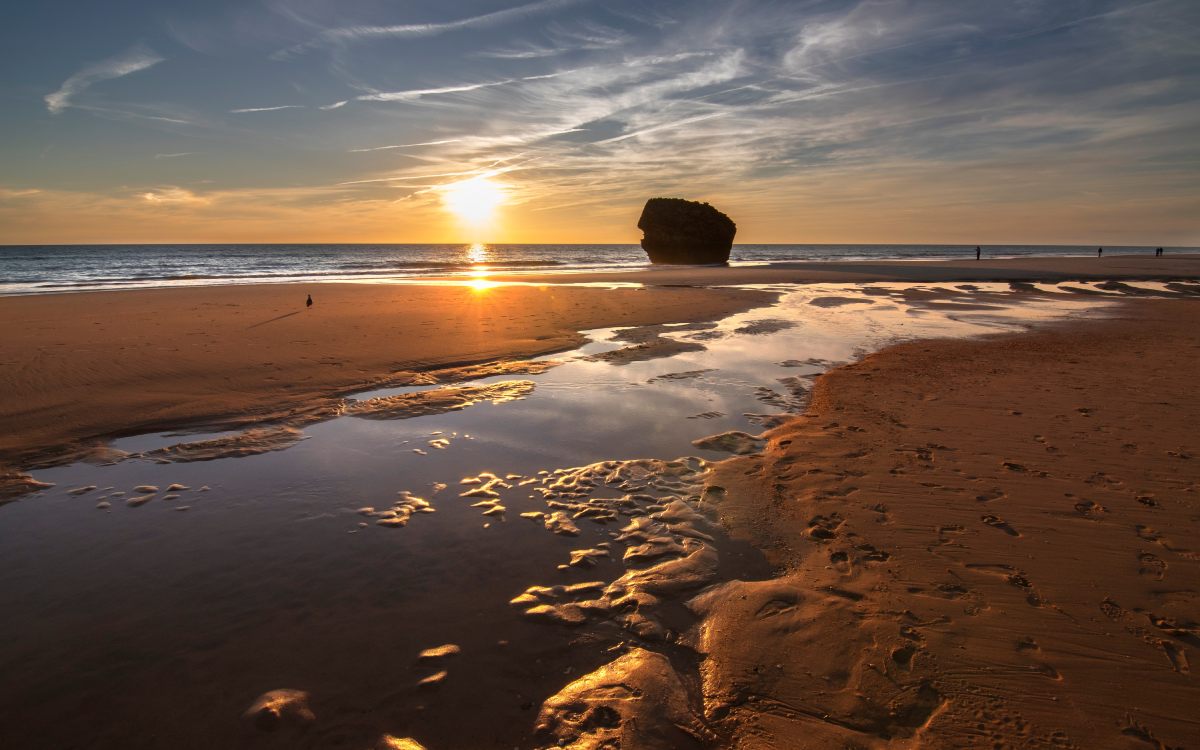
When talking about the Spanish Atlantic Coast, we should mention that, actually, they are two areas separated by neighbouring Portugal: the Galician Atlantic Coast and the Andalusian Atlantic Coast.
The Galician Atlantic Coast is characterised by its humidity, present in every season of the year, including the summer. Its climate is similar to that of the Cantabrian Coast, with frequent rain, fresh summers, strong winds, and freezing winters.

On the other hand, the Andalusian Atlantic Coast, which covers the provinces of Cádiz and Huelva, combines Mediterranean and Atlantic features: softer, warmer temperatures—even in the winter—and the cold, strong winds of the big ocean. Summers can be dry and extremely hot, as it commonly happens in Andalusia.
Meseta Central
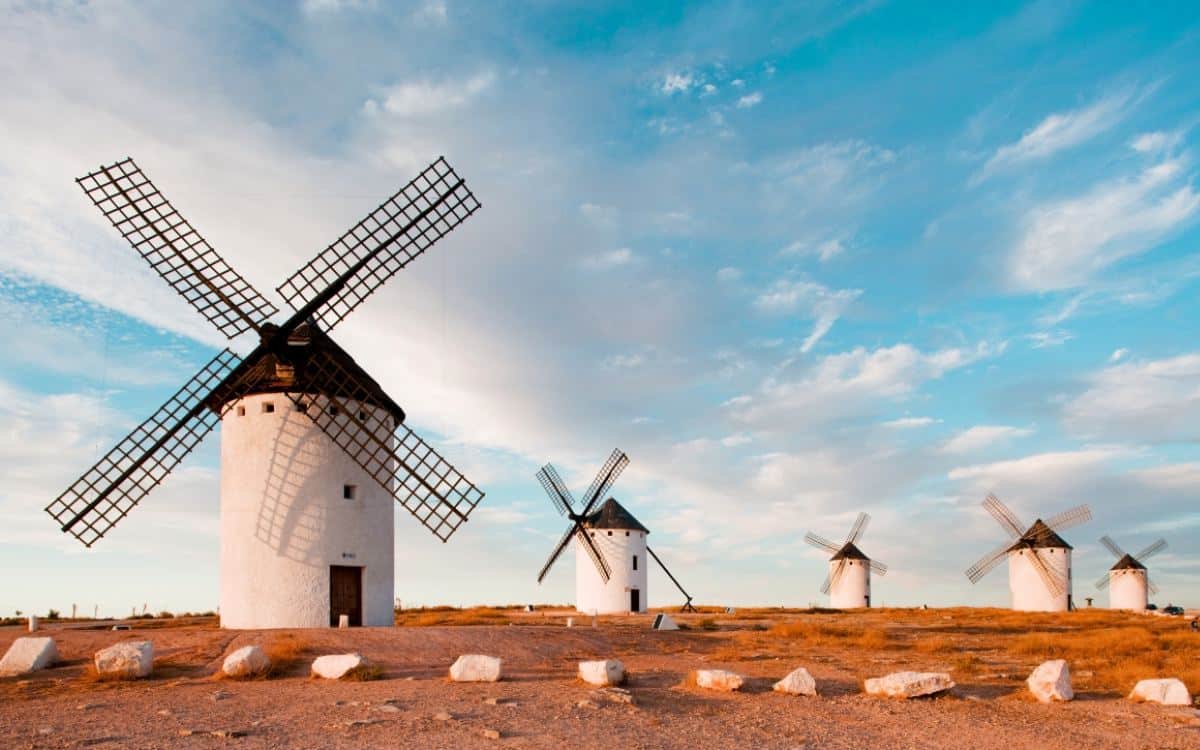
Central Spain, also called the Meseta Central (literally, the Central Plateau), is known for its dry, hot climate. However, the plateau is massive and covers a wide variety of areas. The Meseta Central encompasses the Submeseta Norte (or Northern Subplateau) and the Submeseta Sur (Southern Subplateau).
The Submeseta Norte sits in Castile and León, while the Submeseta Sur includes the autonomous communities of Extremadura, Castilla-La Mancha, Community of Madrid, and Valencian Community. This large zone can reach extreme temperatures both in the summer and in the winter months. Although rain is not frequent in the summer, it is in spring and autumn.
Mediterranean Coast
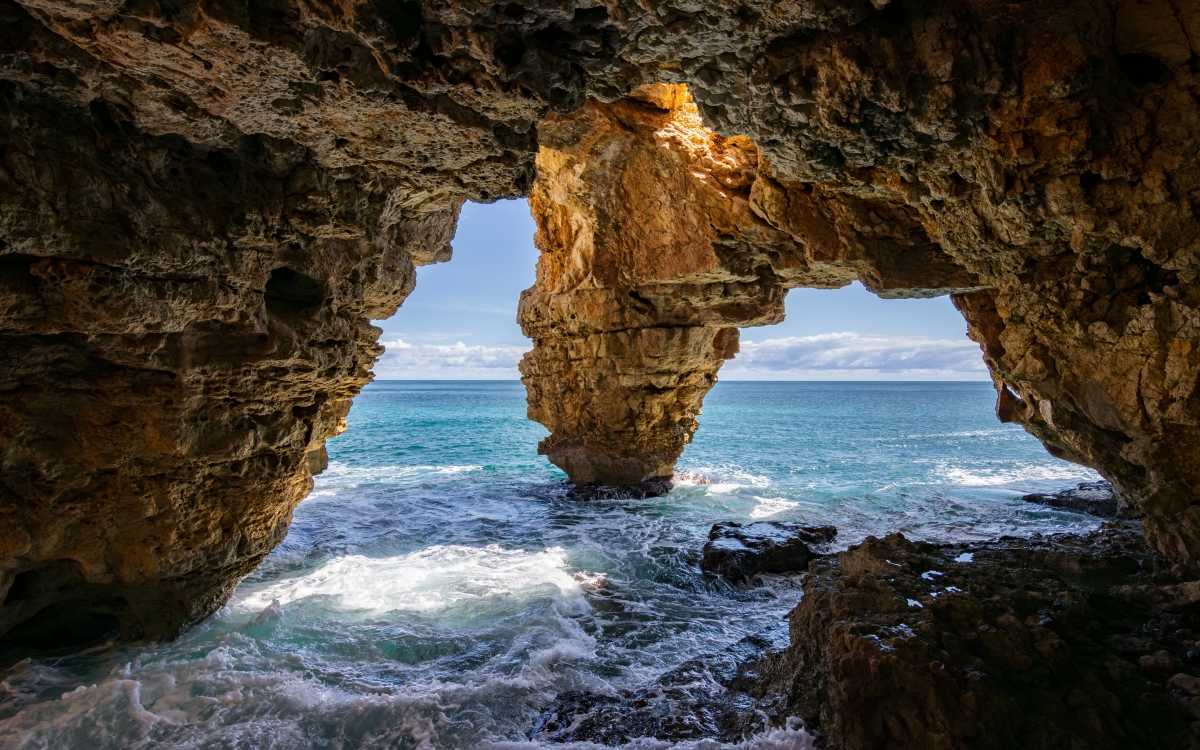
The world-renowned Mediterranean Coast expands over the autonomous communities of non-Atlantic Andalusia, Murcia, the Valencian Community, and Catalonia. Mediterranean summers can be extremely hot, reaching temperatures of more than 30 ºC or 86 ºF—sometimes, even 40 ºC or 104 ºF.

Mediterranean springs and autumns are warm with colder evenings and nights, so a light coat will be enough if you’re visiting this area in any of these seasons. Winter temperatures are not very cold and usually remain over 10 ºC or 50 ºF.
The Spanish archipelagos
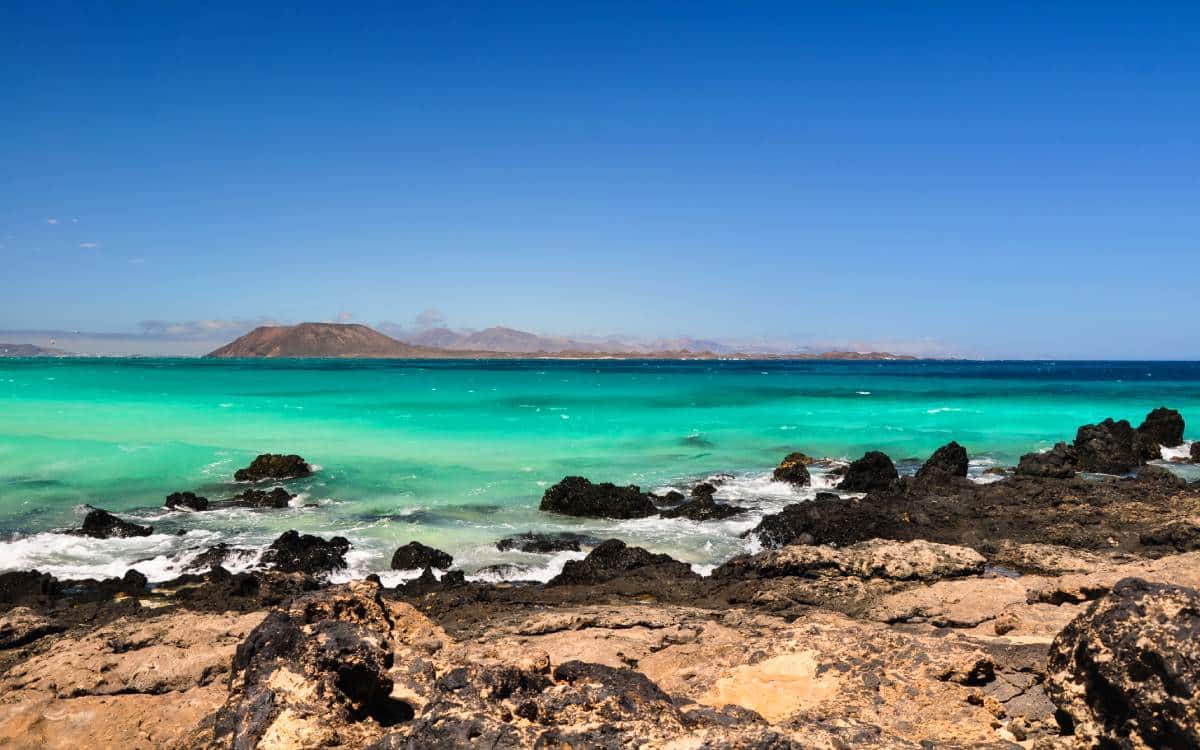
The Balearic Islands sit in the heart of the Mediterranean Sea, between Spain and Italy. Due to their location, they offer exceptional weather conditions: the sunny, warm Mediterranean climate and a fabulous sea breeze that make these islands a lovely destination.
On the other hand, the Canary Islands are located by the African continent, more than 1000 miles from the Iberian Peninsula. Its climate is not very variable. Most days are sunny and warm all year round, so it is no wonder why it has become one of Spain’s main holiday destinations.
Follow us on Facebook!