
The most beautiful villages in Castilla-La Mancha, Spain
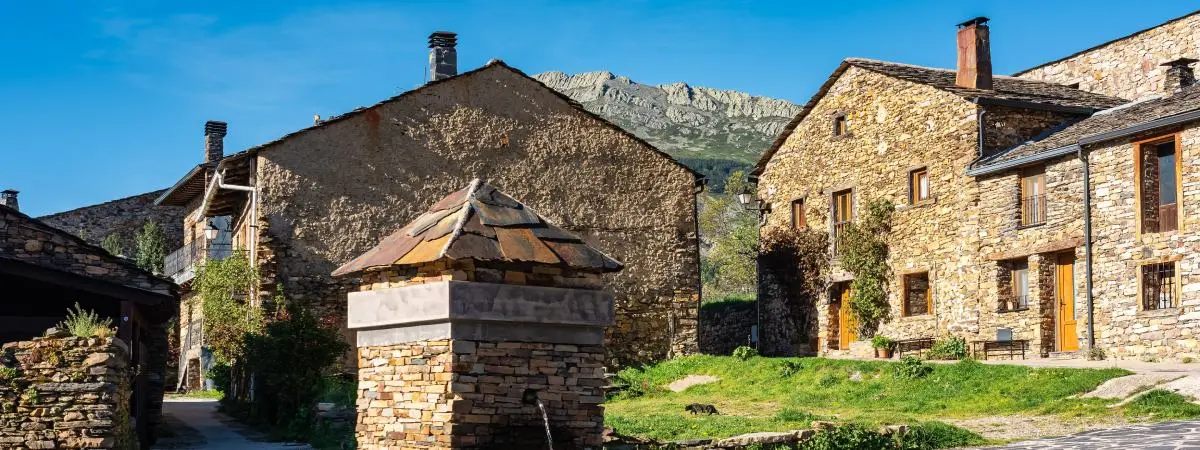
One cannot help but think of the solemn windmills pictured by Cervantes, but the truth is that Castilla-La Mancha has a wide variety of villages that should not be missed. Let us take a look at some of the most beautiful villages in Castilla-La Mancha to prove this province’s charm.

Fascinating Castilla-La Mancha: its most beautiful villages
Alcalá del Júcar
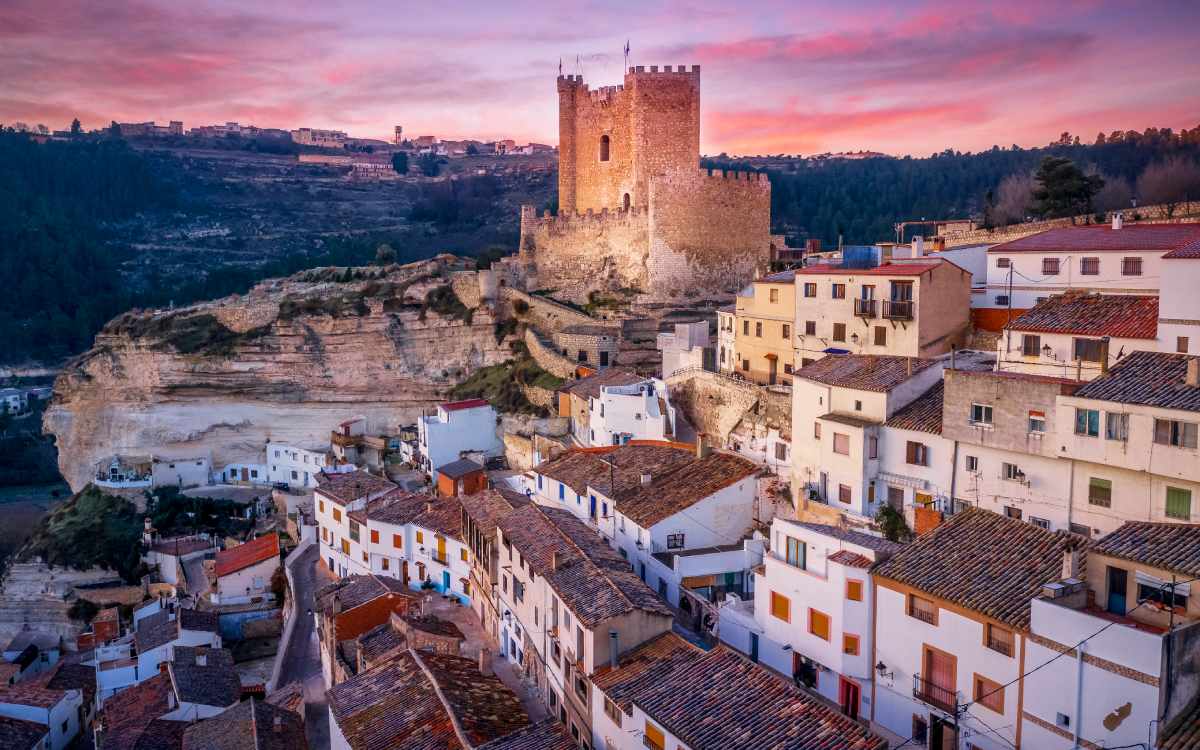
There is no doubt that this is one of the most picturesque villages in Albacete. Alcalá del Júcar stands out for its location in the valley of the Júcar River, a steep `lace that has conditioned the layout of this locality.
For this reason, the vernacular architecture is Alcalá del Júcar’s most eye-catching feature. Its houses venture into the heart of the mountain, creating narrow streets that wind and ascend to the gallant castle. The elegant bridge is the final touch to the incredible postcard of this village, which was declared a Historical-Artistic Complex.
Priego
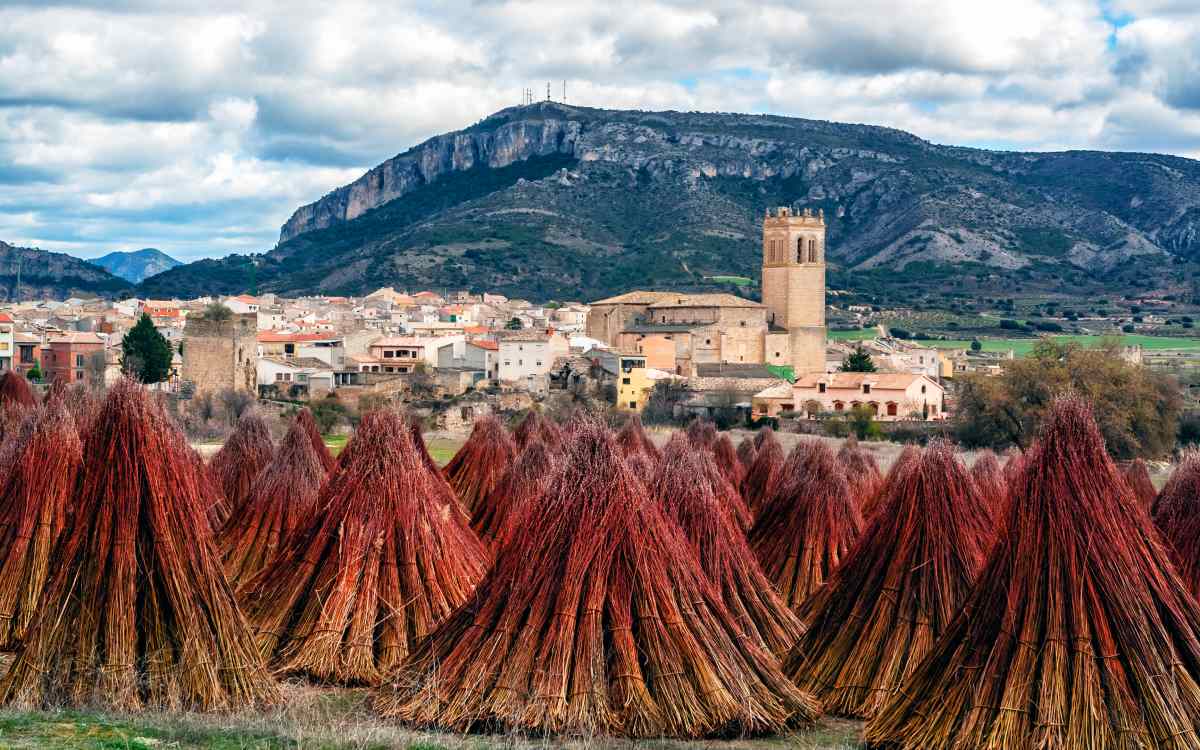
Located in the province of Cuenca, Priego preserves its distinguished character, an illustrious past proved by the abundance of manor houses and coats of arms. In fact, the town hall was once the splendid renaissance palace of the Counts of Priego.
But there is more to Priego. It keeps alive many artisan labours, and it is the best place to observe wicker and pottery artists, among other traditional workers, while they are creating their pieces. The wicker used to make baskets provides one of the most emblematic postcards of the area, with its deep reddish shades.
Pastrana
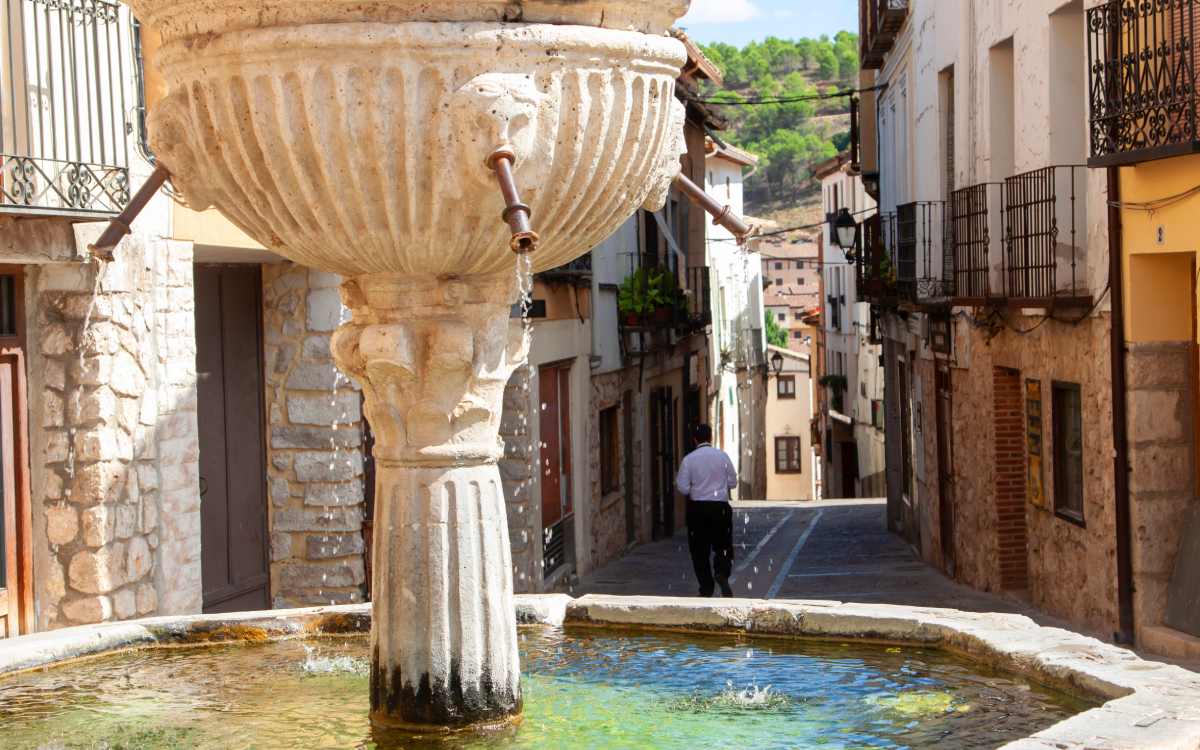
When the ducal town of Pastrana, in Guadalajara, was founded, it was linked to the Order of Calatrava and the Christian repopulation of the Alcarria. Its splendour would begin with the dukes of Pastrana, Felipe II’s secretary, and his wife, the famous princess of Éboli.
Besides this famous couple’s palace, there are many other traces of this successful past. Its convents, nobiliary houses, and other architectural vestiges compose an outstanding heritage that includes an old synagogue and parts of a medieval wall.
Villanueva de los Infantes
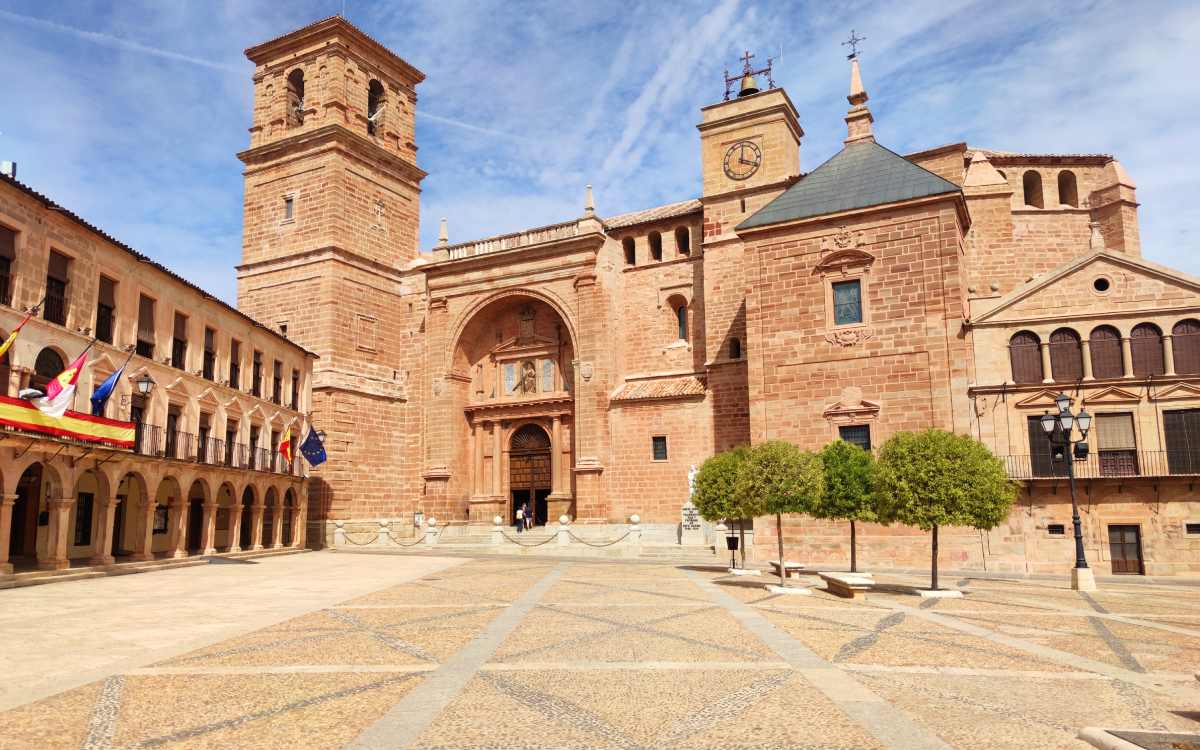
This locality in southeastern Ciudad Real had a role in Don Quixote and it was the final destination of Spanish writer and poet Francisco de Quevedo, so it is important to national literature. Besides, it is the capital of Manchego renaissance and baroque.
Its mere main square is a fascinating monumental complex on its own, and it takes us straight to the Spanish Golden Age. Around 250 coats of arms of noble families are scattered throughout its streets, proof of its past infantes. Nowadays, Villanueva de los Infantes is home to 5,000 people and is the capital of the historical area of Campo de Montiel.
Escalona
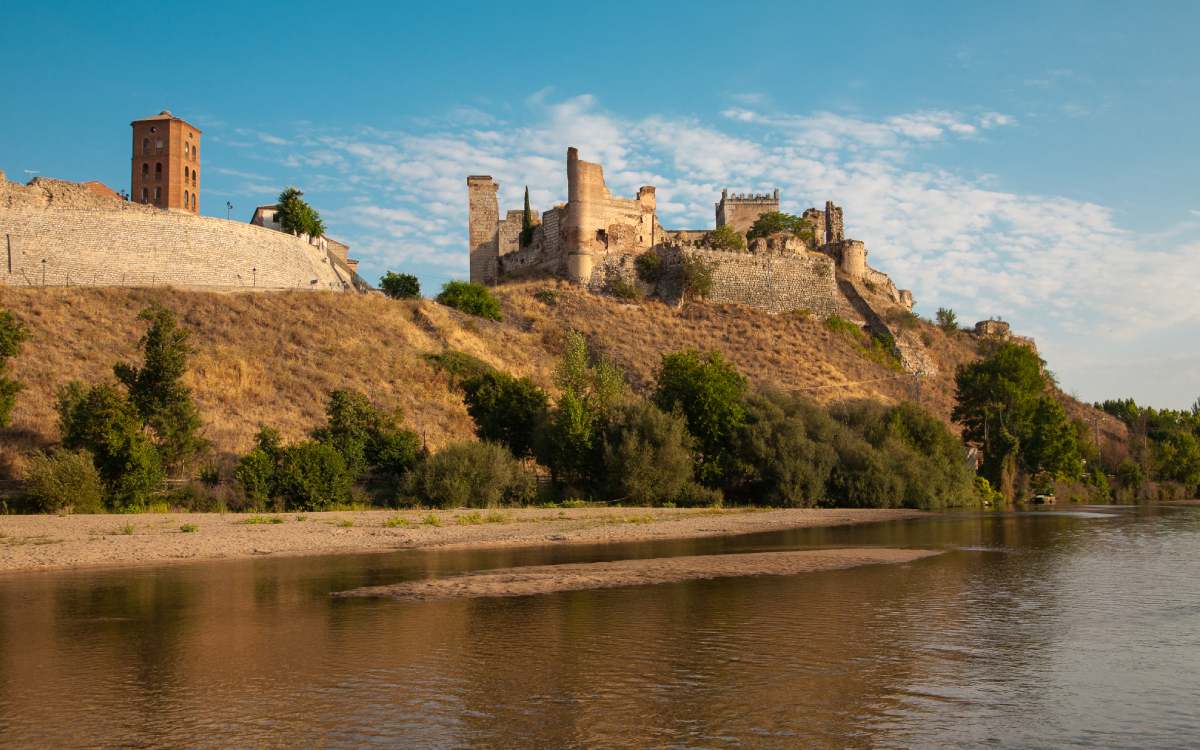
This village in the north of Toledo offers an unforgettable picture, watching over its surroundings and the Alberche River from a 30-metre-tall hill. Its strategic location is complimented by a military fortified complex and its true local gem, a castle palace.
The mudéjar, sixteenth-century Castle of Escalona, is one of the most beautiful in the region, but so are the Conceptionist convent and the wall. Escalona is also important for Spanish literature since the Lazarillo de Tormes walked down its streets.
Ayna
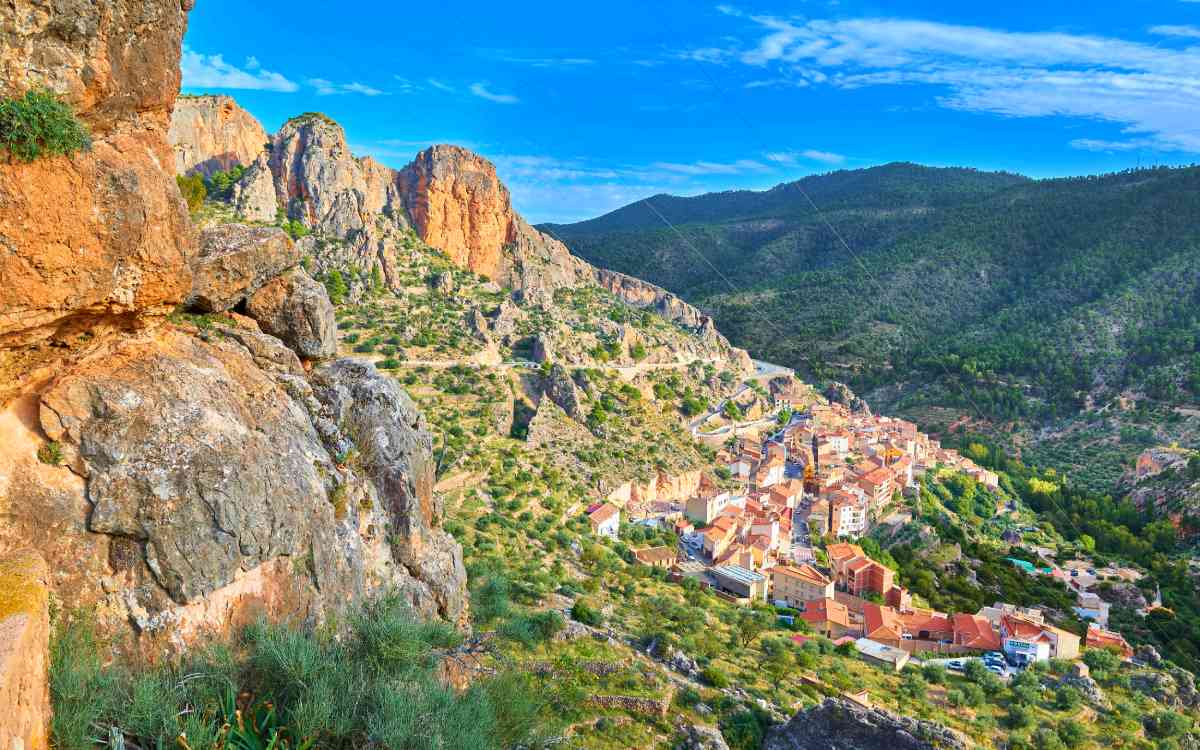
Ayna is a small gem, almost hidden in the depths of a valley by the Mundo River. Since it sits in the heart of the gorge, it has a particular layout that stands out among other villages in Albacete, and it is known by many as the ‘Manchegan Switzerland’.
But its natural environment is as charming as the village, and they both merge into one from the lookouts scattered throughout the area. Although the remains of an old Arab castle allow us to imagine Ayna’s ancient history, most visitors come here attracted by the Cueva del Niño, an exceptional example of cave art.
Campo de Criptana
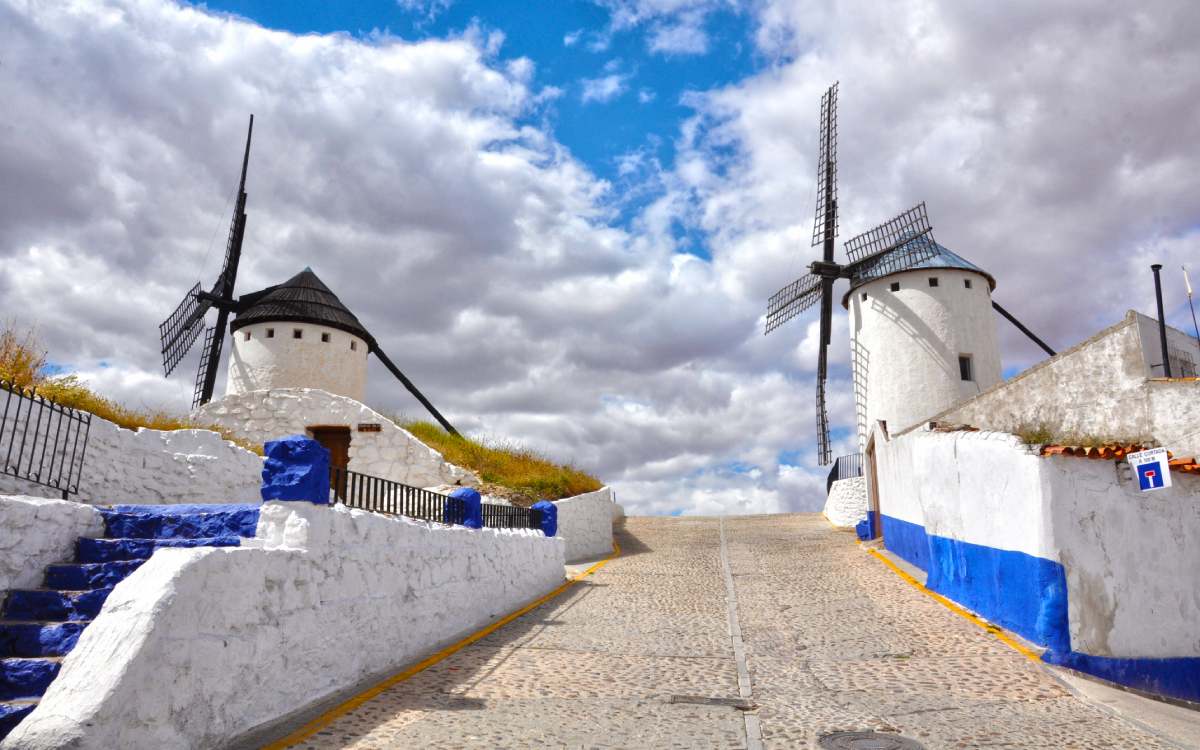
Of course, one of the most emblematic images of La Mancha had to be on this ranking: the powerful white windmills Don Quixote fought against. Campo de Criptana, in Ciudad Real, is one of the best places to admire them, but it has many other surprises for its visitors.
Its sixteenth-century Casa del Pósito, the cave-house of La Despensa, and the picturesque district of Albaicín Criptano have many stories to tell about the village. Its religious buildings are worth a mention too, such as the elegant Parroquia de la Asunción de Nuestra Señora and the baroque Convento del Carmen.
Valverde de los Arroyos
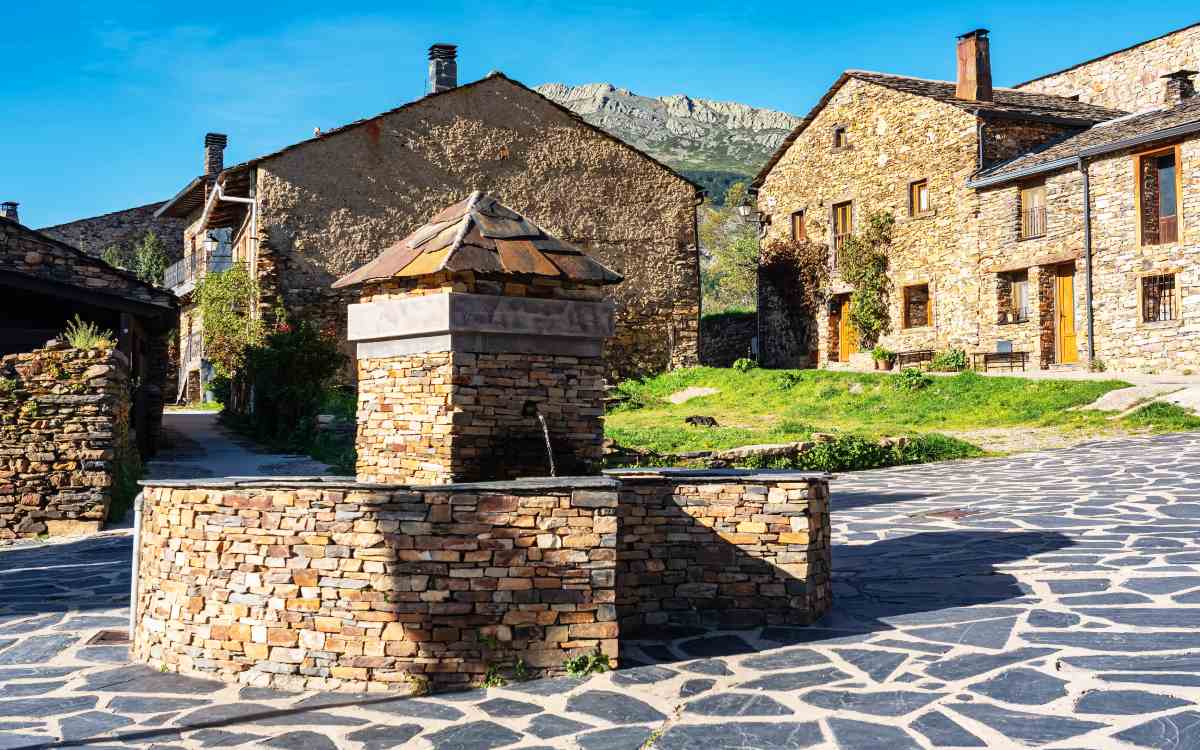
The black villages of the Sierra de Ayllón are some of the most picturesque places in Guadalajara. Out of them, Valverde de los Arroyos is the most outstanding. In this well-preserved, charming locality, every building is covered in black slate, a beautiful feature that specially shines in the gorgeous main square and the traditional houses. Of course, it is also present in the sombre Church of San Ildefonso and the hermitage.
Valverde de los Arroyos’ surroundings are equally charming and should be visited. Near the area, it is possible to enjoy many wonderful mountain landscapes. The Pico Ocejón and the Chorreras de Despeñalagua are the main natural attractions in the area.
You can also read this article in Spanish here.
Follow us on Facebook!