The most beautiful villages in the Canary Islands
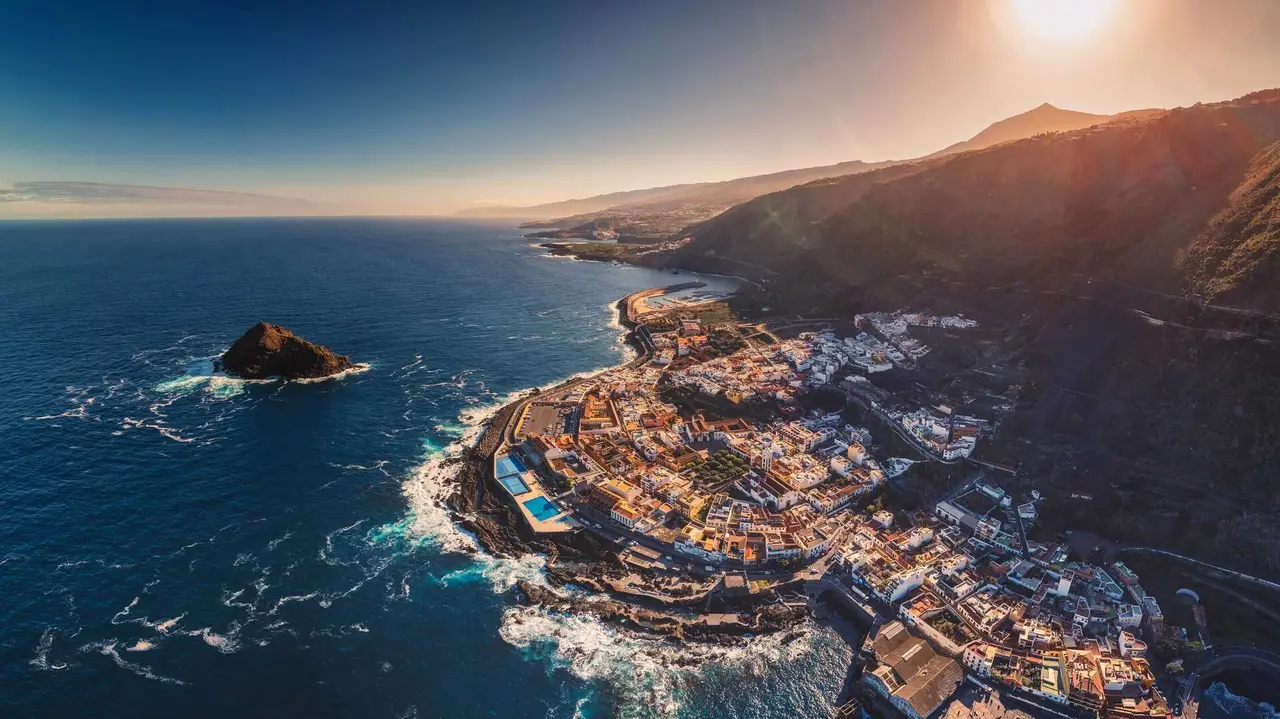
To fly over the Islas Canarias is to fly to a paradise of contrasts. Volcanoes, red soil, dense forests, beaches of impossible turquoise shades... These settings of untamed beauty are home to small localities where life and human tradition merge into the emblematic essence of the archipelago, as can be seen in this journey through the most beautiful villages in the Canary Islands.

Fascinating Canarias: its most beautiful villages
Agulo
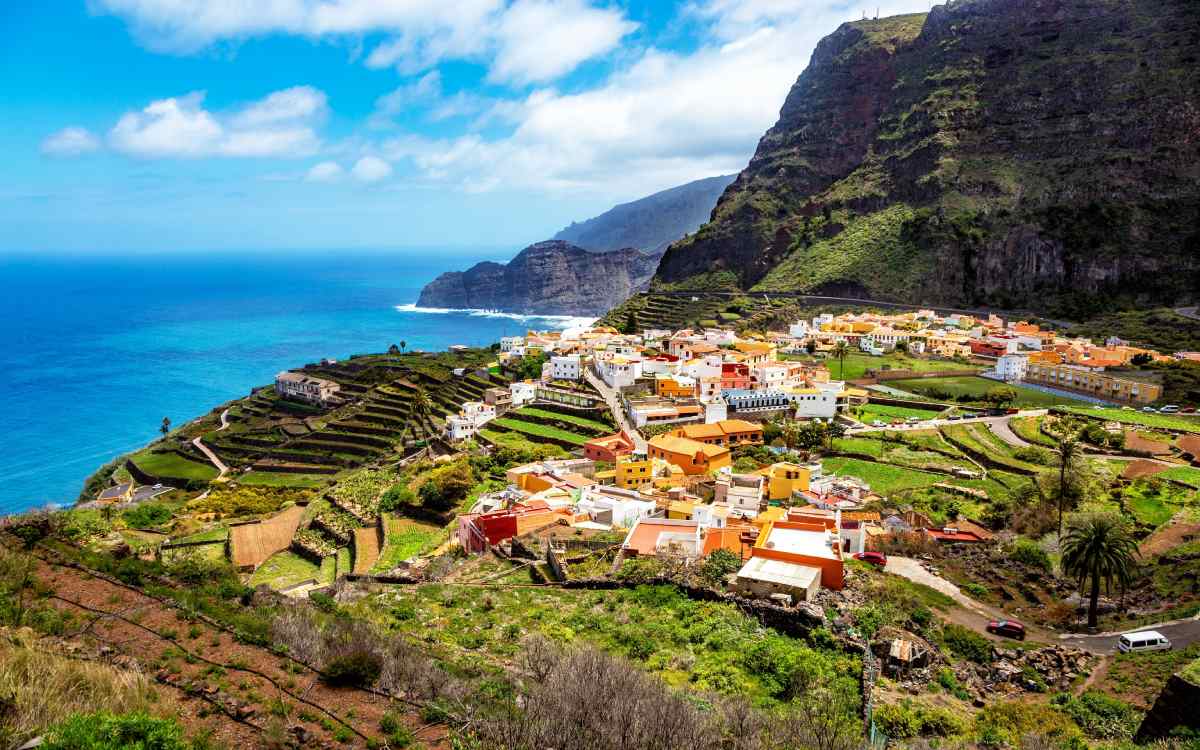
Like a gem encrusted with the Atlantic sapphire and La Gomera’s emerald hills, Agulo fits perfectly in a landscape like no other. It is the perfect lookout to enjoy its rugged, green surroundings and the impressive views of the Teide over the waters that separate the area from Tenerife’s massive volcano.
It is incredibly easy to fall in love with the locality in question, with its unique charm, and with the houses that combine the colour white with the occasional orange and yellow strokes. Steep streets, layered groves, and some buildings that should be on your itinerary, such as the San Marcos Church, turn Agulo into one of the most beautiful villages in the Islas Canarias.
Betancuria
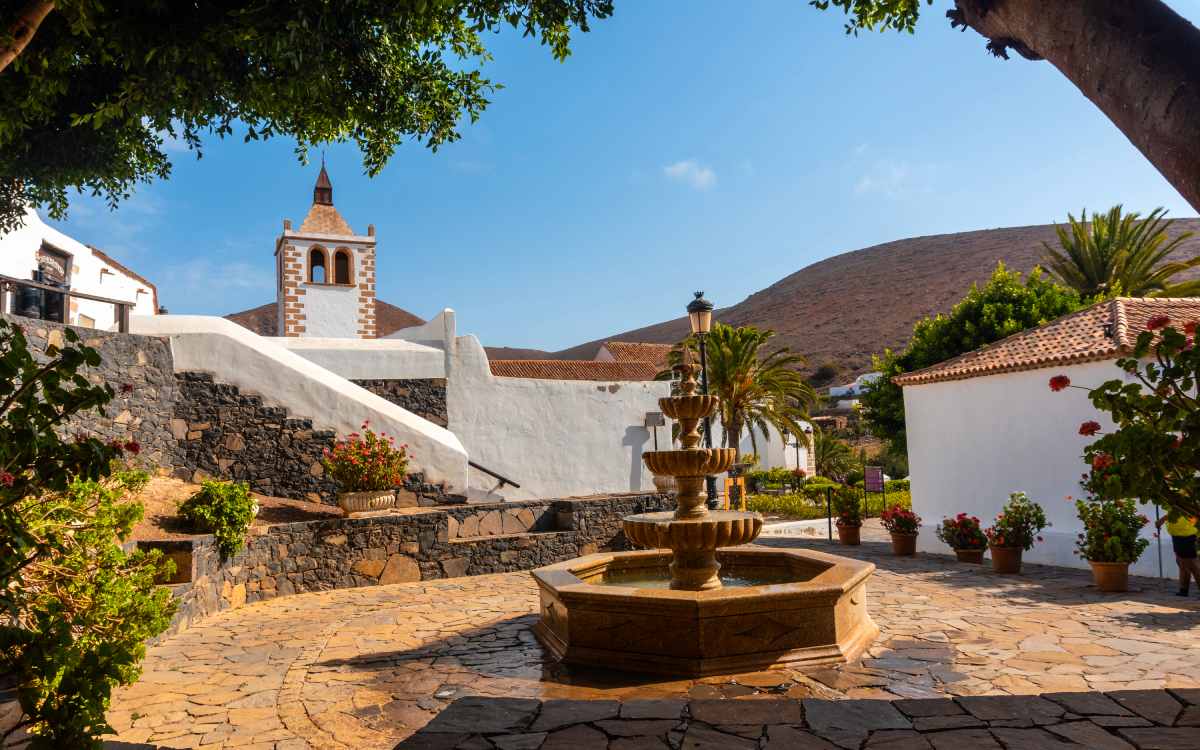
If we continue our journey and head to Fuerteventura, we will find a cluster of white houses splattered throughout the wavy, orange soil of the island’s central western area. This is Betancuria, the former capital of the island, a hidden treasure in a setting of great natural value.
Betancuria’s streets create a singular harmony through the desert landscape and the palm trees, flowers, and fountains the locality is decorated with. The Church of Santa María should be mentioned as well, since its tower usually finds its way into every postcard picture of the area.
Caleta del Sebo
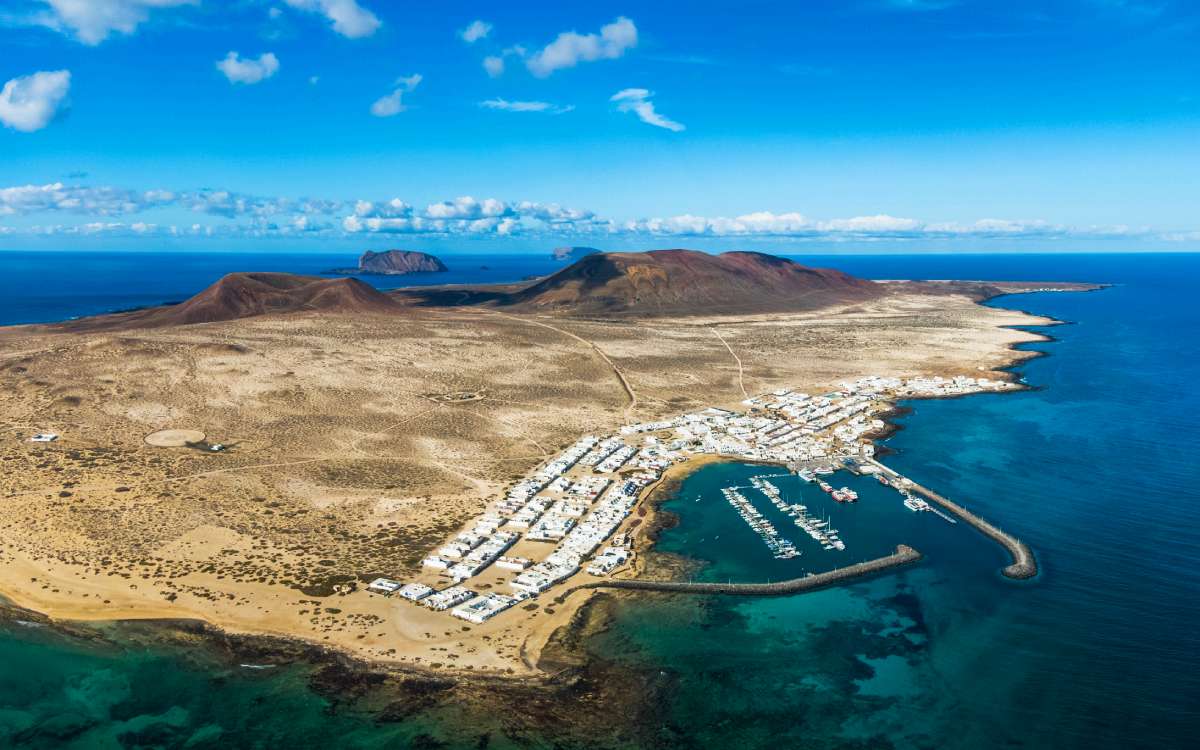
In the south of La Graciosa, there is a Canary spot surrounded by waves and silky sand, a peaceful paradise. Its streets are not covered with concrete but with golden sand, so it is possible to walk barefoot among the whitewashed houses facing the sea.
Discovering the island is an adventure that should not be overlooked. Fabulous beaches await near Caleta del Sebo, such as the Playa del Salado and the Playa de la Cocina, as well as Francesa Beach. La Graciosa’s natural charm can also be found in the Montaña Bermeja, the Arcos de los Caletones, and the Bufón de Graciosa.
Garachico
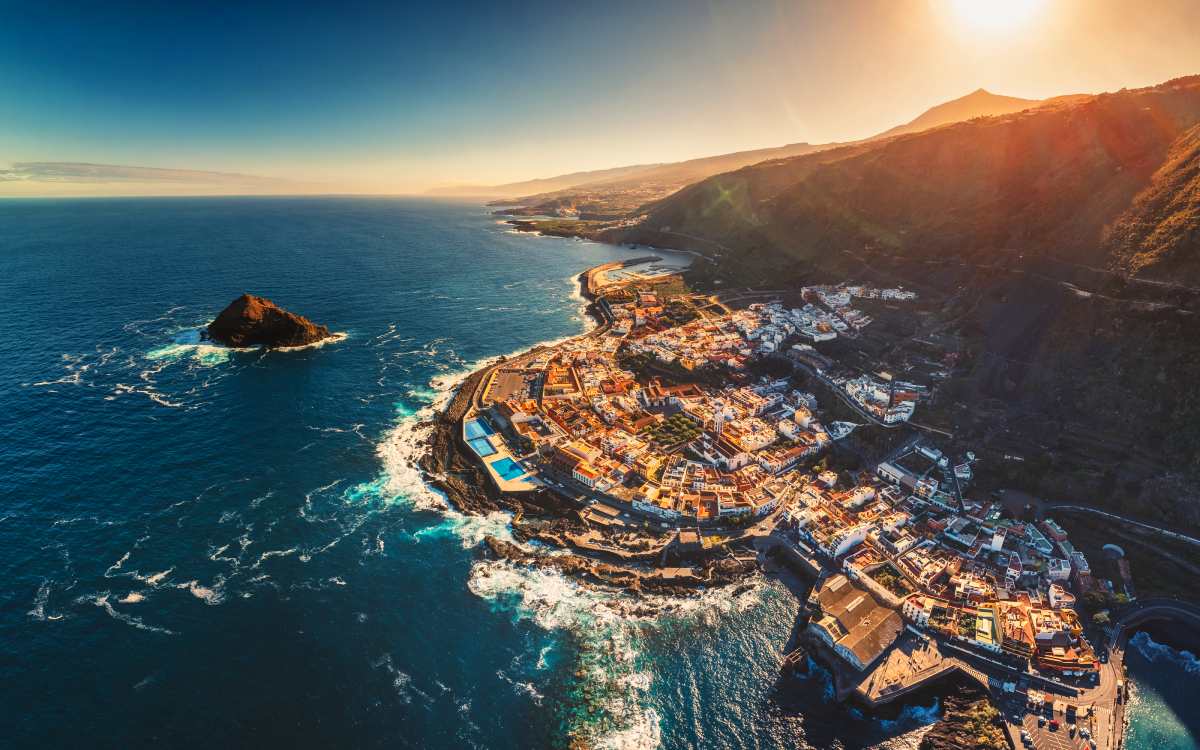
This village in Tenerife is a great example of resurrection. It was destroyed to the ground in 1706, when the Trevejo volcano (also known as the Montaña Negra, ‘Black Mountain’). But Garachico was born from the ashes, and made peace with a volcanic land by the sea, which tells an exciting success story.
Garachico’s heritage is rich and diverse and includes outstanding monuments, such as the Santa Ana Parochial Church or the sixteenth-century San Miguel Castle. Diving in the natural pools of El Caletón is another must, a place where the sea and rocks have created a tiny oasis of peace.
Haría
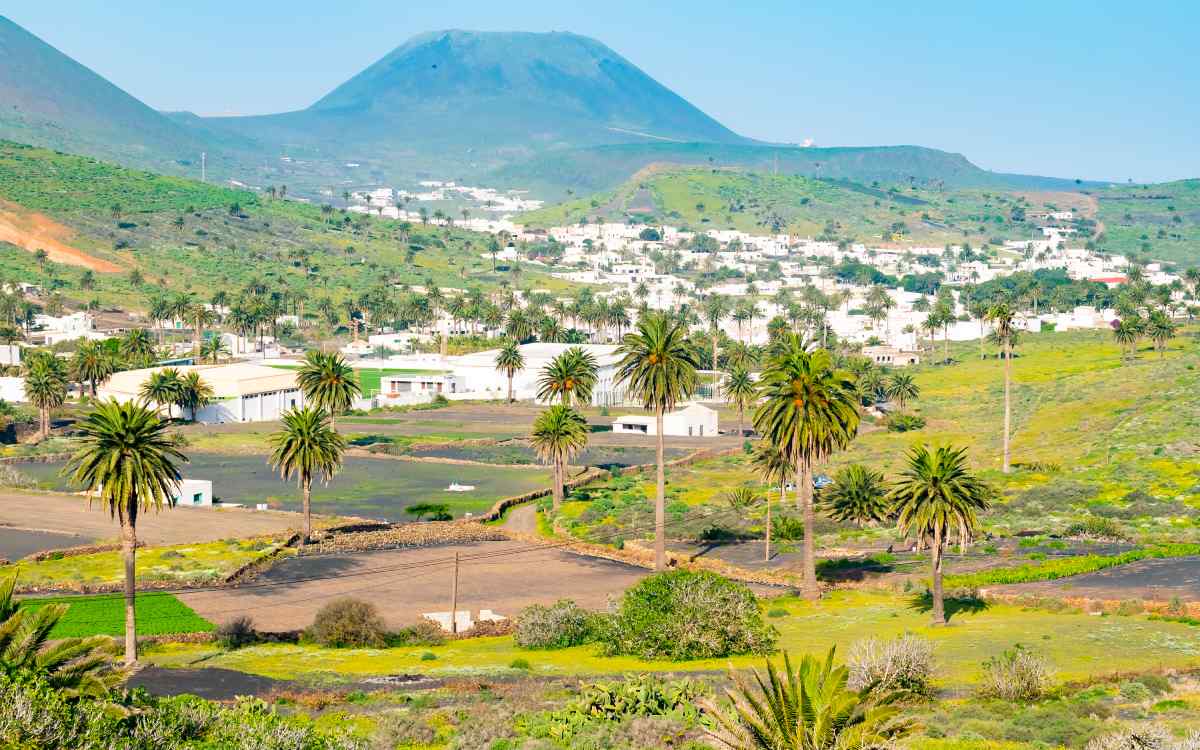
The municipality of Haría sits further from the waves, but it is still caressed by the sea breeze of the Canary Islands. Located in the northern area of Lanzarote, one must land at the Valle de las Mil Palmeras (‘Valley of a Thousand Palm Trees’), which creates its own microclimate and hosts many indigenous species—and, of course, thousands of palm trees. The Corona Volcano stands out as the backdrop of this extraordinary landscape, reaching a height of 609 metres.
Haría calls for exploring its clear streets, admiring the details of the traditional Canary architecture, and visiting tourist attractions such as the Casa-Museo César Manrique. If there is still time, many other treasures await near Haría, such as the Jameos del Agua or the Cueva de los Verdes.
Tazacorte
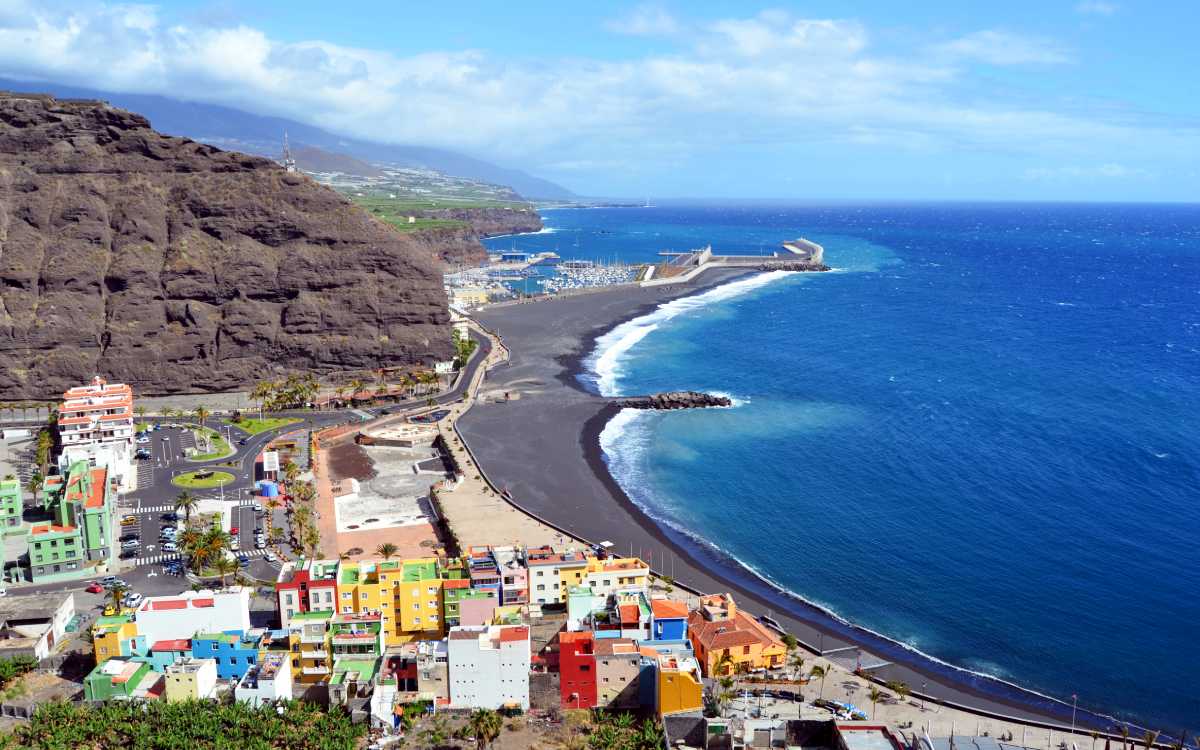
White foam on black sand. Colourful houses, green banana plantations. Tazacorte, in La Palma, offers a vibrant colour palette that makes it one of the most beautiful villages in Canarias.
This village stands out not only for its beautiful composition but also for its fascinating history. A past that includes chapters such as a brief declaration of independence and a volcanic eruption. If one wants to taste the past of Tazacorte’s history, they can do it at the Museo del Plátano, which opened its doors in 2004.
Tejeda
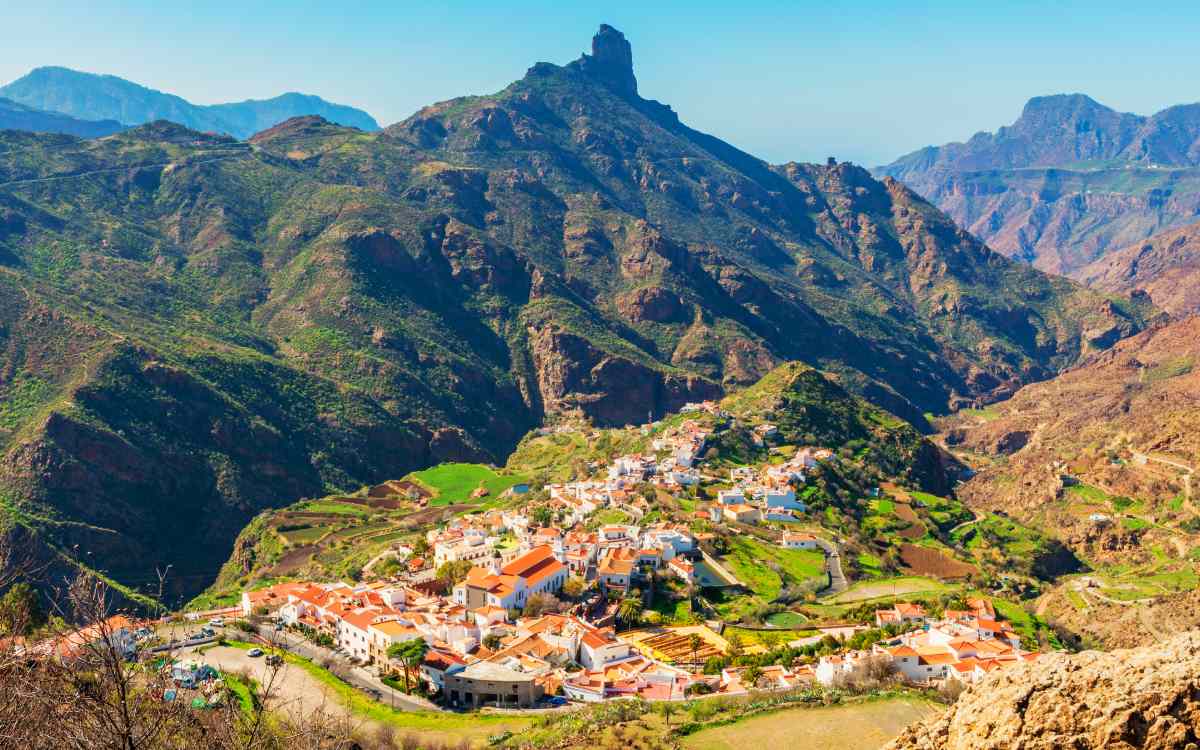
This route through the Canary Islands culminates in the heart of the archipelago. Take a breath and take a last glance at the other islands—we are about to dive into the centre of Gran Canaria. A beautiful postcard of white houses awaits us there: Tejeda.
Tejeda evokes the Canary soul through the essence of its streets and the almond trees, whose nuts can be savoured in the typical local pastries. Its cultural heritage can be appreciated in the Museo de las Tradiciones, the perfect place to explore the Canary lifestyle and traditions.
It would be unfair to end this list and miss Tejeda’s surroundings, since it sits in a privileged location on an impressive volcanic caldera. The Roque Nublo and Roque Bentayga stand on top of cliffs and rugged hills like stone giants, looking over one of the most breathtaking landscapes in the archipelago.
You can also read this article in Spanish here.
Follow us on Facebook!