
What to see in Málaga in three days
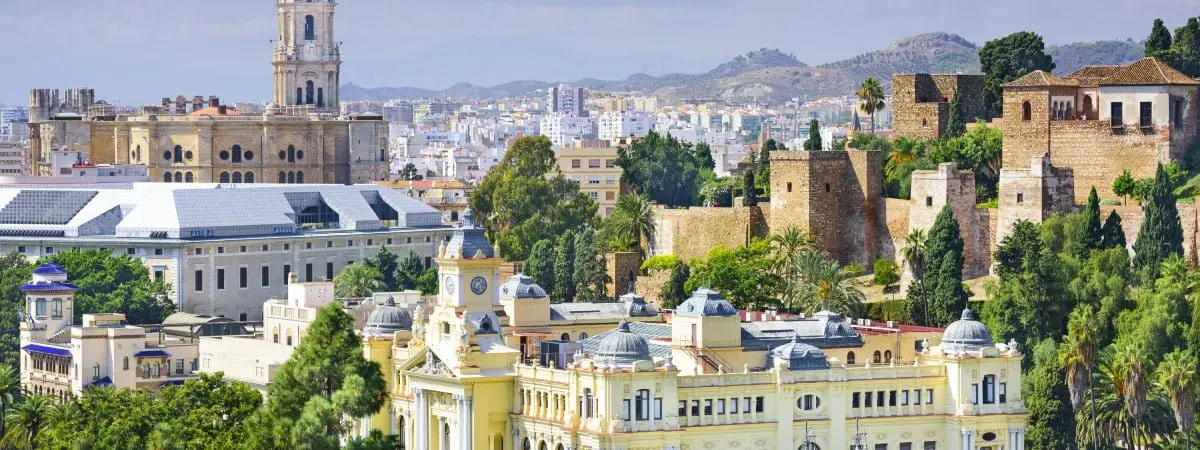
Planning what to do in Málaga for three days can be a bit stressful, as with any other trip. If you want to make the most of your time, the best idea is always to have your planning done. However, this route with everything to do in Málaga is only a guide, you can modify it to your liking.

The best thing is to combine the visits with the many bars and restaurants to eat in Málaga, also with more affordable options. The Costa del Sol hides many charms, so if you have enough time nothing like getting to know the white villages of Málaga or some of its natural areas. For the more adventurous, some active tourism activities keep impressive landscapes.
What to do in Málaga - Day 1
Central Market of Atarazanas
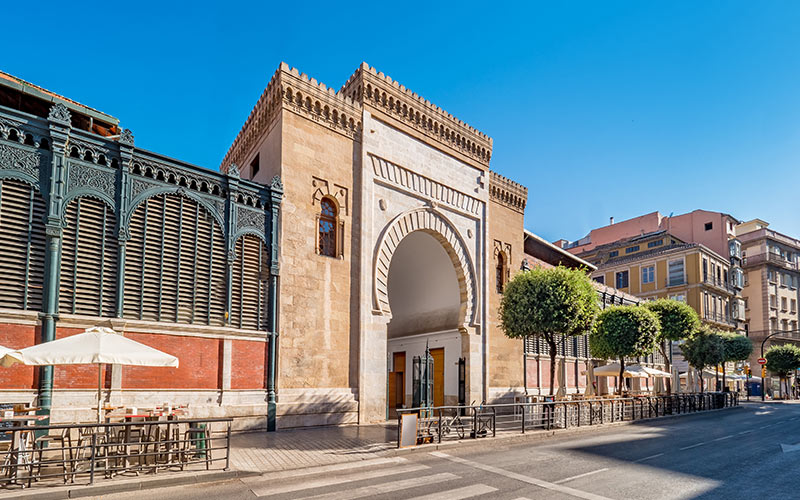
The first stop in the city must surely be the Central Market of Atarazanas. The name "Atarazanas" comes from Arabic and its translation is "place where ships are repaired". At the time of the Moorish domination in the 14th century, the Nasrid shipyards were located here, as a large part of the city was under the sea. The neo-Arab architecture of the Market of Atarazanas is a faithful reflection of its history, which has an incredible Nasrid gate and a large stained glass window representing different monuments of the city. 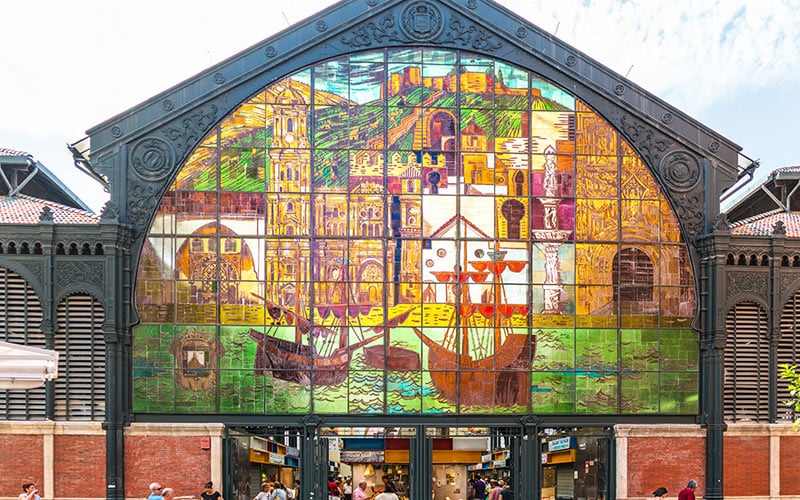
Inside the Atarazanas Market it is very easy to blend in with the daily hustle and bustle of Málaga. In the numerous stalls you can buy local and fresh products as well as taste Málaga's cuisine in the bars located near the main entrance.
Calle Larios
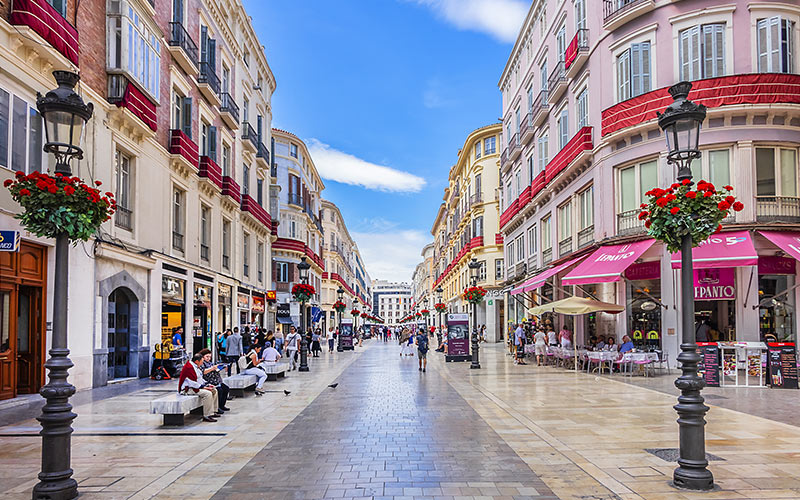
Larios Street is a five-minute walk away. Amongst all the things to do in Málaga there is nothing more typical than walking along its main street. It is a "reusable" stop, as in the morning you can enjoy the sunshine to look at shops and businesses and at night it is the perfect opportunity to have a drink while letting yourself be carried away by the atmosphere of this popular street. If you are travelling in August, it is normal that the Calle Larios is too crowded, as the Feria de Málaga is celebrated in the city. At Christmas they fill the street with lights and it is a visual spectacle.
Málaga Cathedral
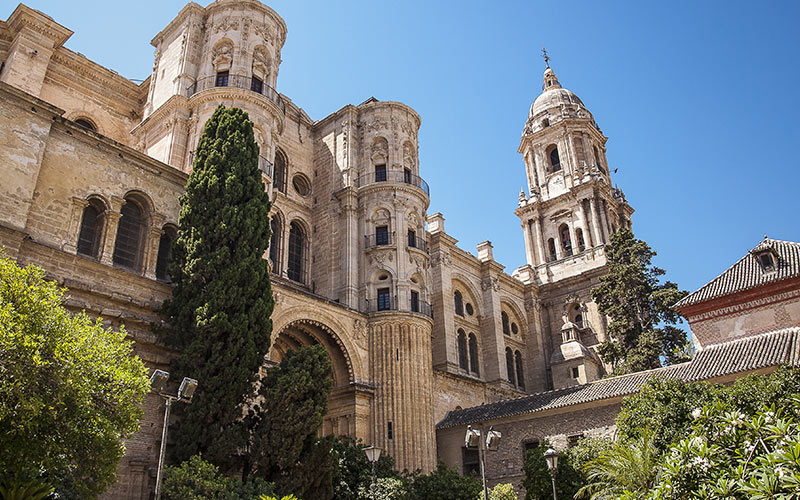
As we can see, on this route about what to do in Málaga, although we have a lot to see during the first day, everything is close. In less than five minutes walking we will reach the cathedral of Málaga. It is one of the treasures of the Renaissance in Spain; as the Holy Cathedral Church Basilica of La Encarnación in Málaga amazes with its magnitude. On the outside, the great Baroque façade full of details stands out. Inside, the main chapel is home to the canvas of the Virgin of the Rosary, by Alonso Cano. We recommend that you check the prices and opening hours beforehand. 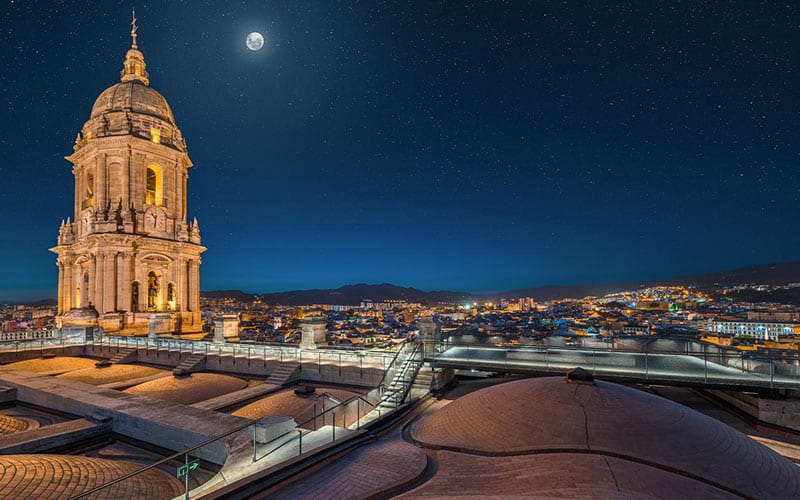
However, we recommend the night visit to the vaults of the cathedral of Málaga, accessing through an 18th century staircase with more than 200 steps and at a height of 50 meters. From the vaults you only have to contemplate the incredible landscape of the city full of lights. It is also possible to visit them during the day.
Plaza de la Constitución
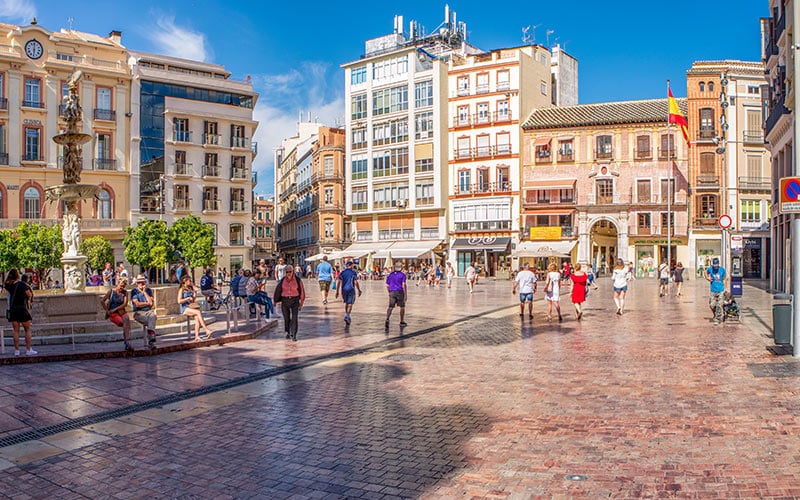
It will take us another five minutes to reach Plaza de la Constitución. This square is another of the most popular points of interest in Málaga. You can easily get from here to Calle Larios (and vice versa) and to Calle Compañía Nueva, also one of the most important streets. The Génova fountain is set up on one of its sides. The Plaza de la Constitución is the centre of the city of Málaga, formerly known as the Plaza de las Cuatro Calles and later as the Plaza Mayor. Since 1812 it has kept its current name.
Over the years many buildings have passed through this square: the Town Hall, the prison, the Corregidor's house, the convent of the Augustinian nuns... On special dates it becomes the centre of many activities: in the Feria de Málaga there are booths and during Holy Week the authorities set up their tribune here.
Church of Santo Cristo de la Salud
What to do in Málaga - Day 2
Alcazaba
One of the highlights of this route about what to do in Málaga is reserved for the second day. We refer to the Alcazaba and the Roman Theatre of Málaga, two historical monuments that are a must on this visit. On the one hand, the Alcazaba, a palace-fortress that in Arabic means citadel. A point of union between history and beauty that has reached our days since the Muslim era. It is located at the foot of Mount Gibralfaro and was built between 1057 and 1063. Of the 110 main towers of the alcazaba, the most striking is the Homage Tower. 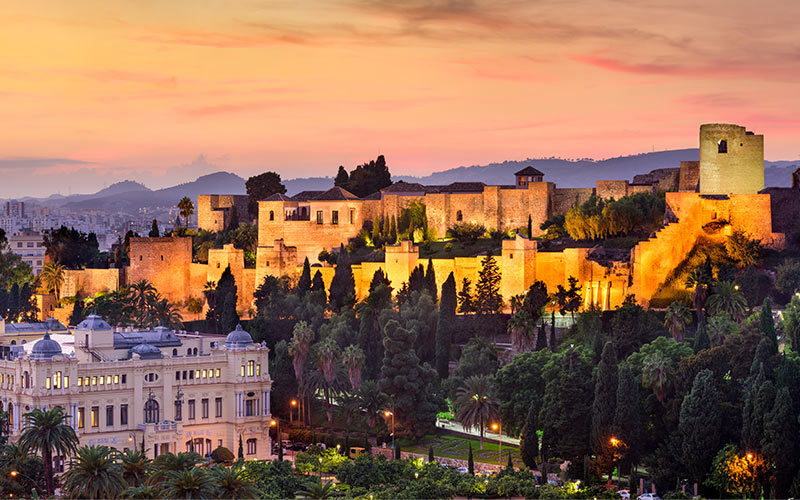
This is one of the most important and best preserved Muslim constructions in Spain that has a military component. Some of the most important defensive elements are the watchtowers, the crenellated walls and the matacanas, among others.
Roman Theatre of Málaga
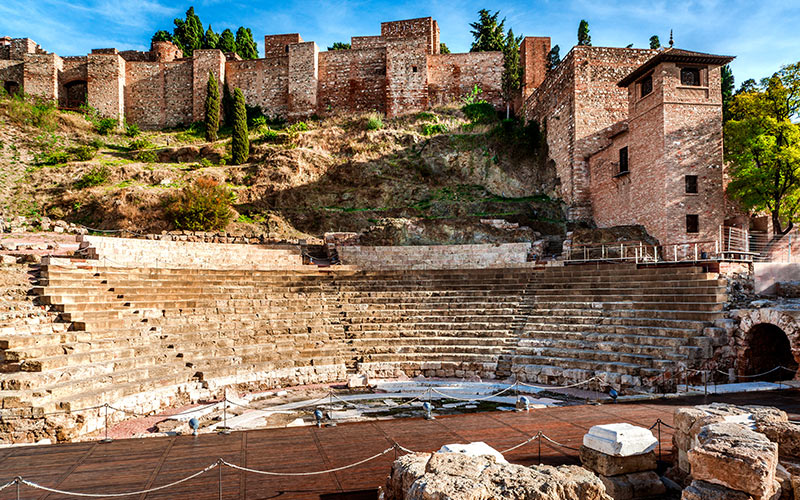
On the other hand, it is very easy to visit the Roman theatre of Málaga as it is located at the foot of the alcazaba. It is considered a symbol of the presence of the Hispania Romana in the city. Its construction was encouraged in the first century by the Emperor Gaius Julius Caesar Augustus and it remained in use until the third century. Its remains were discovered while works were being carried out in 1951. It can be seen from Alcazabilla street. Next to the monument there is a free visitors' centre where you can learn about the traditions of the time and how they lived. Sometimes there are shows inside.
Pedro Luis Alonso Gardens
Santa Ana Abbey
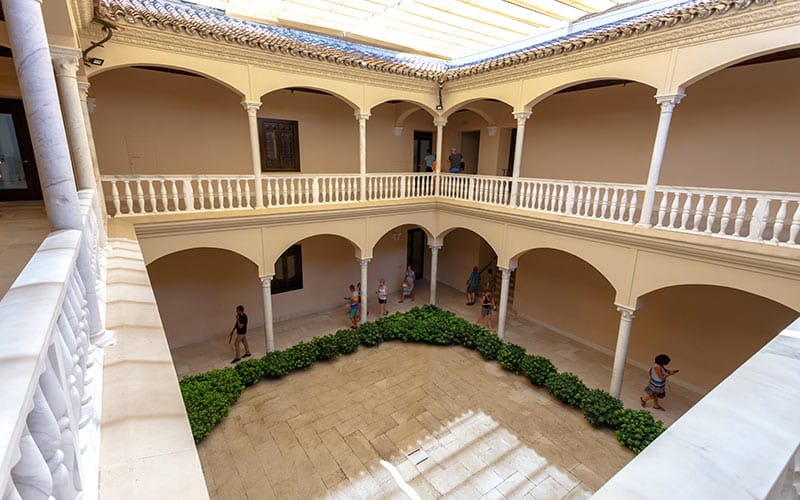
Picasso Museum Málaga
What to do in Málaga - Day 3
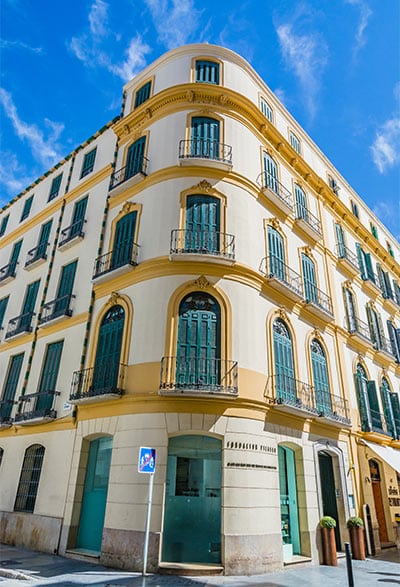
Picasso's Childhood House
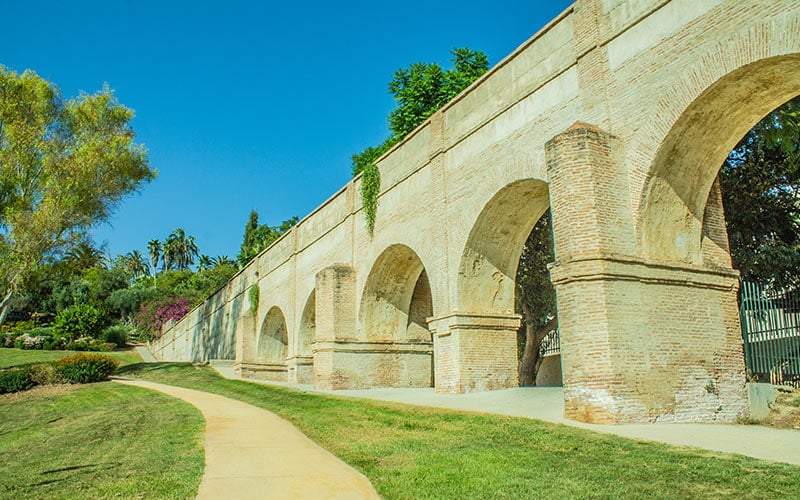
San Telmo Aqueduct
Gibralfaro Castle
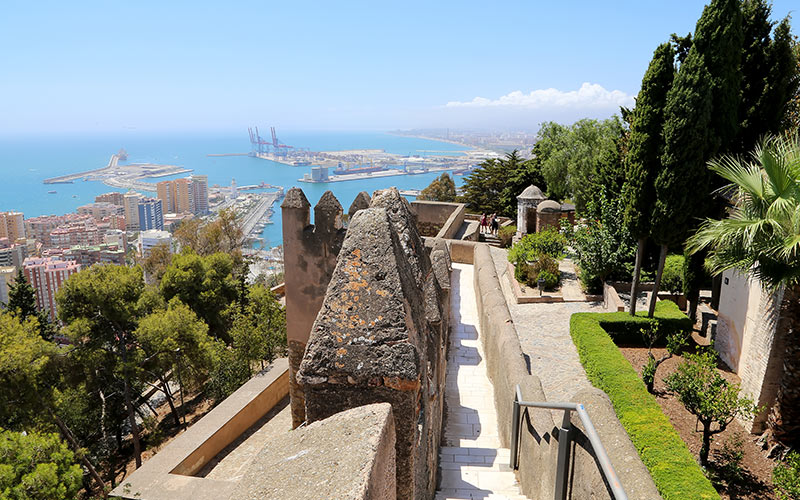
Continuing with the theme of large buildings, among all the things to do in Málaga is to visit the castle of Gibralfaro. The fortress was built in the 14th century to house the troops and thus protect the alcazaba. Here one can enjoy the views of the city from the castle walls. There is also the possibility to learn about the history of the castle in the visitors' centre.
Viewpoint of Gibralfaro
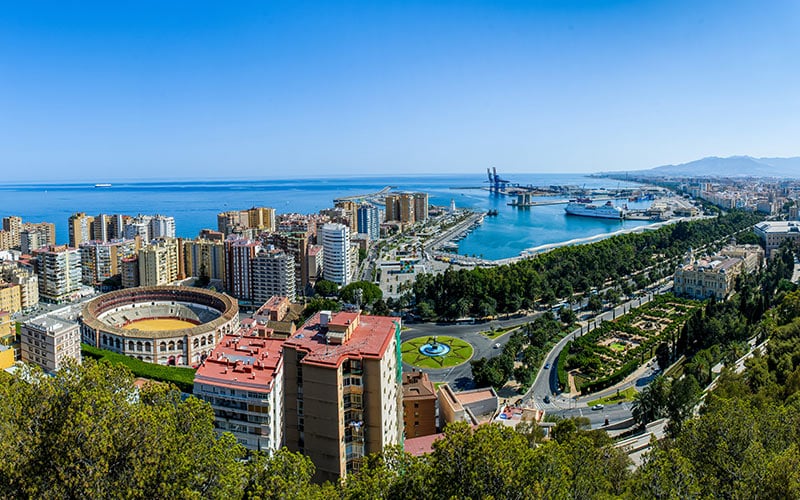
Very close by is the Gibralfaro viewpoint, with panoramic views of emblematic areas of the city: the Malagueta bullring and the Malaga Park or Alameda Park; the latter being another of the sites we recommend visiting if we have time. Here you will find two viewpoints located next to the castle and parador of Gibralfaro. From its 130 metres of height it is also possible to contemplate how the cruises enter the port.
La Malagueta Bullring
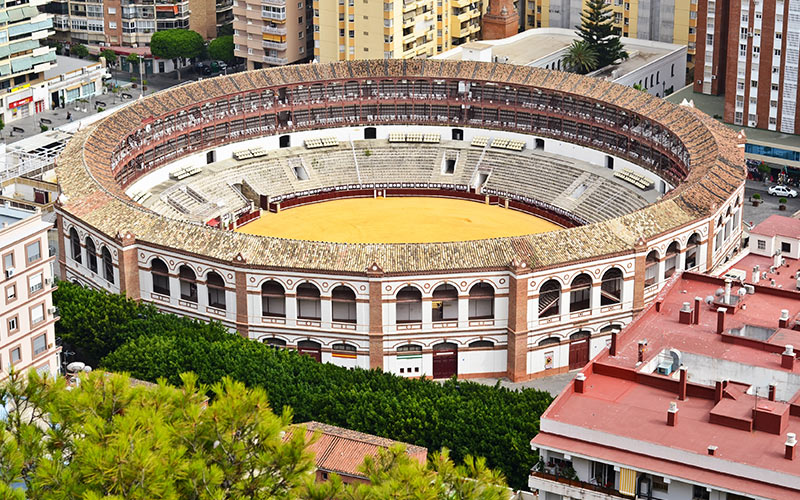
Less than 20 minutes on foot we can reach the La Malagueta bullring. This is a work by Joaquín Rucoba, who also made the Atarazanas market. With a neo-Mudejar style it has the shape of a hexagon. These features are best seen from the Gibralfaro viewpoint.
Málaga Pompidou Centre
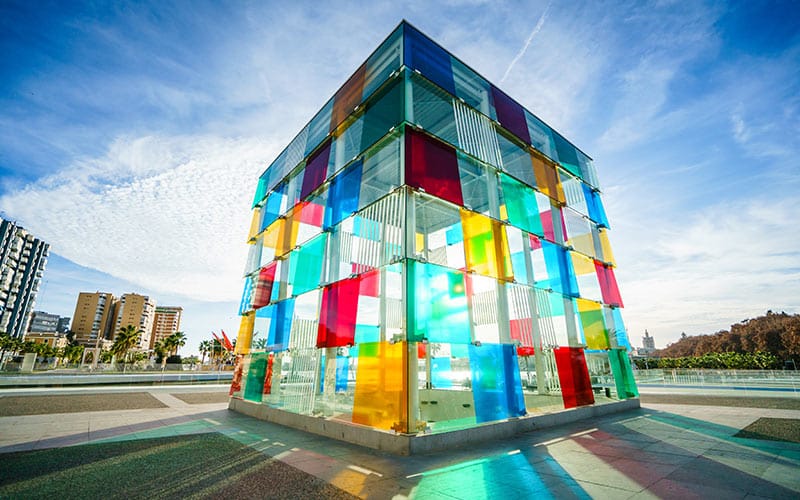
A little over 5 minutes away is the Pompidou Centre in Málaga. It is the headquarters of the Georges Pompideu National Centre of Art and Culture in France. This space is called El Cubo and on it is located the famous work "Incubé" by Daniel Buren.
La Malagueta Beach
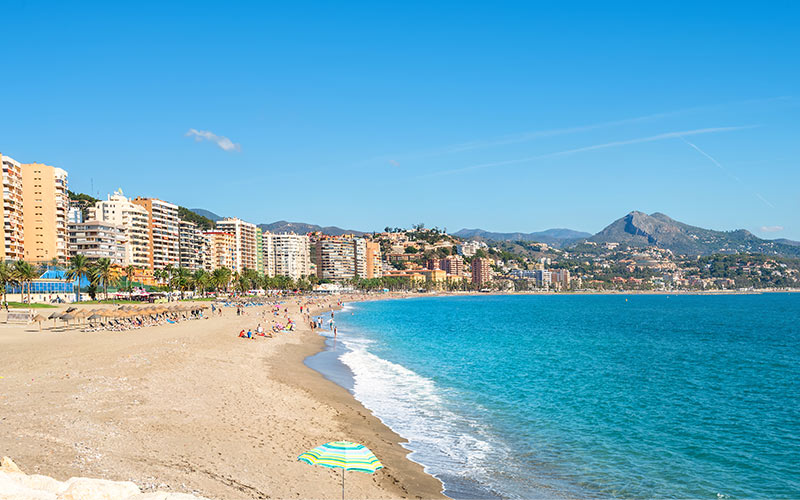
Of course, we cannot miss the opportunity to enjoy a couple of hours (or more) on the beach of La Malagueta, located near the port. It is 1,200 metres long and is one of the most visited beaches due to its proximity to the city. This beach on the Málaga coast has dark sand and moderate waves. It is perfect to go with your family in summer or simply to walk along the seashore.
Farola in Málaga
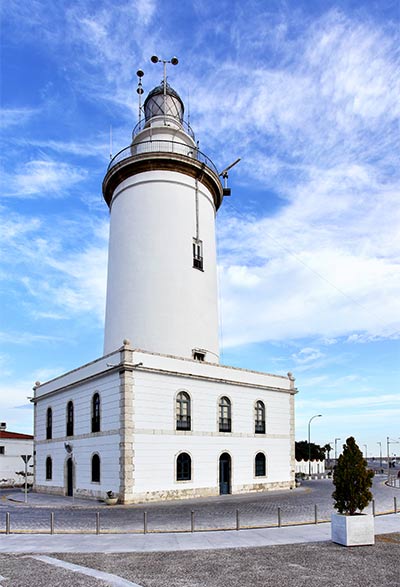
Following the beach course we will arrive at the Farola de Málaga. Giving name to the promenade where it is located, this lighthouse is, along with the one in Tenerife, the only one that receives a denomination in feminine. A symbol of the city, it was built during the reign of Ferdinand VII.