
The Way of El Cid through Teruel: a legendary route
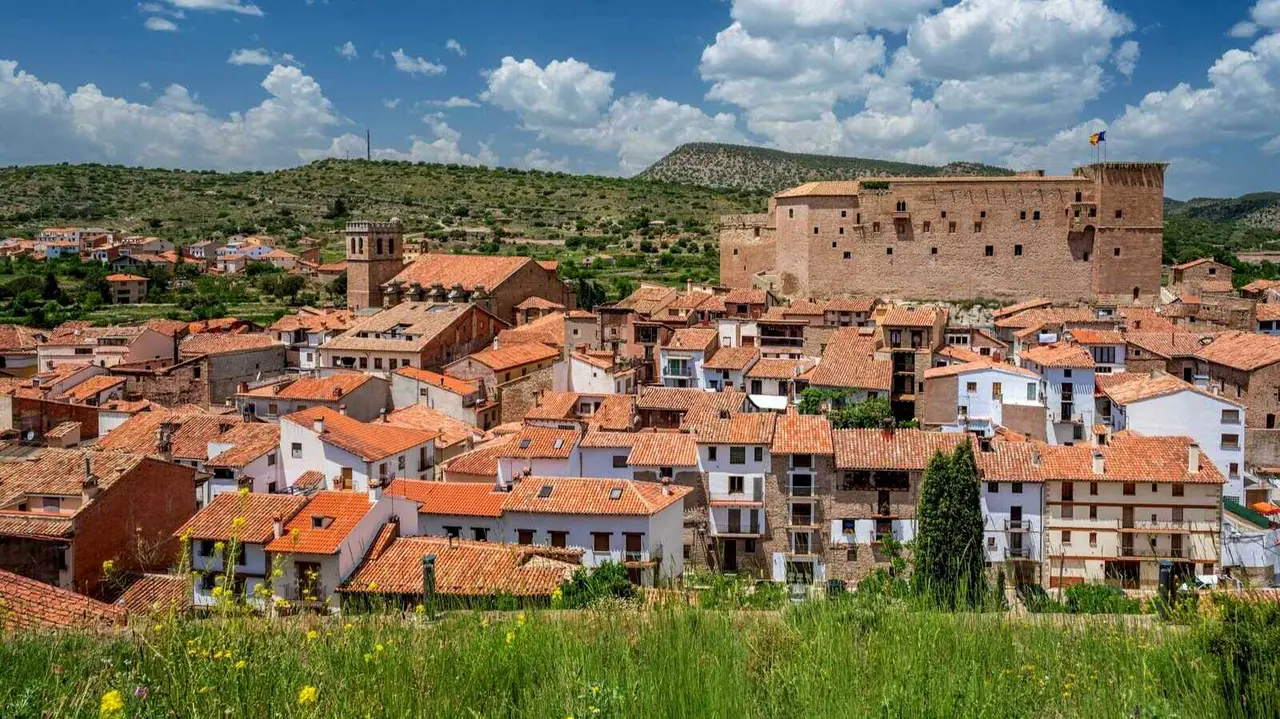
Triumphant contours of castles undiminished by time, towns with a medieval flair and landscapes having borne witness to heroic events. These are the sights that kindle the memory of Rodrigo Díaz de Vivar, commonly known as El Cid, who passed through Teruel after being exiled from the kingdom of Castile and before his eventual conquest of Valencia. Tracing the footsteps of this legendary warrior is an adventure where the line between history and legend becomes blurred.

Following in the footsteps of El Cid in the province of Teruel
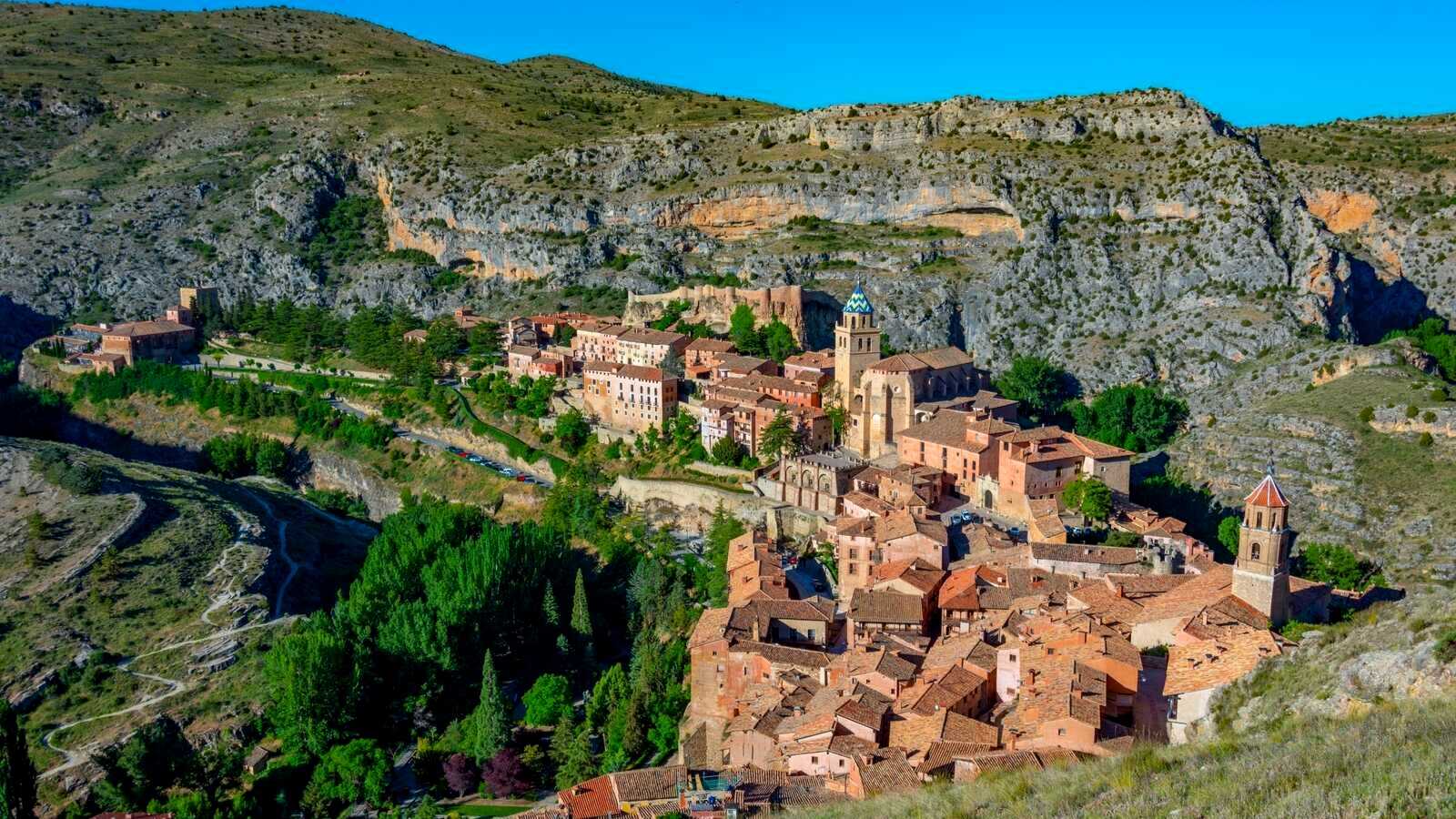
The Aragonese province of Teruel is the setting to one of the most evocative moments from El Cid Campeador’s famed medieval journey. From the plains of Calamocha to the rugged landscapes of Maestrazgo, the Way of El Cid (Camino del Cid in Spanish) encompasses the essence of this onetime borderland between medieval kingdoms.

The province of Teruel reveals piecemeal fragments of its history. A statue in the village of El Poyo del Cid commemorates the site as a former stronghold of the Castilian knight. Further south in the province, the imposing defensive citadel of Albarracín recreates that long-ago era of siege and conquest.
A route where stones depict age-old tales
The provincial capital town of Teruel appears along the route of El Cid, with its narrow cobblestone lanes and stylised Mudejar towers, a designated World Heritage Site. However, one ought to first visit the village of Cella, the place where the famed El Cid is said to have camped while preparing his soldiers for the assault on Valencia. Here, the flowing waters whisper of ancient feats as much as the stones do.
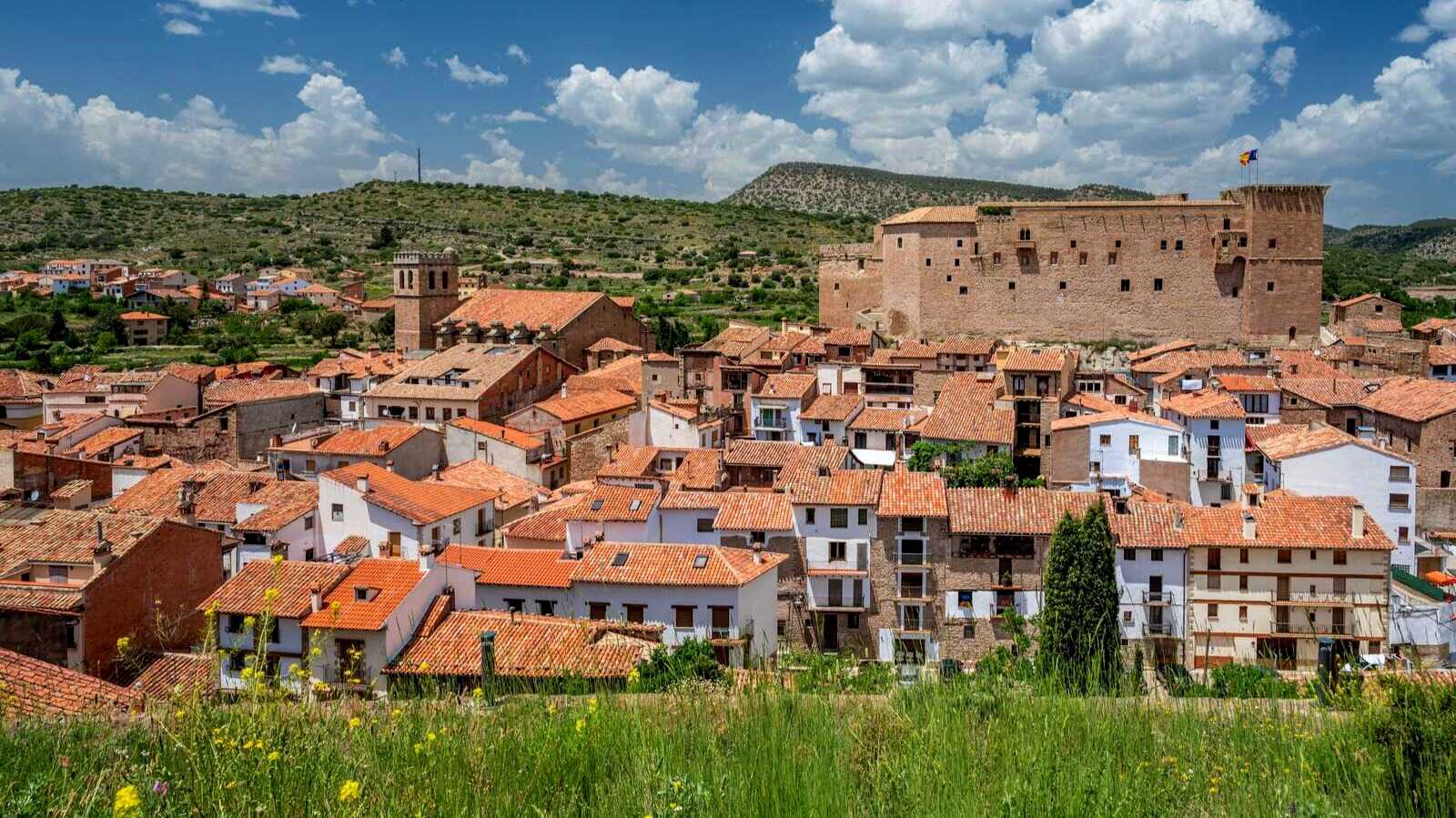
Approaching the province of Castellón, the Way of El Cid permits views of the magnificent silhouette of Mora de Rubielos Castle from afar. The route continues a few kilometres to the so-called 'Portico of Aragón', Rubielos de Mora, with its exquisite succession of stately homes that stand as reminders of past splendour.
Some of these stop-off points allow access to additional trails. In Teruel, the Way of El Cid includes three circular routes at Montalbán, Maestrazgo and Morella, which extend into Castellón Province. There one will encounter villages firmly rooted in yesteryear including Mirambel, Mosqueruela and La Iglesuela del Cid.
Fabled landscapes along the Way of El Cid
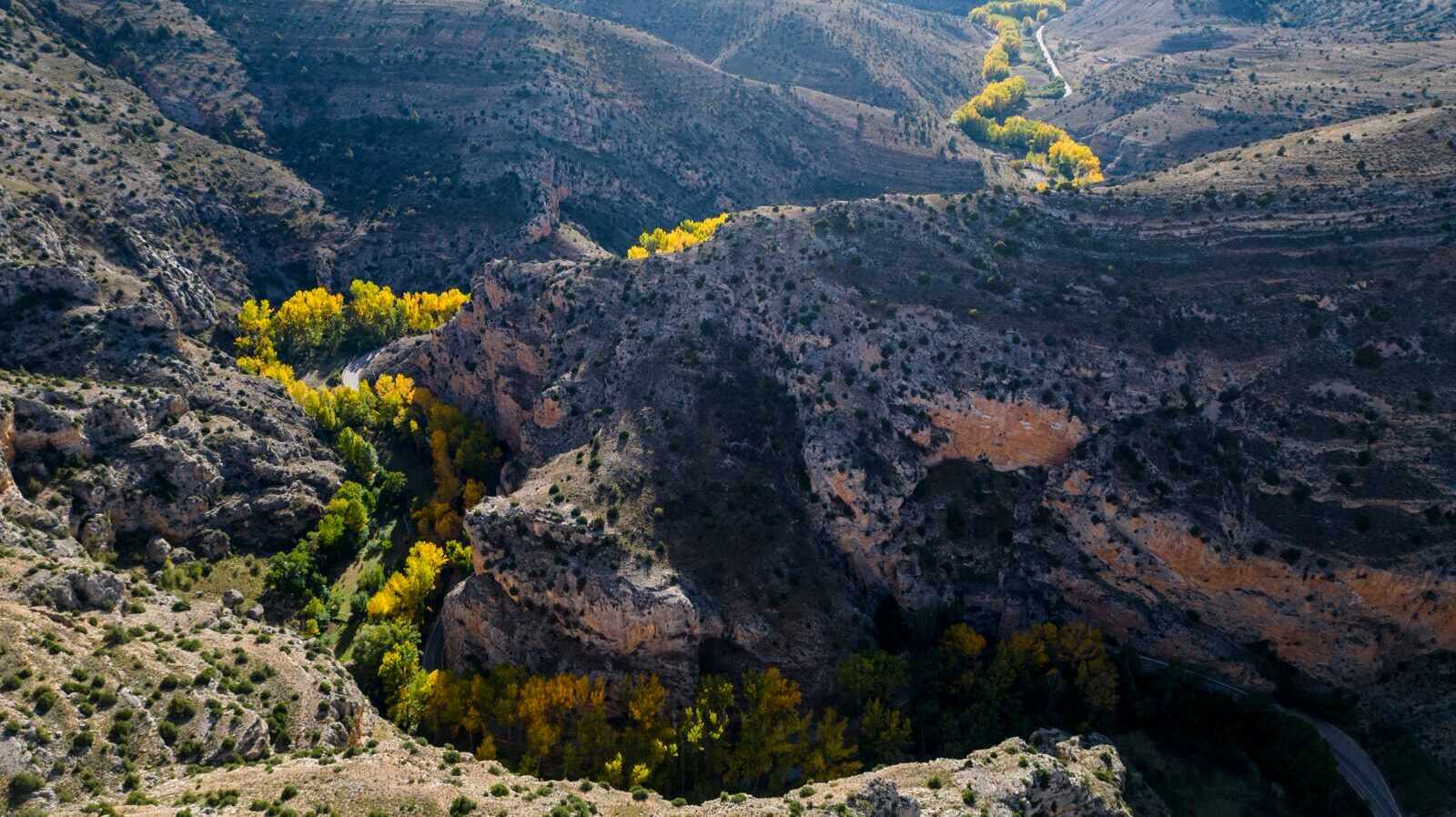
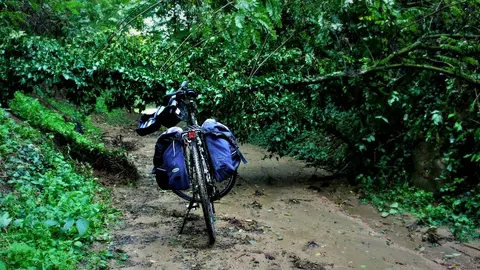
On its course through the province of Teruel, the Way of El Cid joins the Ojos Negros Greenway, a segment of Spain’s longest pedestrian pathway. No detour from El Cid Campeador’s trodden path is needed to contemplate countryside views of breathtaking beauty.
The land gradually turns more rugged in the regions of Jiloca, Javalambre and Maestrazgo, where plateaux and ridges give way to summits reaching heights of 2000 metres in the Sierra of Gúdar. Trekking El Cid’s route through Teruel is a unique way of imagining the epic adventures of that legendary medieval warrior, a journey where each step is a discovery and every stone a fragment of history.
You can also read this article in Spanish.
Follow us on Facebook to discover more fascinating places in Spain!