
Margarita Ruyra, co-founder of Es Fascinante: “We update the Zuloagas’ fight for Spanish crafts”
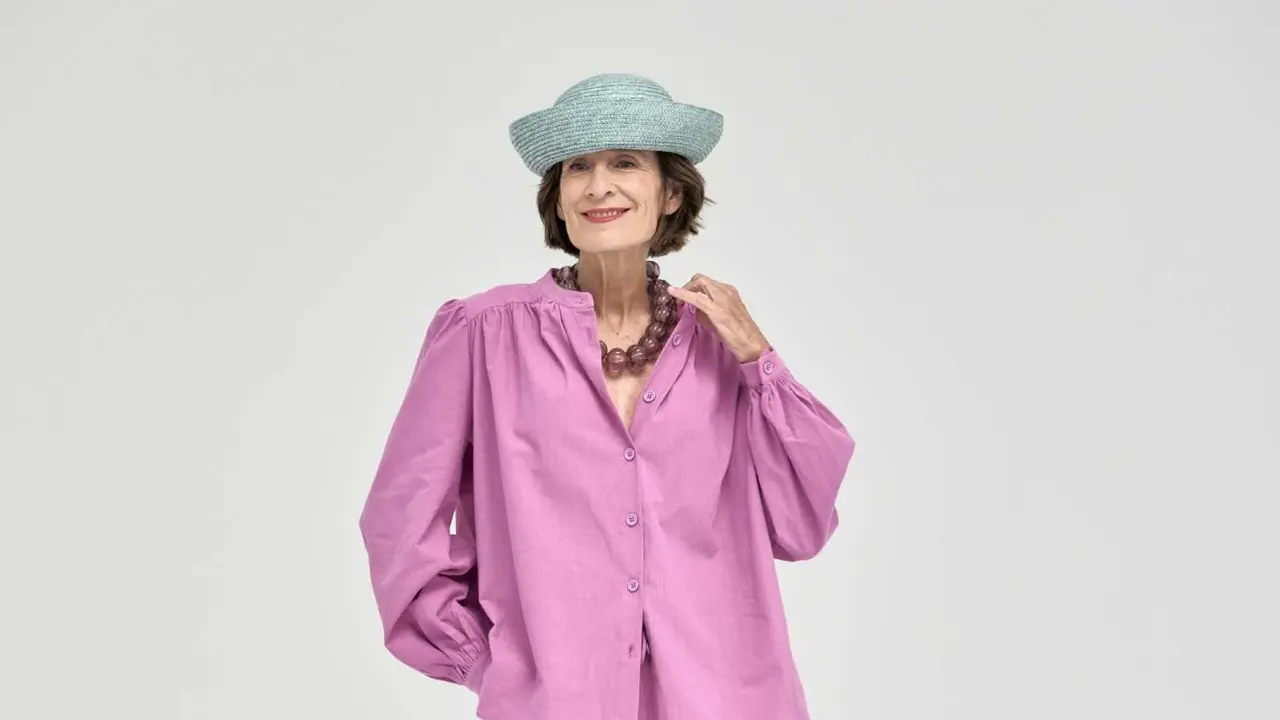
In a recent video, you claimed that Es Fascinante was born from a Facebook account.
Yes, from the community ‘Estilo con origen,’ dedicated to showcasing the value of the great diversity of creations by our designers and artisans. That first project was my way to catch up with the world of design and decorative arts, a pending issue for our family.

Why were decorative arts a pending issue for your family?
I discovered the castle of Pedraza in the early days of my relationship, as well as the Zuloaga museums of Zumaya and Segovia. By seeing these collections, I realised that, in this family, there were artists as important as the popular painter. People who represented Spain in international exhibitions and created many of the royal state gifts. Pieces by these unknown artists are in many of the main museums and royal palaces of the world.
I had always been interested in decorative arts, poorly valued disciplines in Spain that are the historical precedent to the current design and decorative trends. You only need to see the limited space and budget of our Museo Nacional de Artes Decorativas (National Museum of Decorative Arts).
Who are those Zuloagas most people don’t know about?
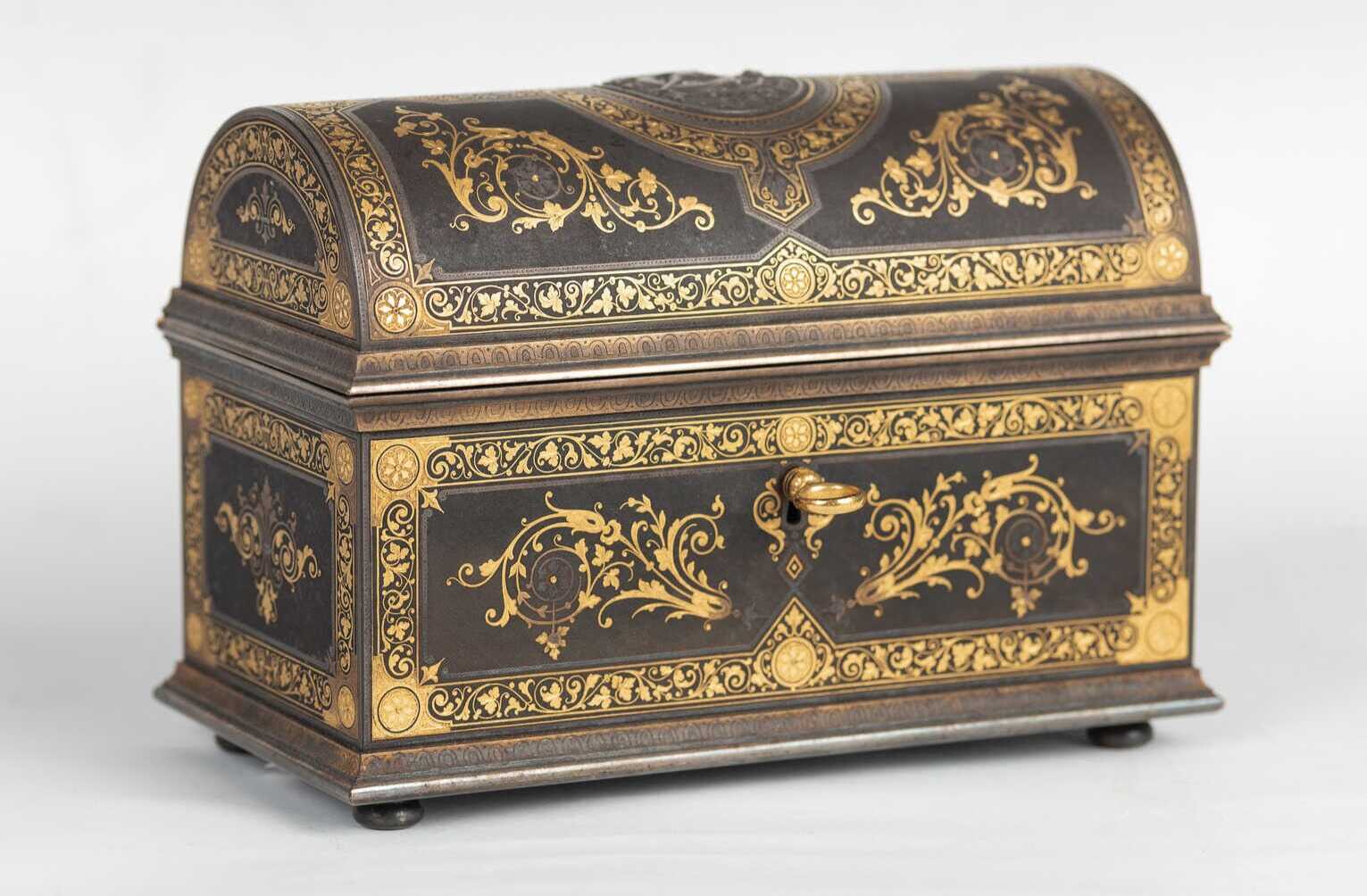
They are a few generations of armourers, damascene artisans, sculptors, and ceramists who created art pieces for the kings and their gifts to foreign dignitaries. Basically, there were some important gunsmiths who restored pieces of the Royal Armoury. One of them, Eusebio Zuloaga, developed a new method of inserting metals known as ‘estriado a cuchilla’. He became the first Spaniard to win two of the top prizes at the Great Exhibition of 1851, the first universal exhibition. His son Plácido would gather 36 gold medals in international exhibitions, and he was decorated by the kings of six European countries for the pieces sold to them. After their education at Sèvres, the ceramists Guillermo, Daniel and Germán Zuloaga, they reopened the Royal Factory of La Moncloa, which produced earthenware, porcelain, ceramic, and high-quality glass, with the sponsor of the Spanish royal family. Daniel is known as the most famous Spanish ceramist.
What about the famous painter?
Ignacio was Plácido’s son and Daniel’s nephew, who he was really close with. Daniel was a pioneer of the regionalist aesthetic of the Generation of '98, an interest that would be transmitted to his nephew.
I read that Zuloaga was the painter of the Generation of '98
That is a common thought, but it is not strictly true. Ignacio’s painting inspired dozens of articles by Unamuno, Maeztu, Baroja, Azorín, the Machado brothers… all those great writers who developed Spain’s traditionalist identity. They praised Zuloaga’s paintings of local people and devastated landscapes, examples of the immortal Spain that resists death and does not succumb to foreign trends. But they also wrote about those same paintings with opposite views; those that understood these paintings did not elevate country life but criticised it. Ortega y Gasset said, “Spain is the problem, and Europe is the solution.” Together with his friends of the Generation of '14 (Marañón, Pérez de Ayala, Azaña, Araquistain…), he proposed cosmopolitanism as a solution. Both groups spent many hours with the painter.
He assembled two groups with different views?
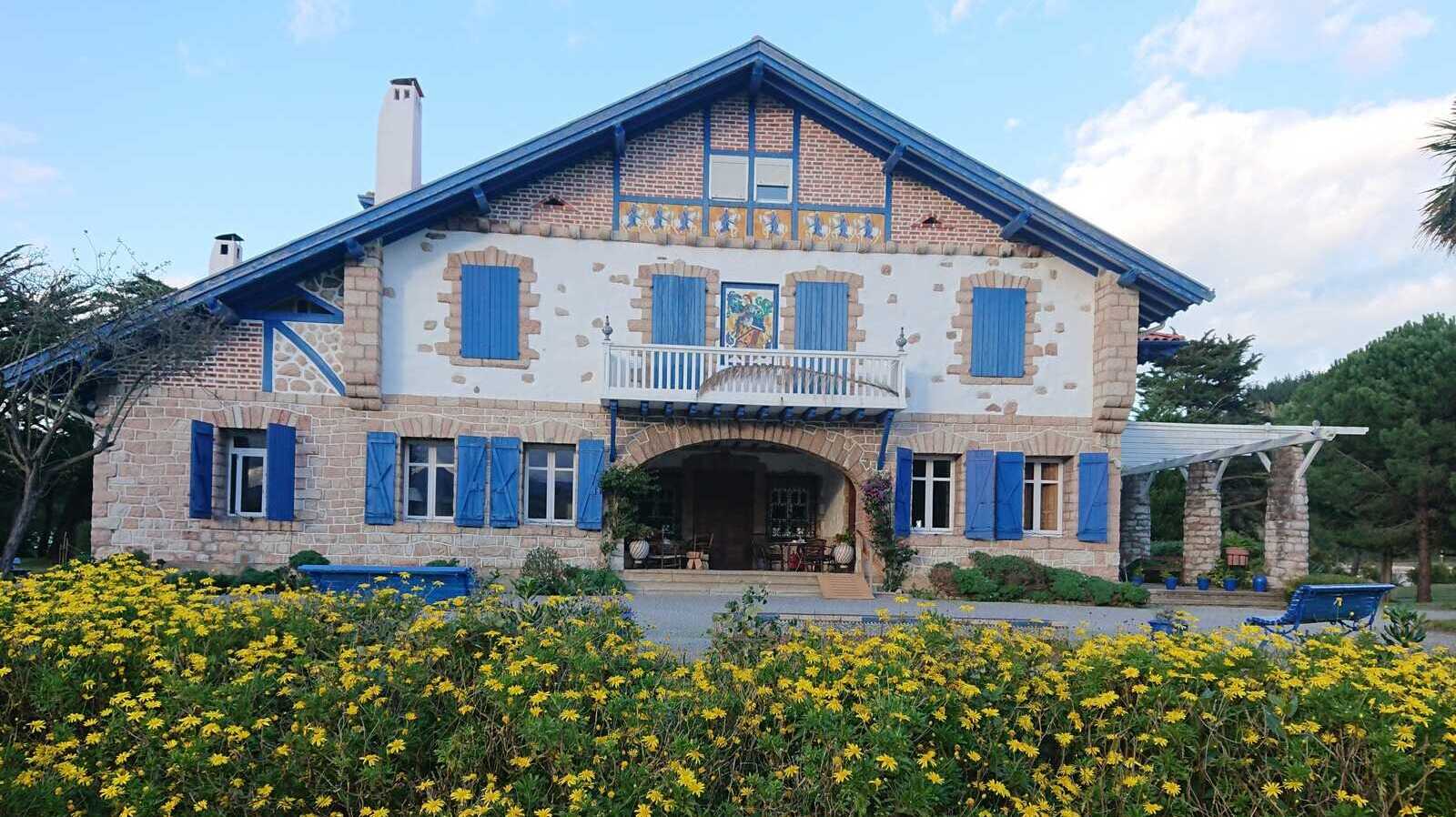
Those were other times [she laughs]. Biasing was limited to politicians. Intellectuals disagreed politely, although some disputes, like the one between Unamuno and Ortega, lasted for decades. Back at the time, without air conditioning and with long holidays, they gathered in Guipúzcoa for the summer, some of them on the coast and others in indoor spas. Since Zuloaga had a big house, he received them there, bringing together very different people. Pérez de Ayala even wrote that Santiago Etxea was like Villa Medici, a place where the most elevated spirits gathered. The type of place we need nowadays [she laughs].
I have heard that they managed museums.
Besides painting, Ignacio performed diverse acts of local practical development. In 1913, he brought Zaragoza’s authorities to Fuendetodos to raise awareness of the need to save Francisco de Goya’s birth house. When they ignored the matter, he personally took care of it; he built a school and contributed to the local development. He began to do something similar with the windmill of Burleta at Campo de Criptana. He also started private museums in Zumaya, the castle of Pedraza and Fuendetodos, and contributed to the Museum of San Telmo in San Sebastián. Two precedents led to these initiatives: his father created an extraordinary museum collection in the Kontadorekua tower of Eibar, and his uncle Daniel did the same in the church of San Juan de los Caballeros. They kept the funds of the Zuloaga Collection.
What is the Zuloaga Collection?
The painter’s great-grandfather, royal gunsmith Blas Zuloaga, began his collection in 1830. This collection was passed down from one generation to the next, with divisions and additions until the present day. Nowadays, Fundación Zuloaga hosts temporary exhibitions with them as part of their programme ‘Arte para todos’.
How is this story linked to Es Fascinante?
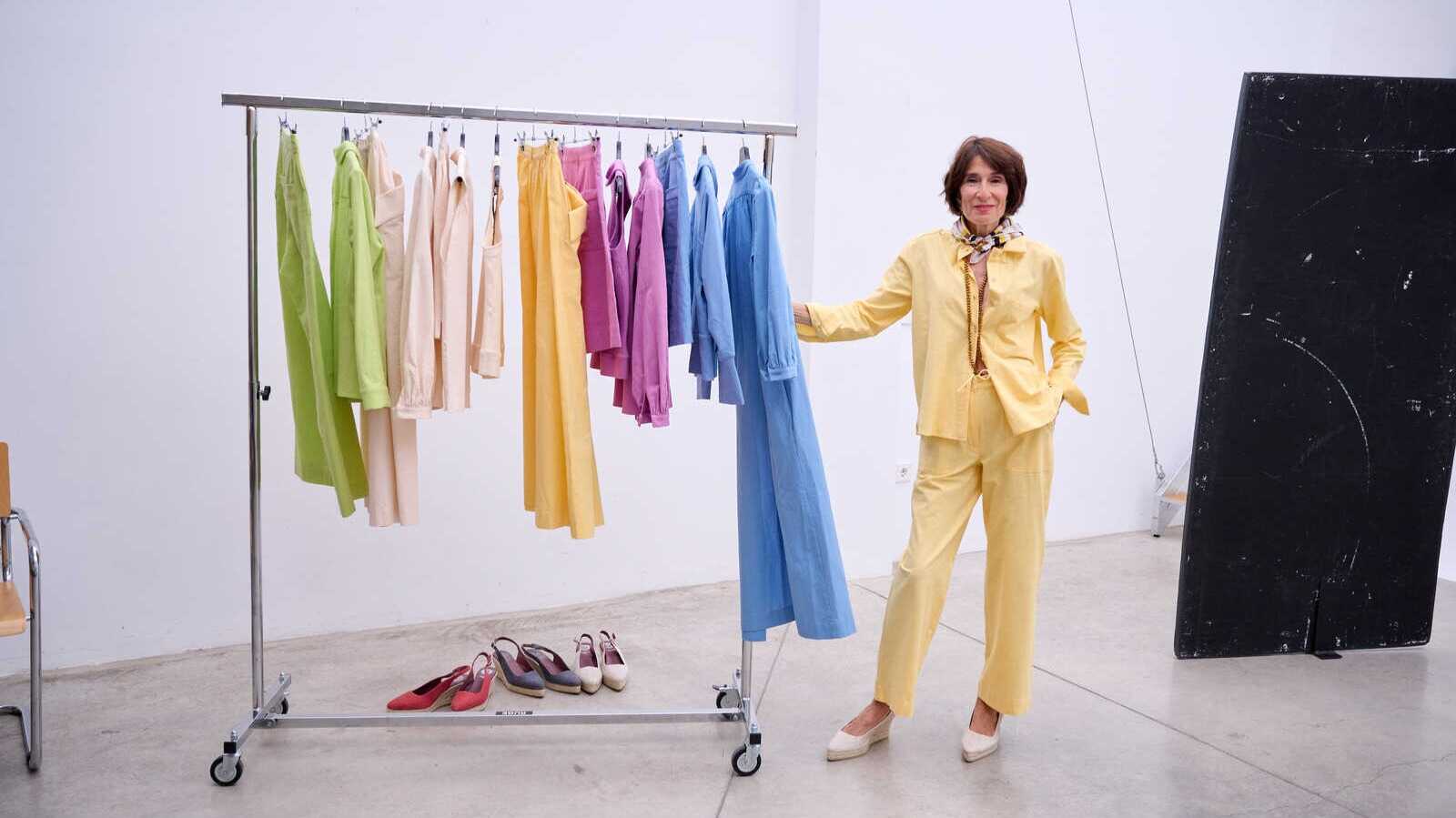
We decided to exploit our professional experience in digital marketing to contribute to local development, a fixation of my husband’s ancestors who emigrated to cities but always came back to Eibar and Zumaia. That is why we created the digital platforms España Fascinante and Fascinating Spain. Es Fascinante comes from the fashion community of this platform, which we turned into a multibrand shop of slow fashion, crafts and art made in Spain. It is about promoting local production in diverse ways.