
9 mind-blowing facts you didn’t know about the Spanish Royal Family
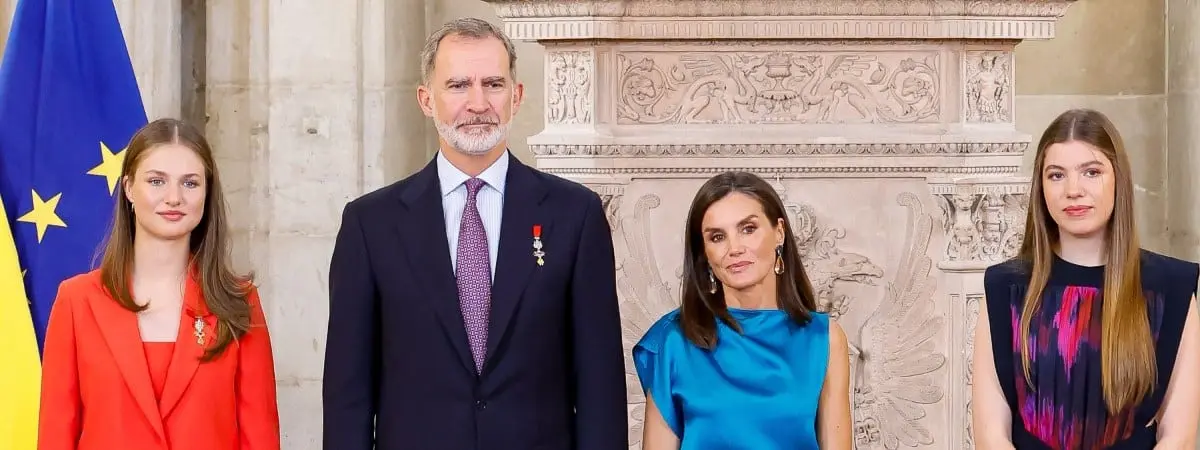
Most people believe that the Spanish monarchy was created as a result of the dynastic and territorial union between Isabella I of Castilla and Ferdinand II of Aragón, to which the kingdoms of Granada and Navarra would later join. Since that union, surprising incidents involving the Spanish royal family have not been lacking. Down to the present day, there have been numerous anecdotes throughout Spain’s history regarding members of the Royal Family and many of these are little known today.

Interesting and little-known facts about the Spanish Royal Family
The secret elopement of the Catholic Monarchs
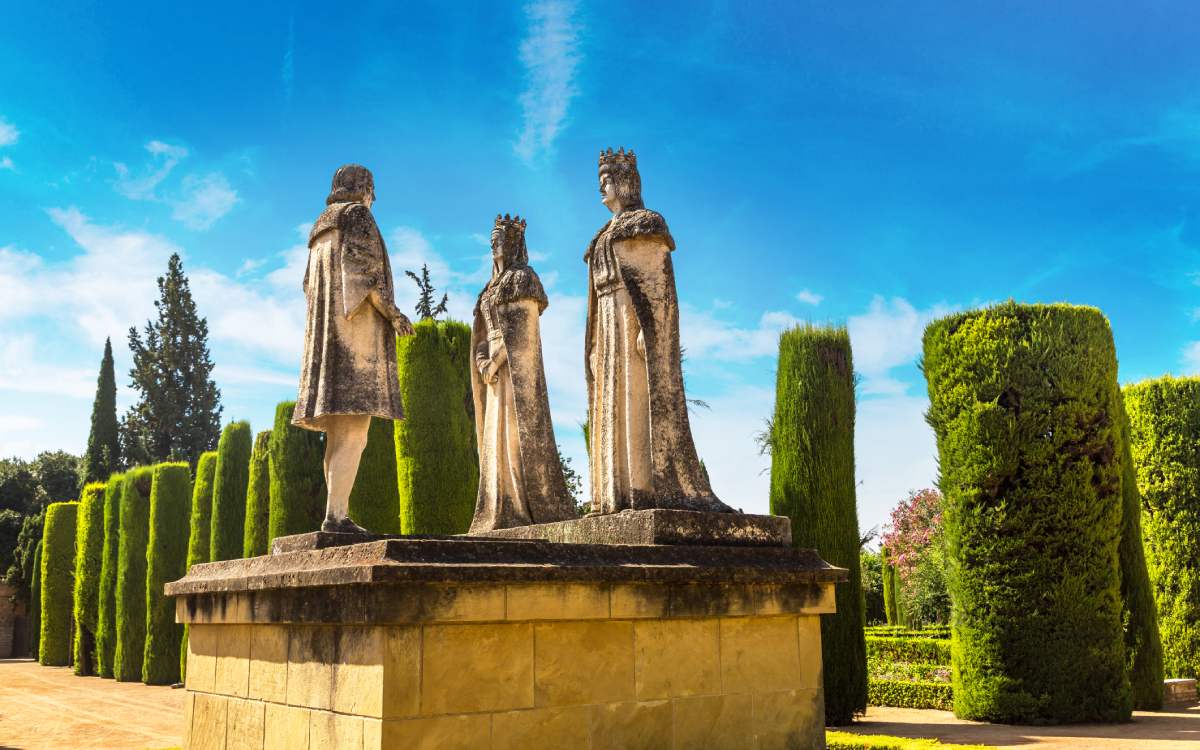
Few people realise that Isabel and Fernando’s wedding was a clandestine affair condemned by the Pope for reasons of consanguinity between the bride and groom, who were distant cousins.
For this reason, the marriage ceremony took place at the private Vivero palace, and Fernando disguised himself in order to hide his identity. Upon discovering the ruse, the Pope excommunicated both of them. They spent their honeymoon at the cursed Fuensaldaña Castle and only later did the Vatican eventually rehabilitate them.
Juana of Castile, ‘mad’ with jealousy
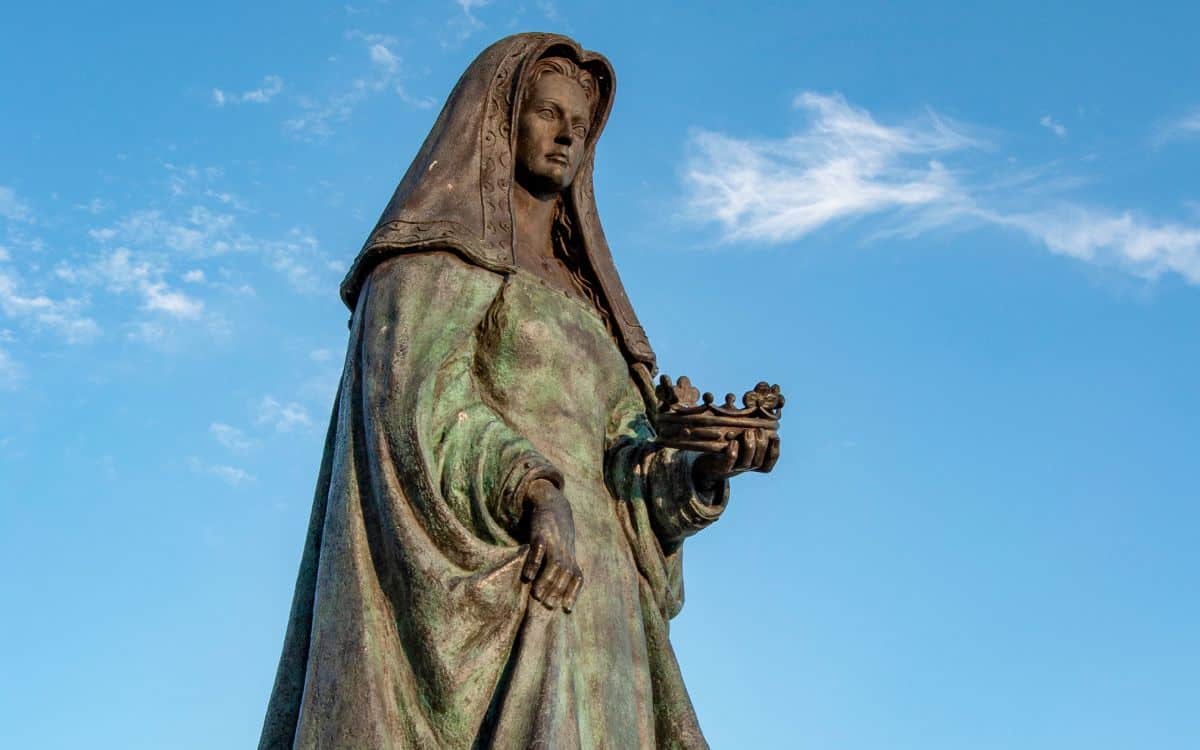
Juana I of Castilla continues to be known as Juana la Loca (Mad Juana), a controversial and rather tragic figure. The jealousy she felt towards other women that surrounded her husband, Felipe el Hermoso (Philip the Handsome), exacerbated her obsessive disorder, which would reach absurd extremes.
One such anecdote claims that she gave birth to her son Carlos in the water closet during a festive ceremony because she did not want to leave her husband for too long in fear of not keeping an eye on him. Her obsession even endured after Felipe’s death when she maintained a tireless vigil over her late husband’s grave.
The cursed Carlos II

Carlos II, the last of the Habsburg dynasty to hold the Spanish throne, was a truly singular figure. Barely managing to reach adulthood due to his precarious health, his mission to conceive an heir was too much for him.
The supposed reason for his inability to conceive an heir was believed to be demonic possession, witchcraft and ultimately, from a curse that afflicted the king. Every remedy under the sun was used against the so-called curse, from magic spells and palace exorcisms to fasting while drinking blessed oil. Nothing, however, stopped The Bewitched from dying in 1700 without a successor.
Felipe V, the frog king
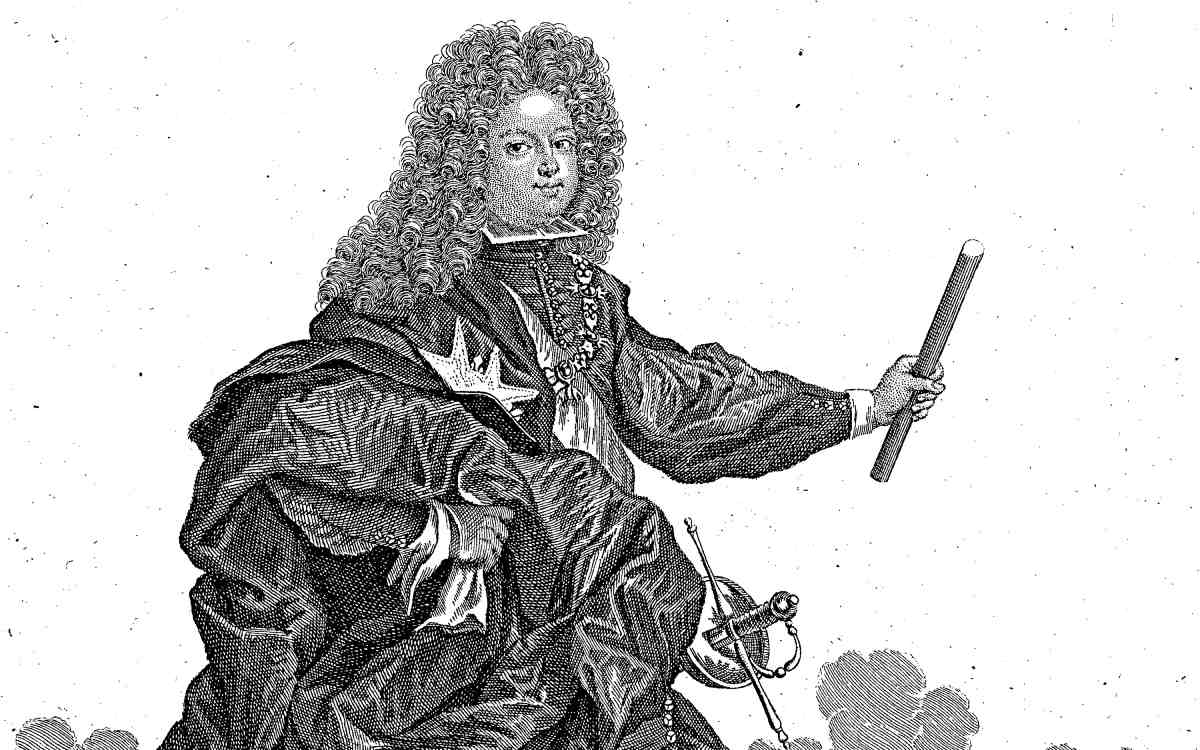
The first king of the Bourbon dynasty was not alien to mental health problems either. In particular, it seems the vapours (as they were called at that time) that afflicted him were manifested in manic-depressive episodes and a melancholy that often turned grotesque.
The hallucinations the king suffered from at times made him believe, among other things, that he was a frog, to such an extent that he could be found wandering the grounds of the palace at times croaking and jumping about. There was also the time in 1717 when he believed the sun itself was stalking him and he saw himself at death’s door.
The shortest reign in Spanish history

Felipe V’s son, Luis I, was rightly dubbed the Brief King. His reign lasted only 229 days in 1724. Married at the age of 15, he had to endure the personality disorders of his even younger wife, Louise Élisabeth d’Orléans.
Both of them were stricken with smallpox and Luis died at the tender age of 17. His father, who had already abdicated and was in no condition to rule, was forced to wear the crown once again.
The birth of the lottery
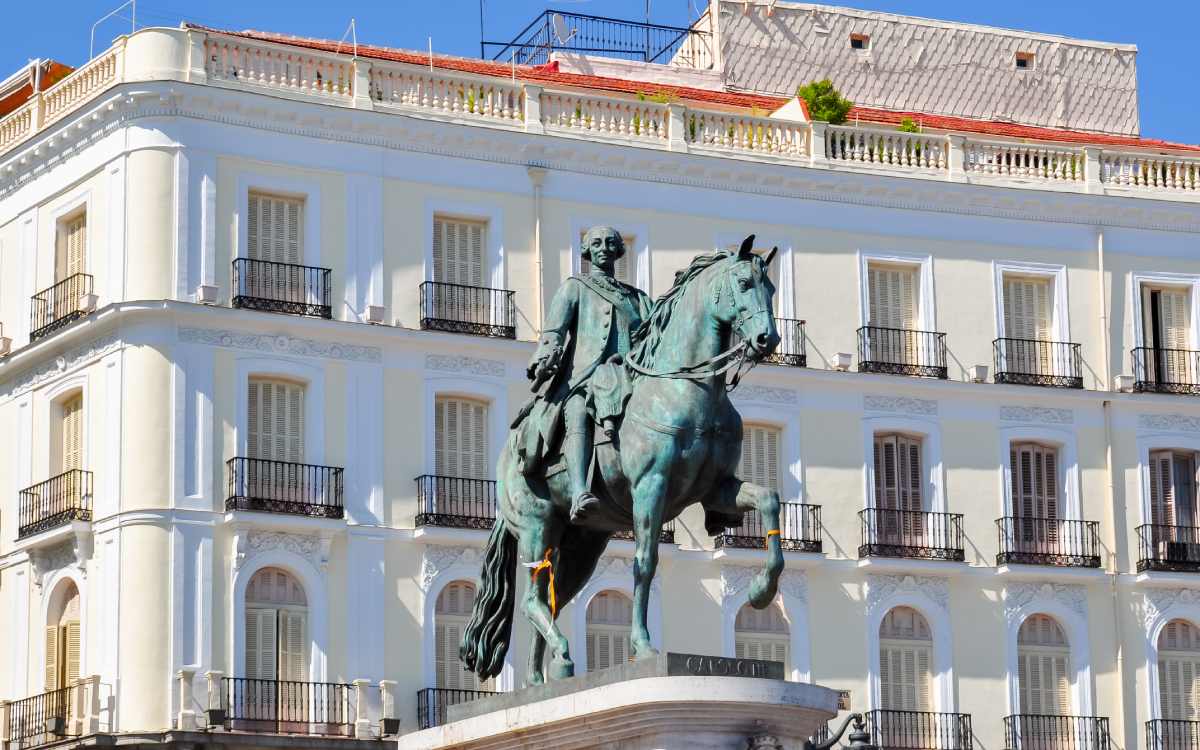
Carlos III has gone down in history as the erudite king par excellence. Nevertheless, among his contributions, there is one that is lesser known. During his reign in 1763, he instituted the so-called Renta de la Lotería, following the example of other kingdoms that had already instituted such lotteries.
Having reigned over the Kingdom of Naples and the Kingdom of Sicily, Carlos III knew of the lottery and dispatched the director of the Neapolitan lottery to establish one in Spain. A short time later in 1771, the children from San Ildefonso School were enlisted to announce the winning numbers, a tradition still maintained to the present day.
The lost luggage of Joseph Bonaparte
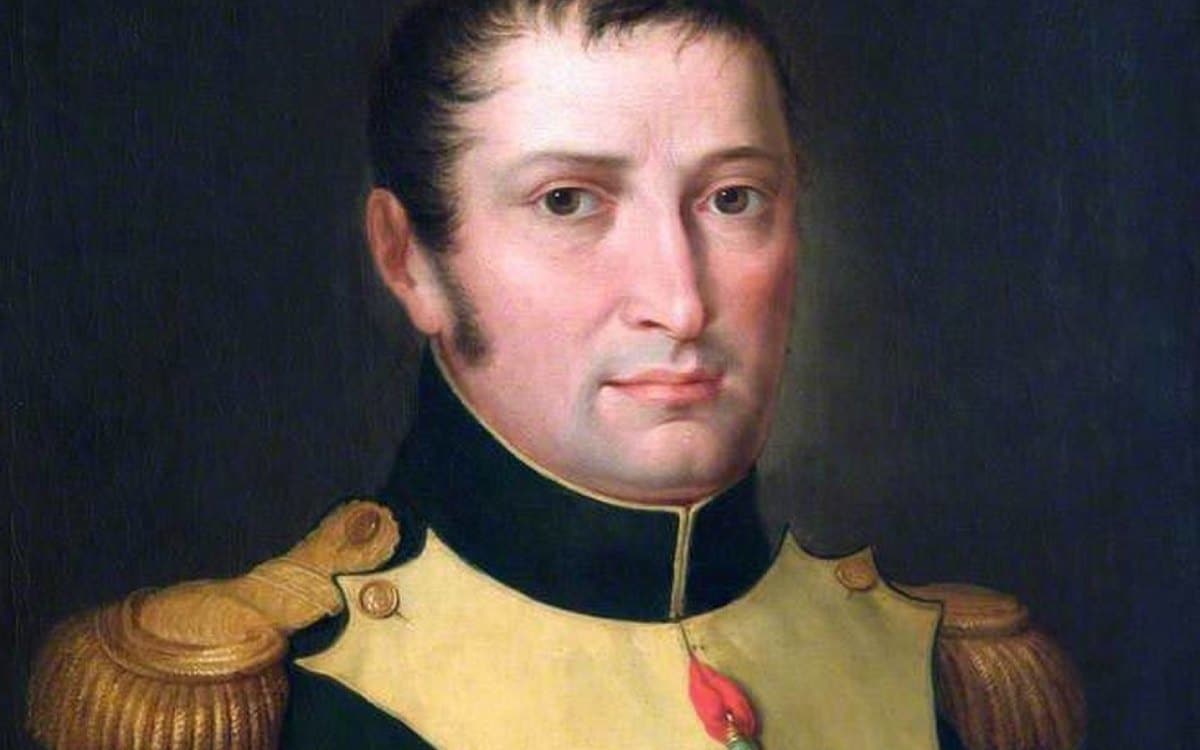
José I, or Joseph I Bonaparte, installed on the Spanish throne by his brother Napoleon, received the snide soubriquet of Pepe Botella (Pepe Bottle) for having favoured the sale of alcohol. However, he was also at the centre of an extravagant episode in 1813 when he was forced to flee Spain.
In the middle of the Spanish War of Independence, Bonaparte abandoned Madrid with such a colossal baggage train that not all of it managed to return to France. In Álava, a great number of the king’s belongings had to be abandoned, including a silver chamber pot, love letters and most notably, 200 paintings stolen from Spanish collections.
The king who almost won a Nobel Peace Prize

Another little known fact is the nomination of a Spanish monarch for the Nobel Peace Prize. And not once, but twice.
Alfonso XIII founded the European War Office in 1915 during the First World War with the aim of locating imprisoned or missing civilians and soldiers, all of which was financed by the Spanish crown. Many countries (except Spain) acknowledged his work, which led to his nomination for the Nobel Peace Prize in 1917 and again in 1933, when he had already been forced to leave Spain.
The king’s titles: from the Golden Fleece to the Ocean Sea

The rich history of the Spanish Royal Family has bestowed upon the current king a long and curious list of noble titles. In fact, Felipe VI continues to hold the titles of King of Castilla, León, Aragón, Toledo and many others in addition to a slew of territories that include King of the Indies and King of the Mainland and the Ocean Sea.
The current king is also Archduke of Austria, Duke of Burgundy, Count of Flanders and Barcelona, Lord of Biscay and Molina and many other historic titles too numerous to list. Likewise, the king holds the titles of Grand Master of the Order of the Golden Fleece and Grand Master of the Royal and Distinguished Order of Carlos III among many others. The Spanish monarch could even boast, if so inclined, the imperial title of Byzantium, given that it was sold to the Catholic Monarchs in 1502.
You can also read this article in Spanish here.
Follow us on Facebook!