Francisco Franco and the leftist painter he saved and later used
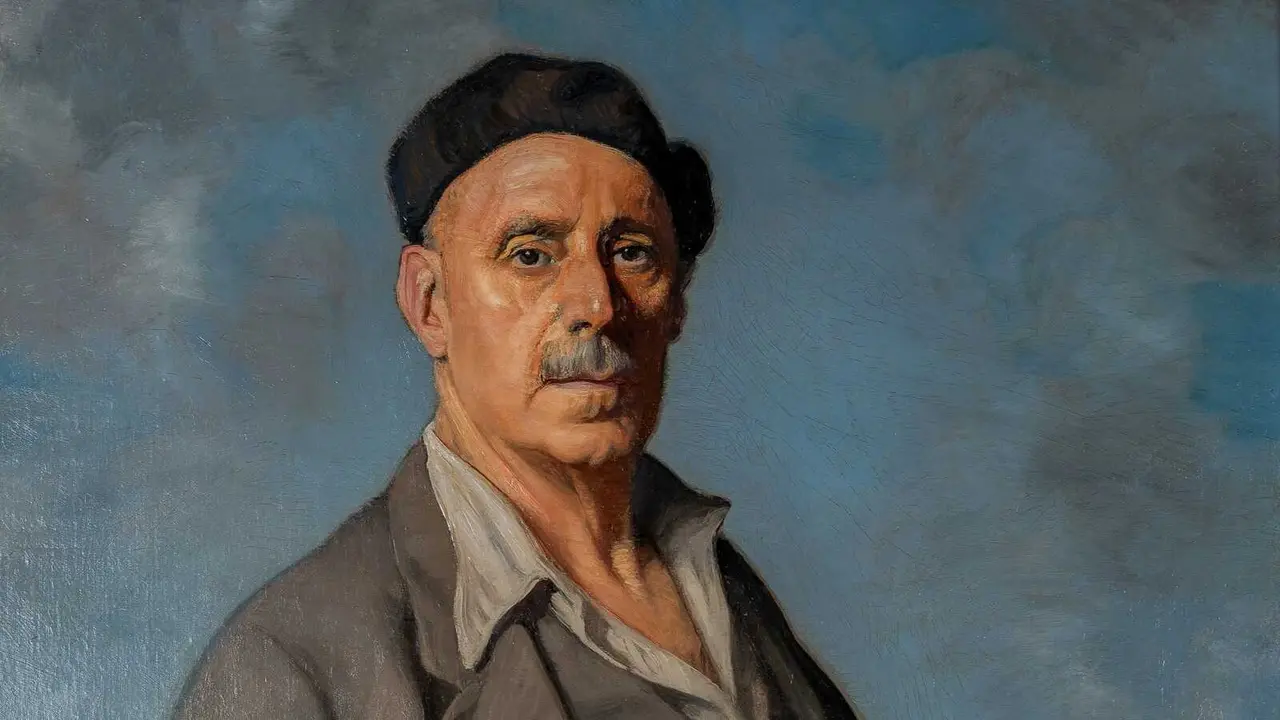
The 1936 military coup led most European and American public opinion to strongly support the legitimate government, pressuring their own governments to abandon the Non-Intervention policy and help the Spanish Republic defend itself. Thus, the improvement of the international image was a priority to Francisco Franco, the Spanish far-right dictator.

During the first months, atrocities behind the lines on both sides multiplied. In Granada, the poet Federico García Lorca was assassinated, and so was the writer Ramiro de Maeztu in Madrid. The “spiritual fathers of the Republic” fled from Madrid to France (Ortega, Marañón y Pérez de Ayala) and so did the novelist Pio Baroja from Vera de Bidasoa. He met his friend, the painter Zuloaga, in Saint-Jean-de-Luz, who avoided greeting him – a fact that Baroja would reproach him in his memoirs. The painter was afraid because he was heading to meet his family in Zumaia, a town under Republican control. From there, he wrote to his American friend, Alice Garrett, how he miraculously survived, asking her to send him money to London (where he was planning his exile). A few weeks after his arrival to Gipuzkoa, the Republican forces plundered the banks in San Sebastián, taking all the painter’s savings and a painting by El Greco.
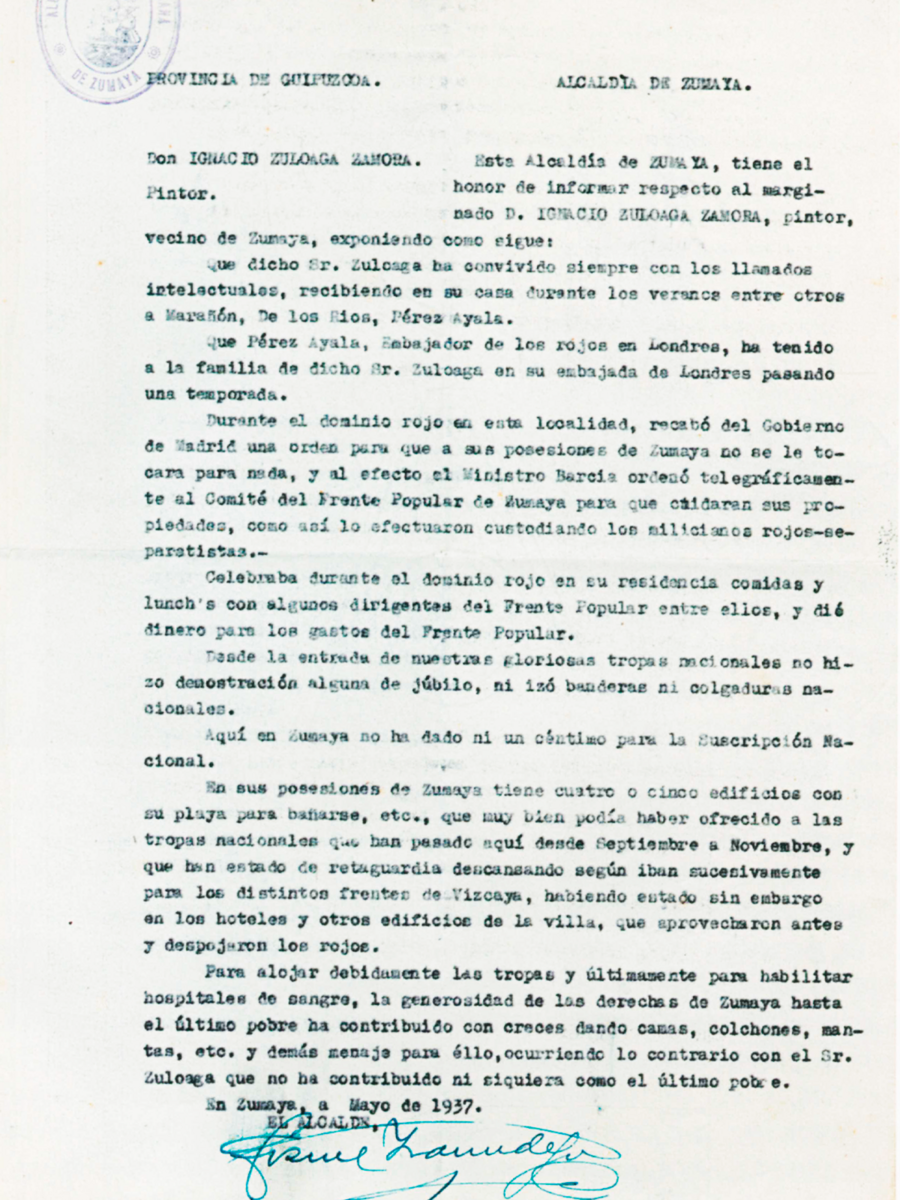
Over the next months, Zuloaga and his son-in-law were accused of being “separatist commies” and were included in a “disaffected people” list. The painter’s Republican friends and his initial attitude toward the Francoist forces occupying Zumaia contributed to the report written by the town mayor against him. Zuloaga’s son offered to go to war with the Carlist military unit (that supported Franco), trying to ease the pressure against their family. However, the threat continued, so the Zuloaga family moved to their house in Paris in June 1937.
By that time, the military commander in Zarauz contacted the general Franco, informing him about the situation of the painter and his son-in-law. Though Franco didn’t personally know Zuloaga, he sent him the order to stop harassing them. The pressure should have continued since the mayor Cosme Iraundegui was later dismissed.
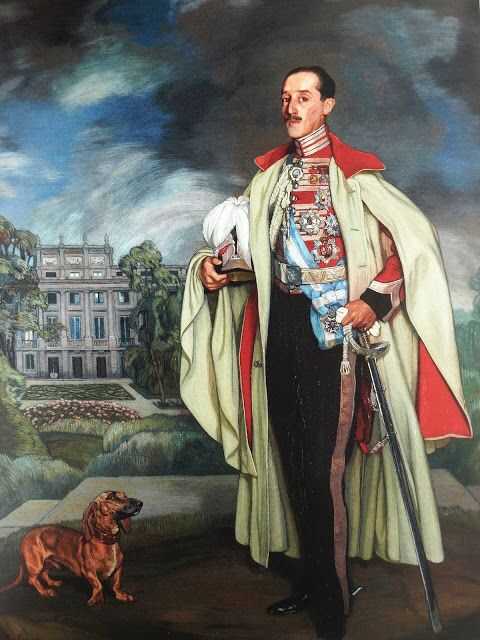
Some months before, the Duke of Alba – a great friend of the painter – told the international press that the paintings by Zuloaga and some other artists burned down during the fire that happened at the Liria Palace. Zuloaga’s anger grew when he visited the ruins of the tower where he was born, burned down during a military withdrawal, and when he learned that the paintings in his studio in Madrid had been stolen.
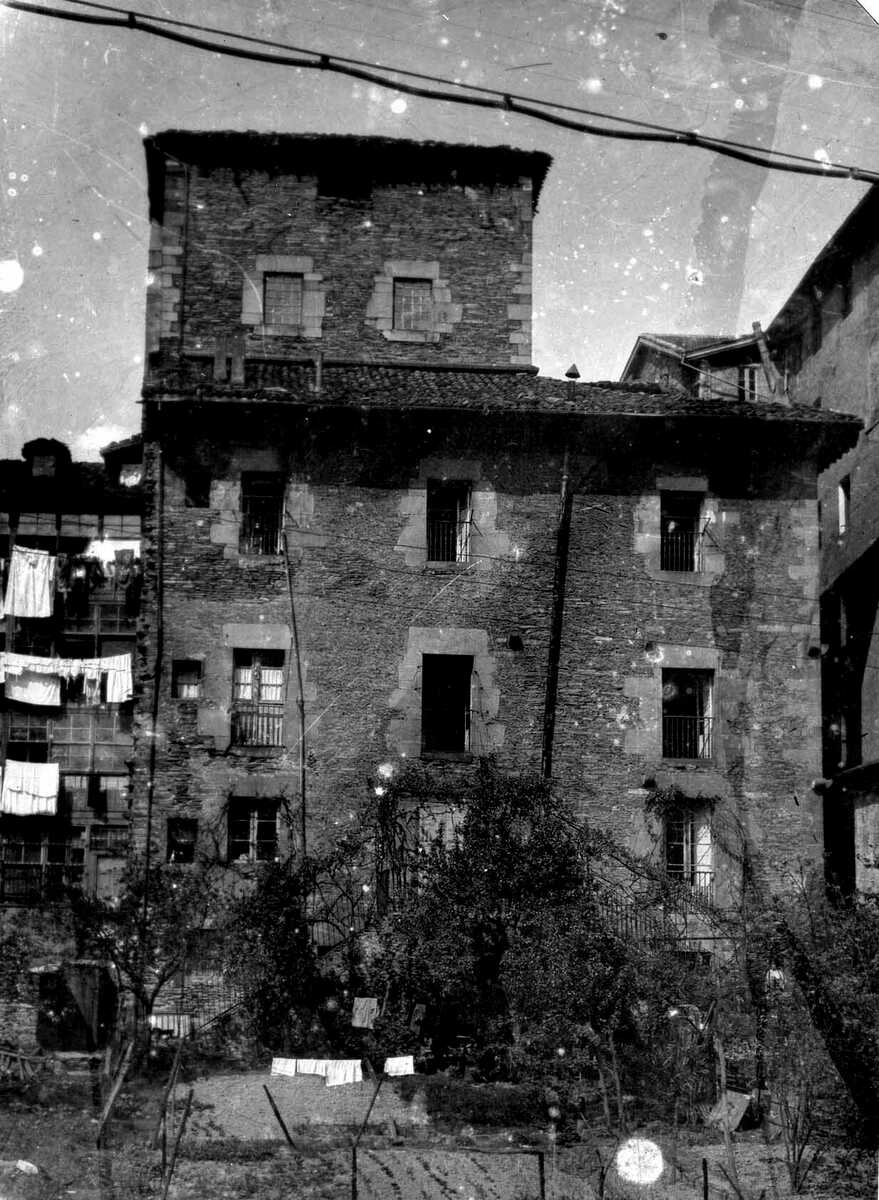
The painter tried to find his painting by El Greco, so he repeatedly visited the American ambassador Bowers in Saint-Jean-de-Luz. He would write about the fear that gripped Zuloaga that people might discover he was using Bowers as an intermediary to make inquiries in the Republican-held area, also explaining how he gradually shifted from neutrality to supporting Franco.
During his stay in Paris, in summer 1937, the painter reunited with his exiled friends, deciding to help improve the Francoist rebels’ bad image in the eyes of international public opinion. The painter showed his works in Venice and London, representing nationalist Spain, as well as his son Antonio – who had been withdrawn from the front – was in charge of the magazine Occident, published in Paris by the Catalan-supporter Francesc Cambó. There, some articles in favour of Franco were published by a lot of his father’s Republican friends: José Ortega y Gasset, Gregorio Marañón, Ramón Menéndez Pidal, Manuel Machado and Manuel de Falla, among others. Also, several dozen French historians, writers and journalists who were friends of the Zuloaga family did the same.
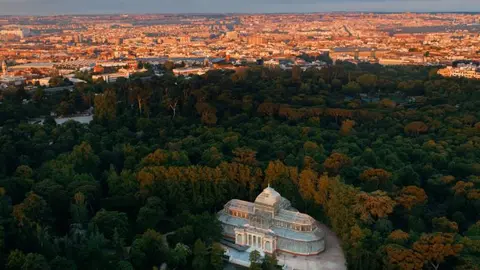
The artist managed to recover his painting by El Greco, as well as some others stolen in Madrid. The Zuloaga paintings belonging to the House of Alba were also recovered intact, since the duke had kept them in the Bank of Spain in case the coup failed.
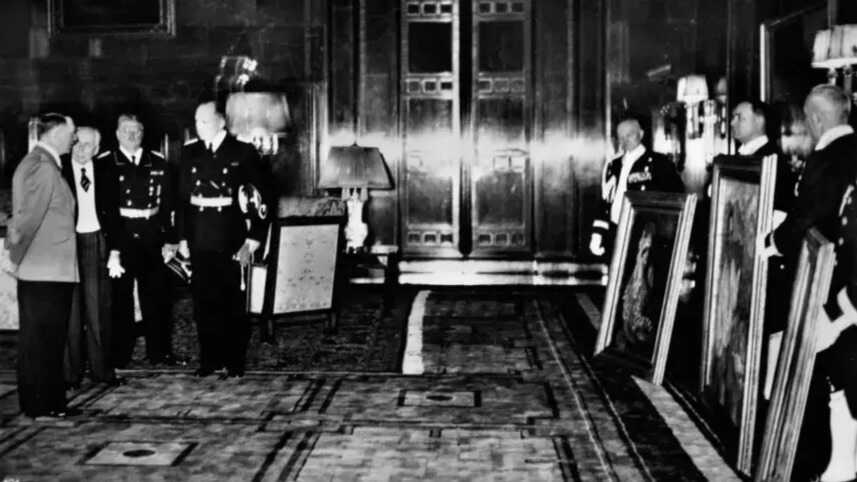
In the midst of the Spanish Civil War and with an imminent war in France, there were hardly any opportunities to earn a living from painting. But Ignacio Zuloaga was lucky that Franco and some of the main Francoist leaders commissioned him to paint some portraits. He also sold some paintings that were gifted by the Spanish government to the American ambassador Carlton Hayes, to Adolf Hitler and to the Republic of Chile. Likewise, he was engaged to polychrome the crucified Christ that Franco commissioned for the Valle de los Caídos.
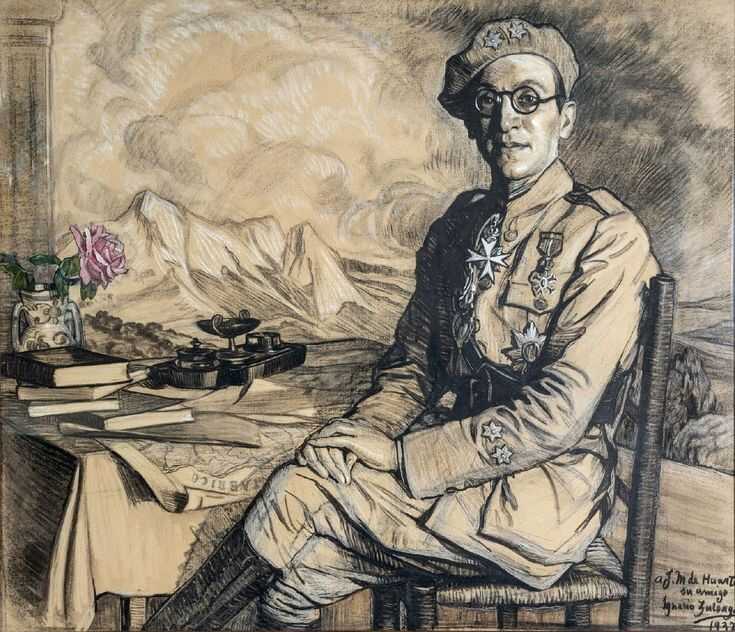
In this way, a painter who had been an anarchist and later a socialist ended up providing the dictator Franco with important support in international propaganda. Zuloaga didn’t forget the initiative of the commander Huarte (who warned Franco), to whom he gave two portraits. In the one shown below, in black and white, the only detail in colour is the pink rose beside the books.
Sources
- Jesús María Arozamena, Ignacio Zuloaga el pintor, el hombre. Sociedad guipuzcoana de ediciones y publicaciones, 1970.
- Pio Baroja, Desde la última vuelta del camino IV, Biblioteca Nueva, 1947.
- Claude G. Bowers, My Mission to Spain, Simon and Schuster, 1954.
- Carlton Hayes, Misión de guerra en España, E.P.E.S.A. 1946.
- Huarte Jauregui Papers of Spanish Civil War, Jon Bilbao Basque Library, Universidad de Nevada.
- Javier Novo, Ignacio Zuloaga y su utilización por el franquismo, Eusko Ikaskuntza, 2006.
- Javier Novo, ‘Zuloaga en tiempos de guerra’, en El verdadero Ignacio Zuloaga, Fundación Zuloaga, 2020.
- Borja de Riquer, El último Cambó (1936-47), Grijalbo 1997.
- Ignacio Suárez-Zuloaga, ‘Antonio Zuloaga Dethomas: una vida entre Francia y España’, en Antonio Cesar Moreno Cantano, Propagandistas y diplomáticos al servicio de Franco (1936 – 1945). Ediciones Trea 2012.
- Andrés Trapiello, Las armas y las letras, Destino, 1994.
Follow us on Facebook to discover more fascinating stories about Spain!