
The 7 wonders of Ronda to experience at least once in life
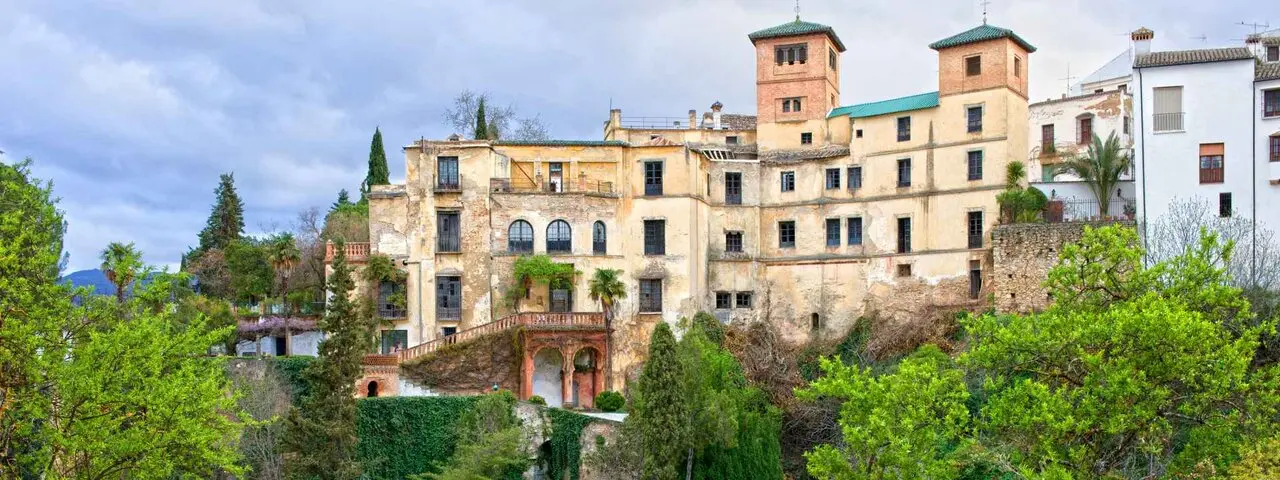
Nestled in the Málaga mountain range in a dazzling white hue lies the timeless and majestic city of Ronda. The beauty of its streets, an exemplar of Andalusian heritage in its purest form, is heightened by a unique setting of escarpments and a breathtaking gorge. Ronda in itself is a wonder to behold and the following is what should not be missed when visiting this place.

A stroll through the perennial essence of Ronda’s marvels
Puente Nuevo, custodian over the gorge
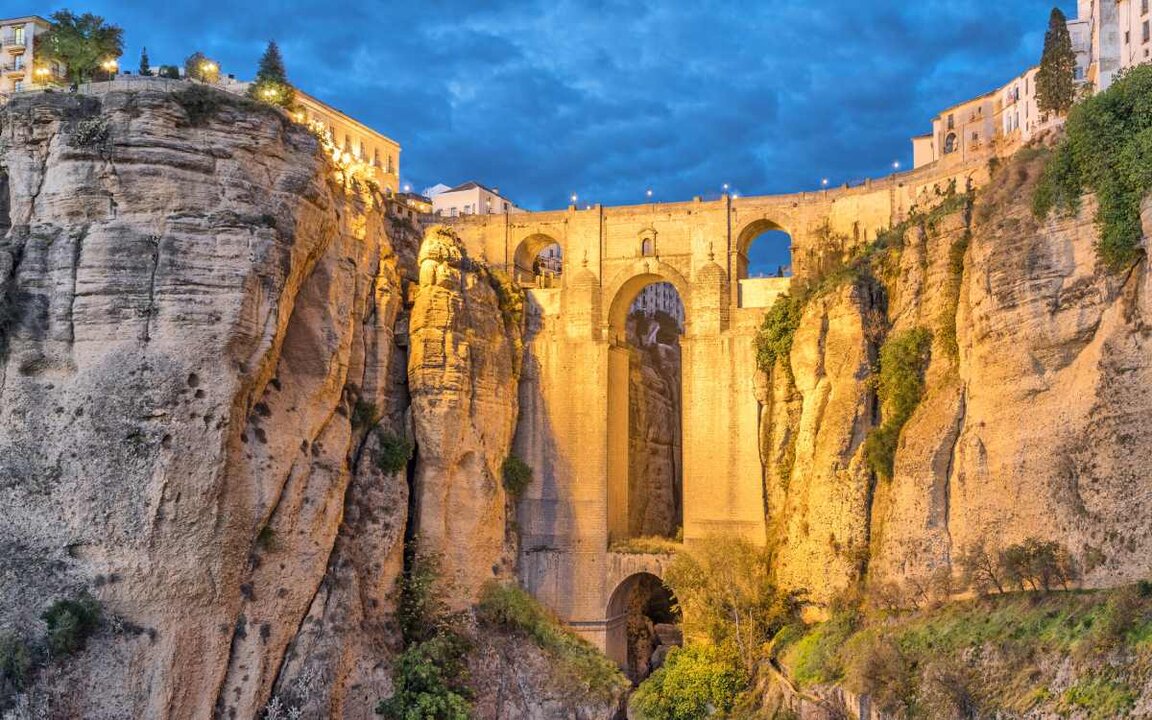
Constructed in the 18th century and reaching a height of 98 metres, Puente Nuevo (literally, New Bridge) spans the chasm between the cliffs and has come to be an instantly recognisable icon of Ronda. Incidentally, the gorge, called el tajo in Spanish, should not be confused with the river Tajo, which runs through Toledo and other cities.
Indeed, the bridge is an extraordinary feat of engineering that joins the city’s old quarter to its modern district. From its heights, the views of the Andalusian countryside stretching into the distance and the Guadalevín River in the gorge below are unsurpassable. Ronda’s Puente Nuevo is an illustration of the happy marriage between stunning natural landscape and human ingenuity.
Plaza de Toros de Ronda, one of Spain’s oldest bullrings
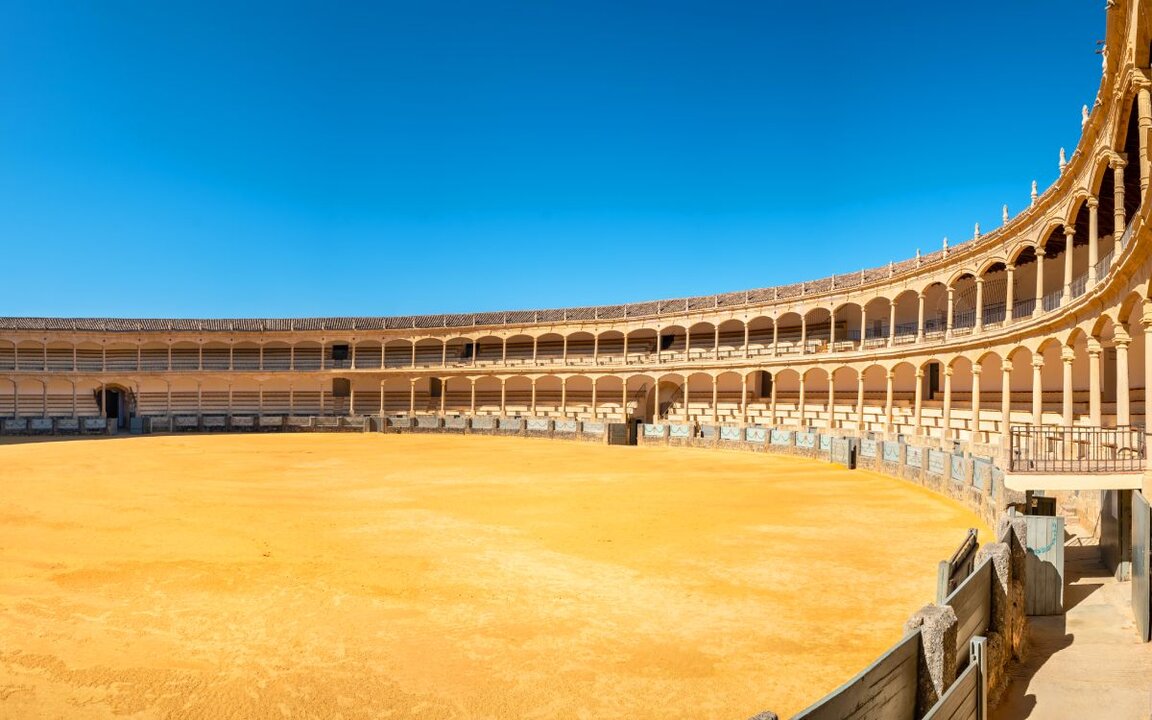
Inaugurated in 1785, the Plaza de Toros de Ronda is not only one of Spain’s oldest bullrings (after Béjar’s Ancianita bullring), its monumental character and Neo-Classical elegance make it one of the country’s most beautiful.
Legend holds that some soldiers once had the idea of training their arms against Spanish fighting bulls on this spot. The bullring currently pertains to the Real Maestranza de Caballería de Ronda and has become one of the premiere settings for bullfighting, attracting illustrious visitors from show business and culture.
The rich saga of the Casa del Rey Moro
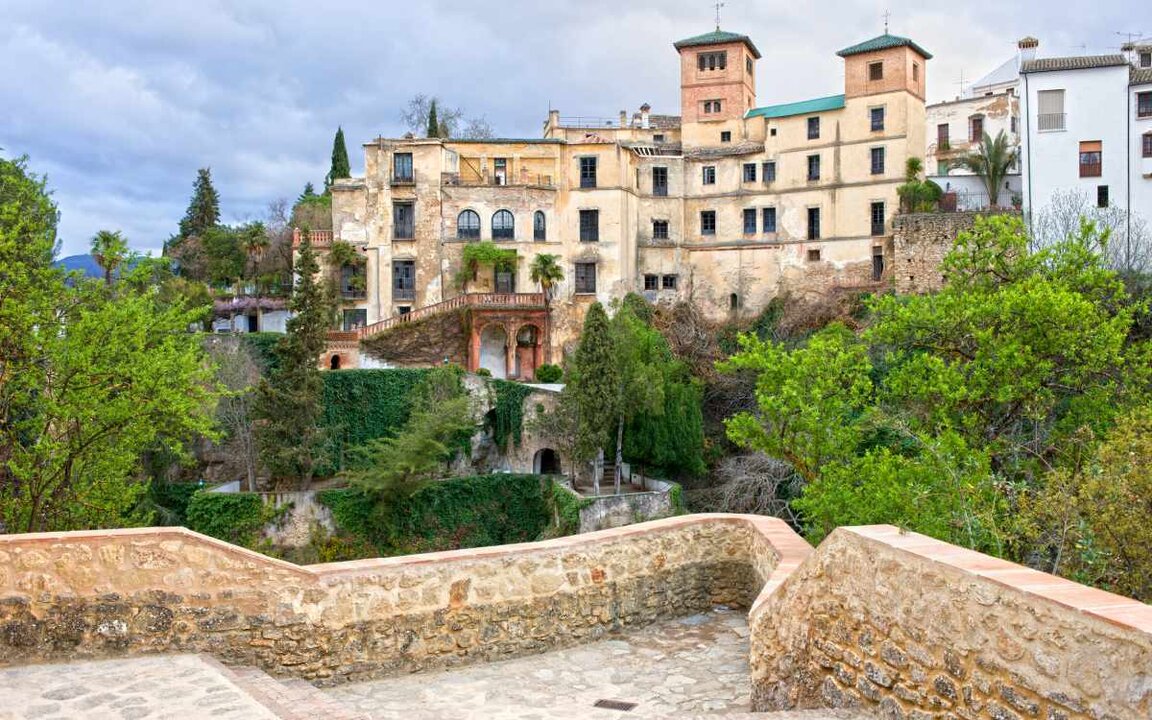
Located on the heights dominating the cliff on the north side of this once Moorish city, the Casa del Rey Moro (literally, House of the Moorish King) consists of a large Neo-Mudéjar palace, a delightful garden and even an ancient water mine. The palatial compound owes its great historical significance to the key defensive role it played in the 14th century when it was a Nasrid bastion against the constant threats of Castilian armies.
The water mine, one of the most prominent works of hydraulic engineering of the Emirate of Granada, still remains from that long-ago era. The water mine served to supply water to the populace, an especially vital resource when the city found itself under siege. Today, the palace is an amalgamation of the prior residences as designed by the Duchess of Parcent, who subsequently commissioned the garden design to the famous landscape architect Jean-Claude Nicolas Forestier.
Immersion into al-Andalus at the Arab baths
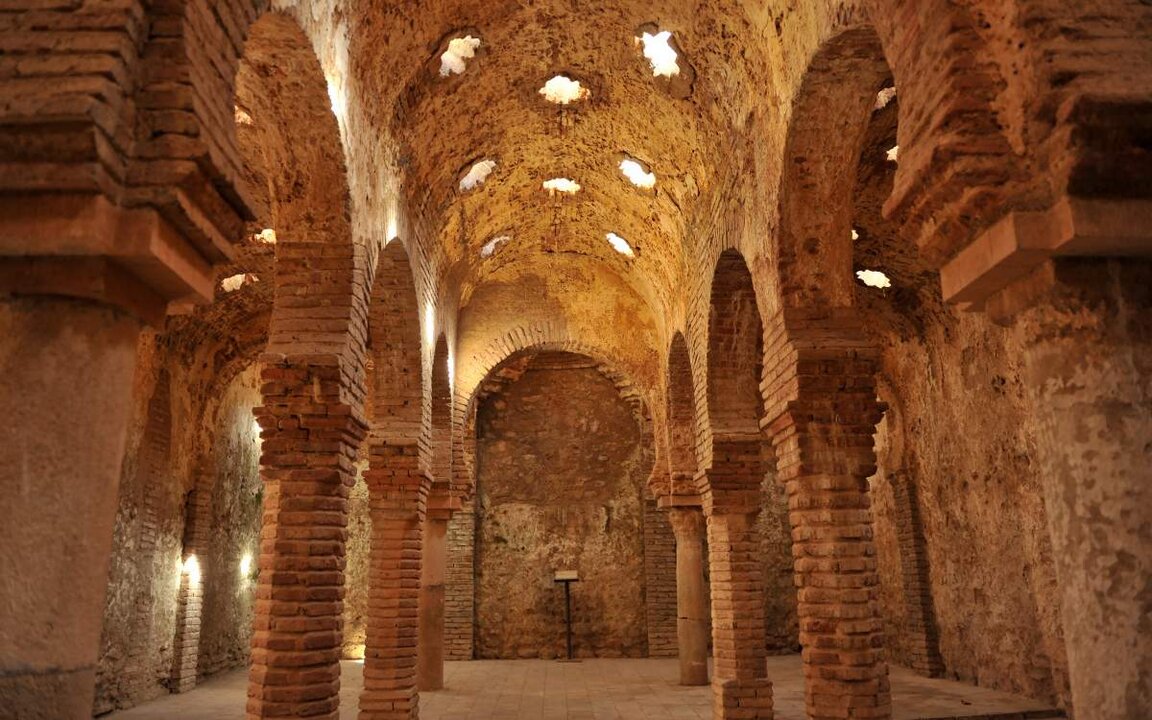
A visit to the Arab Baths of Ronda invites the visitor to intimately experience the degree of refinement reached during the al-Andalus period in Iberia. A dimly lit chamber, illuminated by gleaming stars on the ceiling surrounded by splendid horseshoe arches, is the definitive vision of these tranquil Arab baths built upon Roman remnants.
The Arab Baths of Ronda are the best conserved of their kind. Apart from their magnificence, they are an example of ingenuity whose workings include a waterwheel, a small aqueduct and a water boiler. The prized warm vapor formed an essential part of the famous Hammam steam bath, a ritual celebrated for its curative effects.
Nasrid legacy of the Casa del Gigante
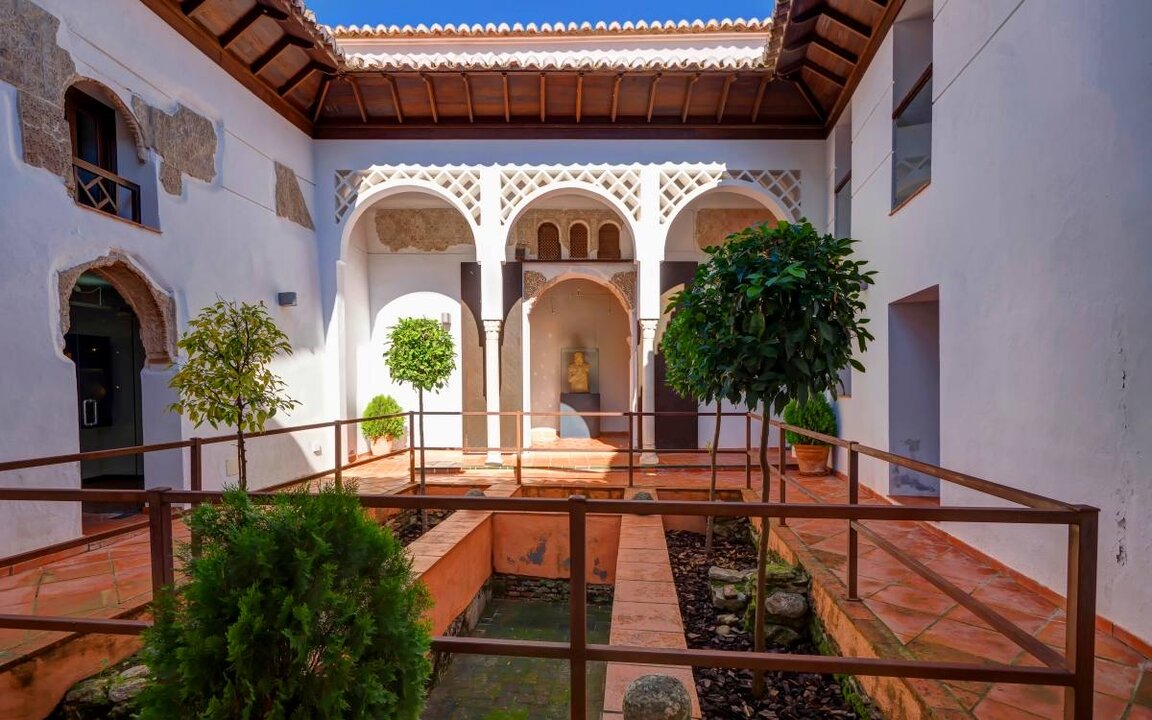
This palace was erected at the end of the 13th century during the Marinid dynasty’s rise to power and was the property of a distinguished member of that family. At first sight, the abundant architectural influences of Granada’s Nasrid period and of those from northern Africa are immediately apparent. Additionally, this palace conserves the original floor plan, replete with Near Eastern flourishes.
Casa del Gigante (literally, House of the Giant) owes its curious name to the ancient, human-like stone sculpture adorning a corner of the building. Timeworn yet still imbued with power and mystique, the sculpture once had a now lost companion and is thought to be of either Phoenician or Carthaginian origin. After a period of serving as an orphanage, the Casa del Gigante is now a visitor interpretive centre focusing on the daily life of al-Andalus and a must-visit while in Ronda.
The palace of Mondragón, home to monarchs

A common feature among Ronda’s marvels is its fusion of distinct cultural styles. In the case of the Mondragón Palace, also known as the Marquis of Villasierra Palace, Mudéjar decor lends itself to the contours of the Renaissance-styled architecture in one of the most extraordinary buildings found in the old quarter. Today, the palace serves as the Ronda Municipal Museum.
It is easy to imagine Caliph Abd al-Malik, son of the Sultan of Morocco, or a Nasrid governor occupying these accommodations. Even the Catholic Monarchs resided at this palace after the Castilian conquest of Ronda in 1485. The amalgam of Arab, Gothic and Renaissance elements present in its patios is a testament to Spain’s rich cultural heritage.
Casa Museo Don Bosco, the most Modernist Ronda
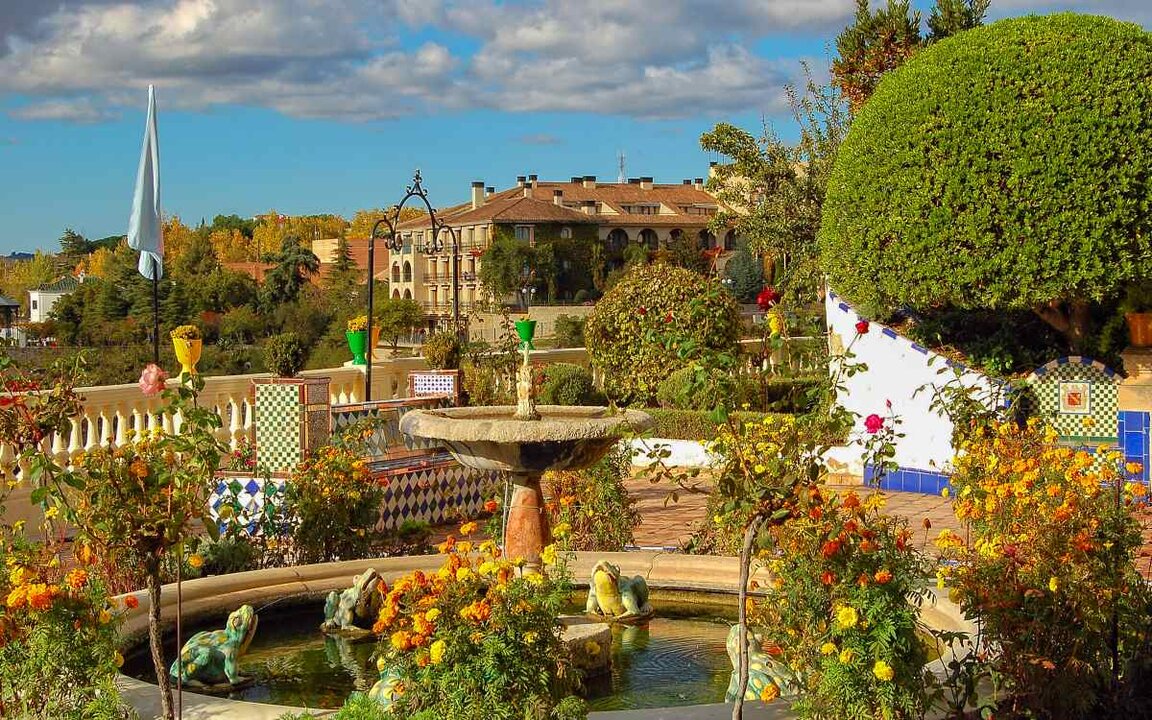
The last of Ronda’s wonders and clear example of its artistic diversity is the small Modernist palace and onetime residence of engineer Francisco Granadino and his wife. The home owes its name to Saint Giovanni Bosco, founder of the Salesian religious order, which currently administers the property.
The entirely original interior showcasing early 20th-century elegance along with countless displays of artistry, including Nasrid ceramic tiles, tapestries and handcrafted furnishings, make this palace a fascinating treasure trove of Ronda’s heritage. The garden rises over the gorge and offers an extraordinary vantage point of the serene horizons of this magical city.