
The must-see treasures of Málaga, Spain
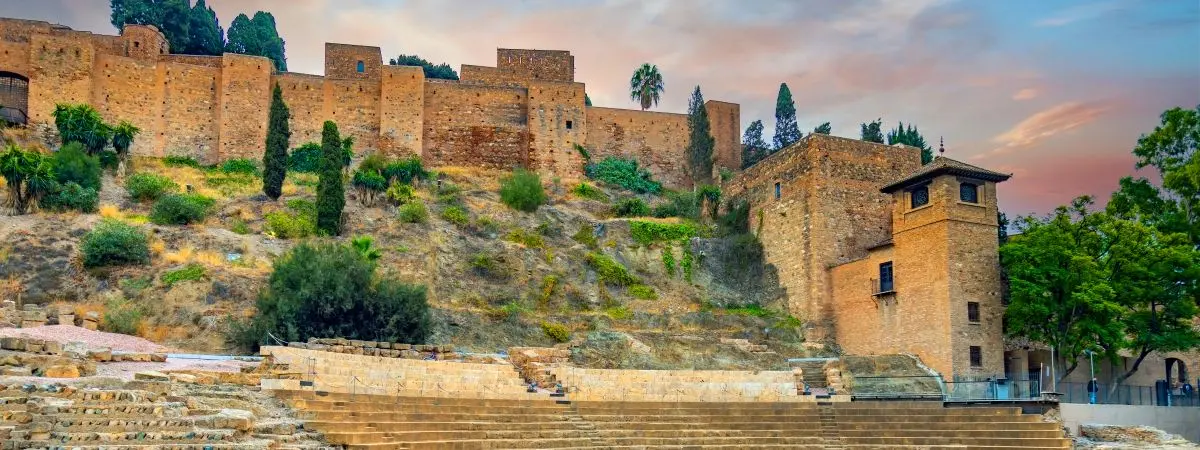
From its majestic Roman ruins to the museums paying homage to the city’s most illustrious native son, Pablo Picasso, every corner of Málaga tells a story. The city’s streets are an authentic labyrinth of contrasts, where the ancient and the modern come together and the city’s invigorating spirit spurs on the visitor to explore its treasures.

If one has ever wondered what to see when visiting Málaga, the following is a quick tour of the places that truly capture the essence of this dazzling city.
Timeless Málaga: treasures every traveller must see
The Alcazaba, a journey to the Arab past
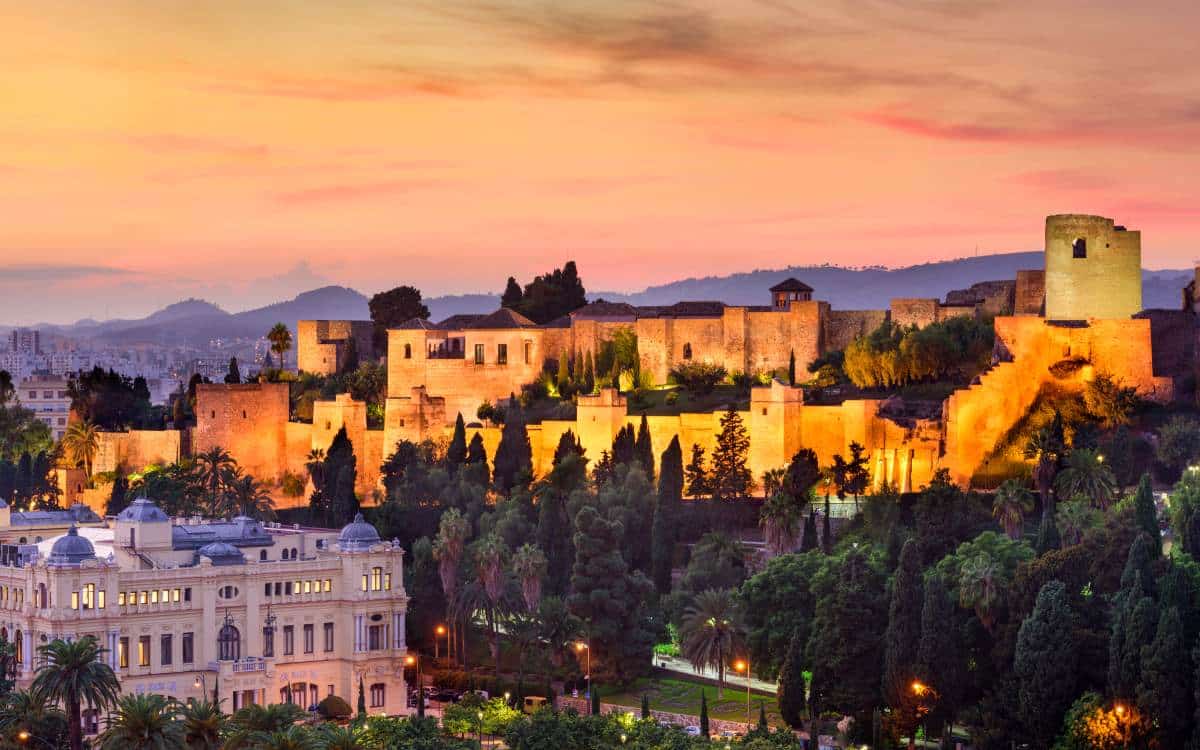
Imagine walking along the walls of a centuries-old fortification dominating the city, feeling the breeze much like the governors of Al-Andalus once did. The impressive bearing of the Alcazaba (Citadel) bids the visitor to explore the gardens, fountains and courtyards, all of which evoke the legends of its past.
From the citadel’s highest point with the Mediterranean Sea stretching into the distance, the panorama transports one to a time when the lines of history and imagination become blurred. Constructed in the 11th century on Mount Gibralfaro, the same name given to the castle located within the citadel, the Alcazaba’s seamless assimilation into the landscape continues to cast a spell upon visitors.
La Manquita, Málaga’s extraordinary cathedral

The Cathedral of Málaga, located in the Plaza del Obispo, is one of the greatest treasures of the Andalusian Renaissance. After conquering the city, the Catholic Monarchs ordered a Christian temple built at this site and the result is extraordinary.
The Gothic demeanour of the cathedral’s origins in the 16th century soon gave rise to an exceptional Renaissance style, making it Andalusia’s second tallest structure after the Giralda Tower in Seville. Despite its prolonged construction, the cathedral remains unfinished and the absence of its planned second tower spawned the endearing sobriquet La Manquita (The One-Handed).
The Picasso Museum, a temple of art
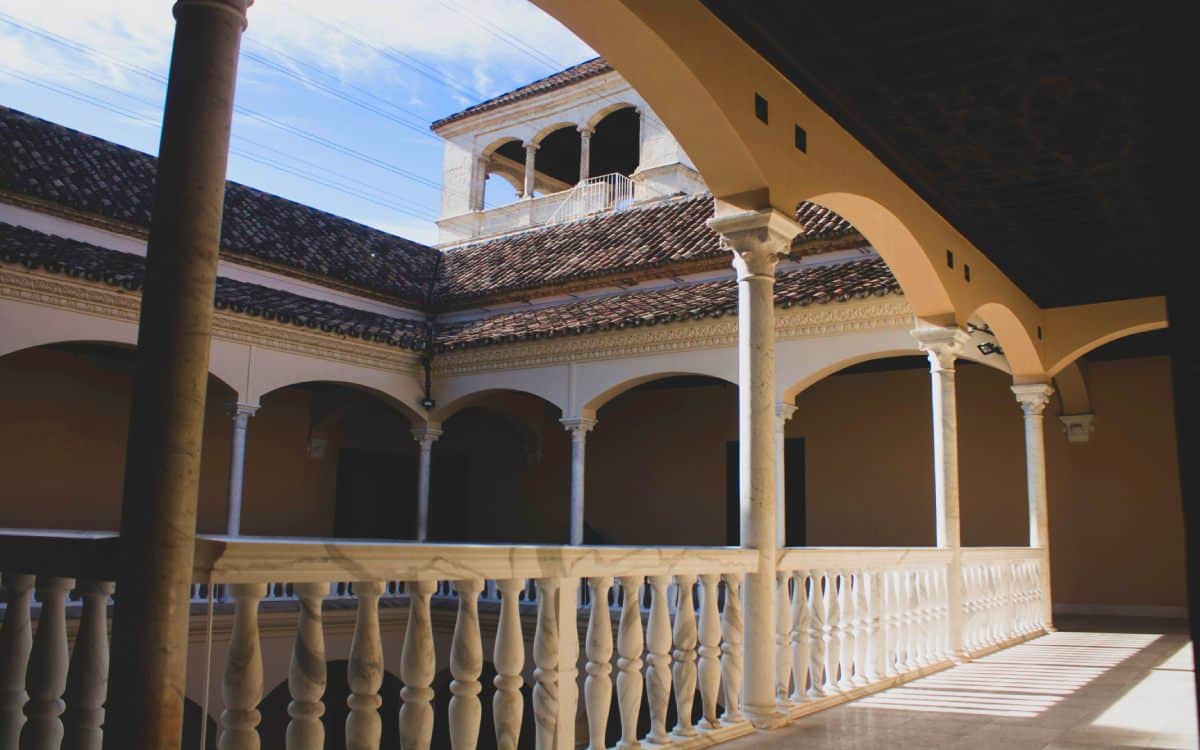
Walking through the Picasso Museum is akin to entering the personal universe of one of the 20th century’s most influential artists and Málaga’s renowned native son. Not only can one observe the works of Pablo Picasso, but also catch a glimpse into his creative process. Every brushstroke, colour and shape speak to the painter’s passion and genius.
The building that houses the museum, the Condes de Buenavista Palace, is notable in itself for being an outstanding example of 16th-century civic architecture. The palace integrates a subtle Renaissance plateresque façade together with Mudéjar embellishments. The palace’s harmonious contours are the perfect counterpoint to the collection of vibrant artistic works found inside the museum.
The Roman theatre, an imperial legacy
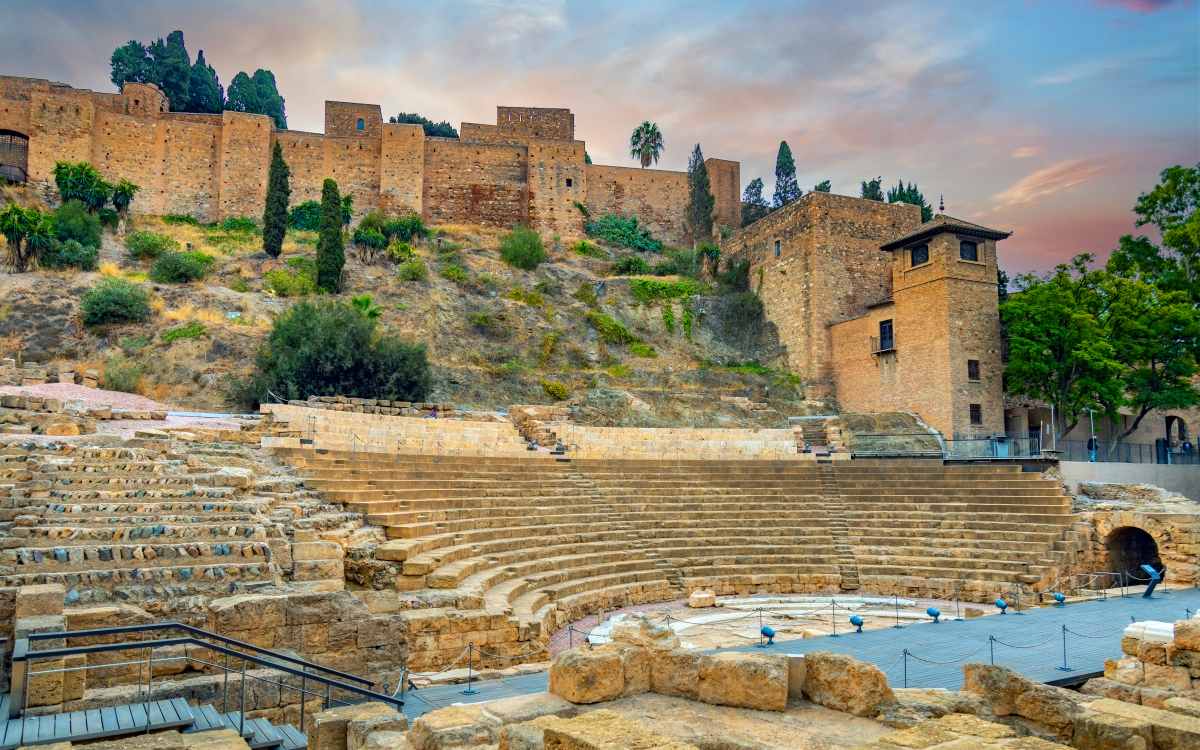
Standing in the tiers with eyes closed in Málaga’s nearly 200-year-old Roman theatre, one can almost hear the echoes of ancient performances. The timeworn stones remind one of the comedies and tragedies that once took place on its stage. Although currently surrounded by the hustle and bustle of the modern city, the theatre continues to instill a deep connection with the past.
Sitting on the same hill as the citadel, the ancient theatre takes advantage of the natural slope much like Greek theatres did. Large marble slab ruins reveal an elaborate ornamentation. Buried for centuries, the chance discovery of the theatre in 1951 sparked debates that subsequently brought about the theatre’s restoration and a revival for the city.
The spiritual comfort of the Victoria Sanctuary
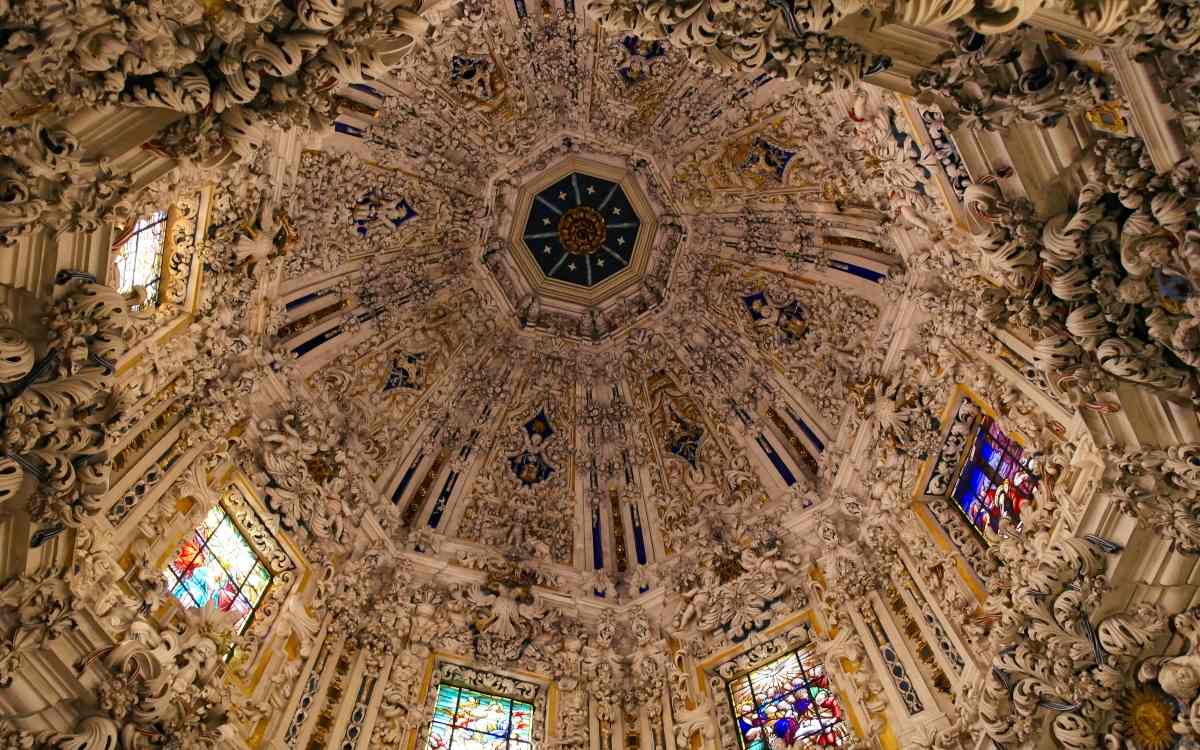
The Santa María de la Victoria Basilica is another treasure of Málaga’s religious architecture and its shrine to the city’s patron saint, María de la Victoria is truly exceptional. The chapel where the saint’s image is located presents a Baroque style at its finest. Equally impressive is the crypt of the Counts of Buenavista. Indeed, this was the very place where Fernando the Catholic Monarch established his military camp during the siege of the city in 1487.
Inside the sanctuary, spirituality and brilliant Baroque style fuse together and the silence itself becomes a sacred language. Discreet exteriors give way to an interior of explosive frescoes, gilded altarpieces and the grandeur of the aforementioned niche dedicated to the Virgin. Sitting in its pews, one cannot help but feel a heightened aura of devotion and mystery.
The lavish elegance of the Miramar Palace
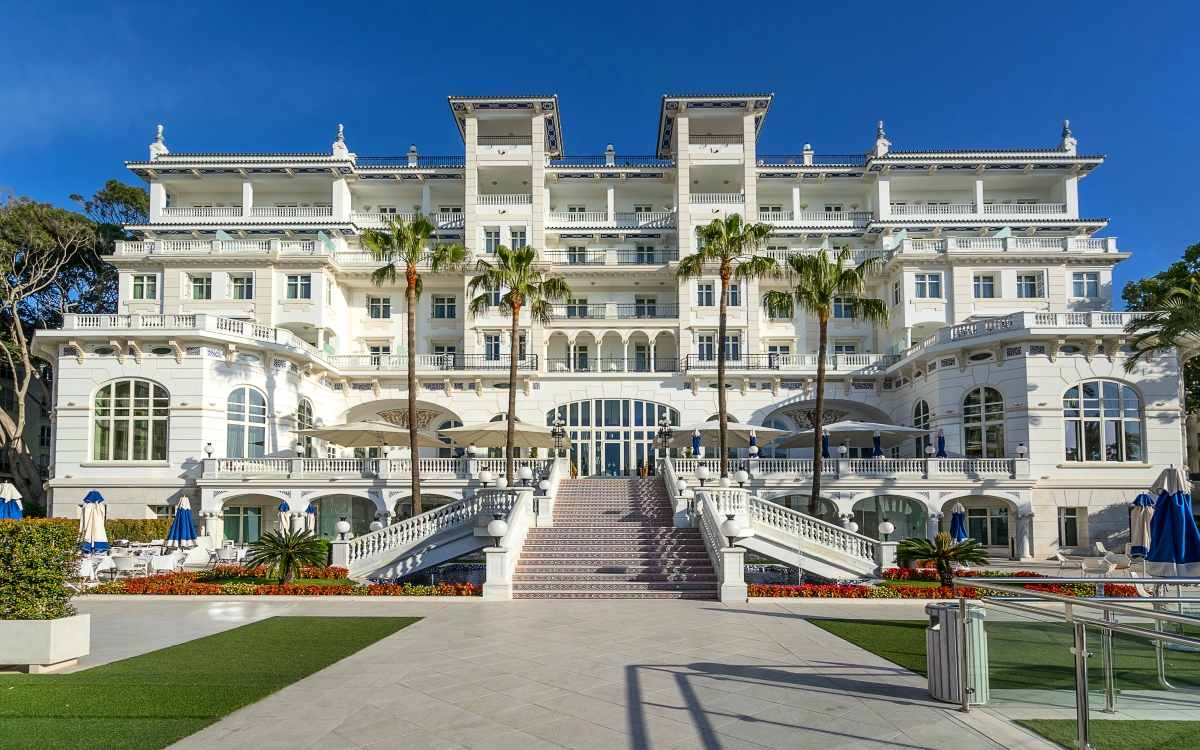
Monumental and palatial, the Miramar Palace is the epitome of elegance and is considered to be a masterpiece by the architect and one-time mayor of Málaga, Fernando Guerrero Strachan. Facing the bay in the Caleta neighbourhood, this dazzling Modernist palace was inaugurated in 1926.
Originally intended to serve as a hotel, the palace has performed a variety of functions throughout its history before ultimately returning to its status of luxurious accommodation. Its interiors beckon an era of splendour and sophistication, while its terraces afford magnificent views of the sea. Here, one can easily imagine illustrious historical figures of Málaga’s high society once strolling through the palace’s gardens and salons.
The church of Santiago the Apostle, Mudéjar roots
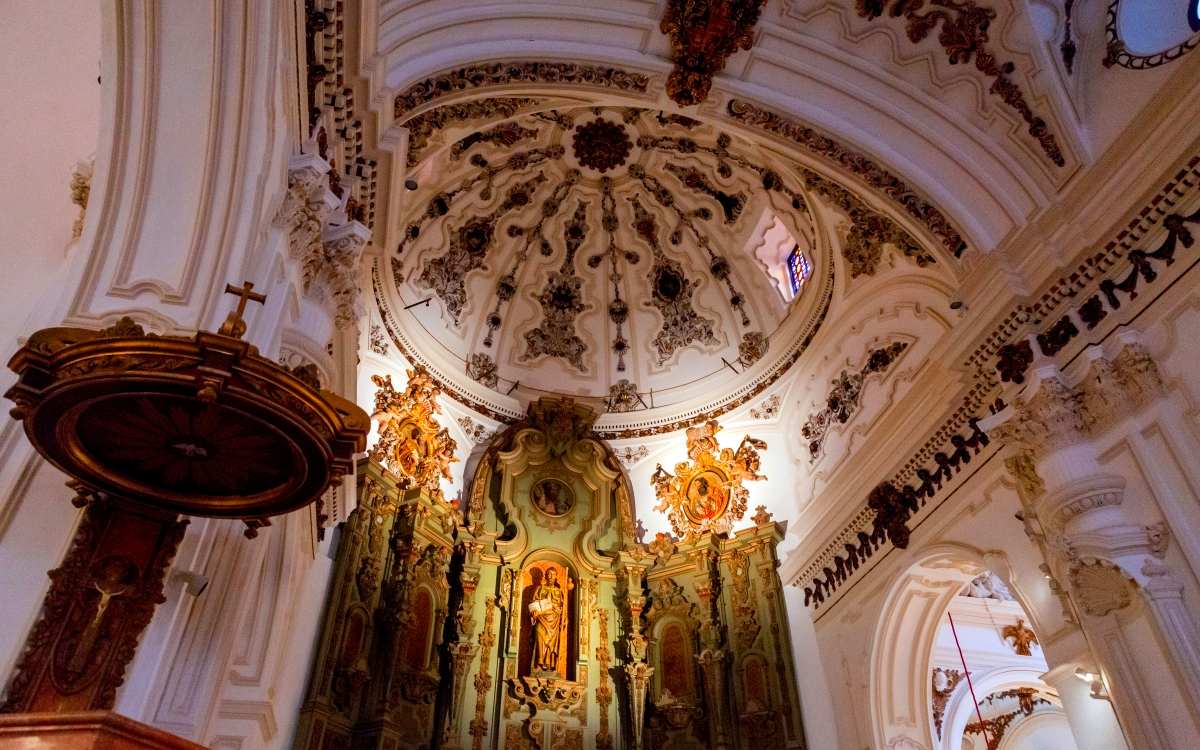
If any one place embodies the spirit of Málaga, it is the church of Santiago the Apostle. Founded in the 15th century, this temple unites Christian traditions with Arabic heritage, beautifully expressed in the form of the Mudéjar-styled bell tower. It also happens to be the church where Pablo Picasso was baptised.
The church’s historic significance is tied to the city’s Christian roots inside the walls of the old Islamic city and was the first of four parishes to be commissioned by the Catholic Monarchs. In fact, it was even declared a cathedral before the Cathedral of Málaga had been completed. The unique Baroque interior of plaster mouldings and its cupola are truly breathtaking.
You can also read this article in Spanish here.