
More than France and the United States: Spain leads the world in Biospheres Reserves
Protecting the environment whilst living and working within it. Here are four places demonstrating alternative ways of cohabitating with mother nature.
Protecting the environment whilst living and working within it. Here are four places demonstrating alternative ways of cohabitating with mother nature.
Biosphere reserves are assorted land and maritime habitats attempting to embrace our relationship with the environment. Unlike nature parks, biosphere reserves are not exclusively protected by law, but instead rely on local community participation and cooperation. Biosphere reserves are models of coexistence seeking to strike a balance between environmental conservation and human needs. In short, these are populated settlements seeking to put sustainable policies into practice.

Spain boasts the greatest number of biosphere reserves in the world. There are currently 55 such sites throughout the country highlighting a wide array of natural settings. The principal aim of these sites is to reconcile environmental conservation together with the sustainable exploitation of its resources. Far from being closed to human habitation, these are places that learn to thrive within their means.
THE BIODIVERSE CROSSROADS OF SPAIN
Spain’s geographic and climatic diversity makes it the world leader in the number of such biosphere conservation sites, all of which comply with UNESCO’s ecological requisites. There are biosphere reserves in all but one of Spain’s 17 autonomous communities, as well as three sites along the Portuguese border and one shared with Morocco. The biogeographical crossroads of Iberia exemplifies international cooperation when mutual natural settings are at the centre.
For a better understanding of Spain’s biosphere diversity, here is a look at an estuary, a volcanic island, a vast wetland, and one straddling national borders.
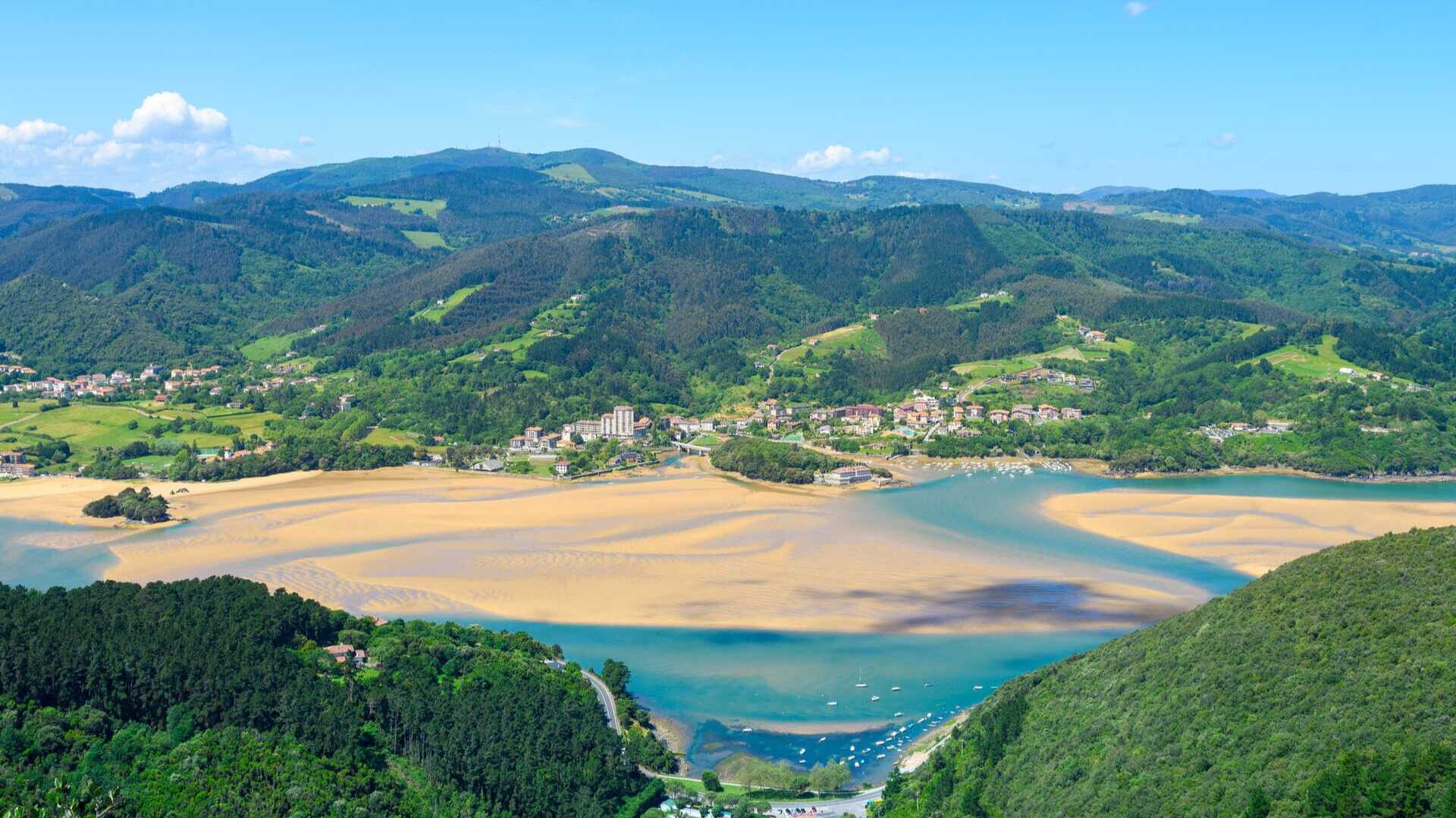
URDAIBAI (BASQUE COUNTRY) – ATLANTIC ESTUARY
Water dominates the biosphere of the Urdaibai Estuary, where basin and marshland meet the Biscay coast. The 22,000-hectare biosphere reserve began in 1984 and incorporates a landscape replete with animal and human activity.
LANZAROTE (CANARY ISLANDS)
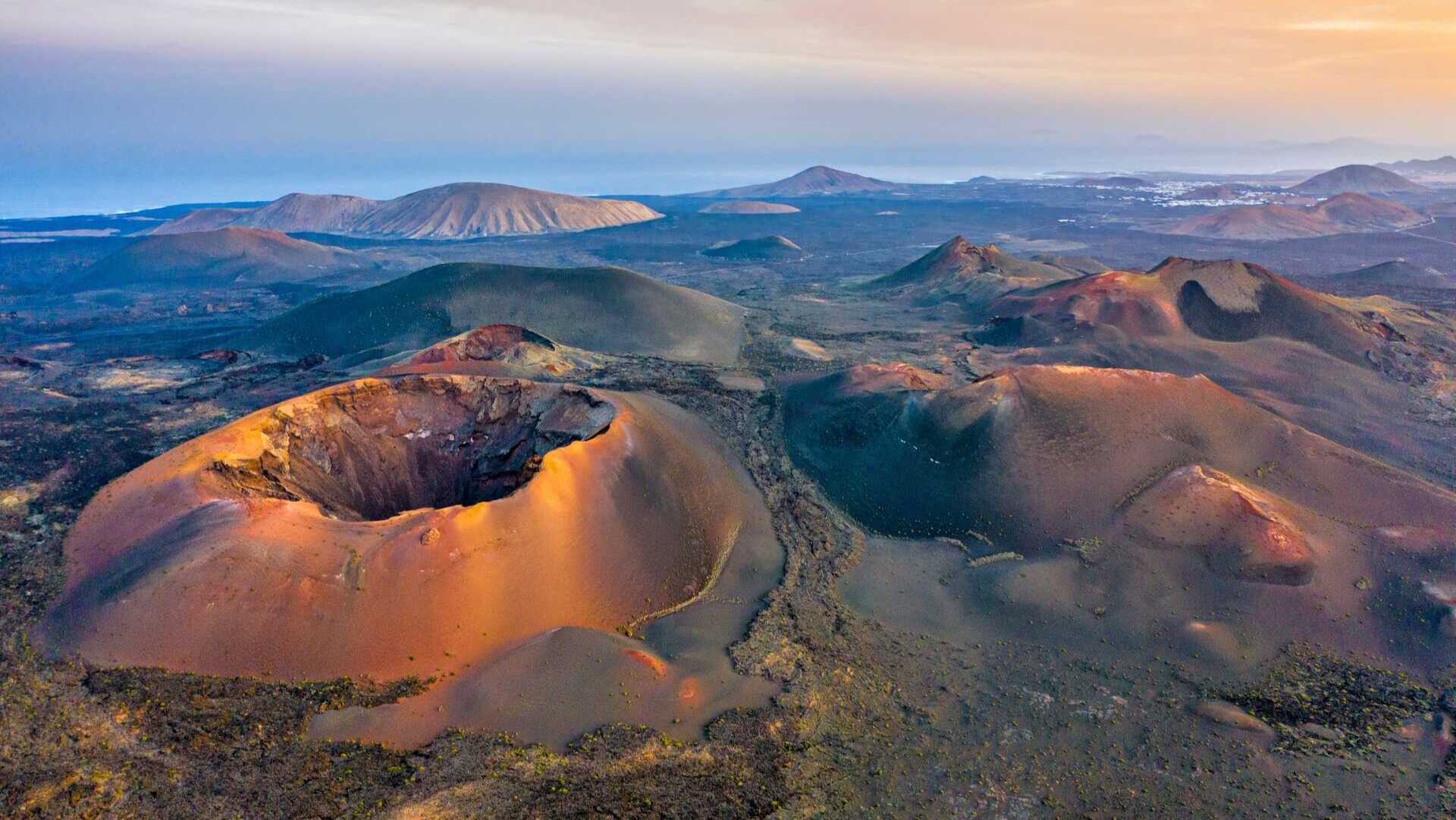
Lanzarote Island is where sustainability theory comes face-to-face with strict limits. Lanzarote’s isolation, volcanic soil and disparate climatic conditions make sustainable cohabitation a tangible imperative. The island additionally faces the challenges that increased tourism poses.
DOÑANA (ANDALUSIA)
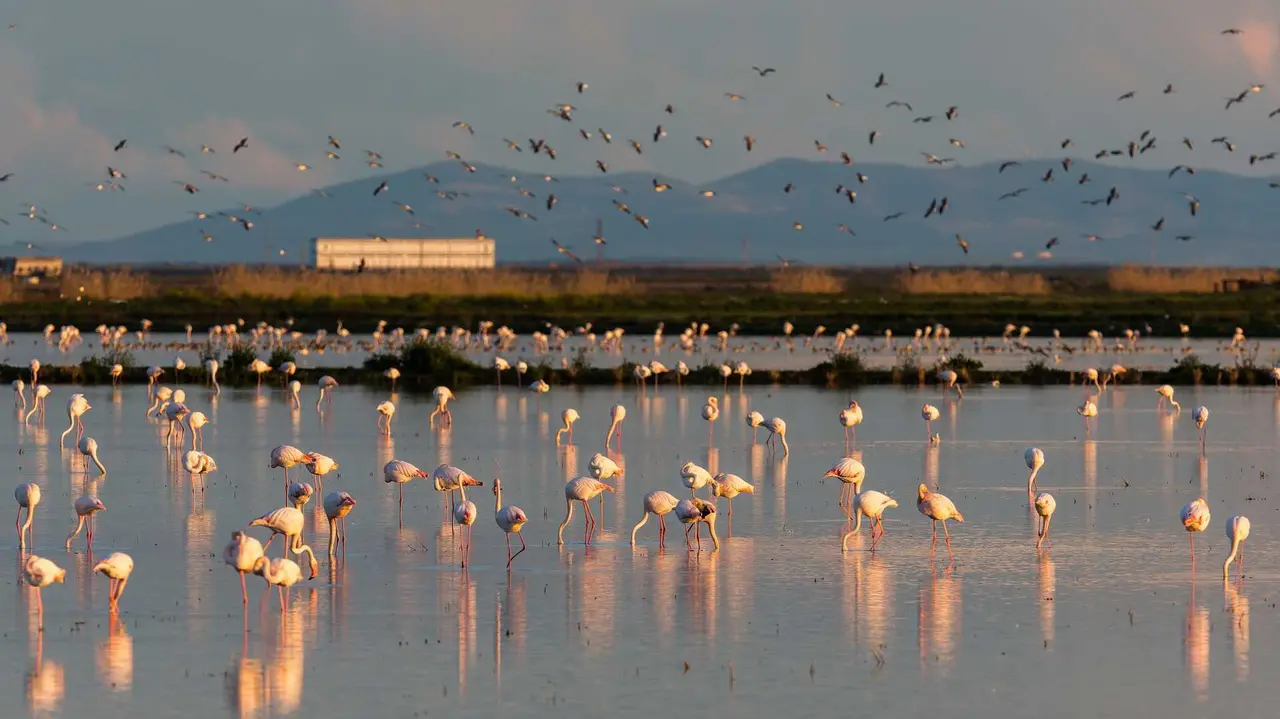
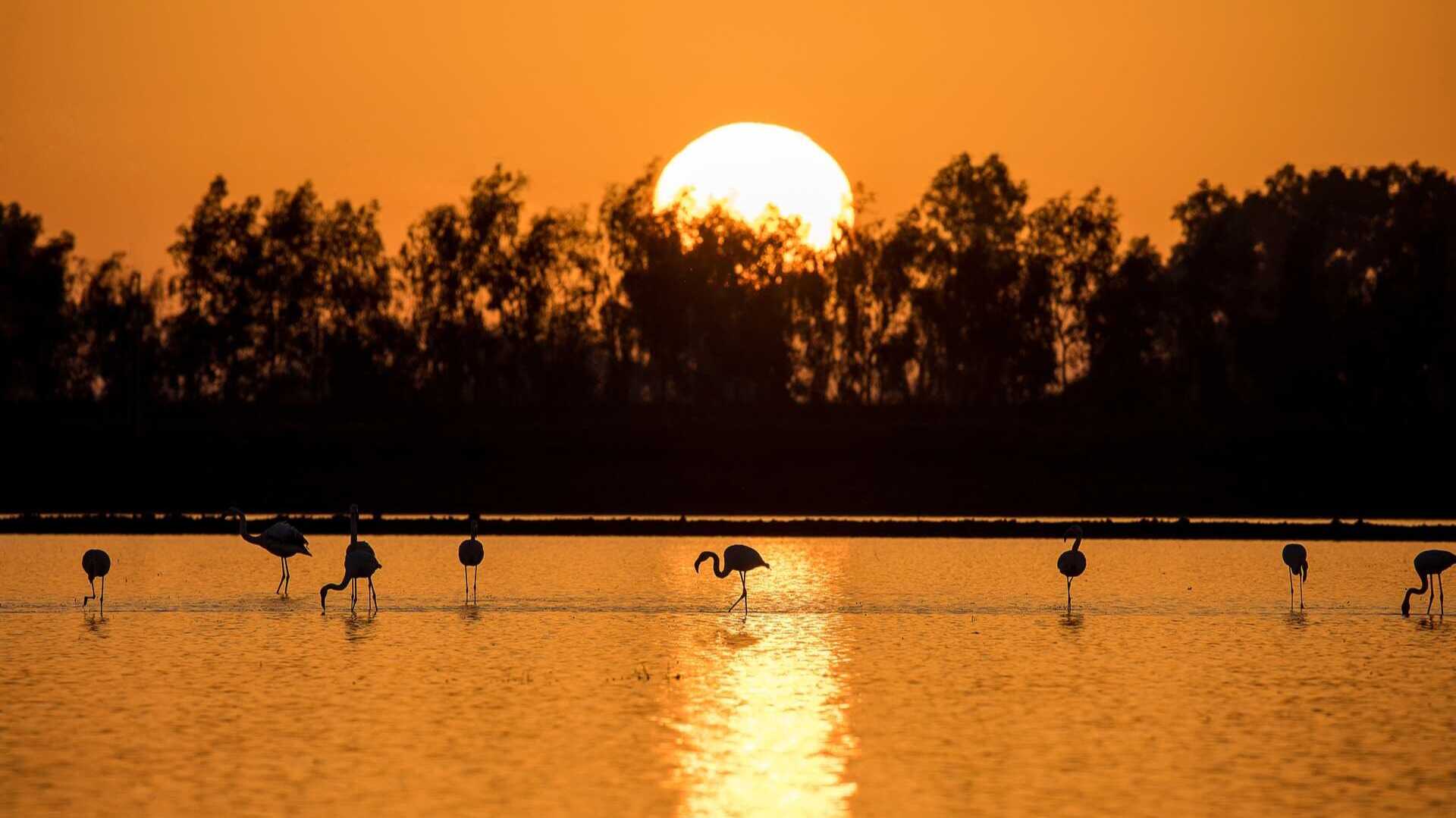
Apart from being a designated UNESCO biosphere reserve and a national park, Doñana is also a case of adept land management being integral to the landscape’s history. The wetlands of the Guadalquivir basin are one of Europe’s largest and represent a paragon of harmony between biodiversity and a sustainable economic model.
IBERIAN PLATEAU (SPAIN-PORTUGAL)
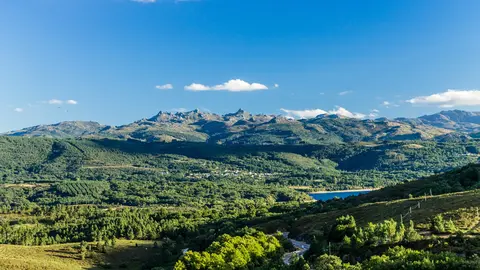
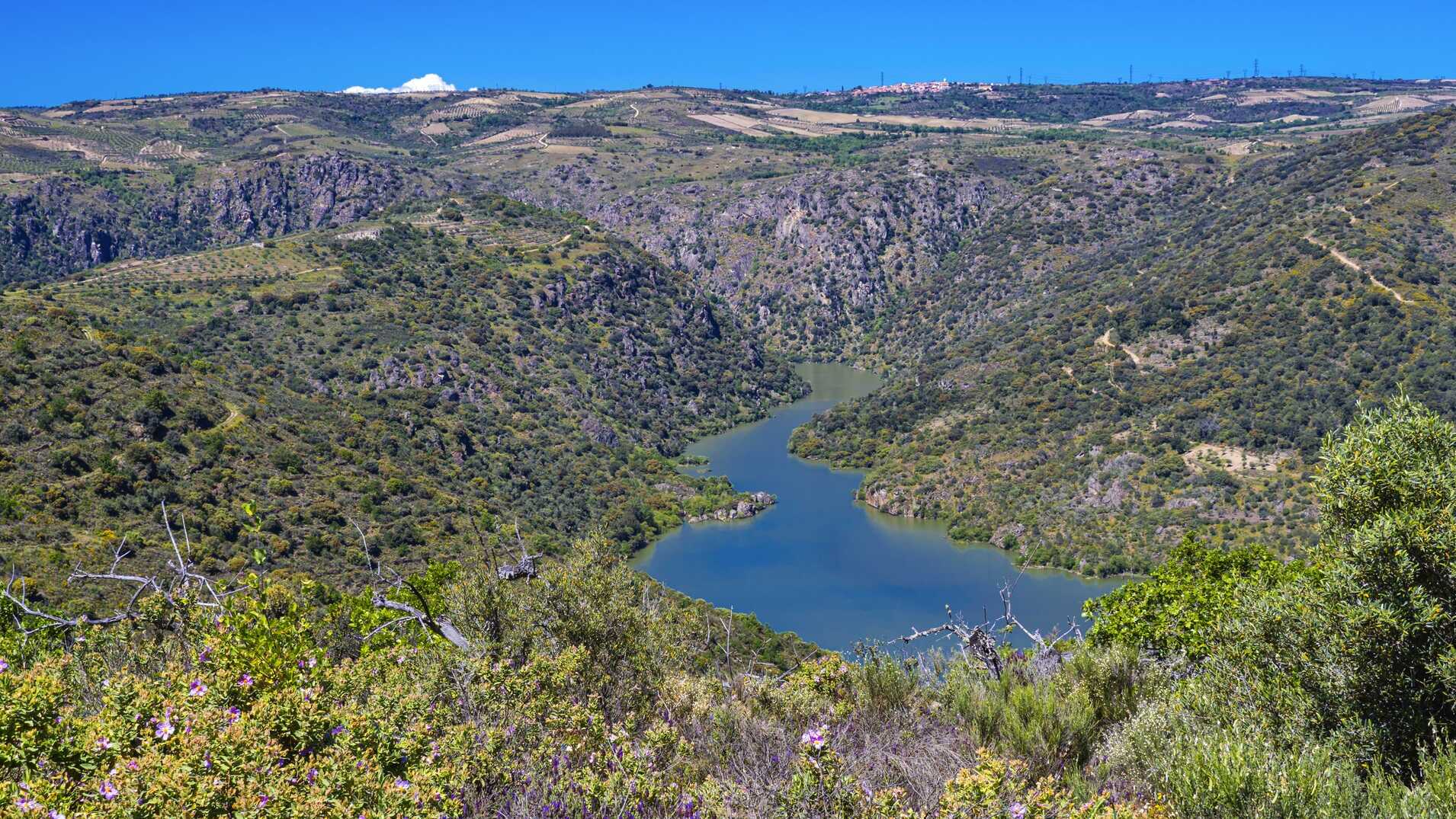
The Meseta Ibérica Transboundary Biosphere Reserve, with the Douro River acting as a central axis, embodies how a commonly-shared landscape and a mutual aim of protecting it can foster transnational cooperation. Additionally, the region possesses an enduring heritage in the form of castles and other historic constructions.
Apart from being beautiful places, these four distinct regions all share the common principle of searching for better ways to balance the needs of its people and economies with environmental realities.