
The most beautiful natural parks in Spain
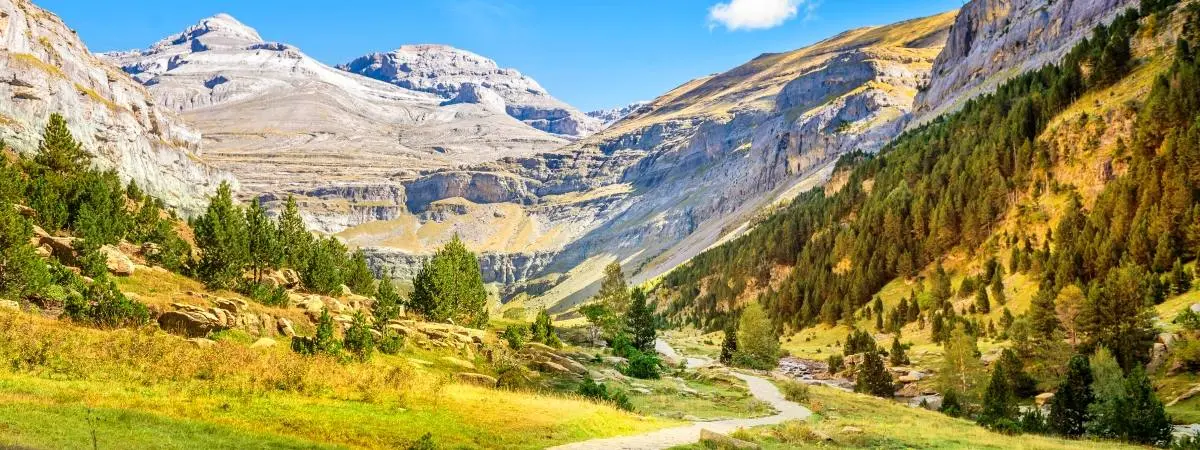
Spain has many gorgeous cities and charming villages, but it is also home to a great complex of green and natural spaces. They are perfect for scaping the hustle and bustle of the cities, breathing fresh air, and getting lost in amazing landscapes. Let’s discover the most beautiful natural corners in Spain and enjoy the green marvels Spain has to offer.

Charming natural parks in Spain for a relaxing day
8. Tablas de Daimiel National Park
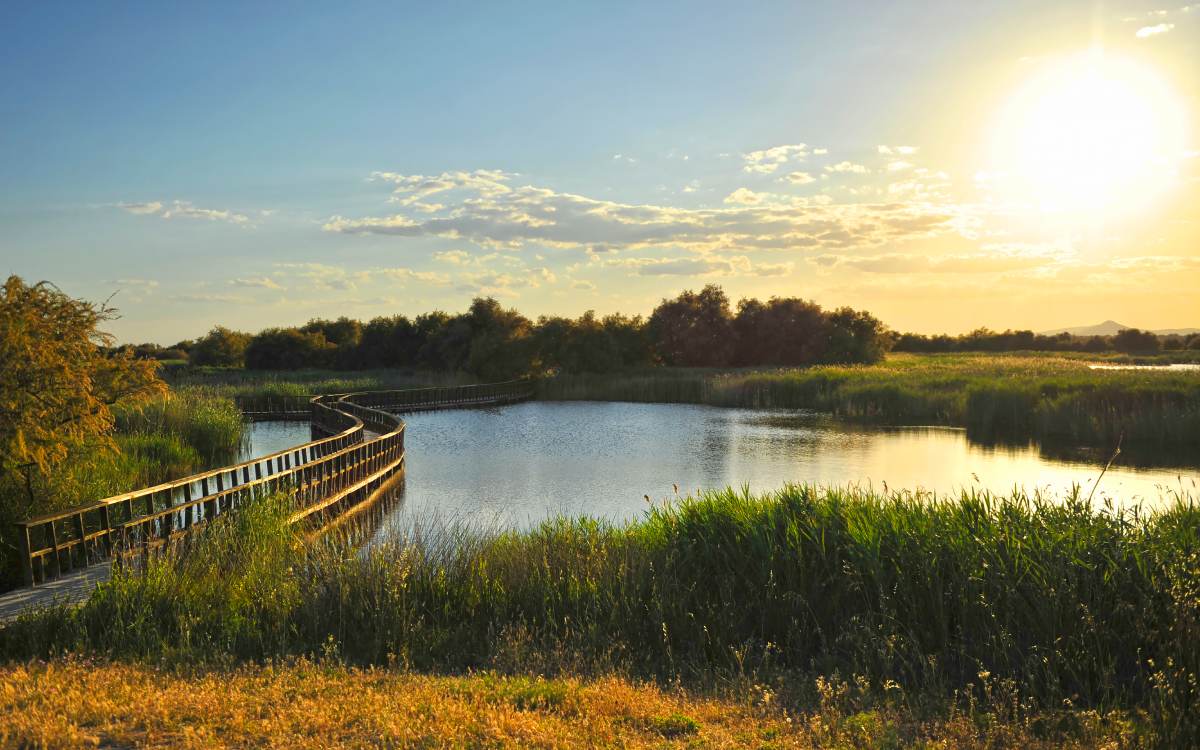
There is a natural treasure in Ciudad Real that attracts thousands of visitors: the spectacular wetland of the Tablas de Daimiel, which results from the joint of two rivers, the Guadiana and its tributary, the Cigüela.
This place revolves around water and sits on the natural park it shares its name with. It’s an area of unique flora and fauna, and bird-watching here is particularly interesting thanks to the large number of viewpoints this park has. Explore it through its long wooden walkways and take pictures of this charming postcard that you will never want to forget.
7. Bardenas Reales Natural Park
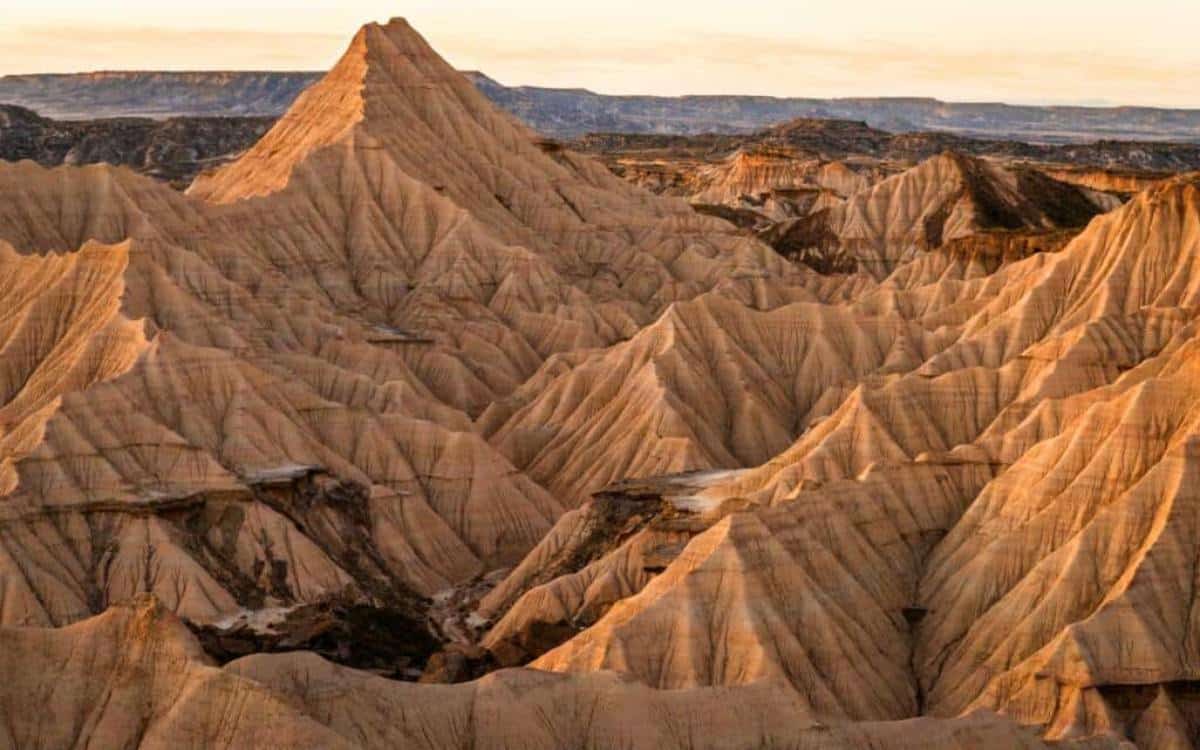
Although green landscapes prevail in Navarra and Aragón, they share the Bardenas Reales Natural Park, a semi-desert area that covers more than 41,000 hectares.
It sits by Tudela’s side, which is the capital of La Ribera, only 70 kilometres from the Pyrenees. For this reason, this desert is especially fascinating. Its land is also extremely soft and has been sculpted by water and wind erosion for thousands of years.
Some people know this place as the ‘Spanish Grand Canyon’. However, its official name isn’t related to the United States at all. It’s a reference to the days when this territory belonged to the Navarrese crown.
6. Doñana National Park
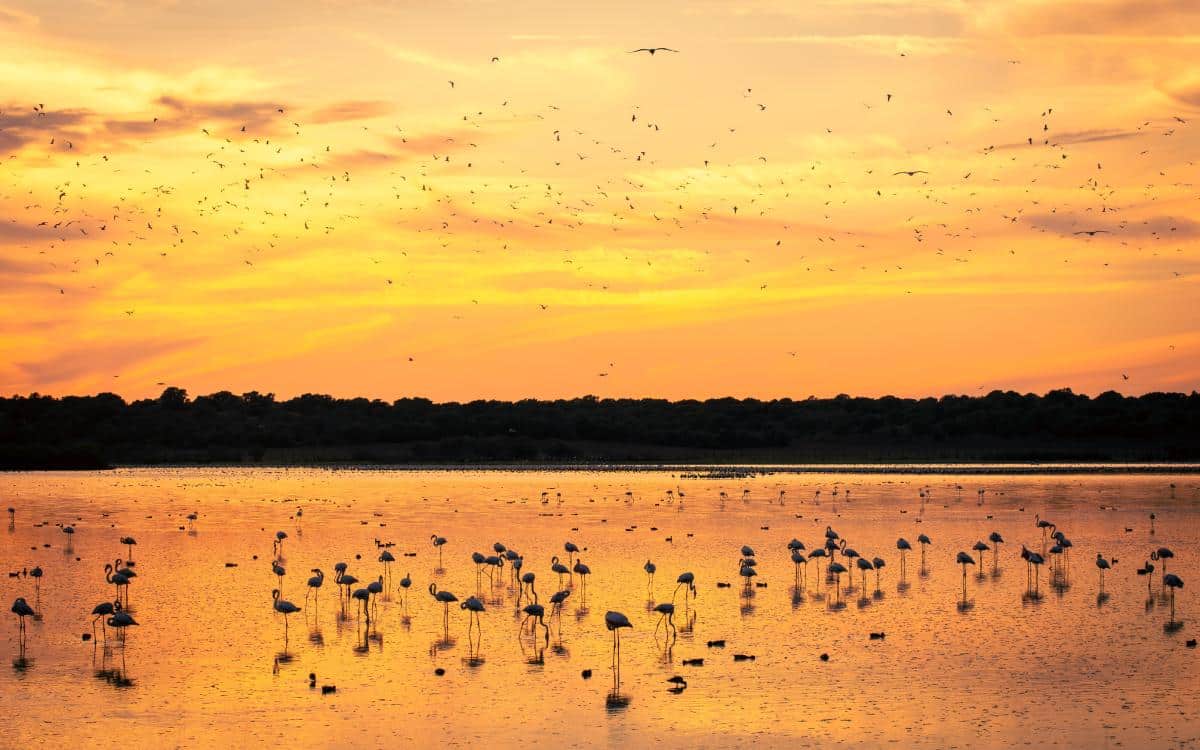
Doñana National Park is a representative corner of the country, characterised by its diversity of ecosystems. Its beaches, its dunes and its tidal marshes are worth a mention. It covers more than 54,000 hectares in total and sits in the Andalusian provinces of Huelva, Sevilla and Cádiz.
Its tidal marshes are its main attraction. In the winter, they are just a transit point. But it is also the place a wide range of European and African birds choose for rearing and hibernation.
5. Lagunas de Ruidera Natural Park
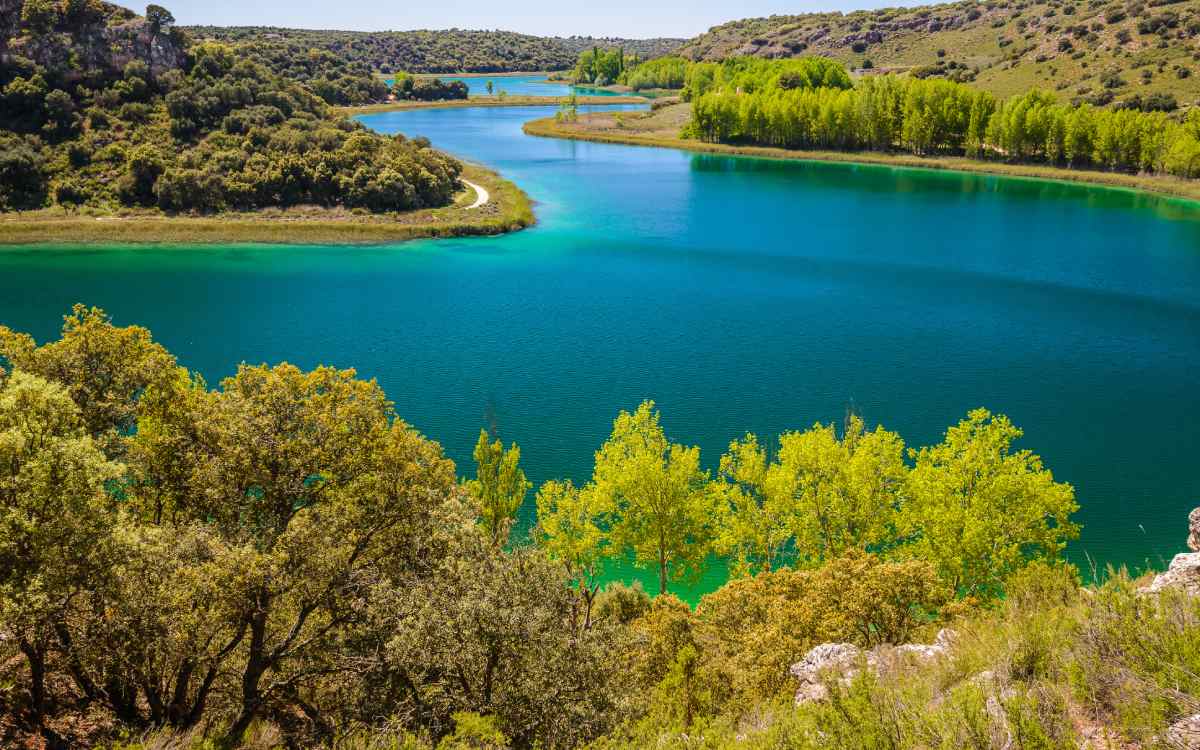
This is one of the most important and beautiful wetlands in both Castilla-La Mancha and the Iberian peninsula: the Lagunas de Ruidera Natural Park.
It is home to 16 lagoons, connected with each other by waterfalls in 30 kilometres between the provinces of Ciudad Real and Albacete. This results in striking views that you will never forget.
Its charm goes even further because there are many ways to explore the area. You can follow many routes by foot, bicycle or jeep. Sailing is also a great option to do so! Or you can also take a refreshing dip in the designated bathing waters.
4. Ordesa y Monte Perdido National Park
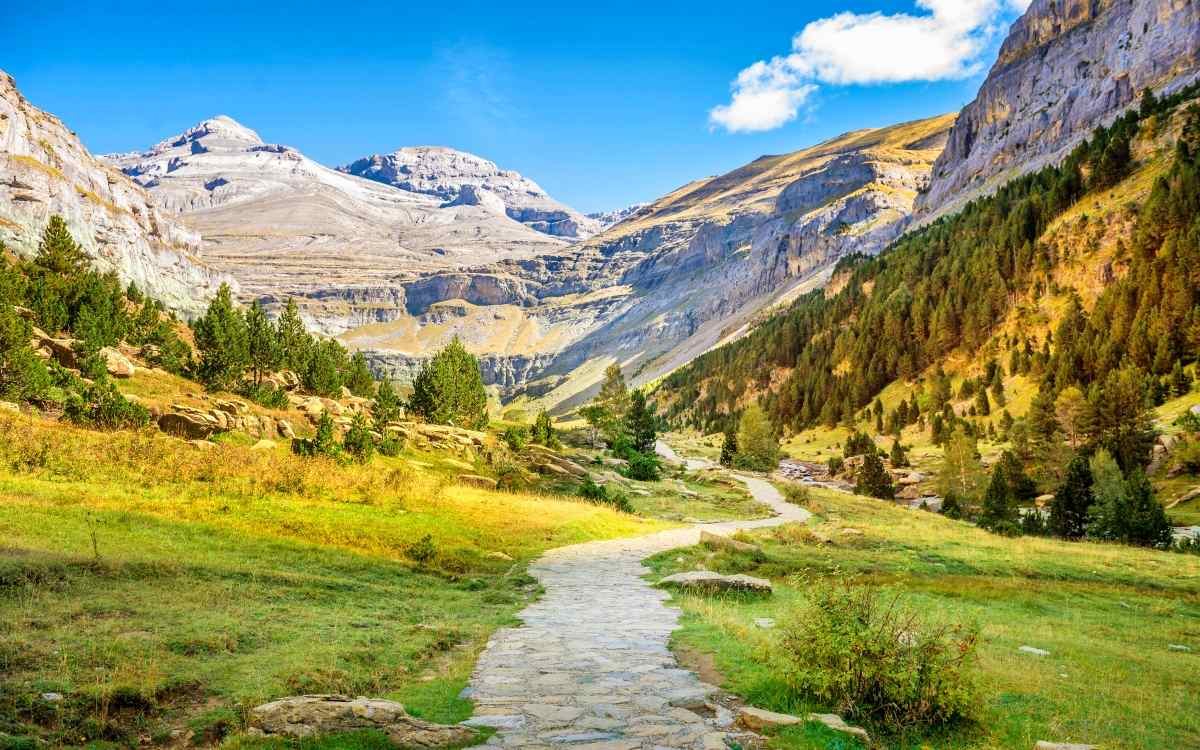
A beautiful natural corner known as the Ordesa y Monte Perdido National Park is located in Huesca’s Pyrenean area. It is composed of four valleys: Ordesa, Añisclo, Escuaín, and Pineta, and the central rocky massif of Tres Sorores, the tallest lime massif in Western Europe. It is divided into three peaks: Cilindro, Añisclo and the popular Monte Perdido.
The Ordesa Valley sits in the heart of the park, full of meandering paths that invite you to dive into the natural landscape. ‘Cola de Caballo’ is one of the most famous routes in the area and leads you to Soaso waterfall. This cascade reaches 50 metres in height and the heart of everyone who looks at it.
3. Islas Atlánticas de Galicia National Park
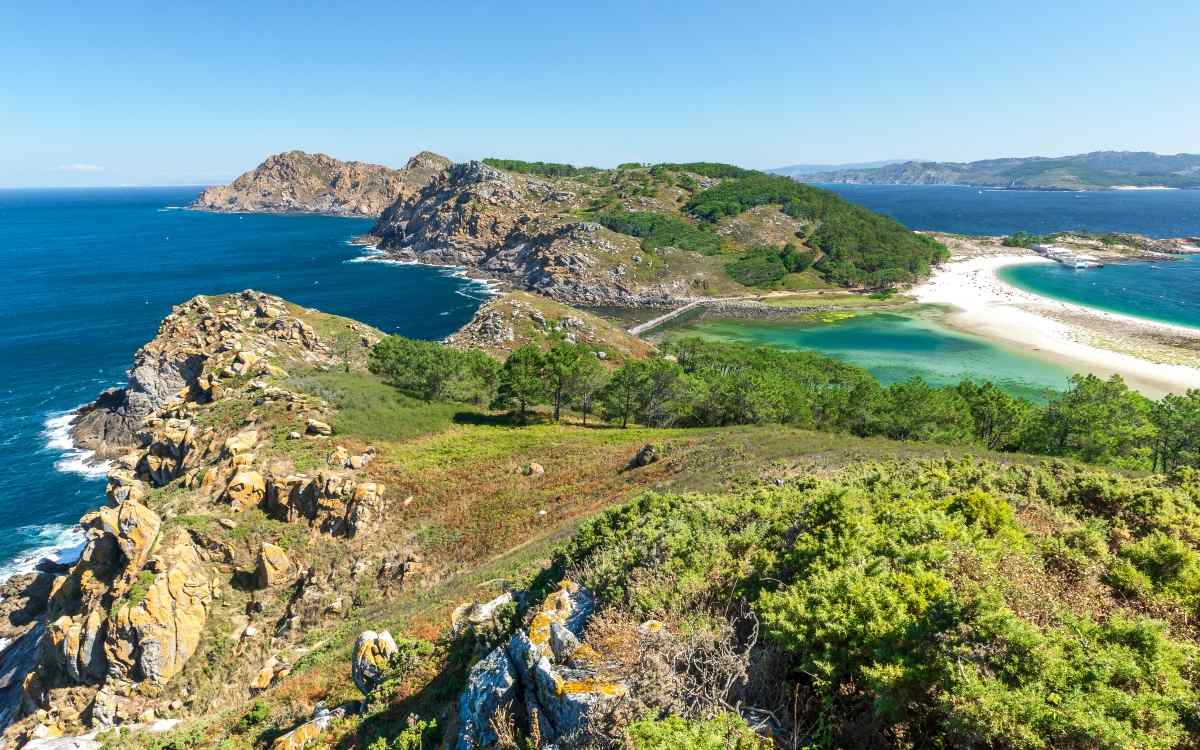
Of course, this list of the most beautiful natural parks in Spain had to include the Galician Atlantic Islands Maritime-Terrestrial National Park, Galicia’s only natural park and one of the most outstanding in the country.
It includes the islands of Ons, Cíes, Sálvora and Cortegada, which belong to the provinces of A Coruña and Pontevedra. More than 7,000 hectares of marine surface and more than 1,100 hectares of land surface emerge from the Atlantic to create an incredible landscape.
This place still preserves Palaeolithic traces of human occupation, which is another of its attractions. Besides its beauty, it also has a lot of history and is considered a cultural and archaeological heritage site.
2. Picos de Europa National Park
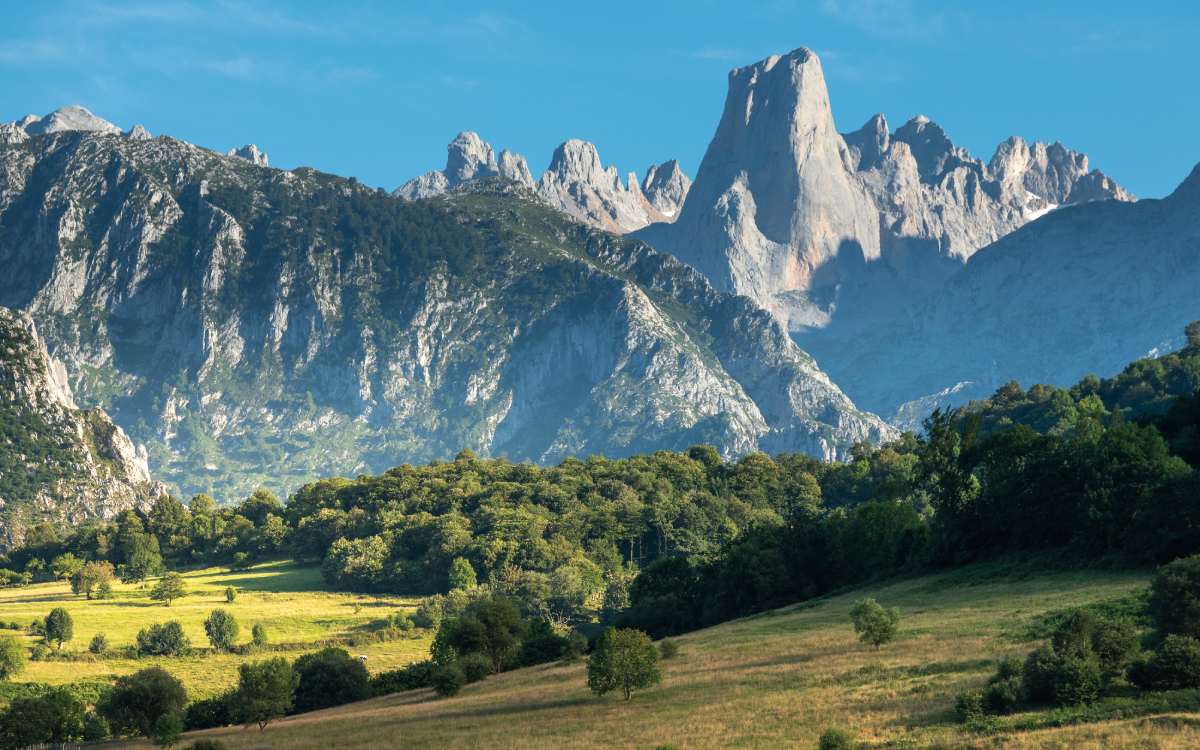
A rocky massif sits in the heart of the Cantabrian Range, or Cordillera Cantábrica, in northern Spain. The latter makes up the Picos de Europa National Park, which many consider beauty shaped as a mountain.
It’s the second most visited national park in the country and perfectly portrays the Atlantic ecosystem. It covers Asturias, León, and Cantabria and is characterised by the breathtaking rock formations that give it its name and the layer of oaks and beeches it is covered by.
And here is a fact that you might find interesting: this natural park is inhibited! It is distributed between 11 municipalities of Asturias, León and Cantabria. The Lakes of Covadonga, the Naranjo de Bulnes, and the Ruta del Cares should be on your itinerary if you’re ever in this area.
1. Teide National Park
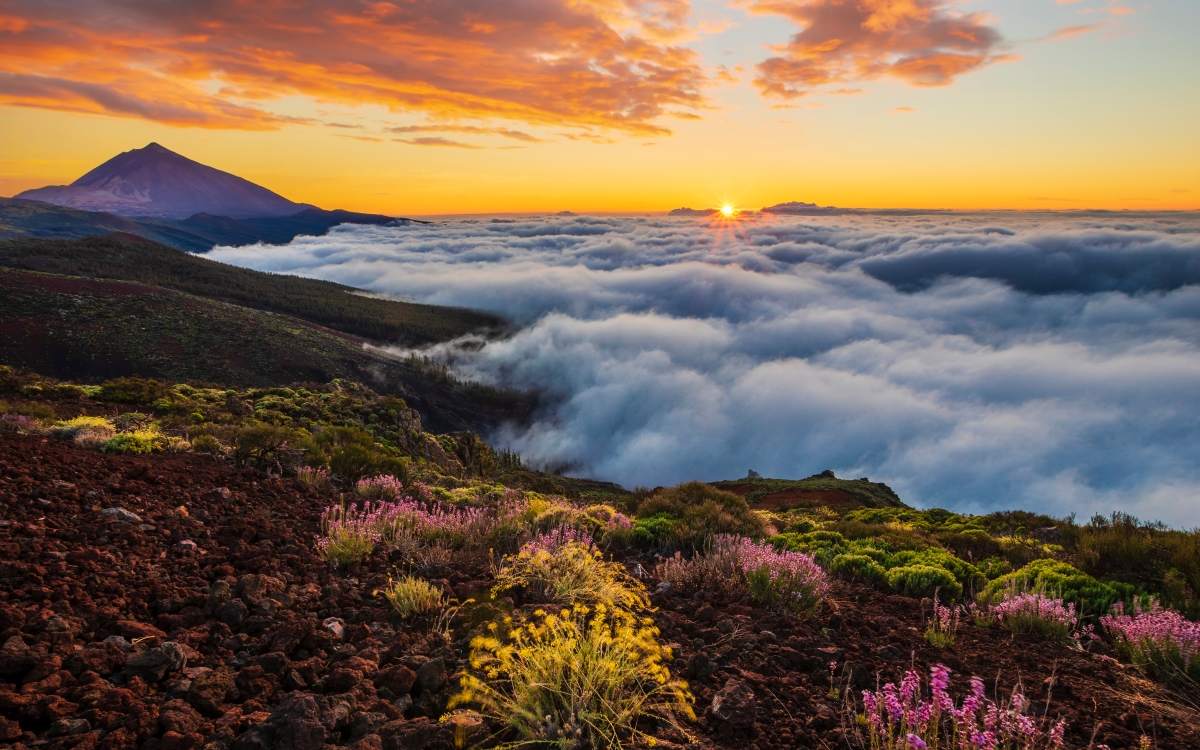
Tenerife’s Teide Natural Park is probably the most visited and one of the most appreciated. This is one of the Canary jewels that you should see at least once in your life. It was declared a World Heritage Site by UNESCO in 2007.
Of course, the Teide is its great natural gem, one of the most impressive geological monuments in the world and the tallest volcano in the country. Thereby, it is also Spain’s most elevated spot thanks to its 3,700 metres. Besides, this spot has a great biological value for its indigenous vegetal species and the unique fauna that lives here.
Walking the Arenas Negras path, taking pictures of the rock formations of Roques de García, going to the astronomical observatory or visiting one of its viewpoints are only a few of the things that you can do here and that make it one of the most beautiful natural parks in Spain.
You can also read this article in Spanish here.
Follow us on Facebook!