A Cervantine journey in La Mancha
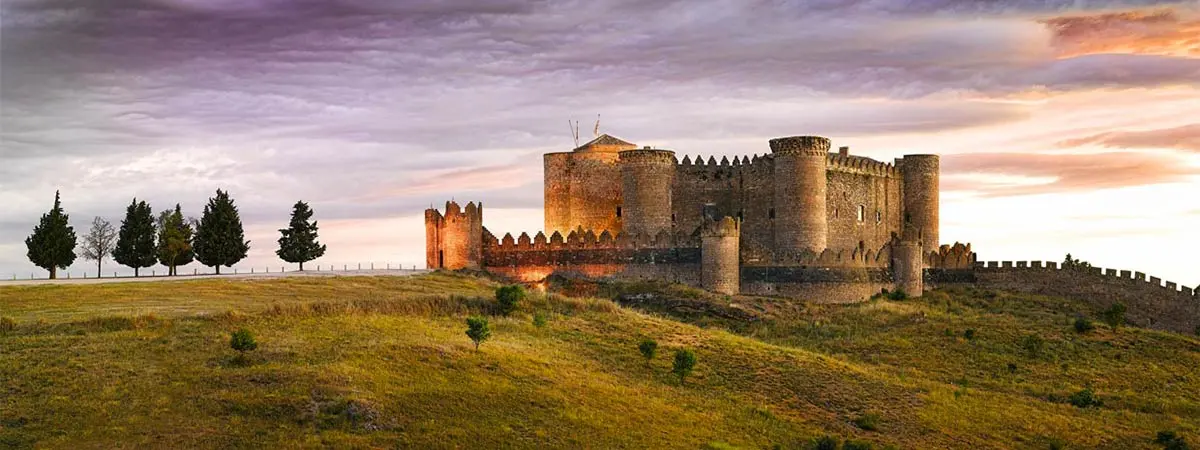
Miguel de Cervantes died four centuries ago, but he's still well alive. Not only was he one of the most celebrated writers in Hispanic literature, but also a universal genius. The windmills of La Mancha, among other things, have been part of the collective imagination for quite a while. Why don't you follow us in a Cervantine journey through this Spanish region?

Puerto Lápice: a typical Manchegan village
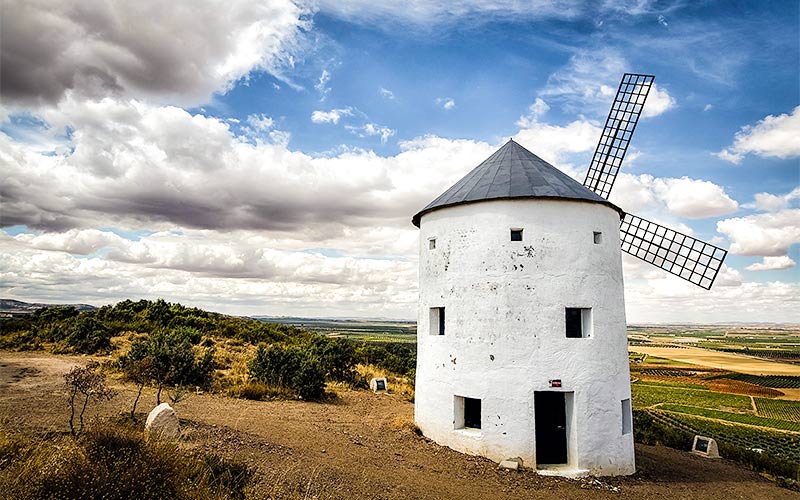
Consuegra: La Mancha's viewpoint
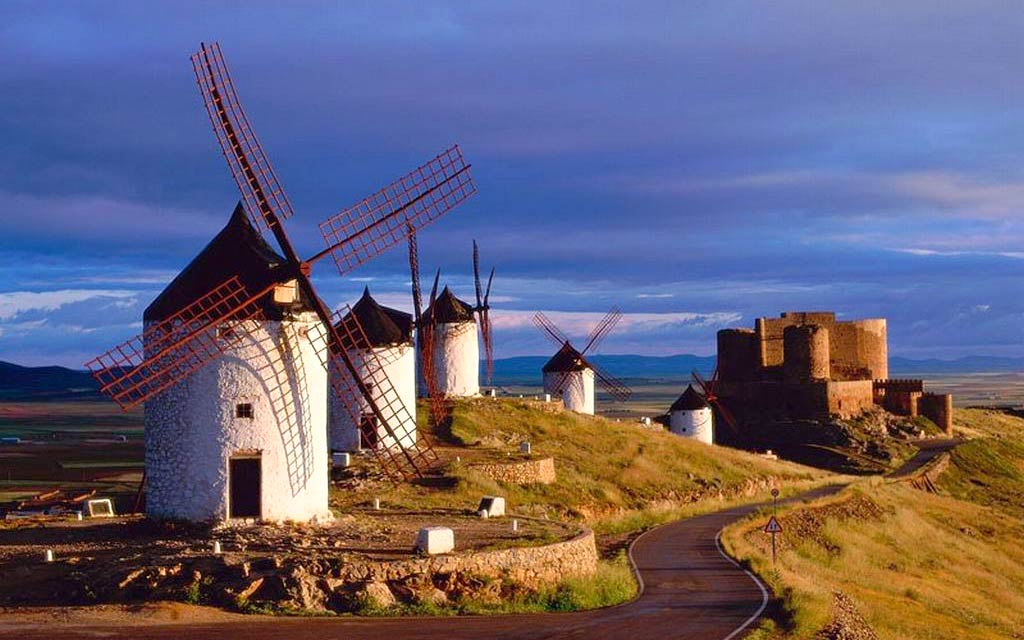
You might be wondering why there are so many windwills on this region. The answer is simple: the people from La Mancha had to take advantage of the resources they had. As water was scarce and wind abundant, especially on the Manchegan plains, many hills had their own windmill. Inventiveness made up for the absence of rivers -where water wheels could be built, as in La Hiruela or Zújar- and windmills were used to grind wheat with the help of windpower. The 12 windmills in Consuegra are part of one of the most unique views you'll come across in this Cervantine journey.
Alcázar de San Juan: the Hospitalarios' headquarters
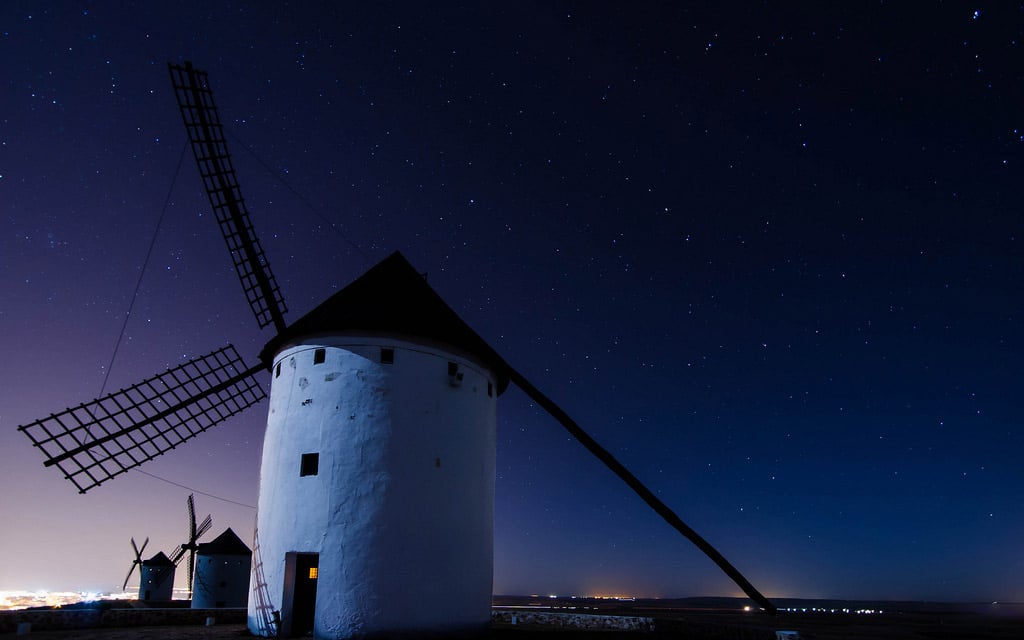
On Don Quixote, a luscious feast called "Bodas de Camacho" is described. This event was set on this Manchegan town. According to Cervantes, the guests had a wedding stew that you can still order at Alcázar de San Juan. Food wise, this is one of the most traditional stops in our Cervantine journey: you will be able to taste Manchego Cheese with a Designation of Origin, La Mancha's wine with P.D.O. and purple garlic from Las Pedroñeras, a common seasoning for dishes at this town.
The wind giants in Campo de Criptana
(Start of the 8th Chapter of Don Quixote)
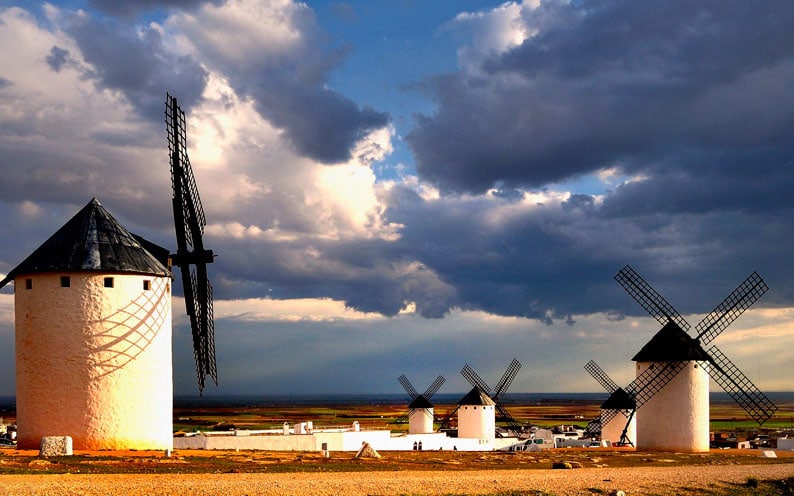
Campo de Criptana is a humble farming town of Muslim origins that became popular due to the fight that the Quixote had with the famous windmills. Sara Montiel was also born here. This is a very important stop in our Cervantine journey, as Campo de Criptana has one of the best windmill groups in Spain. When you head to the windmills, you'll be able to gaze at the picturesque typical houses built on steep slopes. Some of them are even dug in -as Casa de Tres Cielos-. Take Fuente del Caño street to reach the windmills. There are around ten of them in which you'll find small crafts and farming tool museums.
Here, in Sierra de los Molinos, you'll find the only three windmills in the Iberian Peninsula that are still operated with their 16th century machinery. The three of them -Infanto, El Burleta and Sardinero- can grind wheat as it was done centuries ago.
El Toboso: Dulcinea's touristic hometown
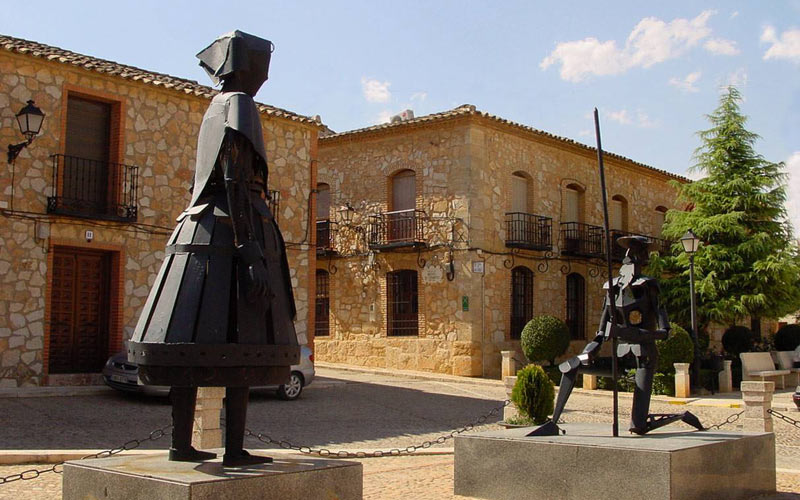
El Toboso means Don Quixote: each corner of this town reminds us of Dulcinea and Alonso Quijano. This is what makes this town a popular touristic destination, apart the remarkable attractions as the Casa Museo de Dulcinea and the Convento de las Clarisas -a convent with a well-preserved Baroque dome-. An indispensable stop in our Cervantine journey!
Belmonte: where Don Quixote succeeded
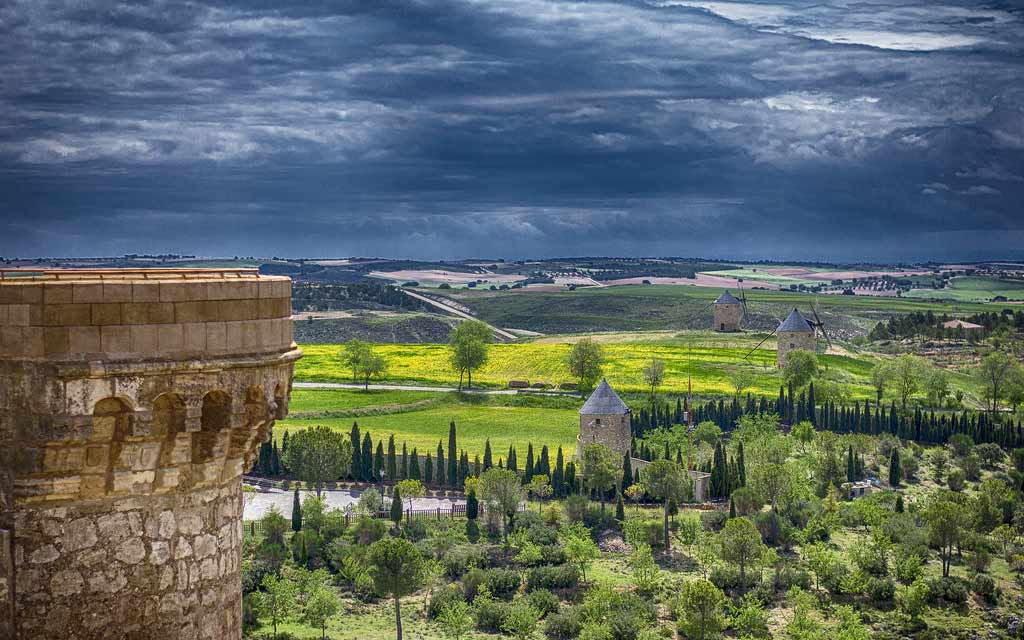
One of the greatest lyrical Spanish poets, Fray Luis de León, was born in Belmonte. However, there's hardly any trace of his legacy here... and the most compelling attraction now is its magnificent castle, where Juan Pacheco, Eugenia de Montijo and (perhaps?) Don Quixote left their marks. Truth is, having a real castle in the story could be odd after having the knight believe that an inn was a castle just in the previous episode!
The intellectuals "fixed" this problem as follows: according to their version, Don Quixote spent a night on the outskirts of Belmonte, where a combat against the Caballero del Bosque (Knight of the Forest) took place. This is one of the few adventures in which Don Quixote succeeds and, oddly enough, it is hardly the only event where his dreams appear to look like reality itself.