Santoña
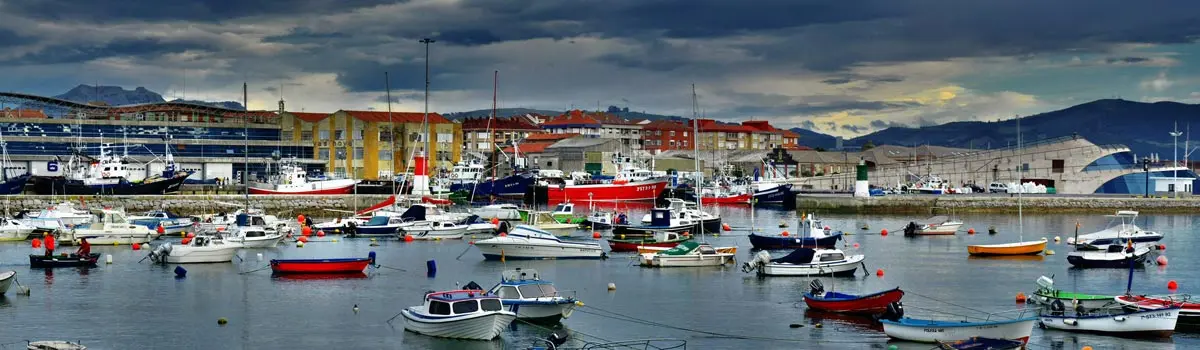
The Anchovy Capital
Surrounded by hills, marshland, and an estuary, Santoña is like an island on solid ground. It has a beautiful bay and two beaches: Berria to the north and Arenal de San Martín to the south. It is also a significant fishing town known worldwide for its canned anchovies.Planning Your Visit to Santoña
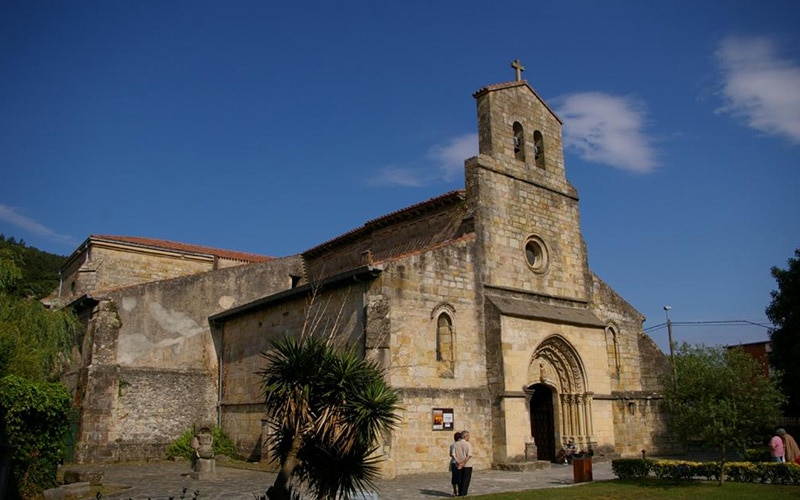
Nestled in a beautiful bay and surrounded by a park, Santoña is divided into two sections, both of which can be toured in one day. In the morning, begin your visit at the Church of Santa María de Puerto and continue on to Buciero Hill where you’ll find San Martín Fort, Horse Lighthouse, and more. In the afternoon, you can head over to Plaza de San Antonio and from there explore the historical quarter of the city. As long as the weather is good, you can partake in several outdoor activities, including water activities and hiking on Buciero Hill. If you have more time, you can complete your weekend trip by exploring nearby Laredo (just 15 minutes from Santoña) and on the way stop by the Natural Park of the Marshlands of Santoña, Victoria, and Joyel. If you also want to try some delicious anchovies, discover Santoña’s best gastronomy, and get tips on where to stay, we recommend visiting our pages about sleeping and eating in Santoña.Want to Get to Know This Place?History of Santoña
The place has been known as Santoña since before it was conquered by the Romans. The name of the town is derived from the Santones or Sántonos tribe, who may have had Celtic roots. But like so many other Cantabrian towns, Santoña owes it origins to the repopulation ordered by Alfonso I the Catholic, King of Asturias, in the 8th century. A century later, a settlement sprang up around the Monastery of Santa María de Puerto, which had authority over the port and its territory. In fact, old documents distinguished between Santoña (the area around the hills) and “El Puerto” (the village surrounding the old monastery).
In 1038, Santoña continued to grow in importance and population thanks to Abbot Paterno, who is considered the true founder of the city by many historians. In the 12th century, the Monastery of Santa María began to lose its power when it came under the authority of the Nájera Abbey. The aristocracy and abbot of Santoña fought to break away from Nájera. This separation finally took place in 1579, when Santoña became a villa de realengo (town under direct control of the monarchy) and was absorbed into the Juntas of Trasmiera. At that time it came to be known as Puerto de Santoña, and this name was maintained until the 18th century when it was shortened to the present-day name of Santoña.
Due to continuous attacks by the French, particularly the 1639 siege ordered by the archbishop of Bordeaux, two defensive forts were built in Santoña: San Martín Fort and San Carlos Fort. Years later, the French themselvesmade the town a French stronghold during the Peninsular War and built two new forts there: the Imperial Fort (on the site of the present-day El Dueso Penitentiary) and Mazo Fort.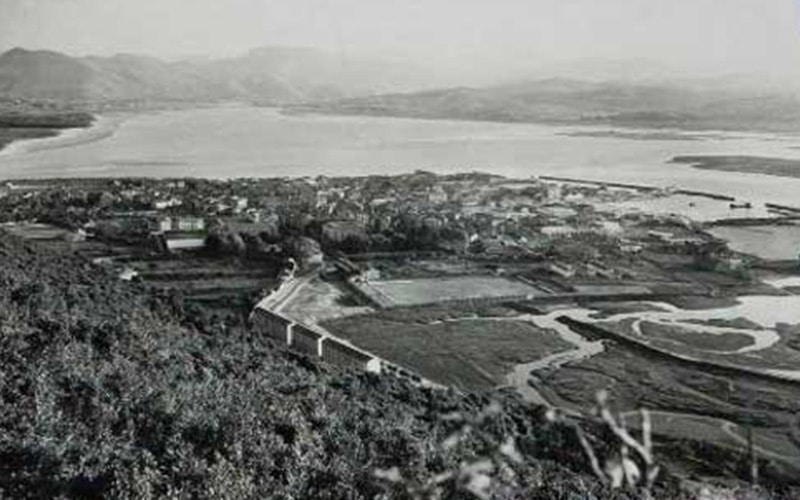
Things to Do in Santoña
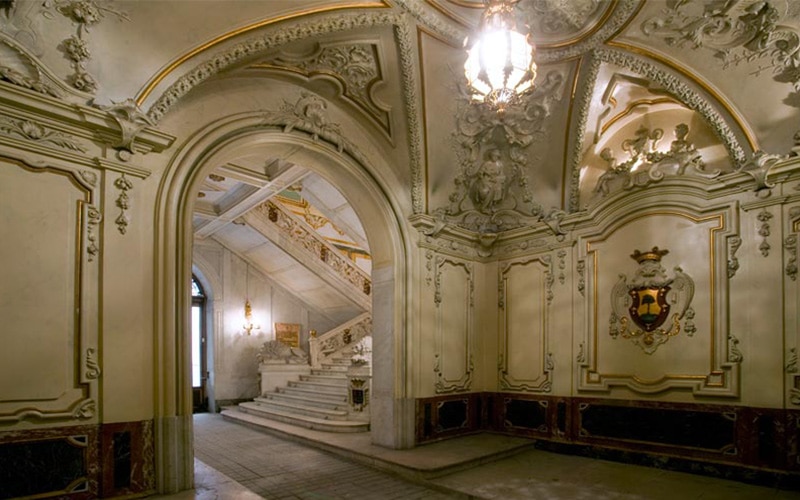
The Mansion of the Duke of Santoña (1864), the former residence of the first duke of Santoña and marquis of Manzanedo, now houses the city art gallery and tourism office. The Neoclassical construction was built by Juan de Manzanedo (1803-1882), a Santoña native of humble origins who made a fortune in Cuba. Queen Isabella II granted him the title of marquis of Manzanedo and King Alfonso XII made him the duke of Santoña. Manzanedo financed the construction of two public buildings in his hometown: a school and a hospital. The Marquis of Manzanedo Institute (1871), also in the Neoclassical style, has a chapel that houses the Manzanedo family mausoleum.Another notable building, which has been declared an Asset of Cultural Interest, is the Chiloeches Mansion or Maeda House, built by the Santoña-born marquis of Chiloeches in the early 18th century. It has three floors with balconies and is emblazoned with two Baroque coats of arms featuring mythological elements and the family crests of the various aristocratic houses who owned the estate.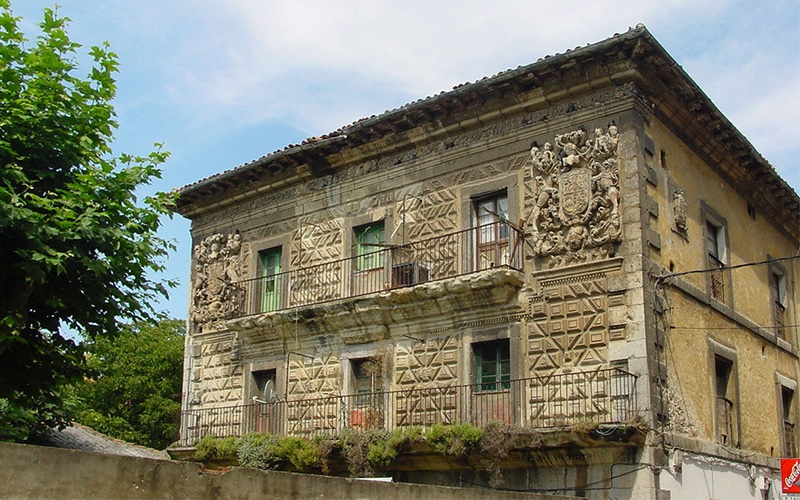
Along the esplanade and around Plaza de San Antonio, there are plenty of restaurants and bars where you can try Santoña’s famous anchovies as well as other fish from the Cantabrian Sea.
During the patron saint festival in September, the townspeople honor the Virgin of the Port with a water parade and hold all kinds of festivities, boat races, bullfights, sardinadas (grilling sardines outdoors), and verbenas (street festivals). Another famous celebration is the traditional Sailors’ Carnival.
Essentials
Practical Information
PRACTICAL INFORMATION
43° 26′ 29″ N, 3° 27′ 27″ W
Santander 47 km, 74 km Bilbao, Madrid 462 km
All around the town and in the marina’s free underground parking lot
8 m
11 382 (2013)