
Wonders of Gipuzkoa that you must see at least once in your life
The historic territory of Gipuzkoa or Guipúzcoa commands a surprising array of charms for such a small province. The Basque Country’s ever-present majestic greenery melds with fantastic beaches, legendary mountains and charming villages. While Donostia or San Sebastián has long been a holiday destination, there are other must-see places to discover. Here are a few of Gipuzkoa’s top marvels.

Characteristic natural surroundings
Flysch of Zumaia
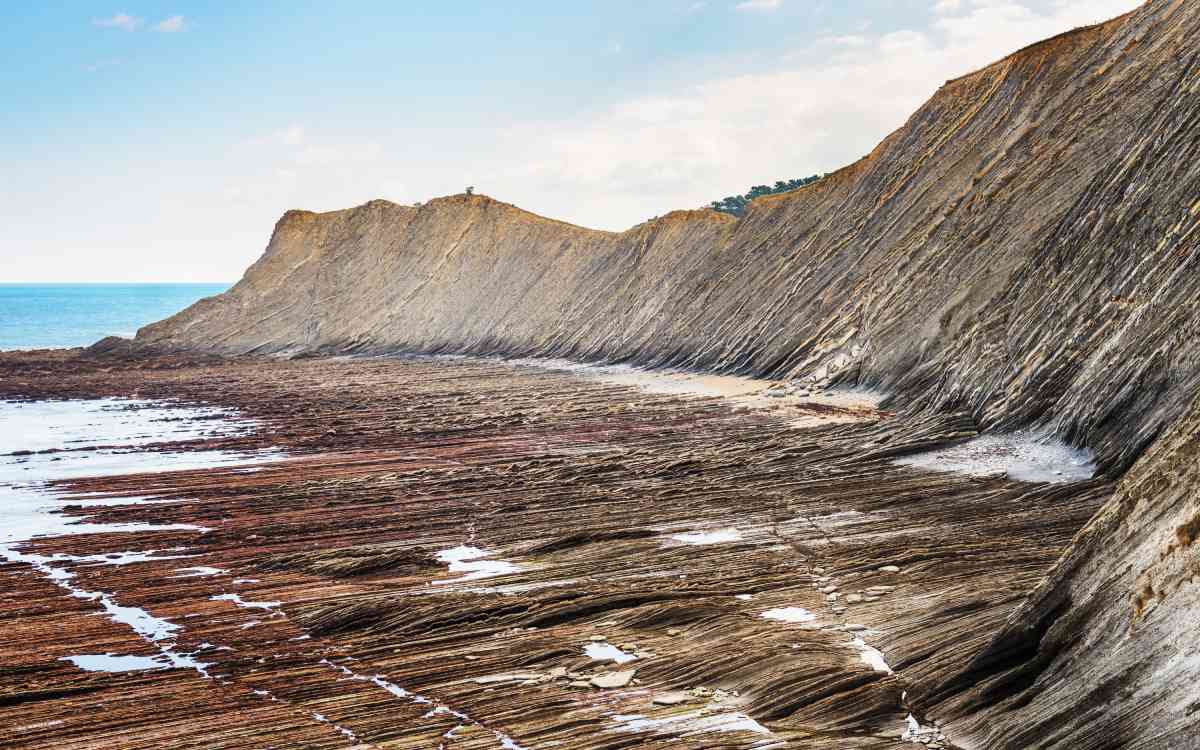
Zumaia is one of the most fascinating spots in all of the Basque Country and its flysch deposits are a truly awe-inspiring natural wonder. Fine stone chippings emerge upright from the sea, and like a book, allow scientists to read more than 50 million years of natural history.
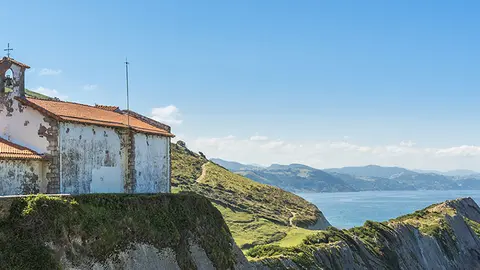
The panoramic scene of cliffs, beaches and rolling green terrain form an indelible image, one which can be appreciated by boat or by walking up to another local treasure, the chapel of San Telmo, from where unparalleled views can be seen.
Urkulu Reservoir
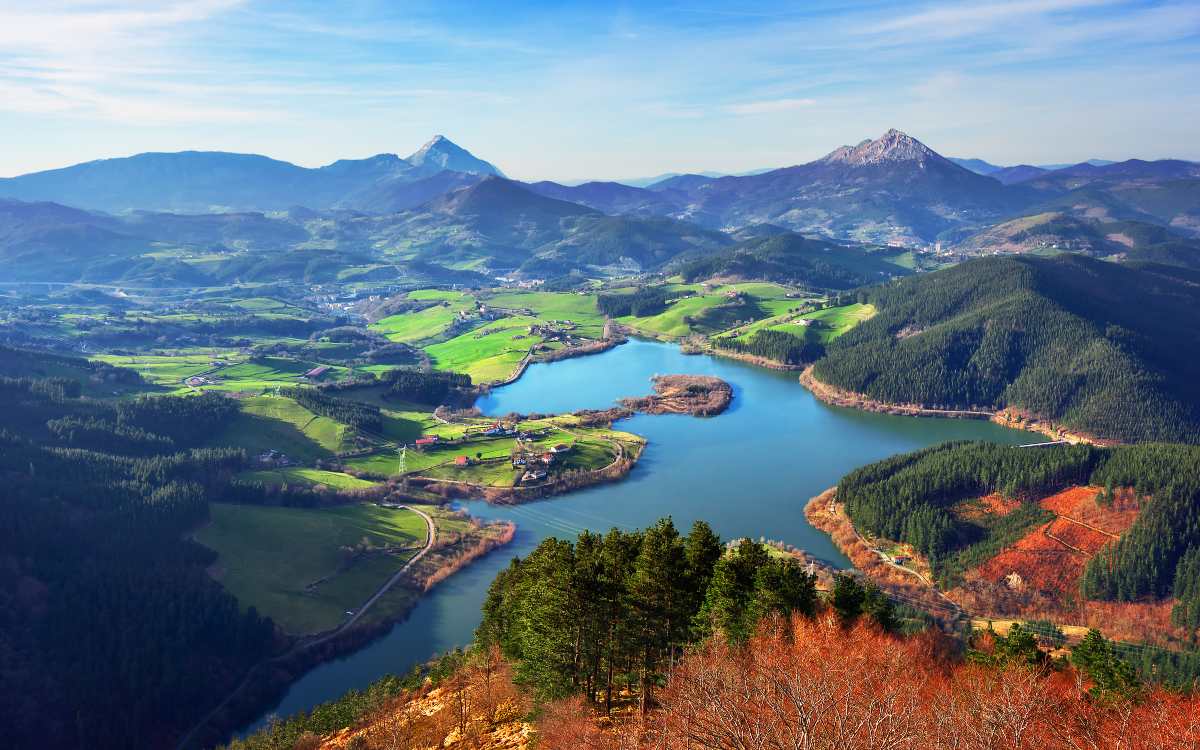
Approaching this reservoir through a series of gentle hills, groves and sizable peaks situates one within the heart of Gipuzkoa’s landscape,. The best way to enjoy this serene spot is by following, either on foot or by bicycle, the six and a half kilometre-long green trail surrounding the reservoir.
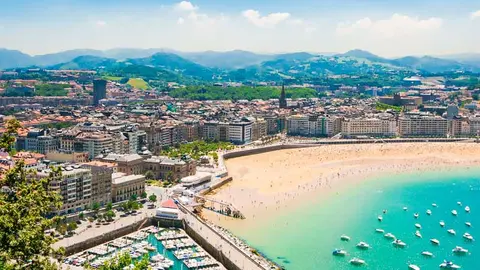
The reservoir lies next to one of Gipuzkoa’s most breathtaking and picturesque villages, Aretxabaleta, noteworthy for its religious architecture and other regal buildings such as the Otalora Palace. The entire surrounding area is especially tempting for activity-based tourism enthusiasts. The range of pursuits includes kayaking on the reservoir and trekking in Aizkorri-Aratz Natural Park, one of the finest in the region.
Leitzaran Valley
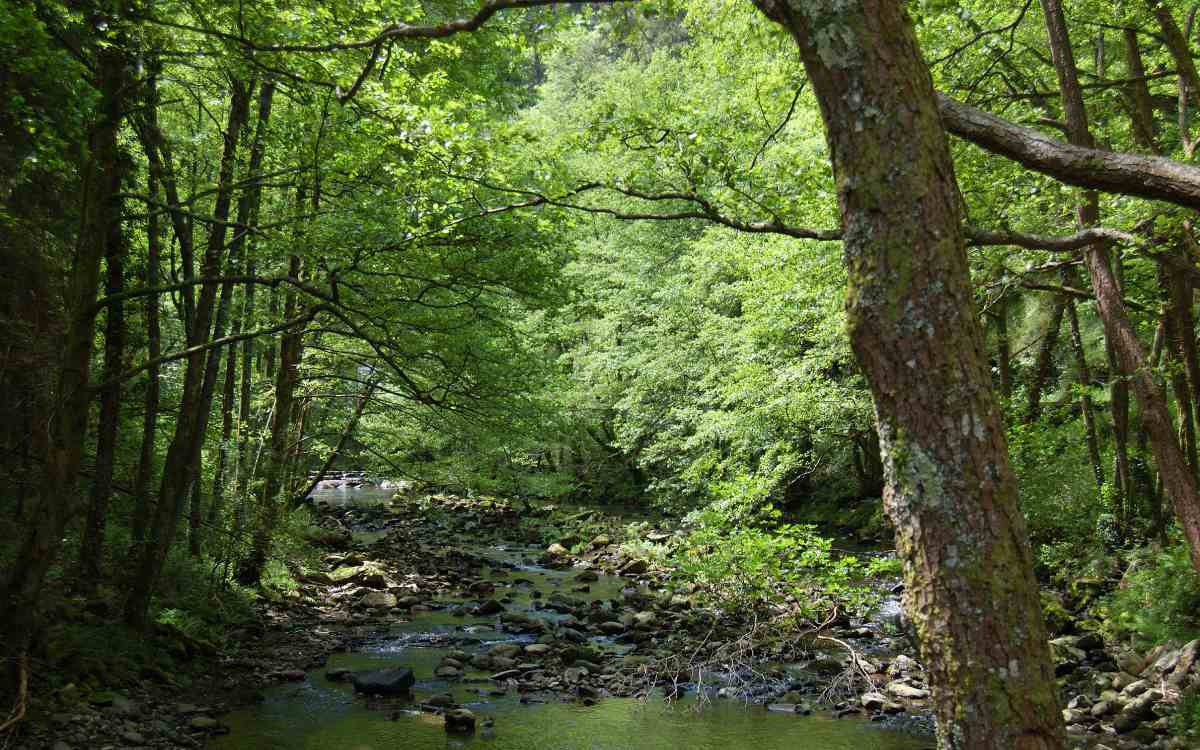
There are few places like Leitzaran (Leizarán) to acquaint oneself with the Basque Country’s history. Today, it is the only depopulated valley in the province, which grants the unique opportunity to enjoy its forests or go canoeing on its clear waters.

Nevertheless, the area has been witness to human activity over the course of centuries, from the abundance of megalithic monuments to the mines, mills and foundries of more recent times. Additionally, a now defunct train line has left behind an extraordinary green trail traversing this singular setting.
Cultural heritage
The hermitage of Santa María de la Antigua
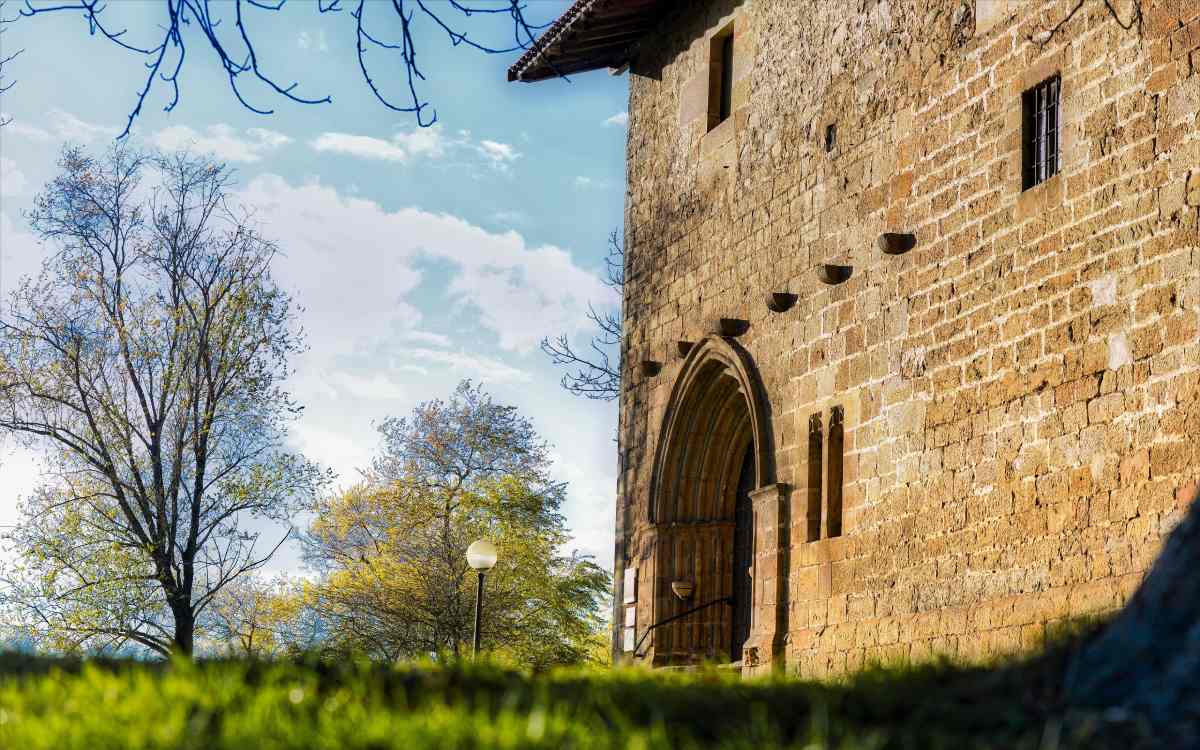
The town of Zumárraga in the region of Alto Urola is home to the hermitage of Santa María de la Antigua, also known as the Antio Hermitage, one of the pearls of religious architecture in the Basque Country.
The distinctive wooden frame of its ceiling conveys a sense of grassroots construction, linked to 16th-century hamlets of this region. The ornamentation of the wood is also akin to local popular traditions, distinguishing the Antio as the 'cathedral among Basque hermitages’.
Port of Getaria
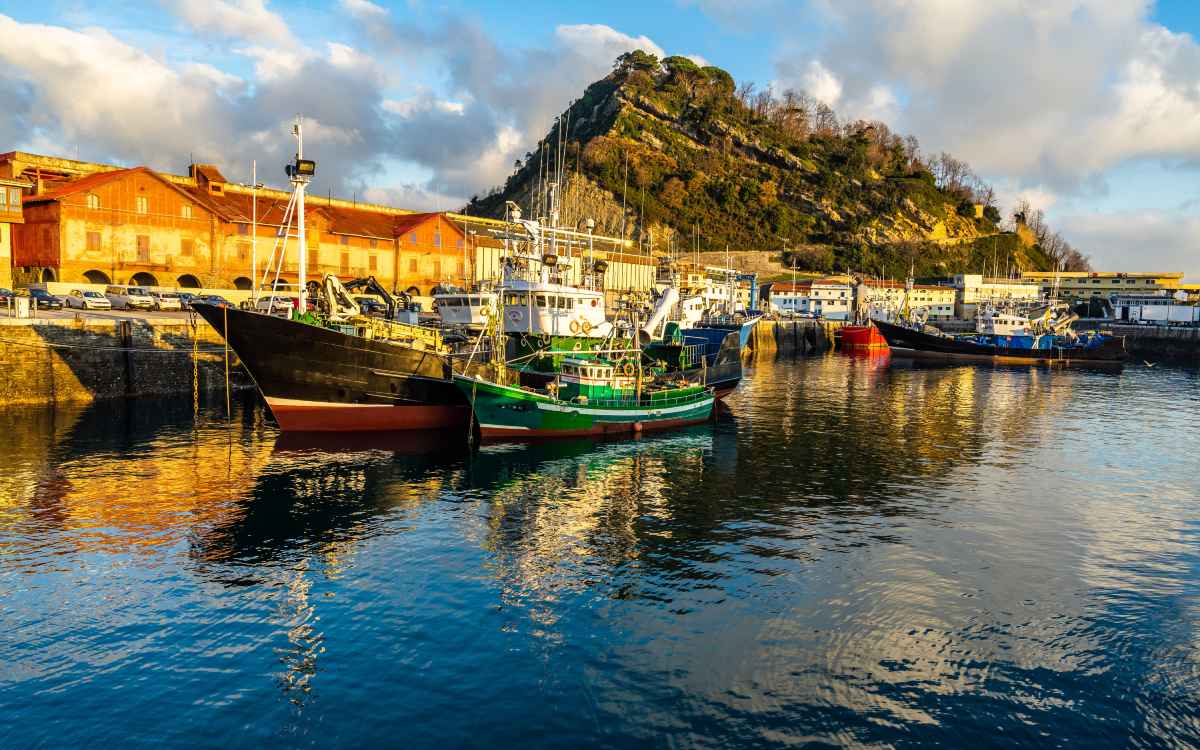
The town of Getaria and its port bestow the opportunity to discover the authentic essence of nautical Gipuzkoa. The port of Getaria continues to be an important hub for inshore fishing and with the port’s recent renovation, still an exceptional place to observe the hustle and bustle of the local maritime life.
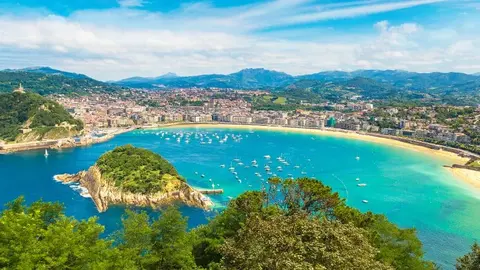
The port sits between the island of San Antón and the historic old town, a maze of medieval streets where parts of the original town wall are still conserved. Within its confines stand elegant towers and the lovely Gothic church of San Salvador. Below the church runs a curious passageway, known as the Katrapona, which leads from the old quarter to the steps of the harbour. Getaria, birthplace of the explorer Juan Sebastián Elcano, offers a variety of vantage points from which to admire the mystical Cantabrian Sea and its port, still the traditional and gastronomical heart of the town.
Loyola Sanctuary
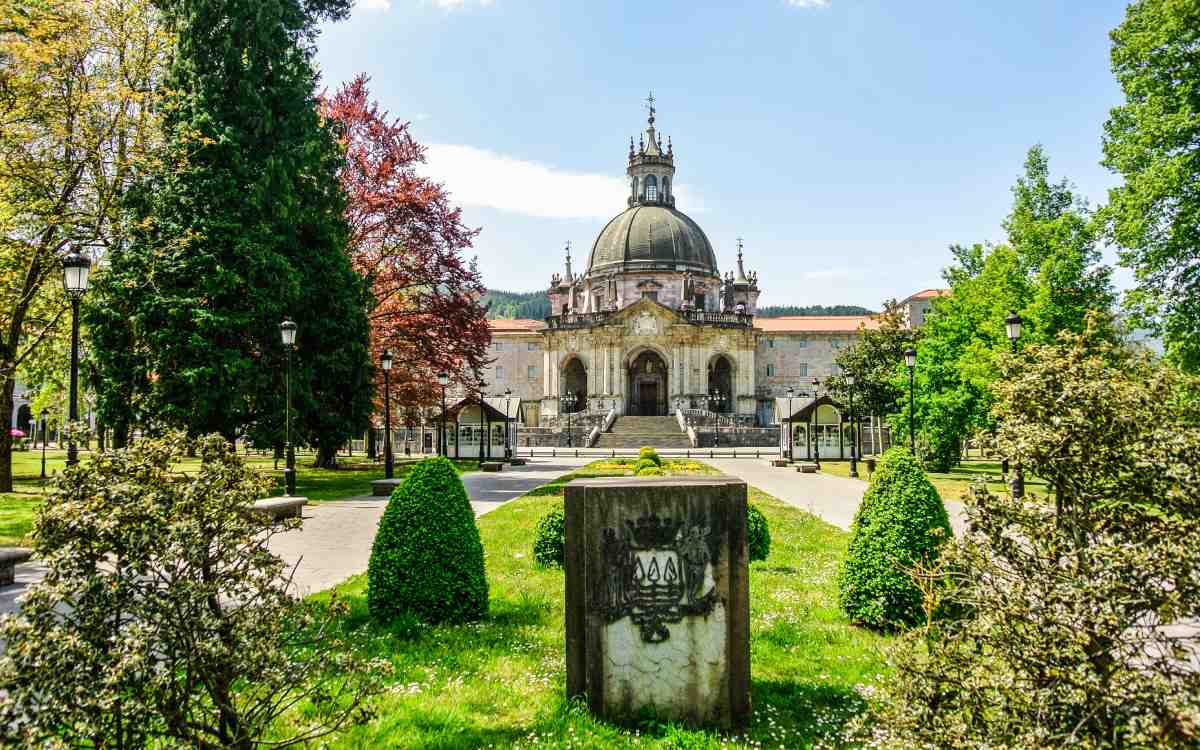
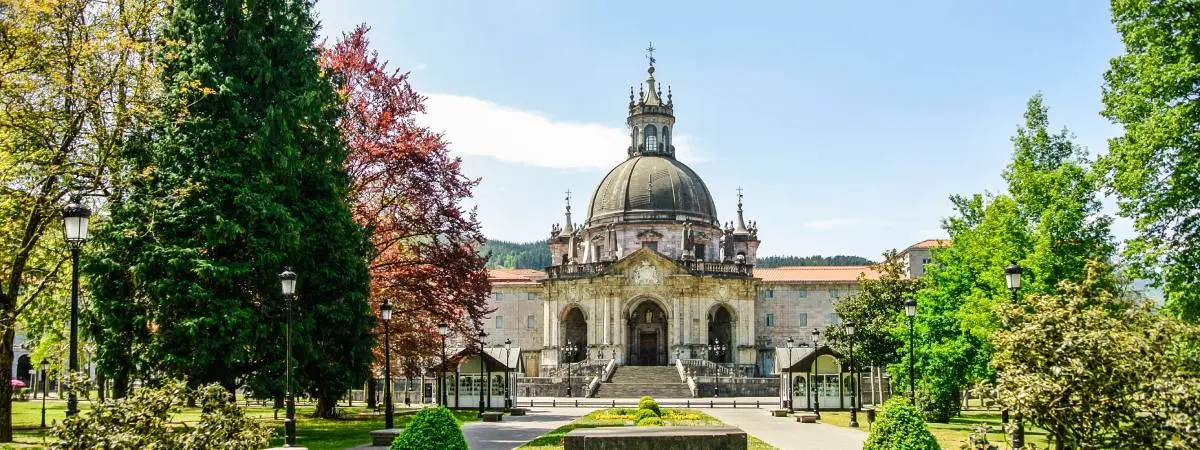
The birthplace of Saint Ignacio de Loyola has evolved into one of the spiritual centres of not only Gipuzkoa, but for many around the world. The sanctuary, an extraordinary array of Baroque architecture, surrounds the family home of the saint in the Urola river valley.
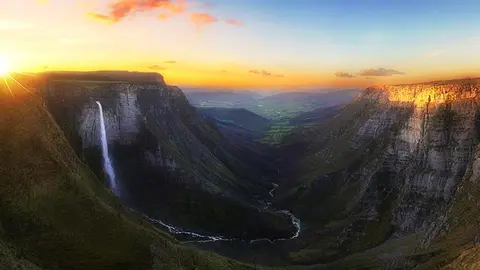
The birthplace of Ignacio de Loyola has been preserved since medieval times while the basilica’s colossal dome and its 150-metre façade loom large. The basilica’s stunning interior astonishes for its flamboyant altars and its remarkable pipe organ. Beyond its enormous architectural value, the sanctuary remains an important spiritual focal point with a busy agenda of year-round religious services.
Arantzazu Sanctuary
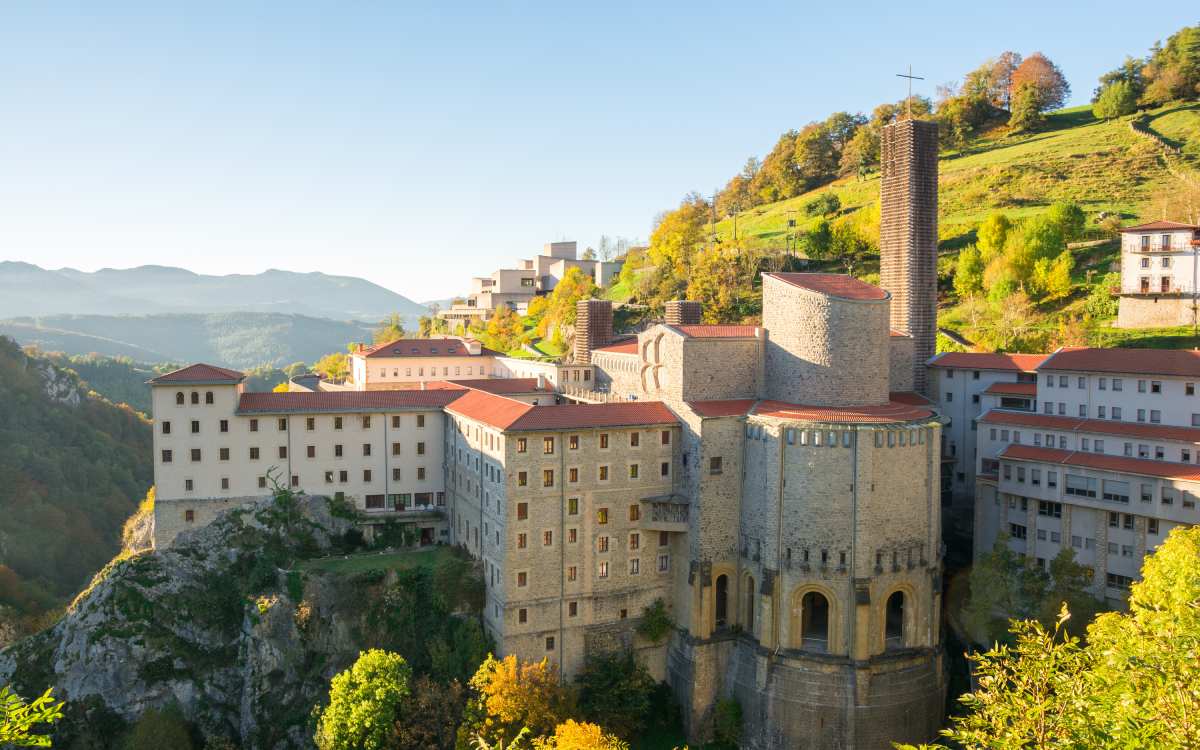
In the municipality of Oñati, surrounded by an incredible landscape of rocks and gorges, rises the sanctuary dedicated to the patron saint of Gipuzkoa, Our Lady of Arantzazu. The name means ‘place of hawthorns’ and legend says the virgin Mary once appeared above one such thorny shrub.
Despite the ancient origins of this cult, the sanctuary is an outstanding example of Basque avant-garde art. The current structure, after many fires and rebuildings over the centuries, was initiated in 1950 and includes masterpieces of art from some of the most prestigious Basque artists of the 20th century.

The façade features outstanding work by Jorge Oteiza, who sculpted the Apostles, while the grandiose, 600 square-metre apse was the work of Lucio Muñoz. The surprisingly modern architecture is notable for its pointed contours, reminiscent of the hawthorn tree. The audacity of the artists who participated was such that works were stopped for nearly fifteen years.
You can also read this article in Spanish here.
Follow us on Facebook!