Lovely places in Asturias that will conquer any visitor
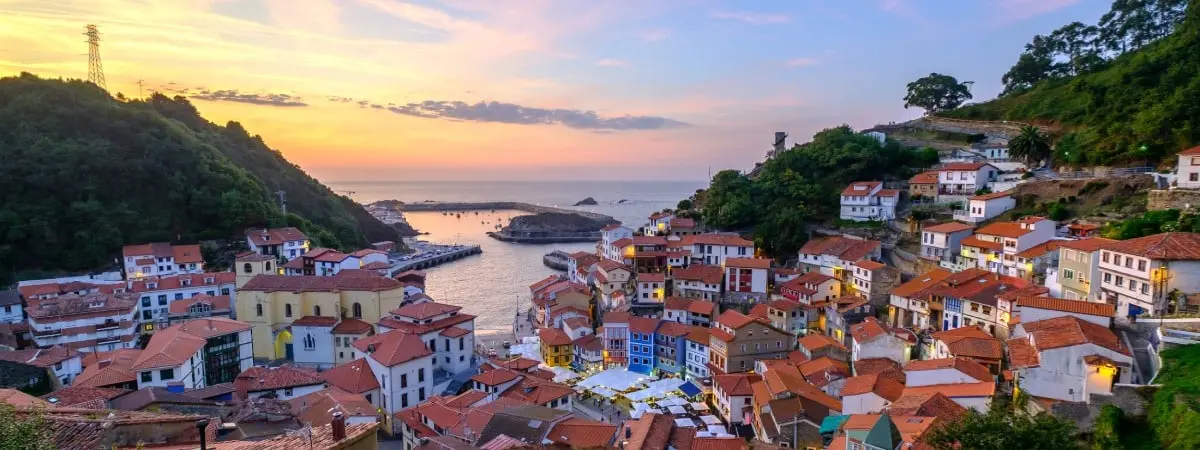
There are places in Asturias that you may not know yet, full of history and landscapes that are worth discovering. Asturias is a land of contrasts, with its beaches, cliffs and forests; as well as charming villages, some seafaring and others in the mountains. Perhaps you have already seen the most emblematic places of the principality, but we challenge you to discover these hidden spots of Asturias.

Ermita de la Regalina
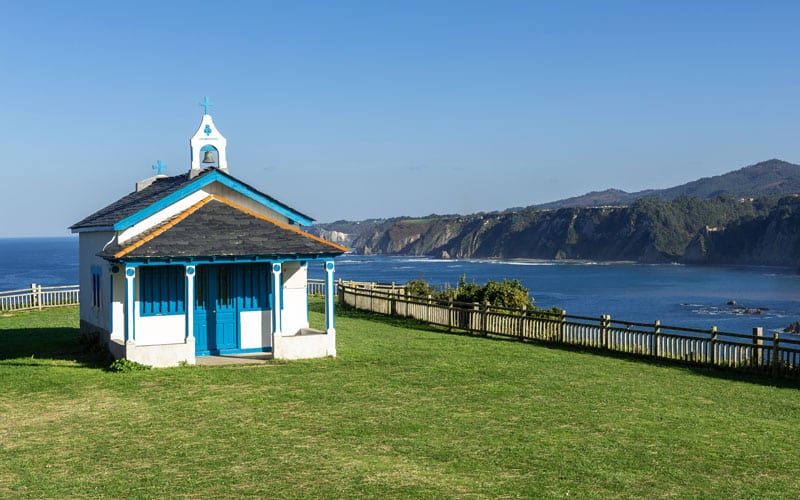
This beautiful jewel is located on the western coast of Asturias, specifically in the town of Cadavedo, halfway between Cudillero and Luarca, connected by the A-8. Complementing these beautiful villages, travelled by the pilgrims of the Northern Way, the hermitage is a very interesting temple located in a place of outstanding beauty. From here you can enjoy one of the best views of the Asturian coast. With its white and blue colours, it stands out against the sea, the blue sky and the cliffs. Cadavedo's busiest beach can also be seen from the Regalina hermitage. This is La Ribeirona, located on the right. The hermitage dates back to 1931 and since that year a pilgrimage is held every year to honour the Virgin of Riégala, patron saint of the village and nicknamed "la Regalina".
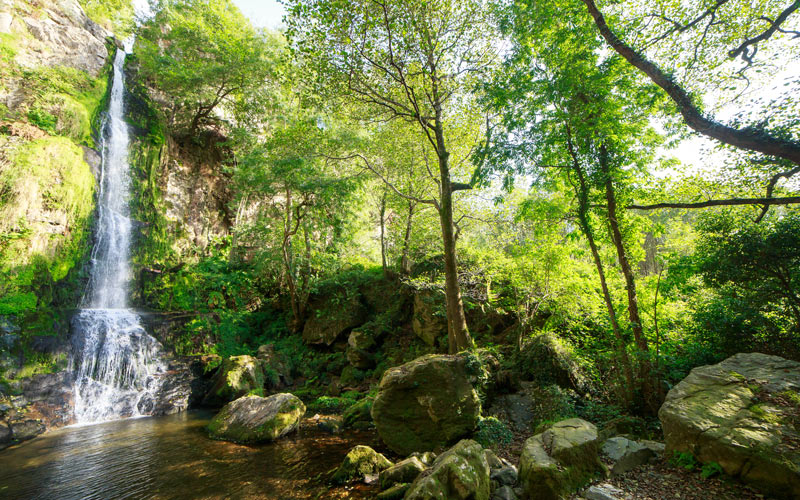
Oneta Waterfalls
Santa Cristina de Lena
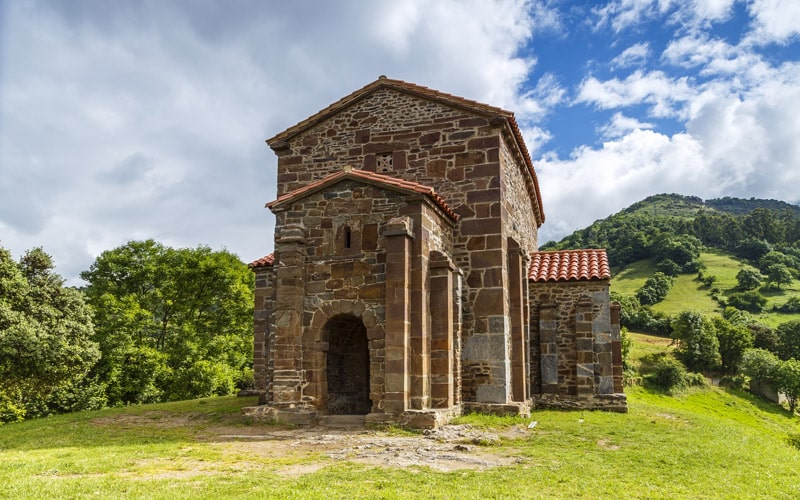
In the Council of Lena you will find one of the most unknown and also most interesting places in Asturias: the church of Santa Cristina de Lena. It is a pre-Romanesque church built in the mid-9th century on a hill. It is catalogued as a World Heritage Site by UNESCO. One of the curiosities around this temple is its Greek cross plan, unusual in Asturian architecture. 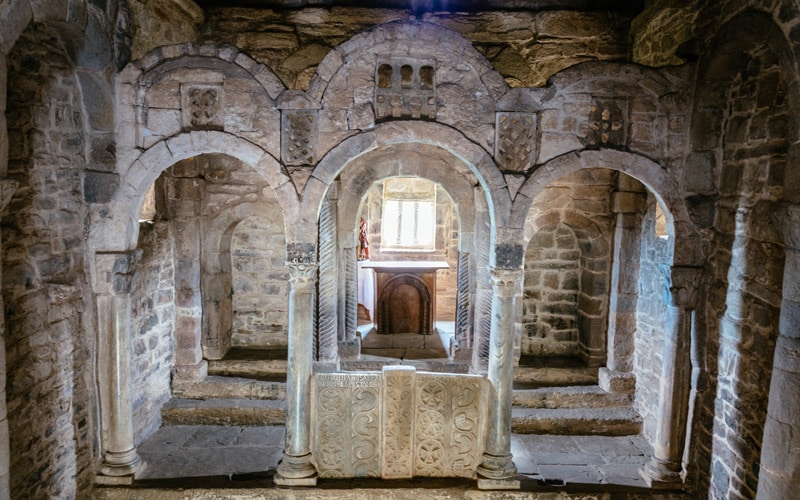
Avilés Lighthouse
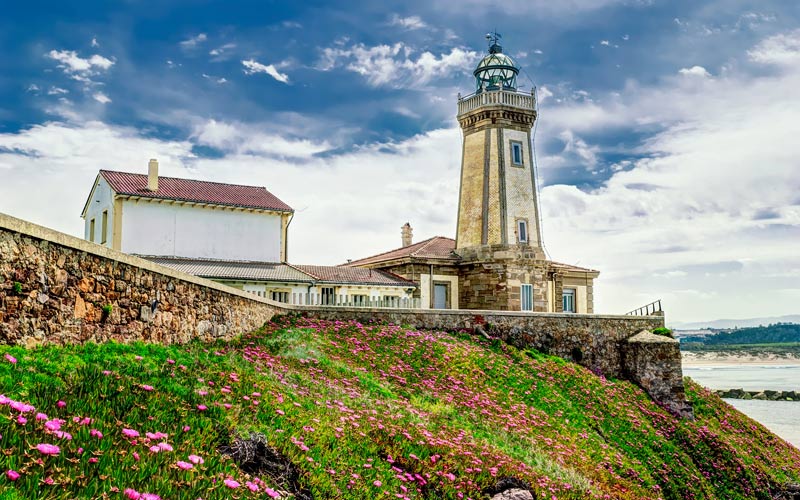
Located at Punta del Castillo on the Nieva peninsula, in the council of Gozón, is the lighthouse of Avilés. Also called lighthouse of San Juan. It is located on the eastern side of the entrance to the well-known Avilés estuary, on top of some high cliffs. The place where the lighthouse is located was formerly occupied by the castle of San Juan, defending the entrance to the port. From this point you can enjoy an incredible panoramic view of the coast, with the beaches of Salinas and Espartal at first sight.
Nuestra Señora de los Dolores Church
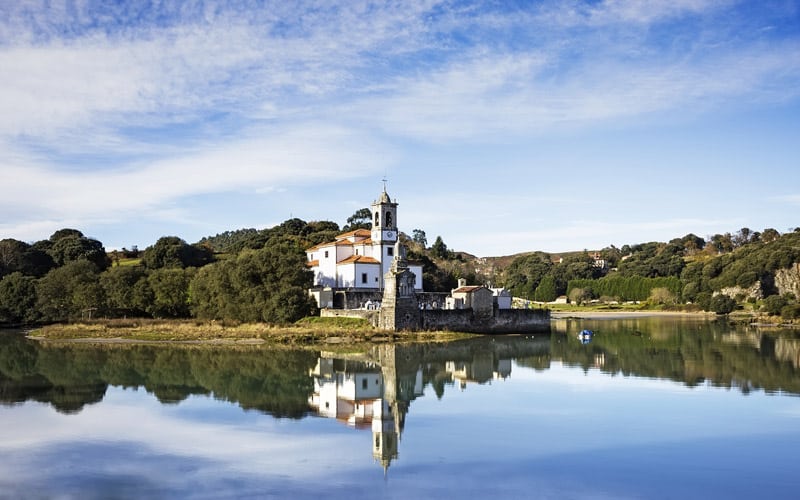
It may not be the most monumental church but it is one of the most unknown and beautiful places in Asturias. We are talking about the church of Nuestra Señora de los Dolores, in Barro, a village in the council of Llanes. When the water reaches the wall that surrounds the temple and the cemetery at the back, the whole is reflected in the waters of the estuary of Barro creating a bucolic picture. Forming a small peninsula, this landscape can be seen from the road that leaves Barro, used by pilgrims on their way to Santiago de Compostela.
Ethnographic Set of Teixois
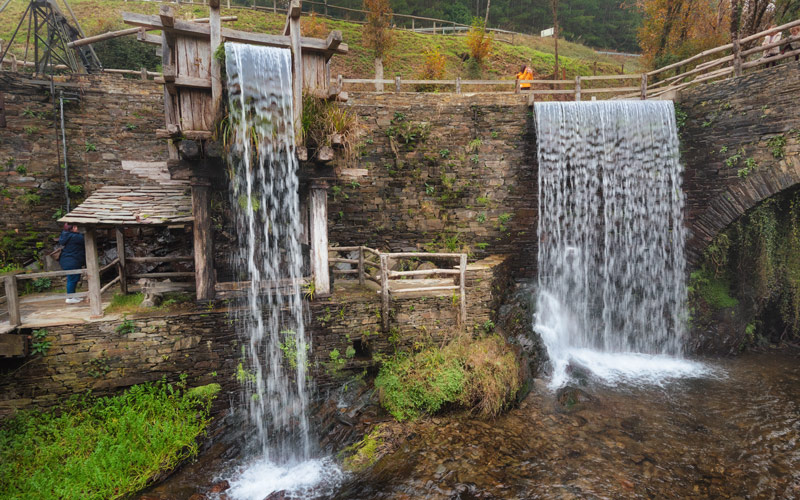
One of the most interesting places in Asturias is the uninhabited village of Os Teixois, a hamlet located very close to Taramundi. Nowadays the enclosure has become an ethnographic complex maintained for tourism. It is a collection of ancient hydraulic devices that are exceptionally well preserved and maintained. These machines can be visited while those responsible for the complex give the relevant explanations about their history and functioning. Furthermore, the environment in which these mills and other structures are located is especially beautiful, among the mountains, paths and streams in the surroundings.
Tapia de Casariego
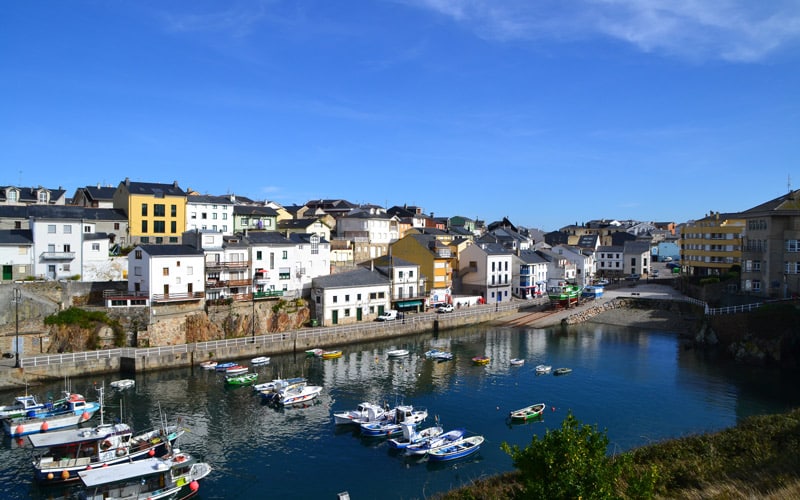
Although Tapia de Casariego is a Jacobean town very popular among tourists during summer, many people do not know it. It is clearly worth the (not) trouble. To get here you can take the A-8 motorway, which crosses the municipality. Nearby are Navia or Ribadeo. The council is one in which the Galician-Asturian language is spoken, called eonaviego.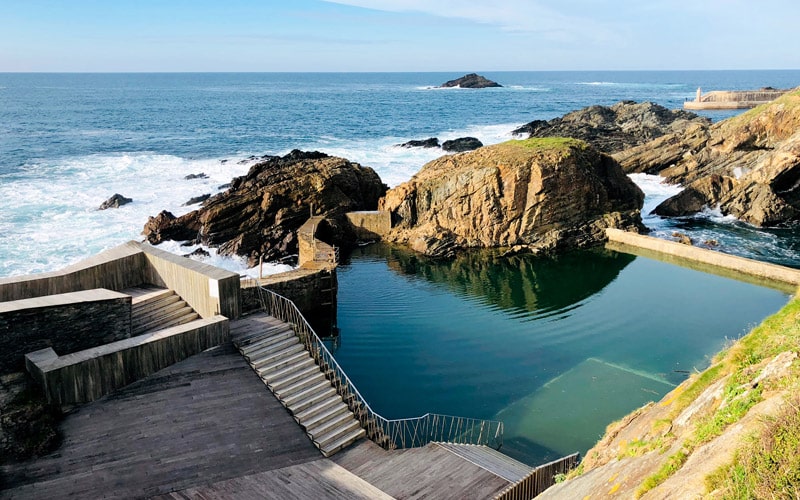
Andrín Beach
Redes Natural Park
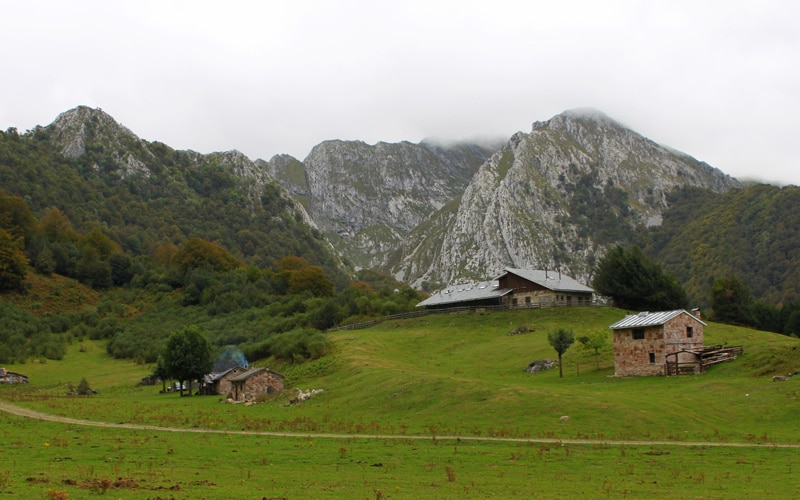
The Redes Natural Park hides many fascinating places in Asturias. Declared a Biosphere Reserve by Unesco, this natural park includes the Asturian councils of Caso and Sobrescobio. Here you can see nature at its best through the beech forests, caves, glaciers and stone villages.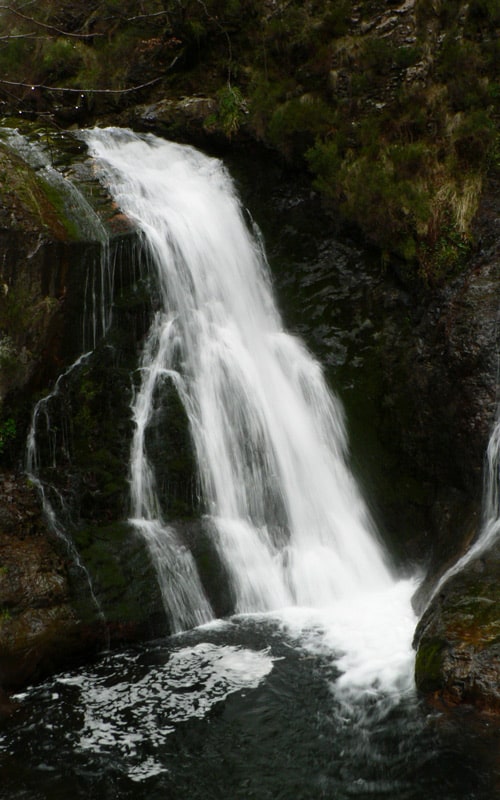
Those who wish to get to know it should go to the Redes Reception and Interpretation Centre located in Campo de Caso. From here you can take guided routes to El Alba, with impressive waterfalls; or the Arrudos Gorge route to Ubales Lake.
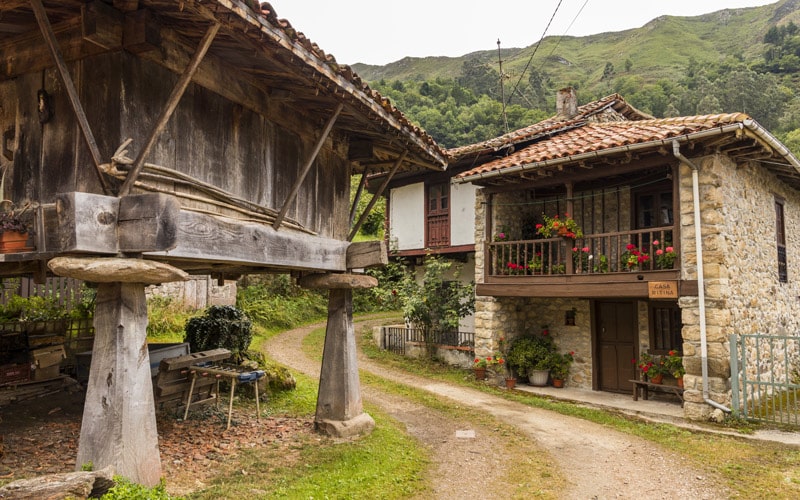
Hórreos of Espinaredo
Carbayedo Beach
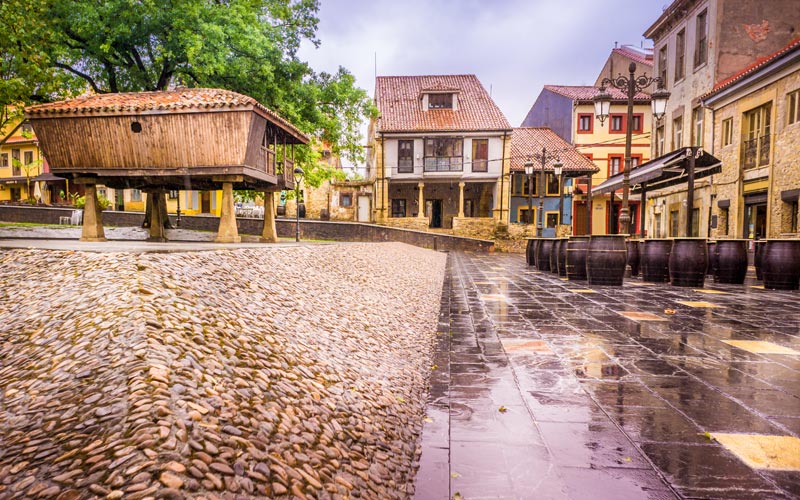
Among the most unknown places in Asturias, a visit to the peculiar Carbayedo square in Avilés can be contemplated. It used to be a wooded area, hence its name, since Carbayedo is how the oak is called in Asturian. Now the square preserves the vestiges of this rural environment, with the traditional houses of the region. The hórreo, an unmistakable symbol of the rural architecture of Asturias, has also been preserved. At the same time; in the upper part there is a chapel with three popular images of the Avilés Holy Week. They are La Dolorosa, Jesulín de Galiana and San Juan Evangelista. Around the square there are also bars where you can taste the varied Asturian gastronomy.