The ultimate guide to the province of Seville: what to see to understand and enjoy the region
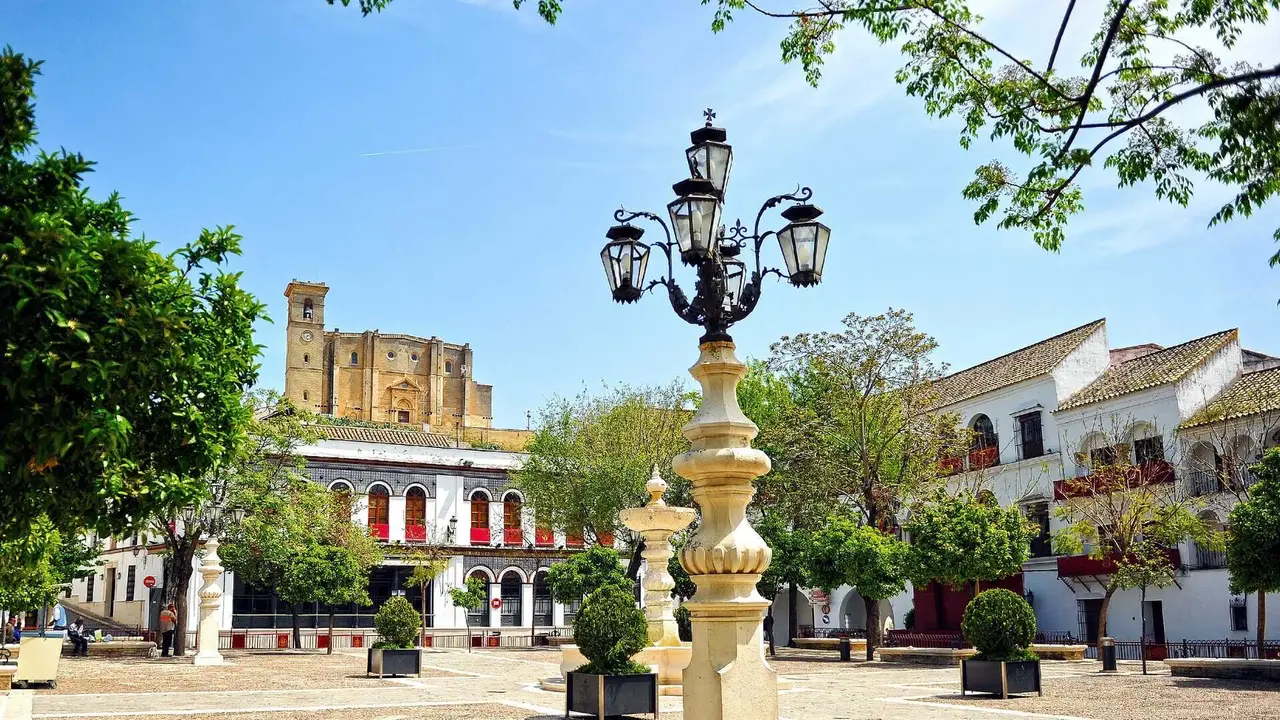
Seville is so much more than Andalucía’s capital. Seville is a province full of true wonders, places that you should see at least once in your life. Historical towns and cities and cultural complexes of great importance—Seville has it all. If you’re in the area or looking forward to doing so, you should take note of these spots so you get the most of the purest Andalusian essence.

Wonders of Seville: its most charming villages
Carmona and its 'Giraldilla'
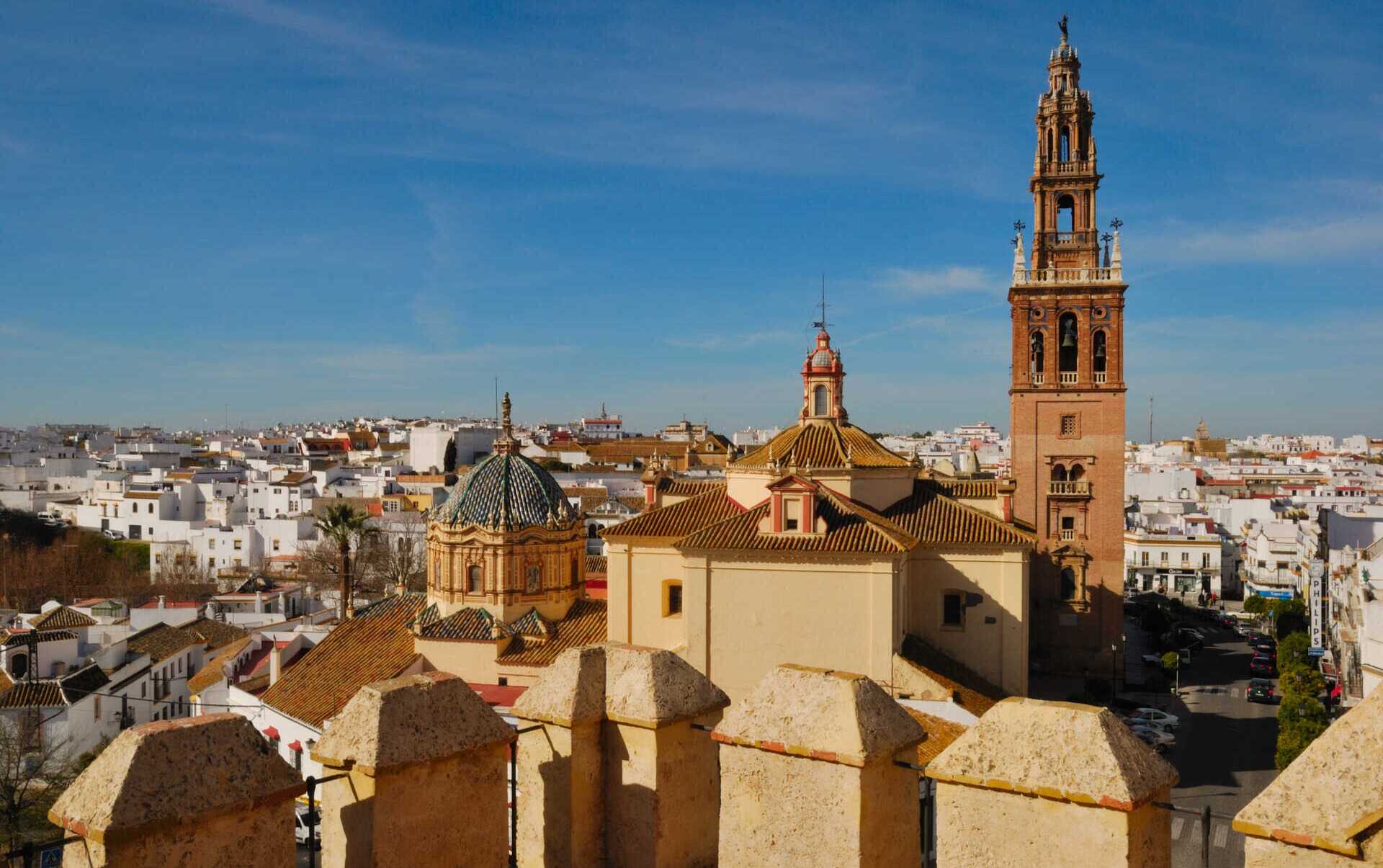
Let’s begin with one of the oldest cities in Europe: Carmona. This city can’t be missed on this list, and it’s only half an hour by car from the capital.
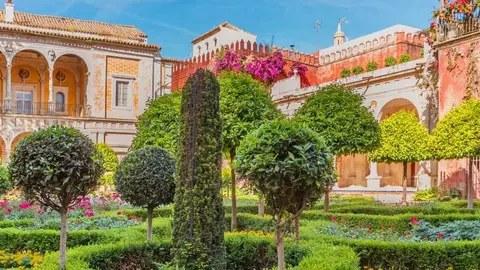
Here you will find gems such as the Alcázar del Rey Don Pedro, the Alcázar de la Puerta de Seville, or the San Bartolomé and San Pedro Churches. The latter is famous for its tower, the Giraldilla, which receives this adorable nickname thanks to its similarity to Seville’s true Giralda.
Écija, ‘Andalucía’s pan’
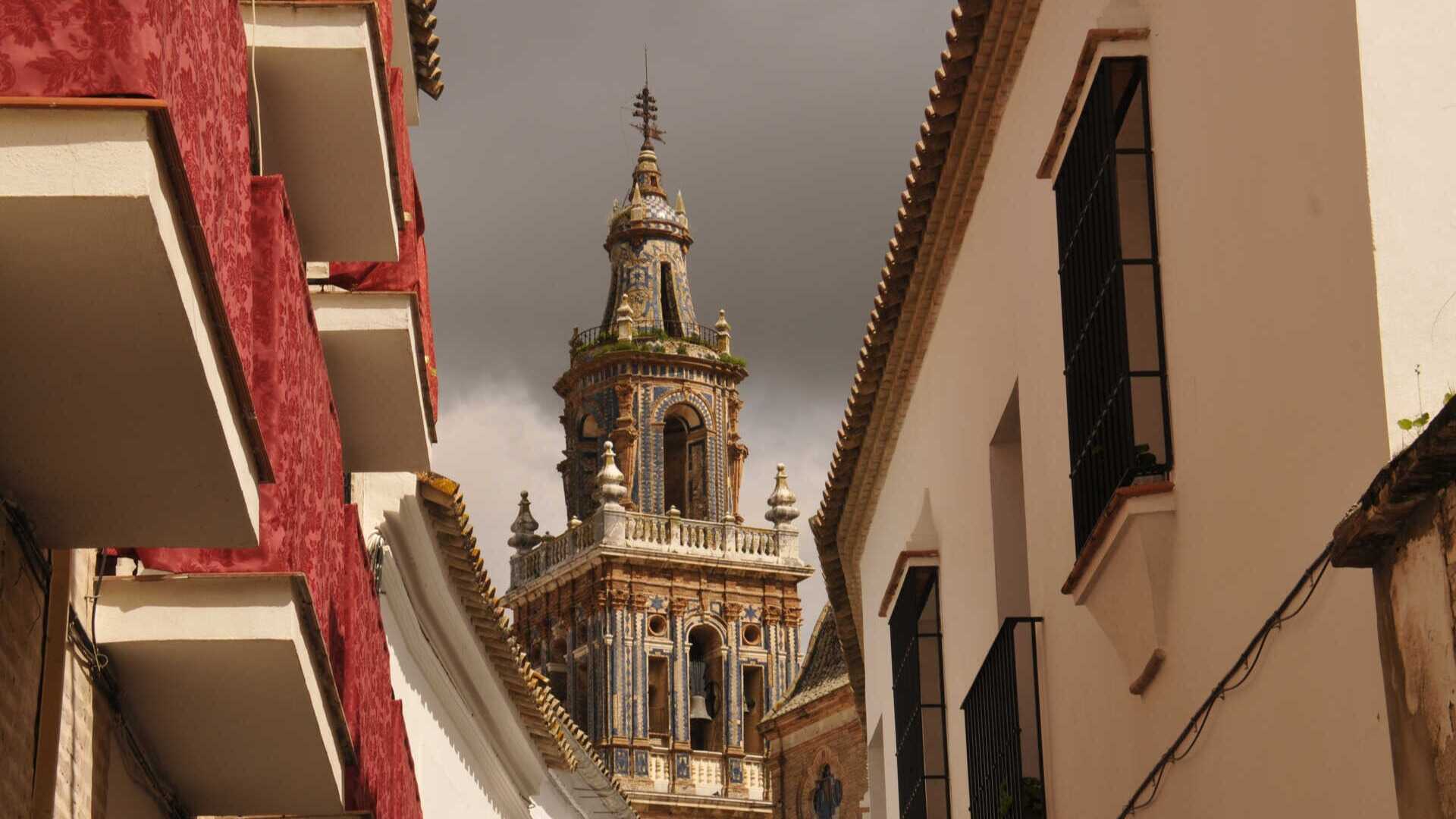
Écija is a mandatory stop on every journey through Seville due to its great Baroque heritage. You should wander around Plaza de España, also known as Plaza del Salón, and visit its many churches and palaces, such as Palacio de Peñaflor and Palacio de Santaella. But be warned: you should be prepared to endure hot temperatures if you visit Écija in the summer. After all, there is a reason why it's called 'Andalucía's pan'.
Osuna and its streets
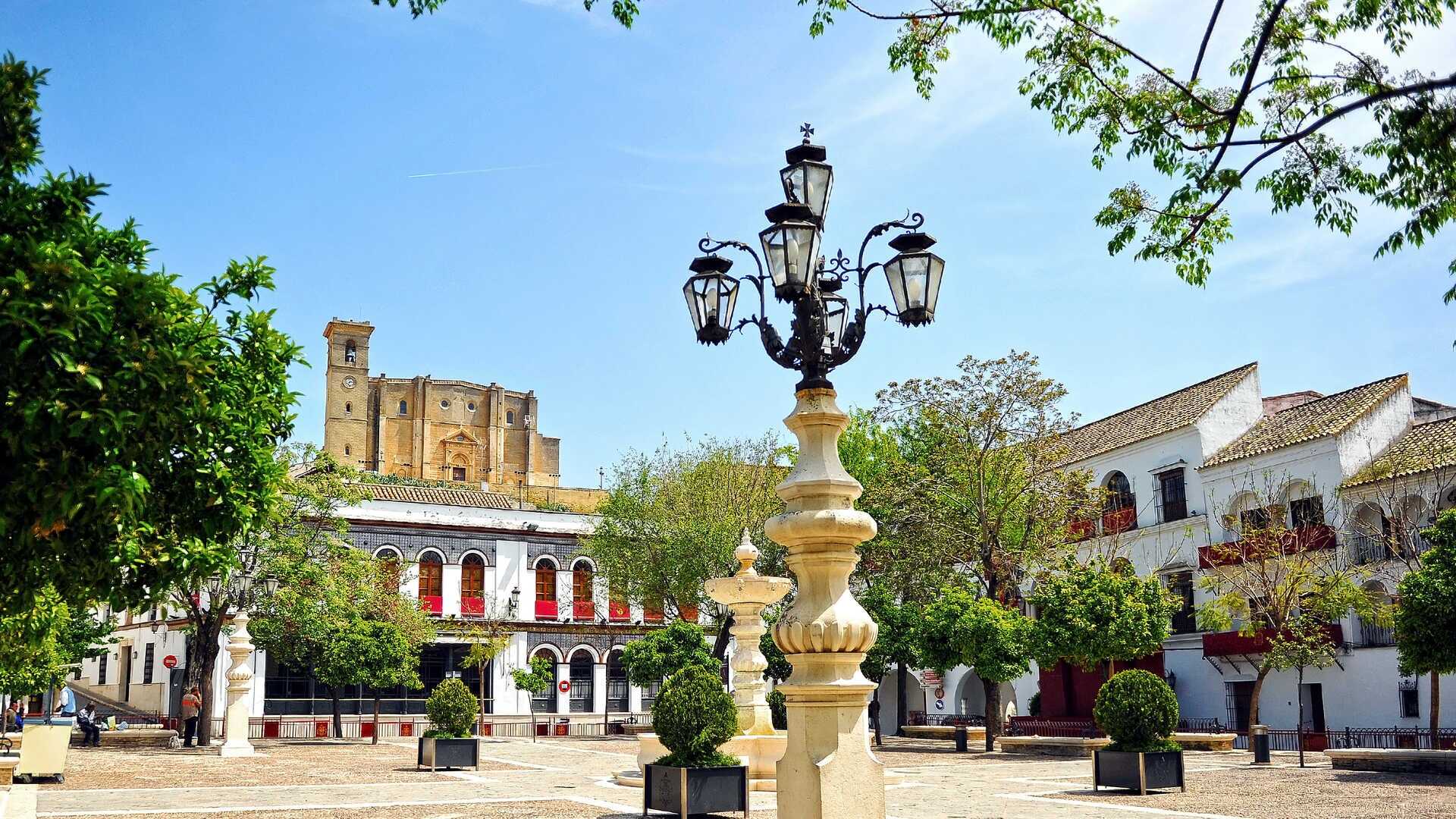
Osuna’s streets have always drawn people’s attention, in particular its San Pedro Street, considered one of the most beautiful streets in Europe for hosting the gorgeous façades of palace houses. However, Osuna has attracted tourists from all over the world in the last few years since Game of Thrones was shot at its bullfighting ring.
Utrera, cradle of flamenco

Utrera is known for being one of the places that saw the birth of flamenco and for having a few famous livestock farms. It used to be a Roman settlement, so it is one of the oldest cities in Seville.
However, its golden age took place during Philip II’s reign. A visit to Utrera should include three stops: Castillo de Utrera, Palacio del Conde de Vistahermosa, and Callejón del Niño Perdido, in the town centre.
Seville and its culture: monuments for travelling back in time
Cathedral of Seville and The Giralda
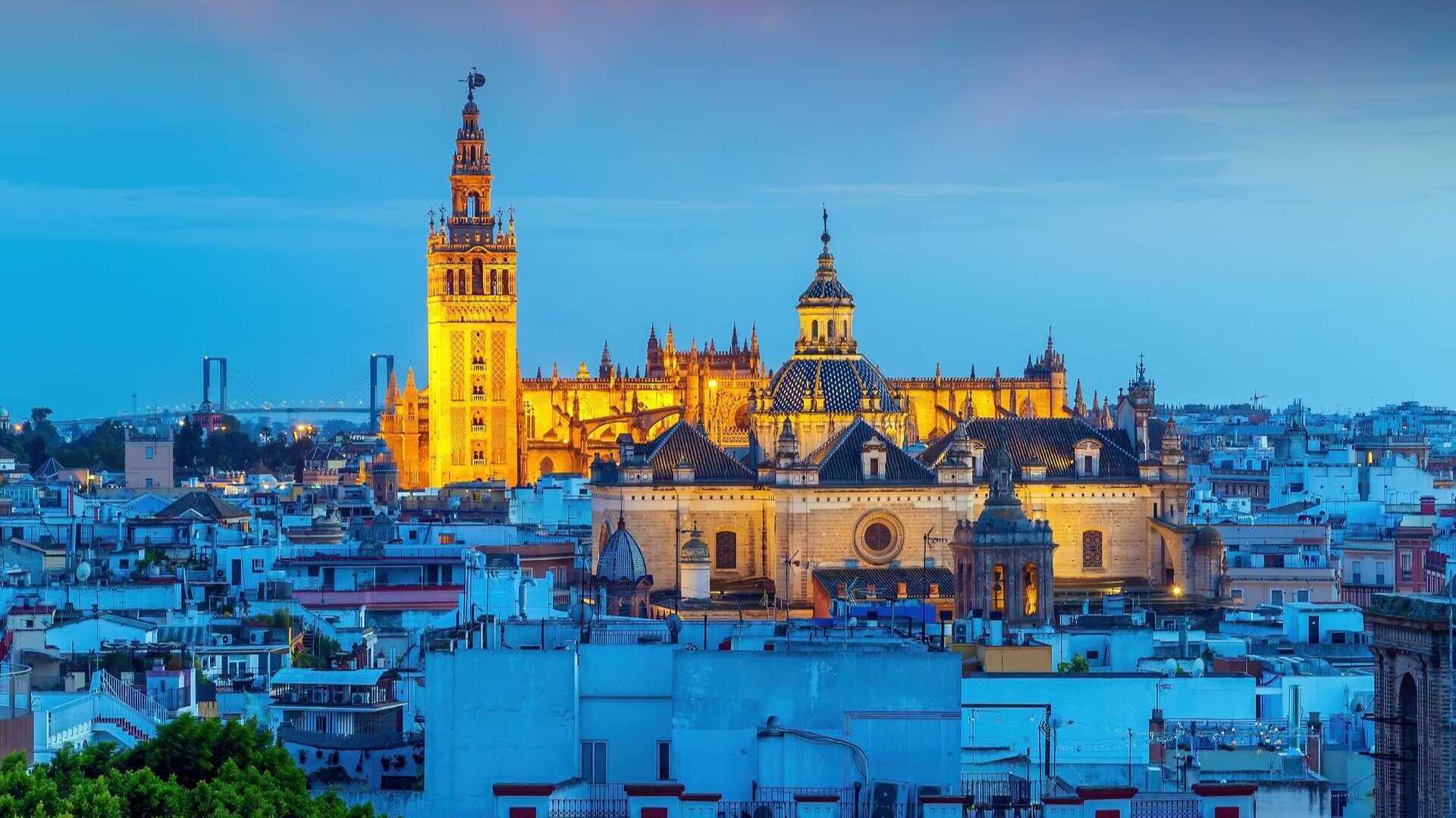
The Cathedral of Seville is the star of cultural tourism. A Catholic temple of Gothic style whose construction began in the early 15th century, and it was declared a World Heritage Site by UNESCO along with the Real Alcázar (or Royal Alcazar) and the Archivo de las Indias.
Actually, it is the largest Gothic cathedral in the world. The cathedral was built based on the minaret of Marrakech’s Koutoubia Mosque. It stands out for its Giralda, its tower, and its bell tower.
Plaza de España in Seville
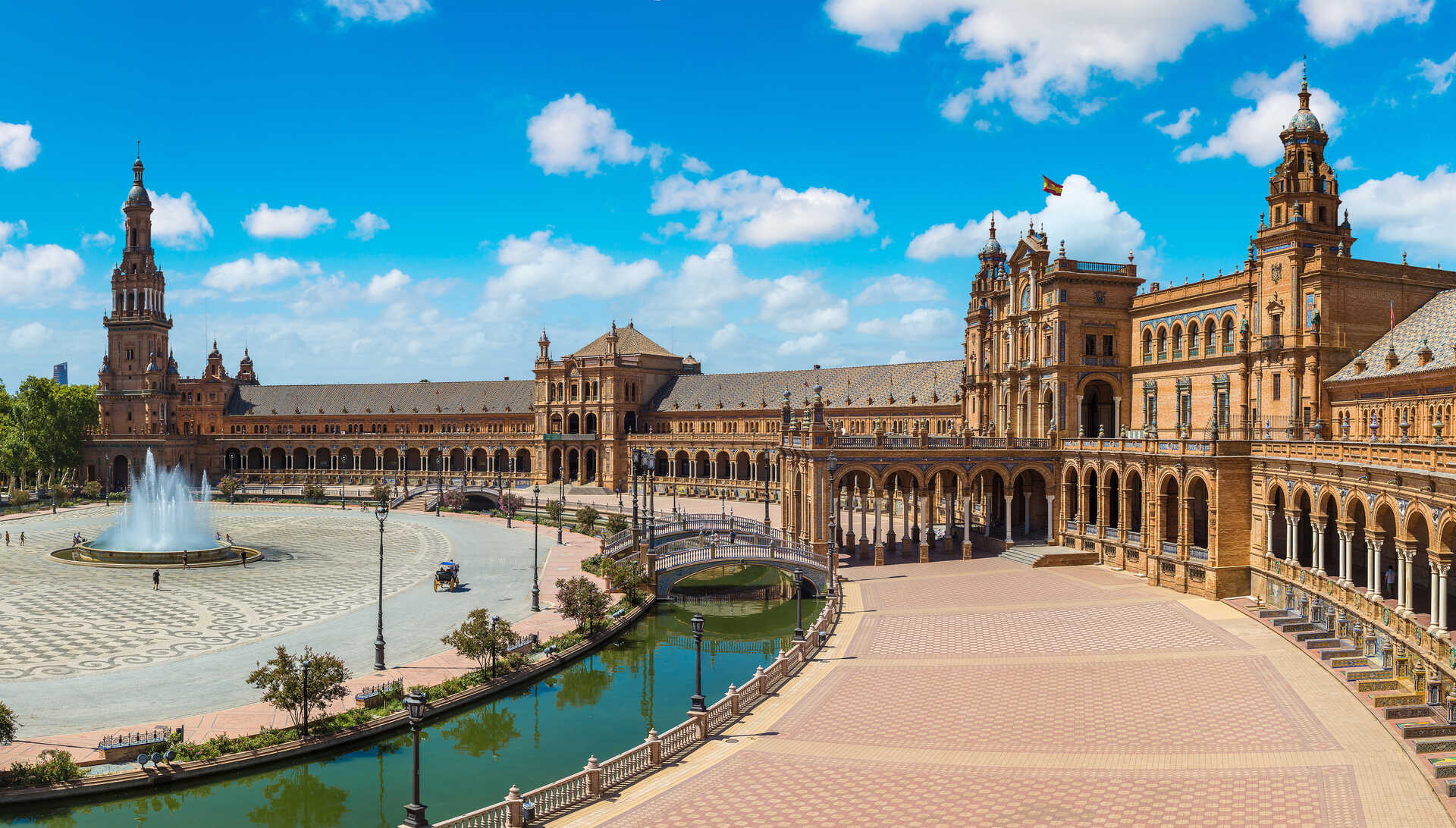
Not only is it one of the most famous squares in Seville, but in the country. Plaza de España lies in the heart of the city of Seville. This architectural complex was built between the years 1914 and 1929 for the Ibero-American Exposition of 1929. You can find it in María Luisa Park. Many movies and shows have been shot here. It is one of the gems you will find in Andalucía’s capital, a place that delights dozens of people every day.
Ruins of the Itálica Archaeological Complex
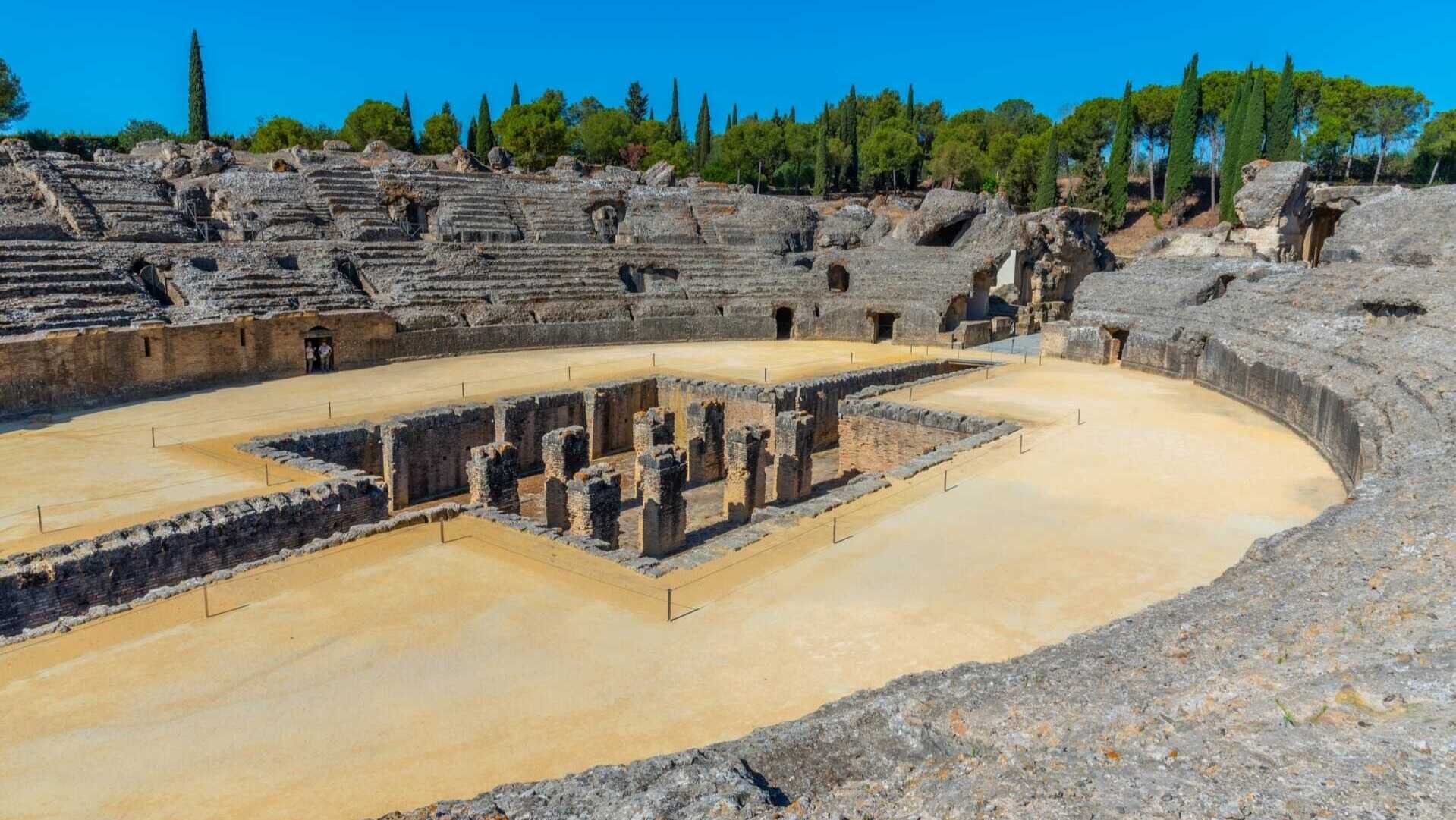
Near the Sevillian municipality of Santiponce, you will find an impressive archaeological site of the province. These are the ruins of what once was the Roman city of Itálica, a city whose history dates back to the era of the Second Punic War in the 3rd century BC.
The Roman amphitheatre is the most interesting element—it could fit more than 25,000 people and many scenes of the successful TV series Game of Thrones have been shot here.
Carmona Roman Necropolis
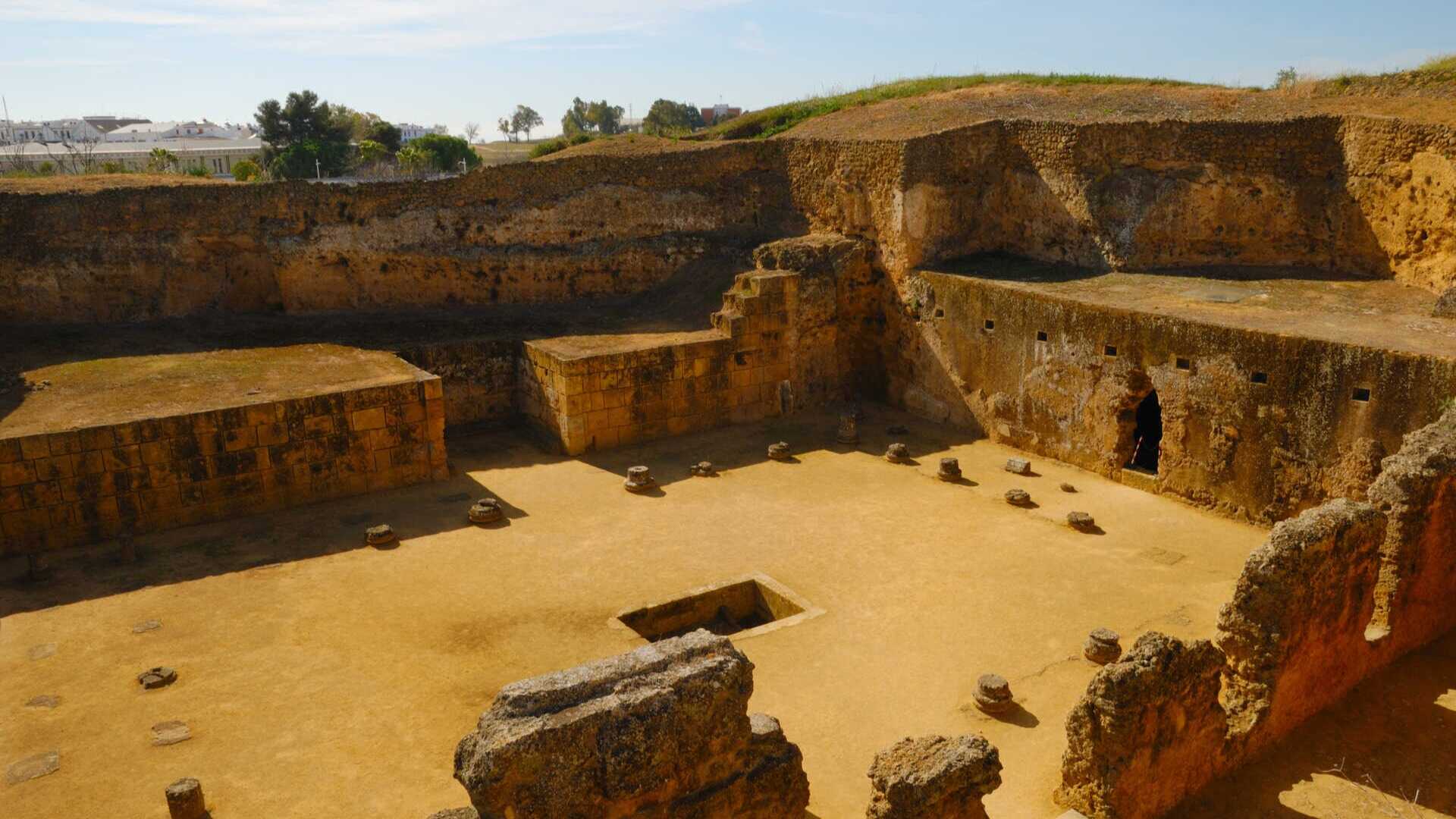
We have already mentioned Carmona, but it has to be brought back because it is home to Spain’s largest necropolis. Carmona Roman Necropolis is considered the largest and best preserved Roman funerary complex in the country, where more than 700 tombs that date back to the 1st and 2nd centuries AD have been discovered.
Seville's rich nature
Cerro del Hierro
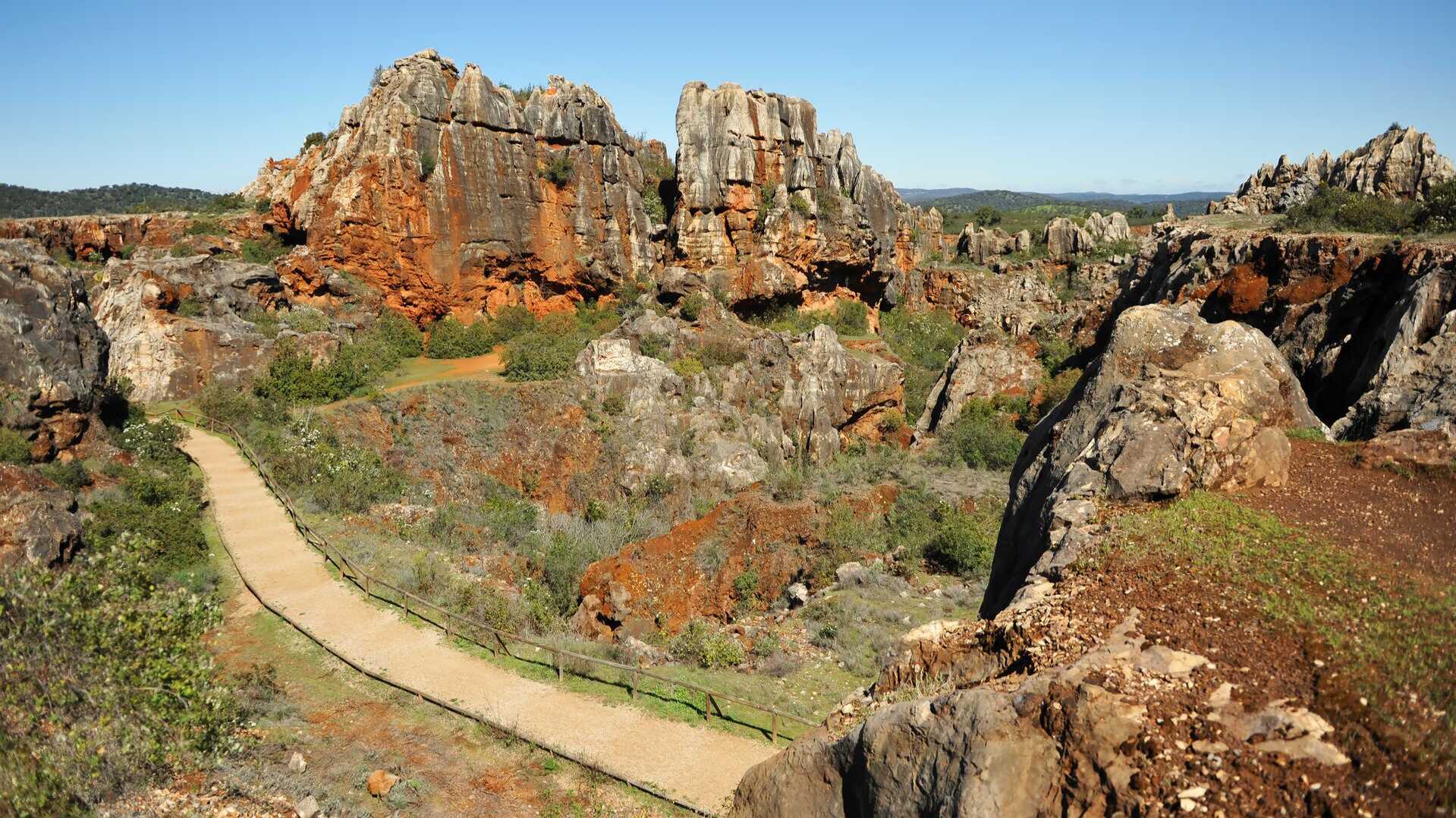
Seville’s Sierra Norte houses one of the most breathtaking natural spaces in the province. Cerro del Hierro, known for its characteristic karst landscape, together with iron mining works, have created a heart-stopping landscape of rock formations of multiple colours.
The fauna of Dehesa de Abajo
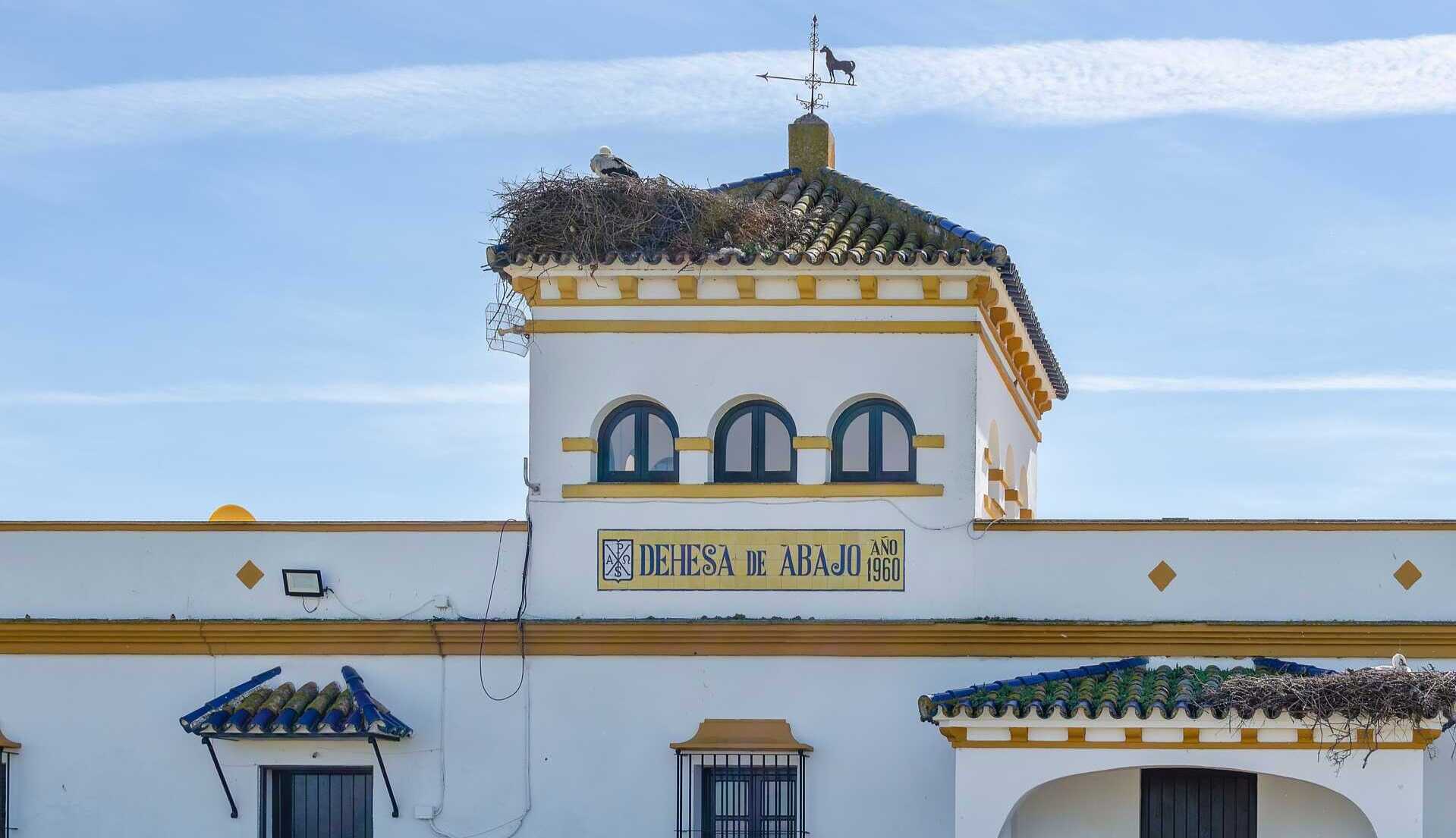
Puebla del Río has one of the most privileged corners in the province: the Reserva Natural Concertada Dehesa de Abajo. Here, you will find plenty of paths perfect for walking, riding horses, or cycling.
Two viewpoints await near its large lagoon, where you can watch plenty of bird species, such as flamingoes, red-crested pochards, wild ducks, terns, and spoonbills, among many others. Traces of animals that are harder to spot, like badgers and foxes, can be found on the routes.
Huéznar Cascades and the San Nicolás del Puerto Beach
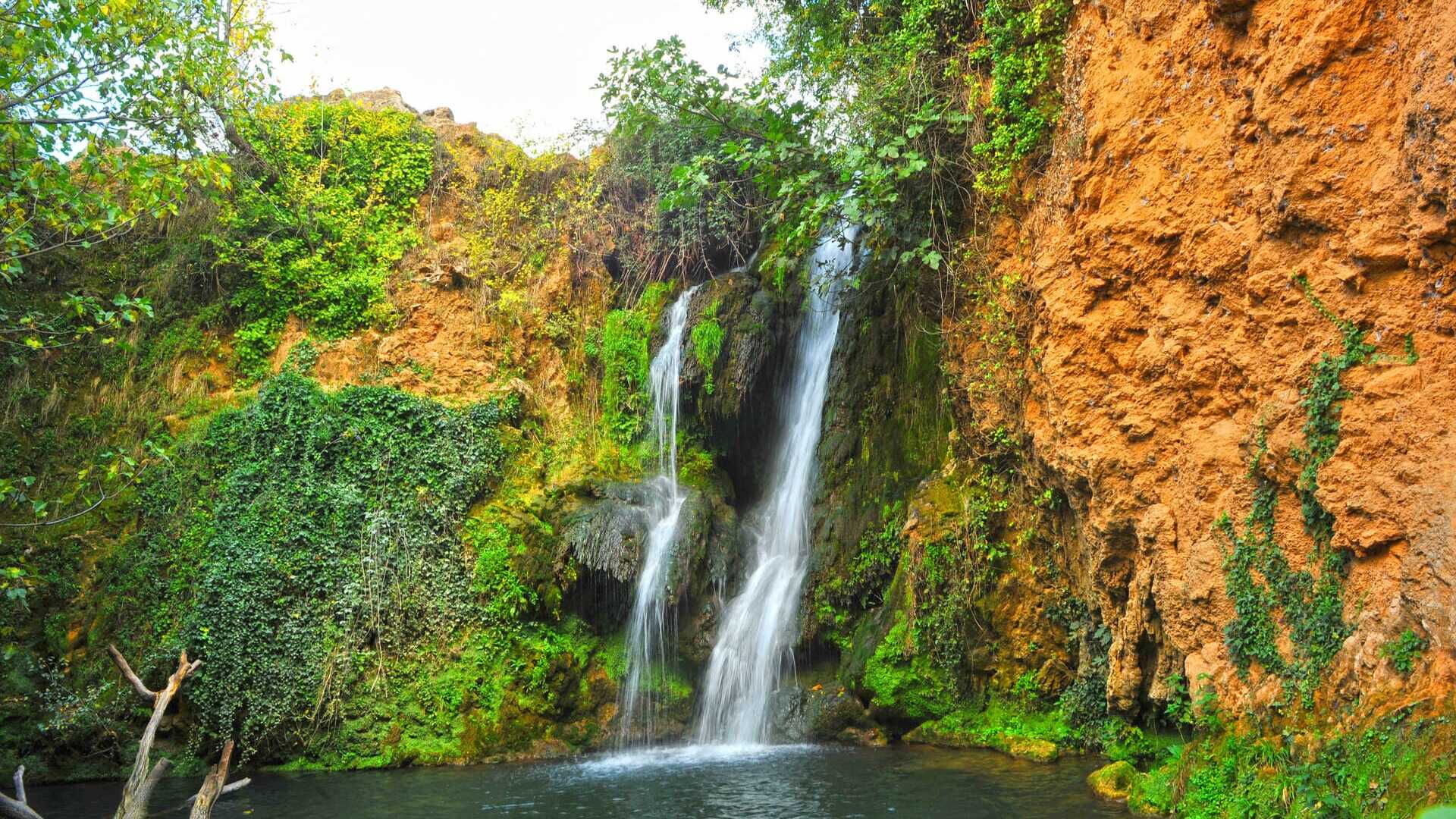
Seville isn’t by the sea, we know. But that doesn’t mean that it can’t have a beach. This fluvial beach allows visitors to escape from the popular Sevillian heat of the summer. It lies in San Nicolás del Puerto, where you will also find the Huéznar Cascades of crystalline waters. You can't have a bath here, but just admiring this waterfall is a true delight.
Seville's gastronomy, a must to enjoy the province
The province of Seville has a diverse gastronomy, deeply linked to the territory, which has a distinctive Andalusian character. Its cuisine combines its Arabic heritage with rural tradition, resulting in emblematic dishes such as gazpacho, Sevillian salmorejo, pescaíto frito, or pringá, used in many stews and tapas. Vegetables cultivated in the bank of the Guadalquivir river and olive oil are the foundation of a simple but delicious gastronomy. Regarding olive oil, the Denomination of Origin Estepa stands out.
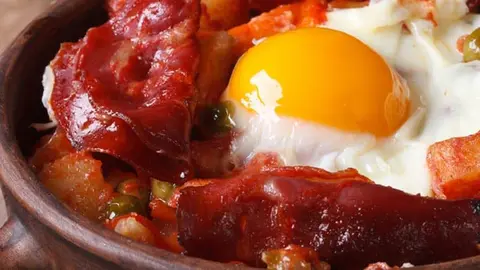
Iberian cured meats and game meats stand out in the Sierra Norte; in the countryside, substantial stews such as Andalusian cocido are preferred, and coastal villages are popular for traditional recipes such as albur en adobo. Conventual sweets, such as yemas, cortadillos, and tortas de aceite, complete a gastronomical offer that mixes tradition and modernity, with bars and restaurants that reinterpret Sevillian flavours while preserving their essence. On the other hand, wine connoisseurs should taste the Denomination of Origin Lebrija.
More recommendations to enjoy the province of Seville
Where to sleep in the province of Seville
- Where to sleep in Macarena and Seville centre
- Where to sleep in Santa Cruz and El Arenal of Seville
- Where to sleep in Morón de la Frontera
- Where to sleep in Osuna
- Where to sleep in Arahal
- Where to sleep in Écija
You can also read this article in Spanish and French.
Follow us on Facebook to discover more fascinating places in Spain!