What to see in Seville, Spain: its seven wonders
The city of Seville dazzles in many ways upon first sight. Its warm airs and friendly people are fruit of the Andalusian sun, and the ever-evocative play between old and new of Seville’s traditional character is an invitation to wander and discover. The following must-sees of the city of Seville will guarantee a visit full of emotions.

The seven wonders of the city of Seville, ‘The Pearl of the Guadalquivir River’
Seville Cathedral, majestic elegance
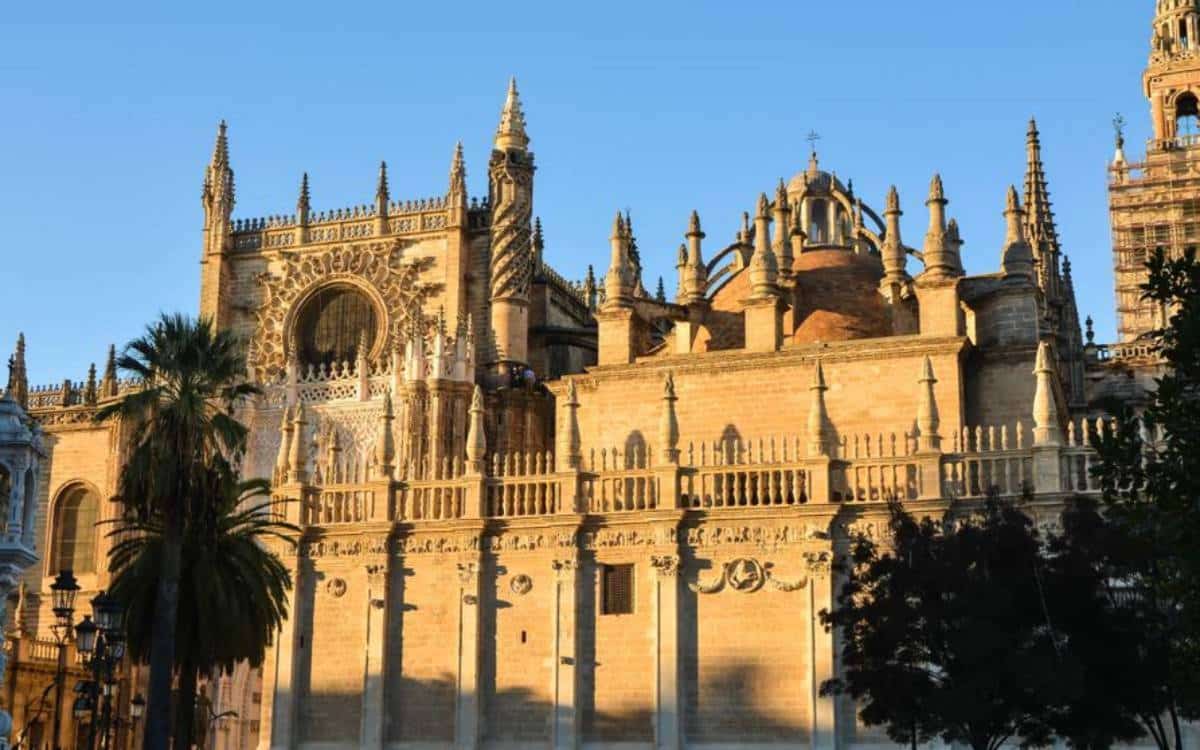
Standing out above the city like a lighthouse, the Giralda bell tower symbolises the city of Seville better than any other monument. More than a mere bell tower, the Giralda encapsulates the city’s essence and entire history whilst forming part of the world’s largest Gothic cathedral.
Entering the Seville Cathedral is to journey through more than seven centuries of history infused with the aromas of venerated stone and incense from the daily liturgy. The cathedral and the Giralda, what was formerly the old mosque and the minaret respectively, bear witness to Seville’s vibrant past while simultaneously pointing toward the city’s future. From the bell tower’s heights, the city seems to be a living mosaic of terracotta rooftops and gently swaying palm trees.
The Royal Alcázar of Seville, a garden for the senses
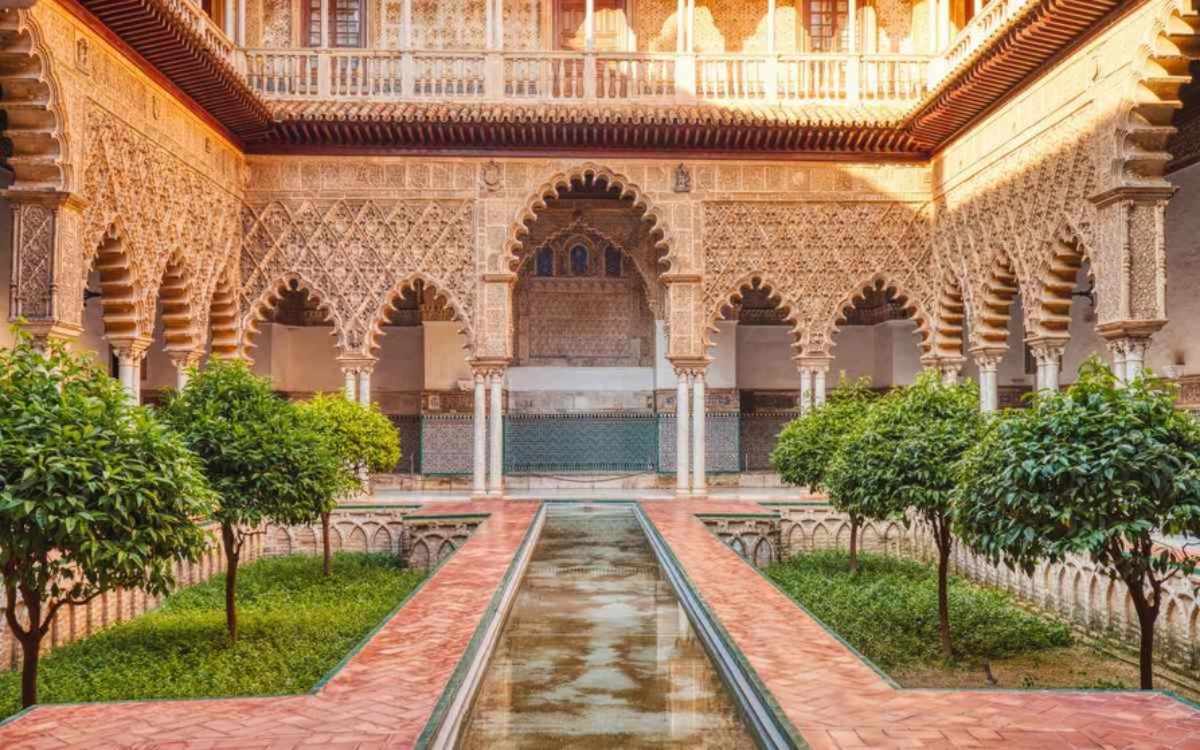
Entering the Royal Alcázar of Seville is like stepping into a tale from A Thousand and One Nights. Aromas of sweet jasmine and orange blossom accompany the walk through these geometrically perfect gardens. The sound of spouting water from the fountains is the idyllic companion throughout this tour of Europe’s oldest royal palace still in use.
The colourful ceramic tiled walls and the Muqarnas and Arabesque-styled ceilings relate the succession of styles and periods, from the Islamic ruins of the citadel when it was a seat of power for the Umayyad Caliphate to the successive Mudéjar, Gothic and Renaissance styles. Despite the palace’s historically uninterrupted use by the Spanish Crown, the site can still be seen and appreciated firsthand. In fact, one can soak up the royal pomp by spending the night at the adjacent Hotel Alfonso XIII.
Pilate’s House, a civic architectural jewel
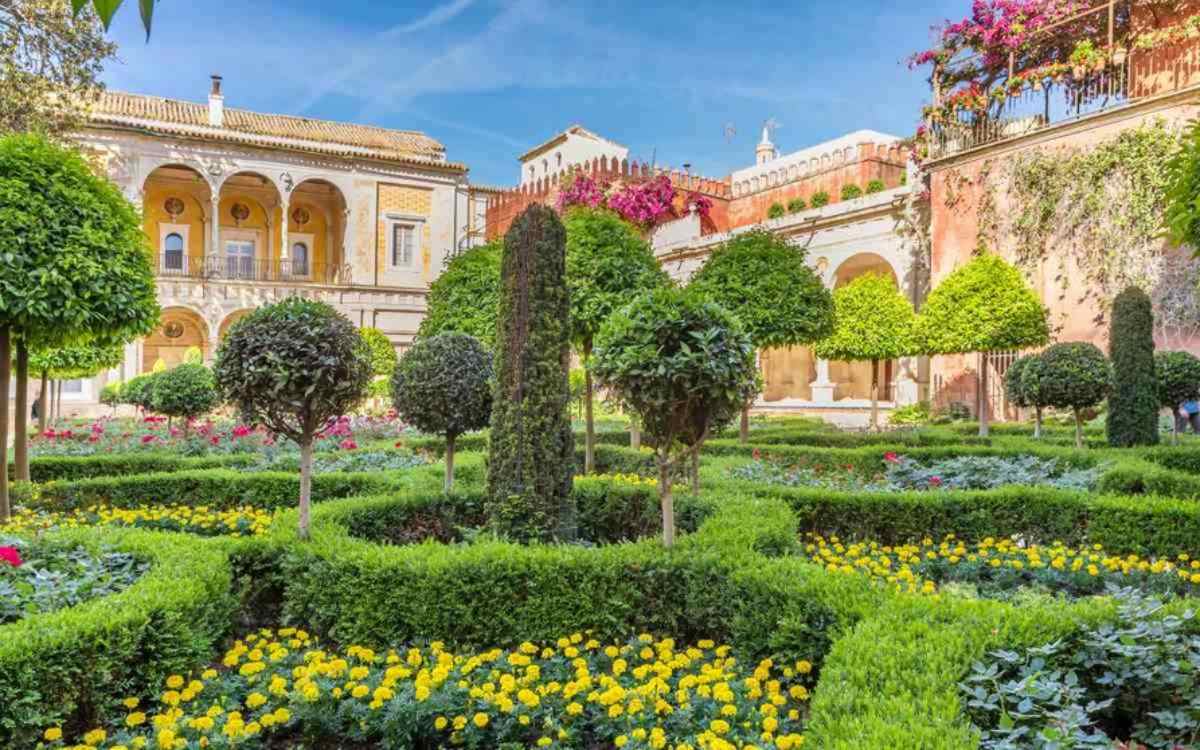
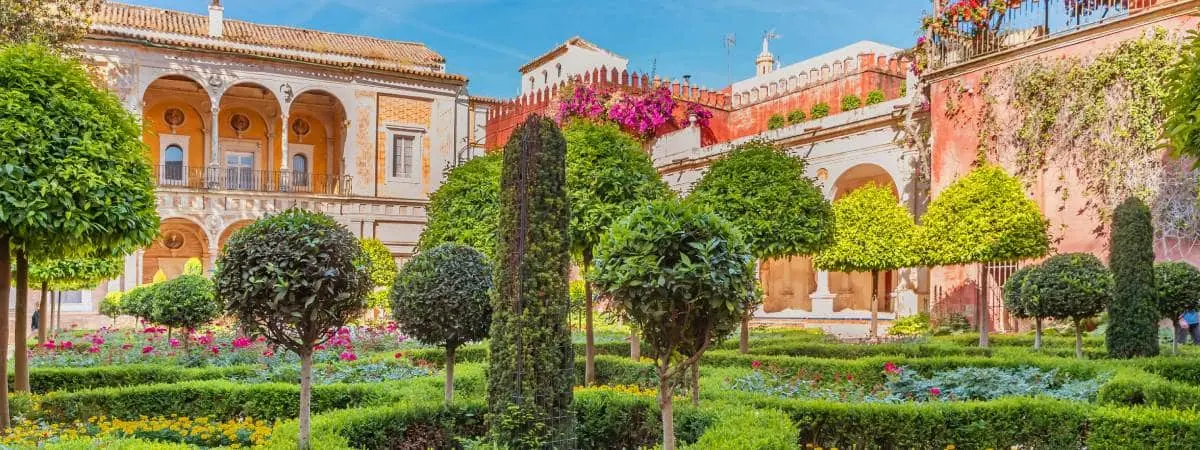
From the impressive gate of carved stone, everything about this palace speaks to the splendour of Seville’s past. Adelantados Mayores of Andalusia Palace (Palacio de los Adelantados Mayores de Andalucía), as it is otherwise known, took shape mostly in the 15th and 16th centuries, admirably fusing the Mudéjar-Gothic tradition with the new styles of the Italian Renaissance.
Pilate’s House is Seville’s most sumptuous residence by far, having once belonged to illustrious lineages and today, property of the Ducal House of Medinaceli. Beyond the spectacular mix of styles, the palace’s courtyard deserves special mention owing to the thinly carved marble columns surrounding it and the rousing elegance of its central fountain. Unsurprisingly, this palace has appeared in a good number of films.
María Luisa Park, an idyllic sanctuary
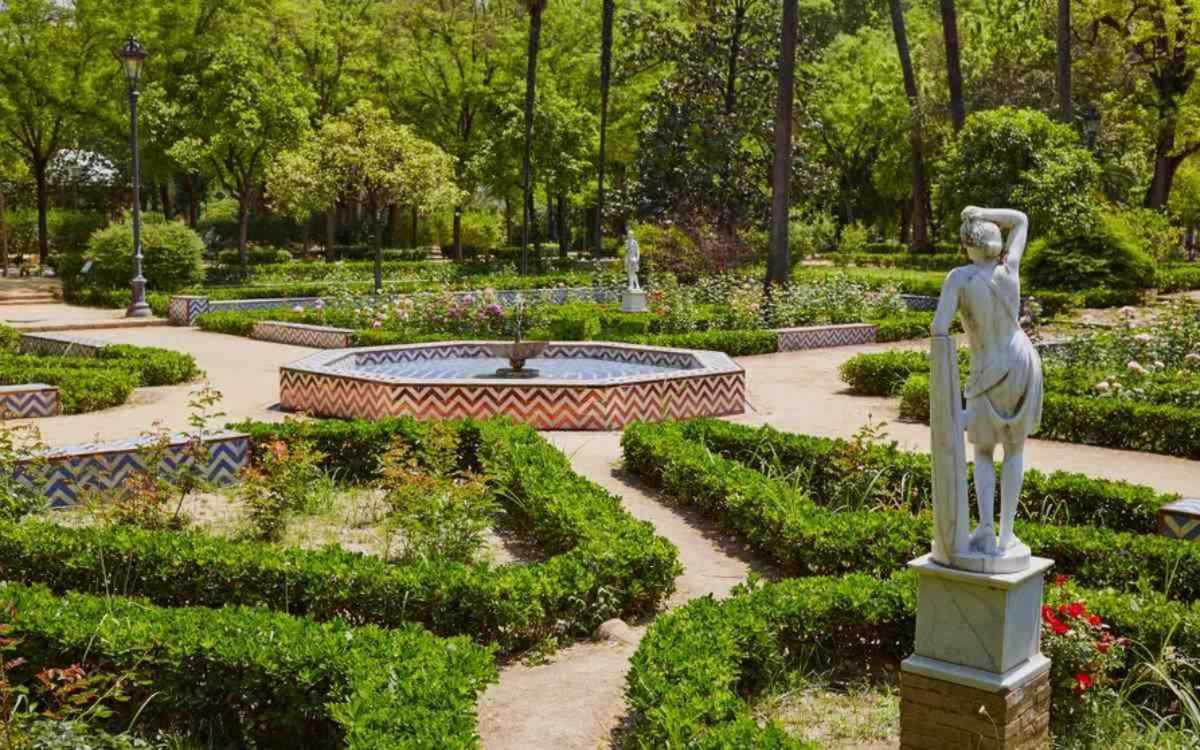
One of Seville’s most recognizable and beloved spots is María Luisa Park, the city’s true green space and haven from the hustle and bustle of the city. In addition to the greenery, history as well as art and culture are present throughout its nearly 100 acres. The park owes its existence to a generous act of devotion to Seville by Princess María Luisa of Bourbon who donated lands that had once been the private gardens of Saint Telmo Palace.
The park is full of winding paths, shady avenues and little tucked away gazebos that beckon a relaxing stroll of discovery. The continual sounds of fountains, streams, pools and the singsong of the birds make for a captivating symphony.
The monumental spirit of Plaza de España
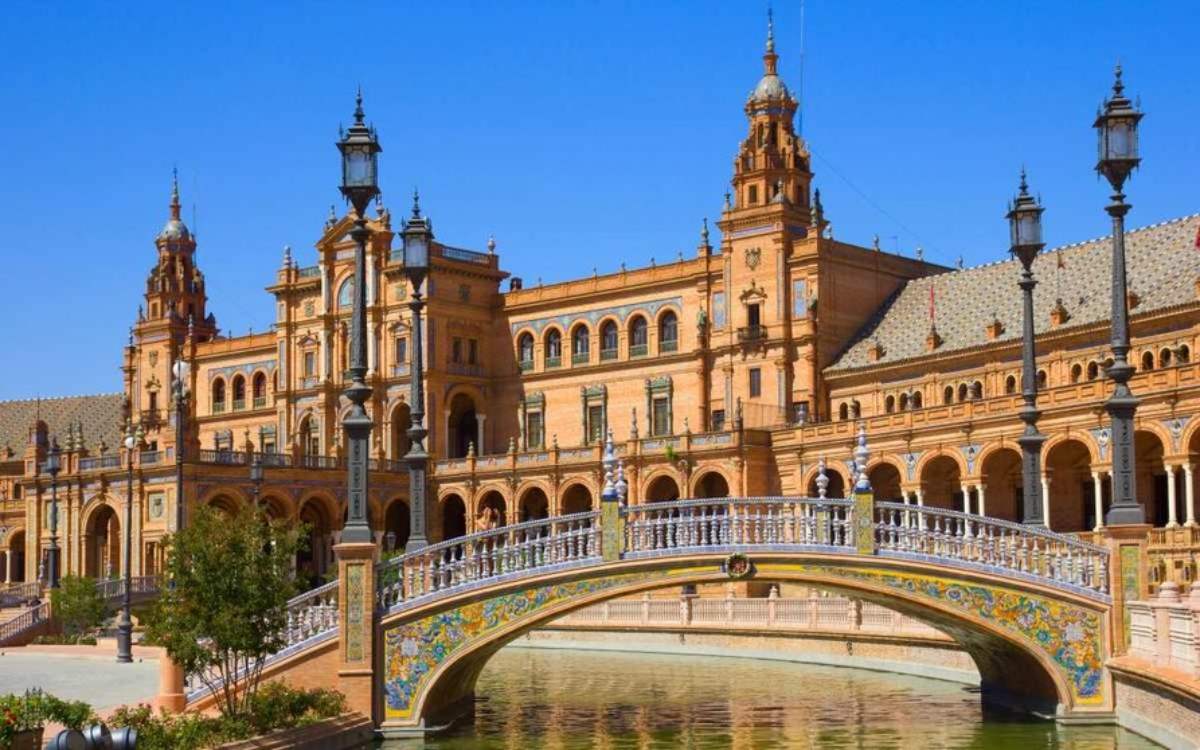
The other side to the monumental and magnificent María Luisa Park is Plaza de España (Spain Square), designed by Aníbal González for the 1929 Ibero-American Exposition. The square is an imposing semicircular work that represents the union of Spain with its former colonies, and is adorned with colourful ceramic tiles representing all the Spanish provinces. The canal crossing the square reflects the majestic architecture while the bridges evoke a romantic and nostalgic aura.
From the square, one may enjoy views of both the Renaissance and Mudéjar-styled buildings standing out against the lush nature of the park. A leisurely stroll along the park’s avenues provides a quintessentially Sevillian scene of boats along the canal and horse-drawn carriages.
The Torre del Oro, between the sky and the Guadalquivir
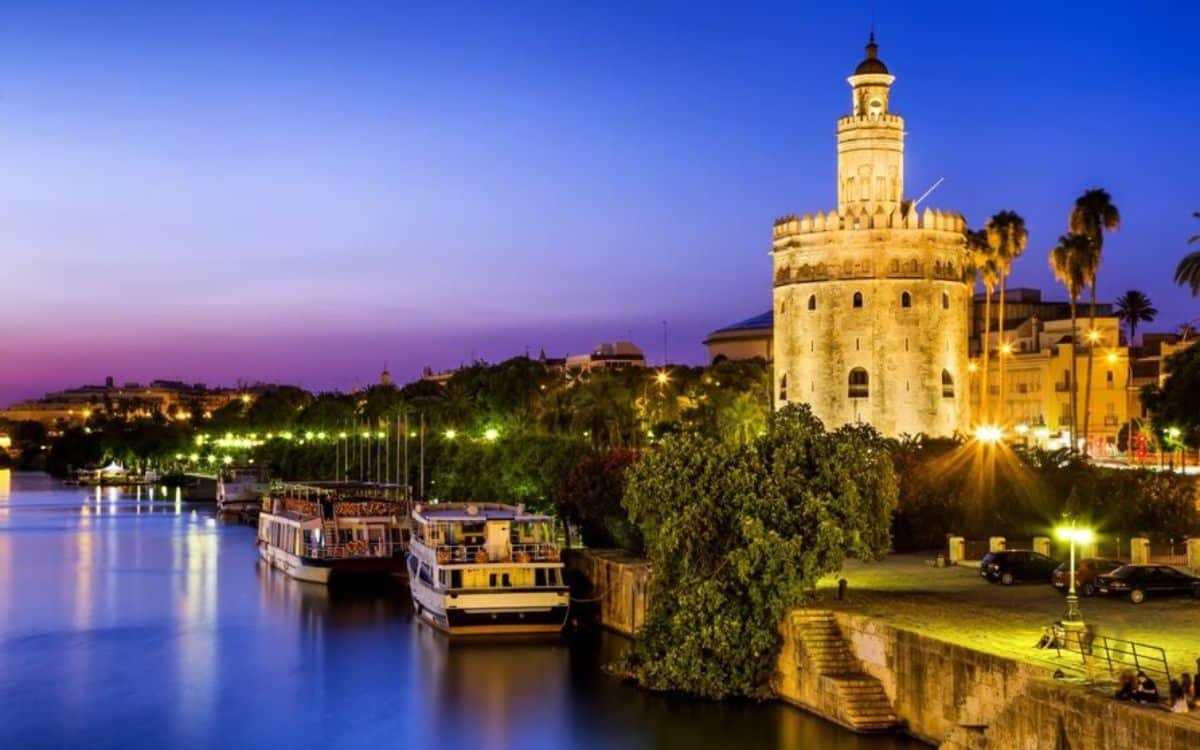
The Muslim chronicles wrote of this tower proudly erected during the Almohad Caliphate and called the Bury-al-Dahab or the Tower of Gold. With the passing centuries, the Torre del Oro has transformed itself from a primitive defensive fortification into one of Seville’s indisputable wonders and an icon due to its graceful and appealing contours, a golden shimmery silhouette set against the sky.
The Guadalquivir River reflects the tower’s splendid image while boats continue to pass by as in times past. This peaceful, picturesque scene can easily obscure the original strategic purpose of the tower, which was to protect the city’s river entry. The Torre del Oro actually had a twin tower at one time, which was used to close the river passage in the event of an attack. Today, serenity reigns and the tower is now an inescapable visit while in Seville.
Church of Saint Louis of France, Baroque charm
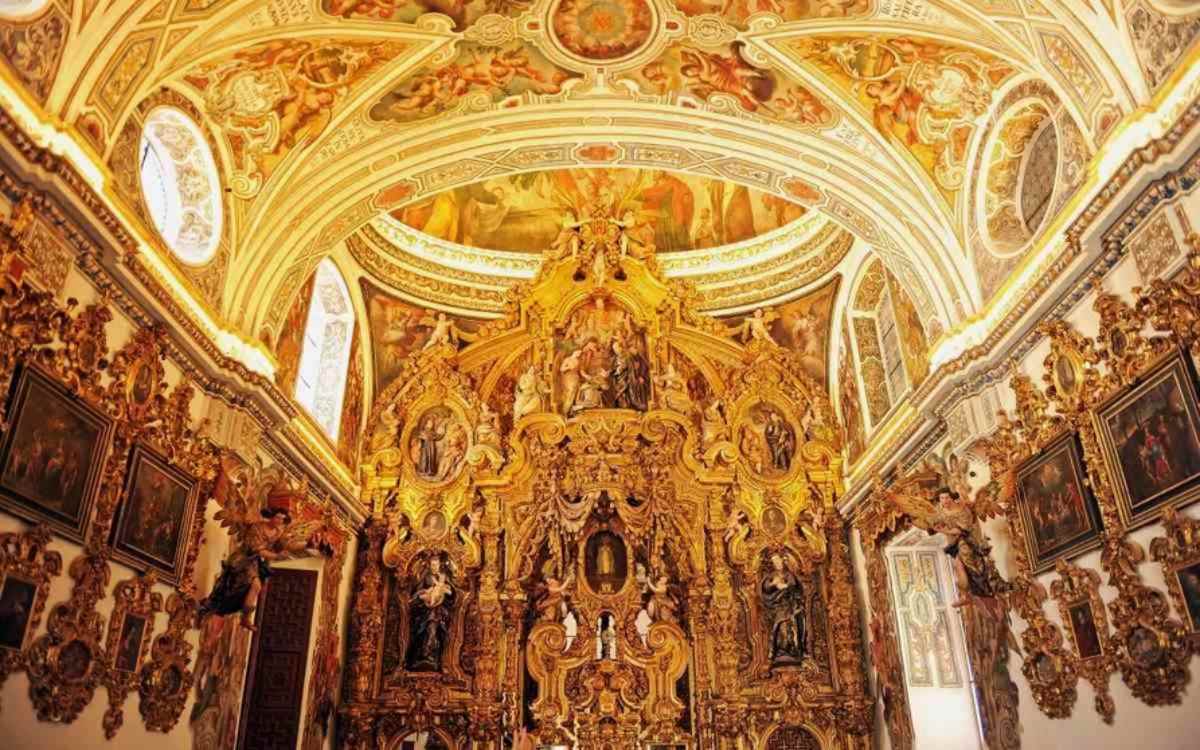
Seville is a place to contemplate the best of Spanish Baroque and there are few better places than the Church of Saint Louis of France, undoubtedly one of Spain’s most beautiful churches. Completed in 1731, this building astounds for its magnificent altarpieces as well as its sublime twisting columns.
Founded by the Jesuit Order as a church and novitiate, the order aimed to display its power to pupils and visitors alike. Despite the Jesuits having been expelled some time ago, this church still manages to impress. It has since played many roles in Seville’s history, including the stage setting of theatrical performances such as Don Juan Tenorio.
You can also read this article in Spanish here.
Follow us on Facebook!