Literary places in Andalusia
Andalusia is one of the lands that has given the most prestige to Spanish writers. The community is full of places with a taste of poetry and literature. Birth homes, plaques, busts, works and many other literary works will fill the mind of anyone who is a lover of reading. Join us on a very special trip to the best literary places in Andalusia.

The Granada of García Lorca
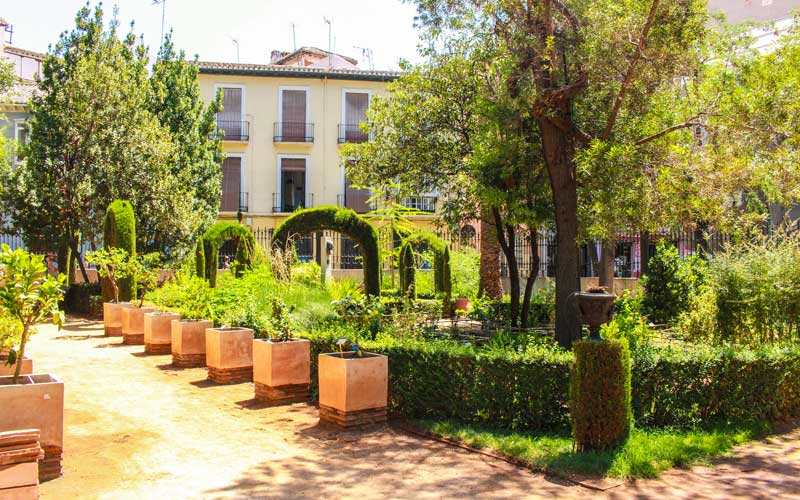
This town offers the opportunity for visitors to get close to the places where the unforgettable poet lived during his stay in the city. One of the family residences, in which Federico enjoyed the quiet atmosphere and the striking views of Sierra Nevada, is located in the park that bears his name. This place, open to the public, is maintained in the same conditions that the writer lived in. The second residence, now known as the House Museum of Manuel de Falla, is located near the Alhambra, at the top of the district of Realejo.
Other memories of Lorca that still remain alive are the Literary and Scientific Artistic Center, where he went at the age of 15; The Chikito Restaurant, which was the meeting place of the artists of the time; The Botanical Garden of the University of Granada, where the poet liked to walk; and the Federico García Lorca Center, located in the Romanilla Square, which is now open to the public and offers a great deal of culture within the city.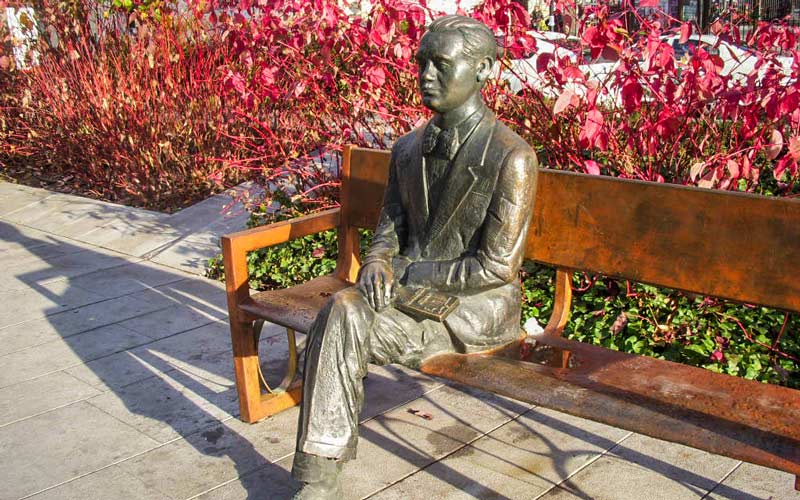
The Córdoba de Góngora, Antonio Gala and Ricardo Molina
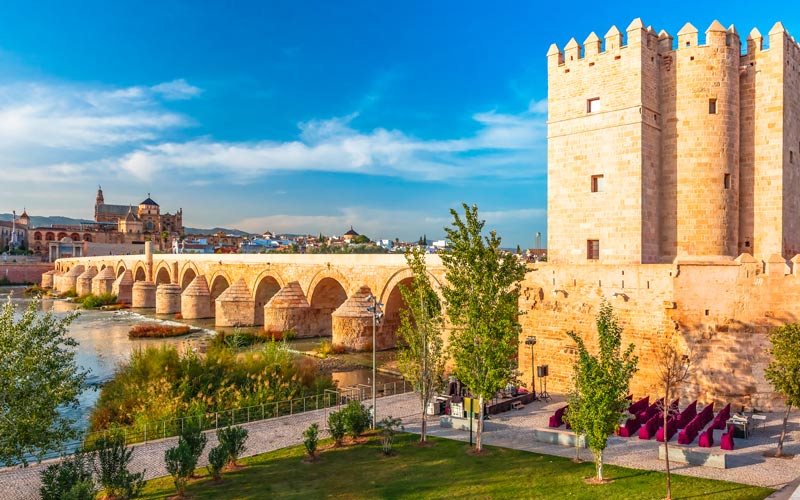
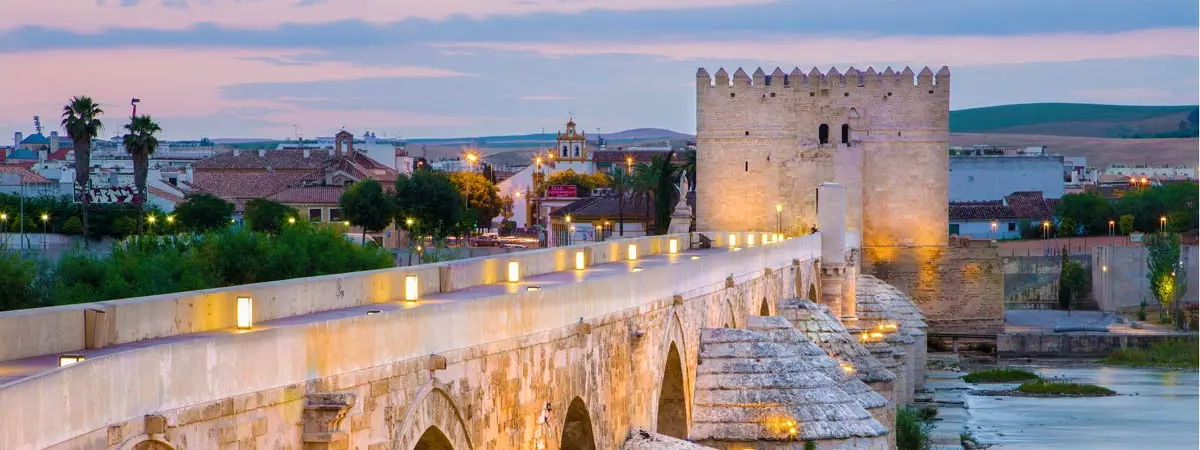
The Calahorra Tower, with the Roman Bridge at its feet, represents the old Cordoba. Góngora, in his verses, referred to this enclave as "The Noble Sands" of Guadalquivir. Upon reaching the Paseo de Ribera, past the Roman bridge and the Paseo de Isasa, you will encounter a small monument in honor of the poet.
Another obligatory stop is the mosque, which, as Antonio Gala said, "was the heart of Cordoba when Cordoba was the heart of the world." The literary route continues to the plaza del Potro, where one of the poems of the book Elegies de Sandua by Ricardo Molina is located. We finish our walk to the Jewish quarter, where we find Tomás Conde street, the birthplace of Luis de Góngora.
The Moguer of Juan Ramón Jiménez
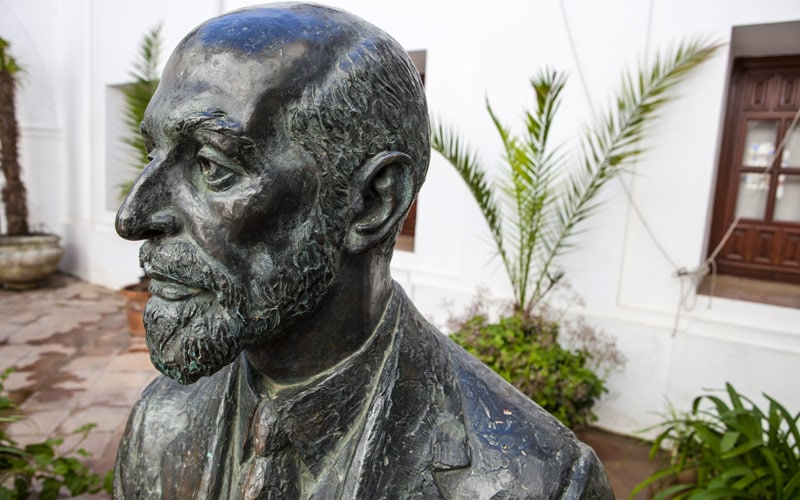
To understand the Moguer of the illustrious writer, it is best to visit his birthplace on Ribera Street Nº 2, where he lived until he was four years old. Juan Ramón referred to his home in the chapter, "The house of the Ribera" in Platero y yo. It is currently declared a place of cultural interest and there is a museum inside dedicated to the history of the municipality and the poet.
The next obligatory stop is the Museum-house of Zenobia, the second home of the poet, located at Nº 10 of the street that today bears his name. On one of its patios, there is a bronze statue of Platero, the protagonist of his most famous work. Today it is the headquarters of the Juan Ramón Jiménez Foundation. Thanks to its charm, Moguer has become another of the literary places of Andalusia worth recommending.
The Baeza of Antonio Machado
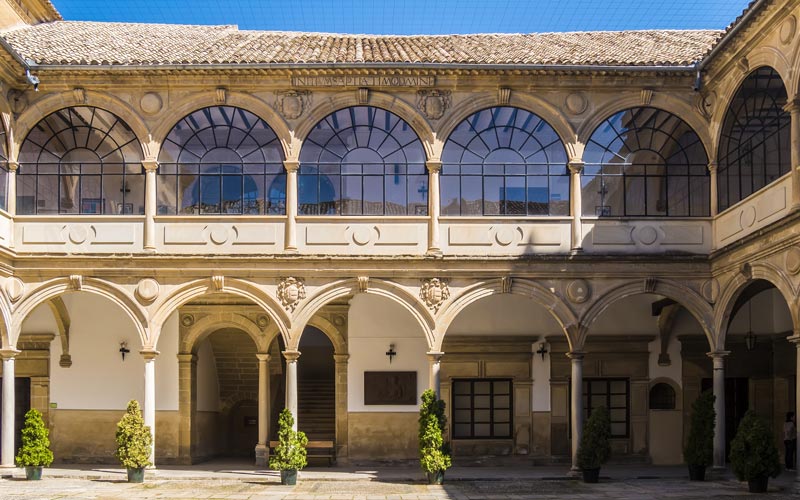
Baeza can be proud of having Antonio Machado as a resident for seven years. The influence of this locality on the Sevillian poet is evident, as the years he spent here coincided with his highest quality work. The route passes through some of the key points of the city such as the street of Antonio Machado, where you can see some of the monoliths that refer to the poems related to the municipality; or the old University of Baeza, that houses a recreated classroom where the poet used to teach.
The Seville of the Renaissance Poets
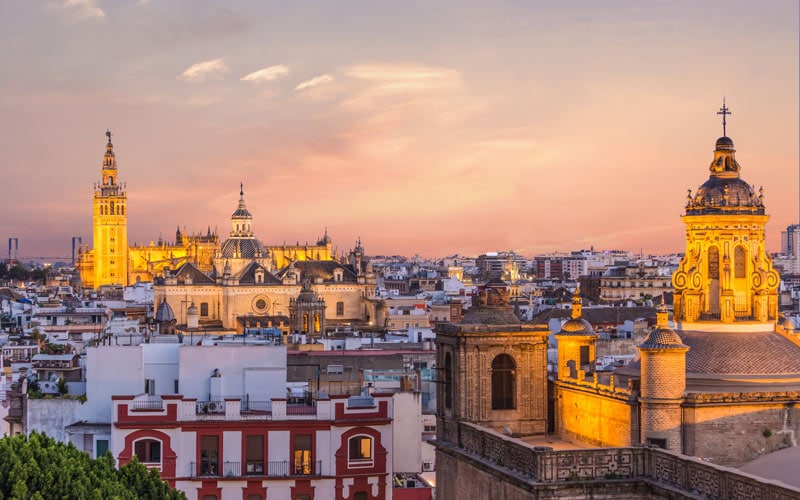
If you like poetry and decide to visit Seville, we recommend walking through the streets of poets such as Garcilaso de la Vega, Fernando de Herrera and Jorge Montemayor.
It is advisable to start the route from the street Ingeniero la Cierva, near the street Fray Luis de León. Next, you will encounter the streets dedicated to Fernando de Rojas and Luis Vives. Arriving at the crossroads between the streets Federico Mayo Garraye and Ronda del Tamarguillo, we encourage you to take the avenue San Juan de la Cruz and reminisce about its "Spiritual Canticle."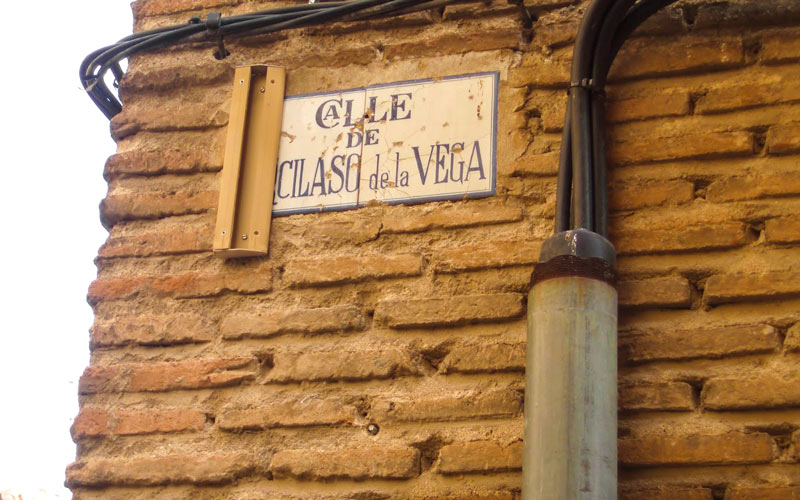
These are some of the best literary places in Andalusia. Have we left one out? Tell us below in the comments!