
Granada’s once-in-a-lifetime marvels
The province of Granada is one of the most visited in Spain and this comes as no surprise. From its magnificent heritage of Andalusian culture to its charming beaches and majestic mountain peaks, Granada is an integral part of Spain’s landscape. Selecting its greatest wonders is no easy task, but here is a look at Granada’s true essence.

Granada, the capital of an old realm
The Alhambra and the Generalife, the heart of the emirate
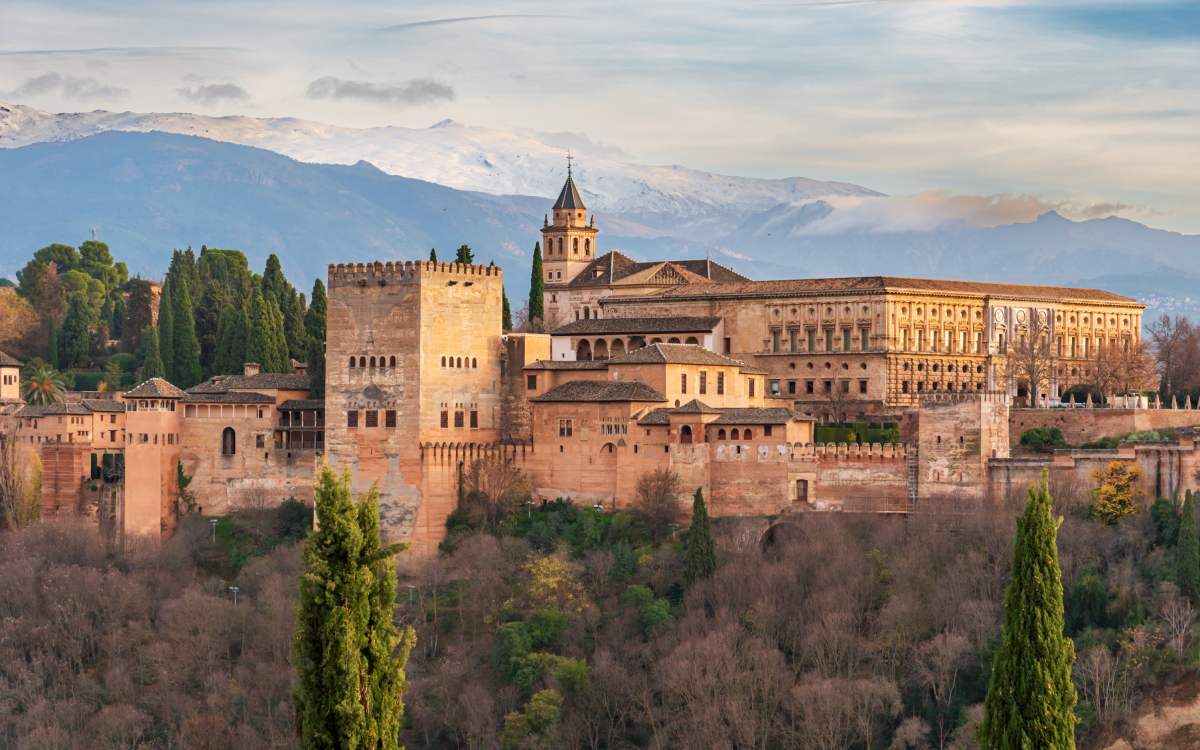
The Nasrid dynasty’s reign in Granada, the last Moorish kingdom on the Iberian Peninsula, bestowed an artistic legacy that continues to fascinate centuries later. The elegance of the Alhambra’s palace complex is the greatest example of refinement of Moorish culture in Spain. Both the Alhambra and the Generalife served as royal residences: the former joins palaces, fortresses and splendid gardens, admired for their elaborate decoration, while the latter was the royal retreat, an architectural treasure complete with ornate gardens and orchards. Both complexes are located nearby each other and represent the pinnacle of this Iberian culture. Indeed, both are essential must-sees.
The Albaicín, a journey to al-Andalus
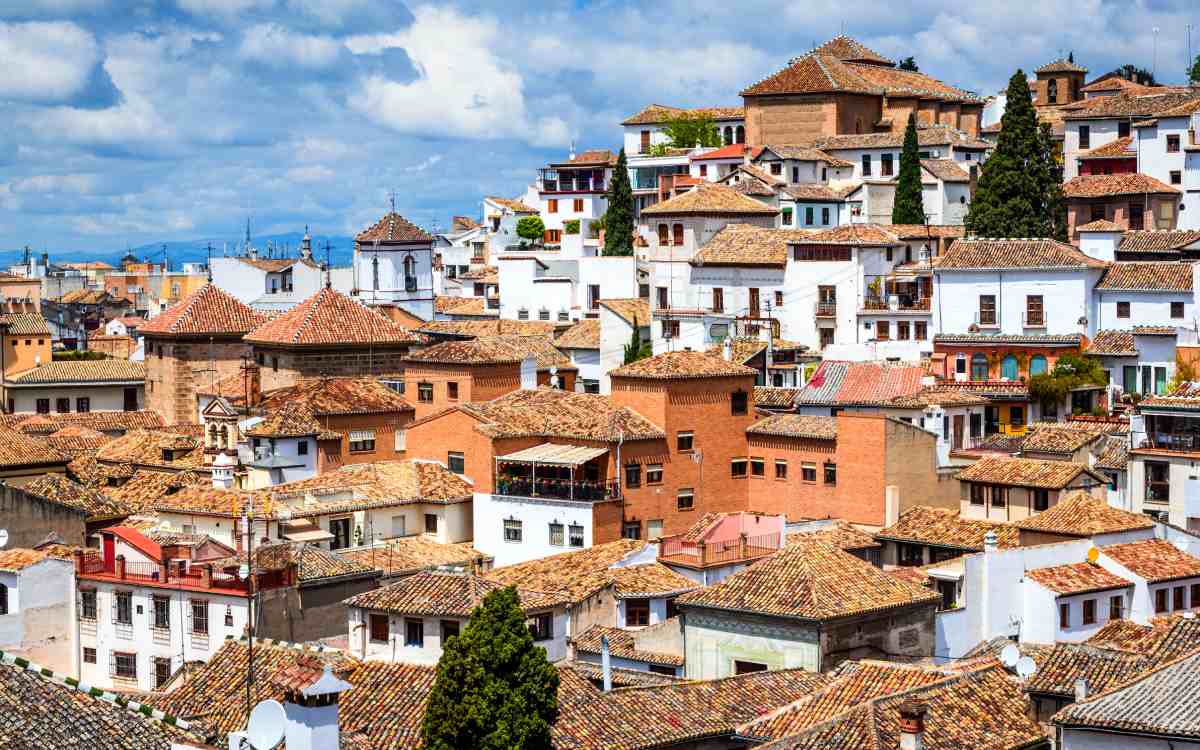
The neighbourhood in the city of Granada that most recalls life during the Nasrid reign is undoubtedly the Albaicín, a World Heritage Site, where the narrow and labyrinthine streets date from that legendary period. Ancient water reservoirs are still preserved in this quarter as well as the eleventh-century Ziri Wall, the stunning entrance gates, Arab baths like El Bañuelo, and palaces such as Dar al-Horra, where Aixa, the wife of Abu'l-Hasan Ali ibn Sa'd ('Muley Hacén' in Spanish) and mother of Boabdil, once lived. The Albaicín neighbourhood has preserved its own personality down through the ages, from its days as an outlying quarter overlooking the Nasrid city to its modern-day vestige of that bygone era.
The Sacromonte, where charm dwells
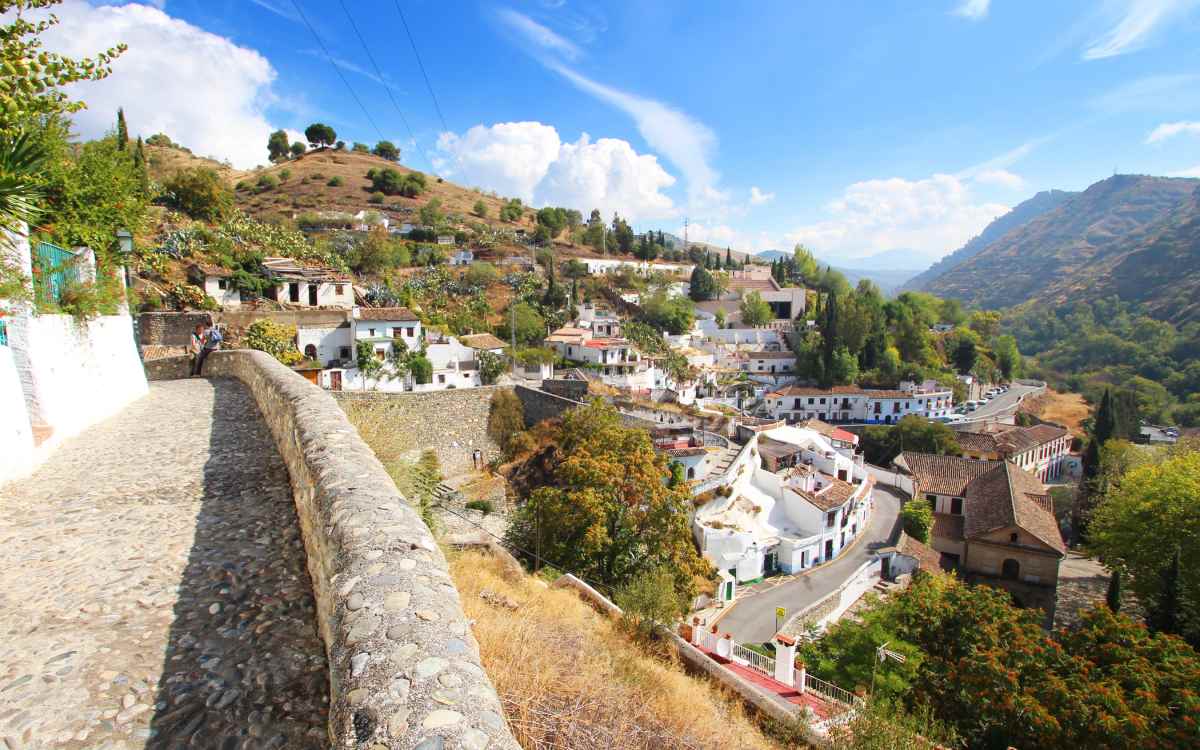
Sacromonte is the other neighbourhood crucial for understanding Granada’s history. It became a refuge for Jews and Moors after their expulsion and later, it became a quarter for Granadan Gypsies. What was once a simple hill has since been converted into a lovely borough of radiant white. After a long period cloistered away and shrouded in legend, today the Sacromonte is the Mecca of Gypsy and Flamenco culture.
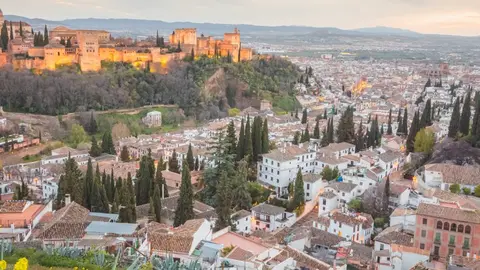
Caves that once served as homes to many families are now places where the emotive and mysterious Flamenco art can be enjoyed. To culminate your visit, a walk-up to the Sacromonte Abbey and the Holy Caves, one of the most sacred sites in this fascinating quarter, is a once-in-a-lifetime opportunity not to be missed.
The wonders of Granada’s nature
Sierra Nevada, the white giant
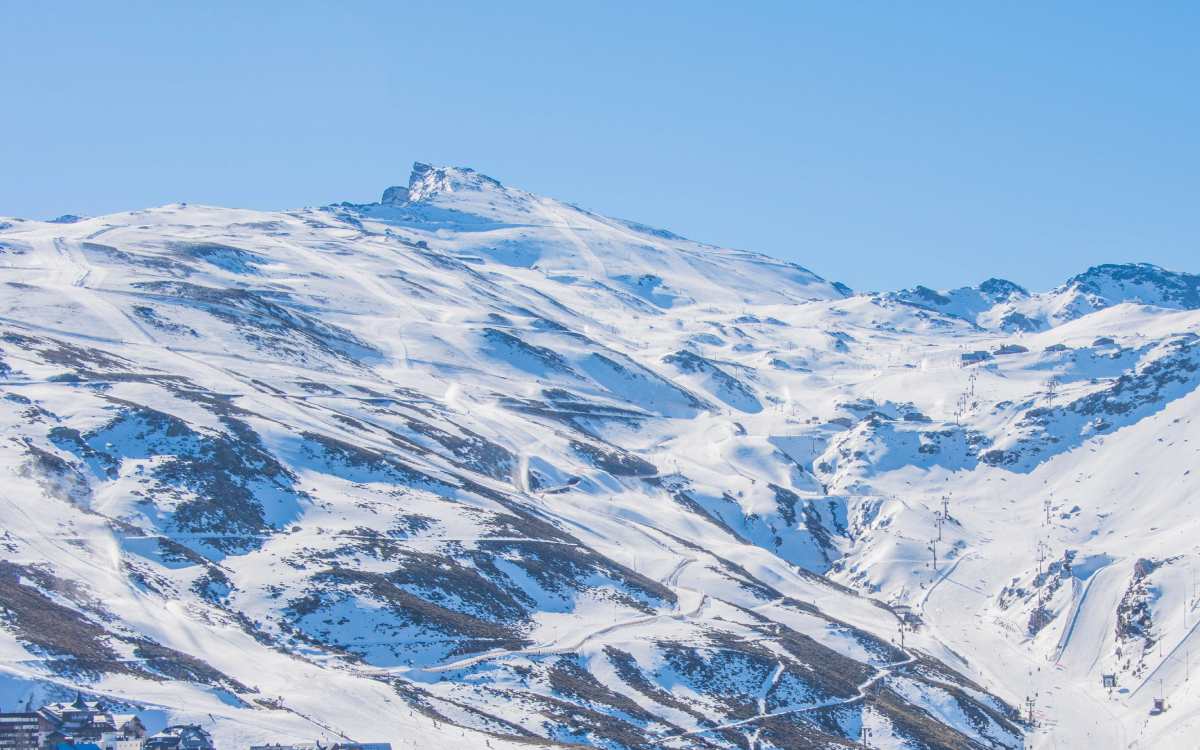
The Sierra Nevada mountain range is well-known for its ski station, Europe’s most southern, but it is also a unique landscape owing to its status as a designated Biosphere Reserve, a nature park and a national park. The prominent symbol of its natural beauty is the ‘Snow Star’ (Plantago nivalis), an endangered flowering plant that only grows at altitudes above 3,000 metres, but you can find other indigenous species such as the Artemisia granatensis ('Manzanilla de Sierra Nevada') and the Narcissus nevadensis (daffodil). This region also offers the opportunity to observe regal wildlife such as the Iberian ibex, the goshawk, and the Eurasian eagle-owl (Bubo bubo), among others.
One way of getting to know this remarkable area is to tour the Alpujarra Granadina region, set in the southern Sierra Nevada and made up of a handful of indelible villages where the population has long-lived in harmony with the landscape. These villages tend to be coloured a characteristic shade of white and formed by steeply inclined streets. Such noteworthy villages include Lanjarón, famed for its medicinal waters, the Moorish Órgiva, Soportújar, Pampaneira, Bubión, and Capileira. These last three are located in what is known as the Poqueira Ravine, an ideal location for hiking lovers thanks to the many trekking routes found here like the one following the course of the Poqueira River.
Costa Tropical, the sea of Granada
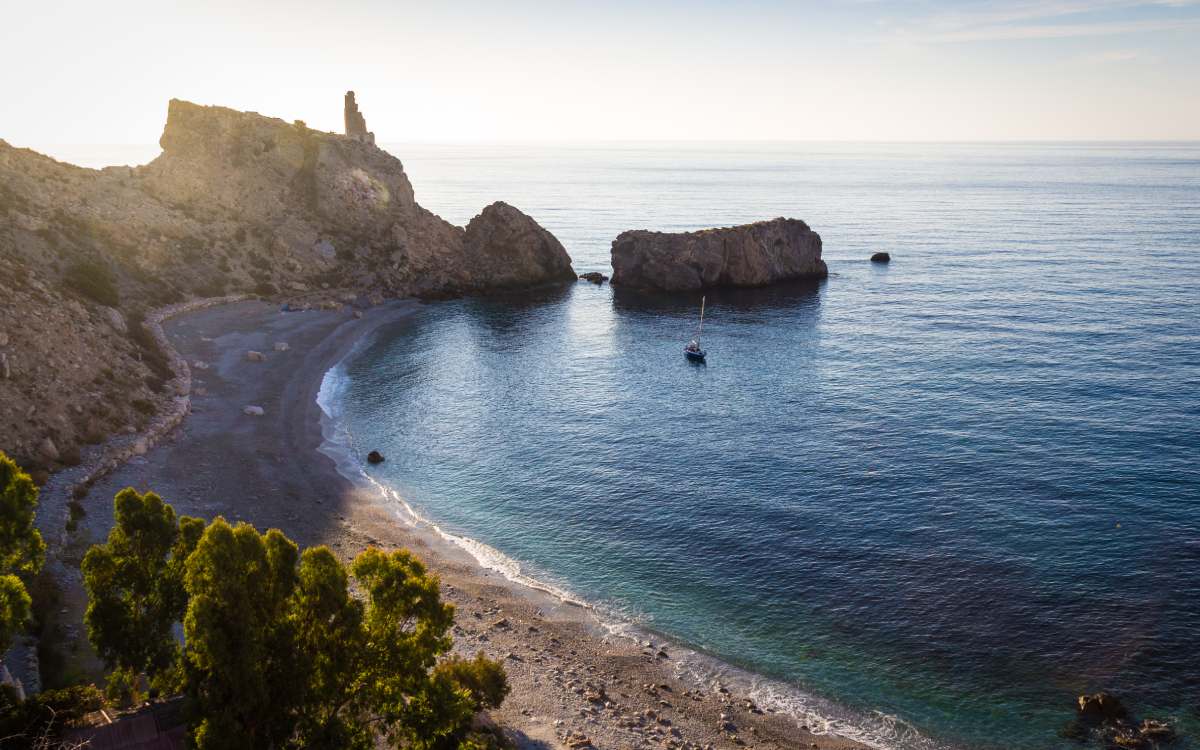
Granada’s overwhelming diversity means that just a short distance from snowcapped mountains lies an exceptionally pleasant seashore climate. Granada’s diverse and extraordinarily beautiful coast varies from long stretches of beach to tiny coves. Most beaches are rocky or dark-pebbled and the clarity of the seabed makes it ideal for diving, snorkeling and bird-watching.
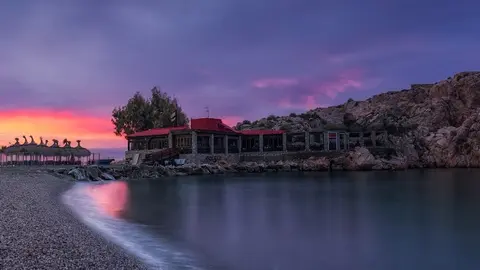
One of the best beaches is the Rijana Beach, protected by an arm of rock jutting onto the sea in a small bay in the locality of Castell de Ferro. Another is La Joya, near Torrenueva, small and isolated among the boulders, where naturism is often practised. Urban beaches like Calahonda Beach in Motril or Cantarriján Beach in Almuñécar are also wonderful samples of the splendour on offer along this 19 kilometre-long coastline, where there is something for every taste.
Sierra de Baza Natural Park, the sound of water
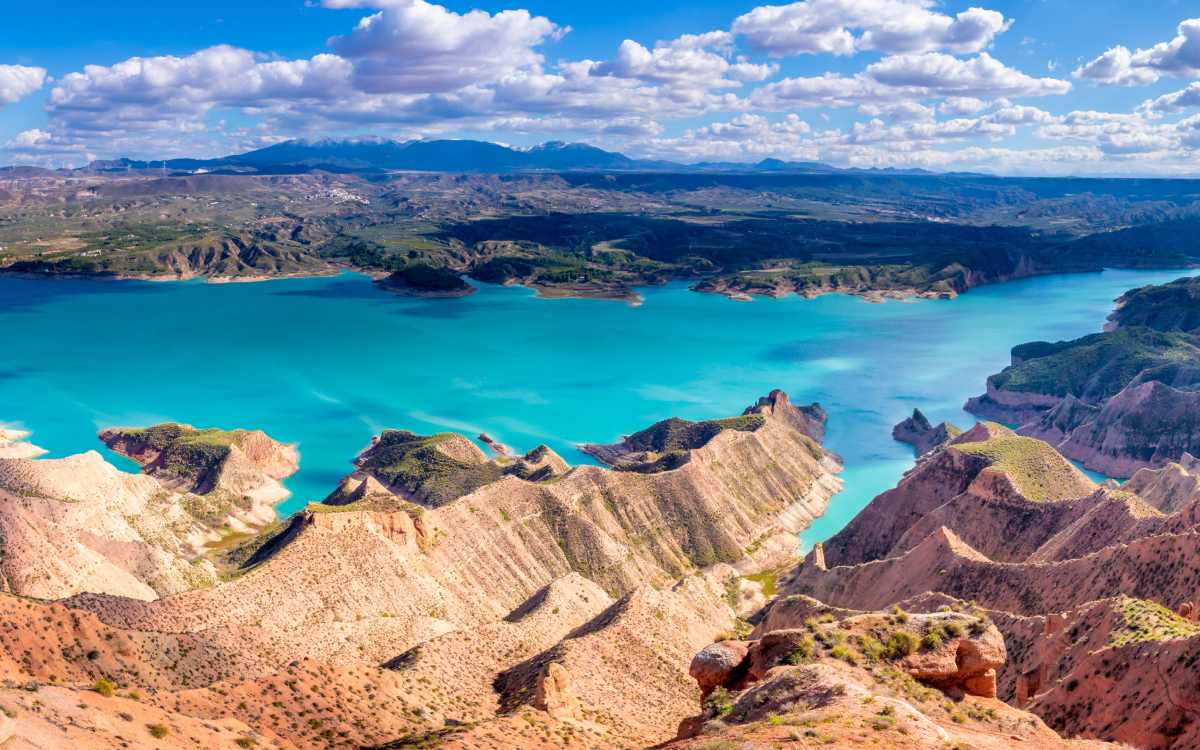
Another unmissable natural setting is the Sierra de Baza, a haven of silence broken only by the sounds of the numerous species of birds and running currents of water. These mountains comprise impressive summits, like that of Santa Bárbara at 2,271 metres above sea level, and set the stage for an aquatic spectacle of fast-flowing, ‘crazy springs’ or 'fuentes locas', especially during the melting season. Additionally, there are thermal springs to be found like the one at Zújar.
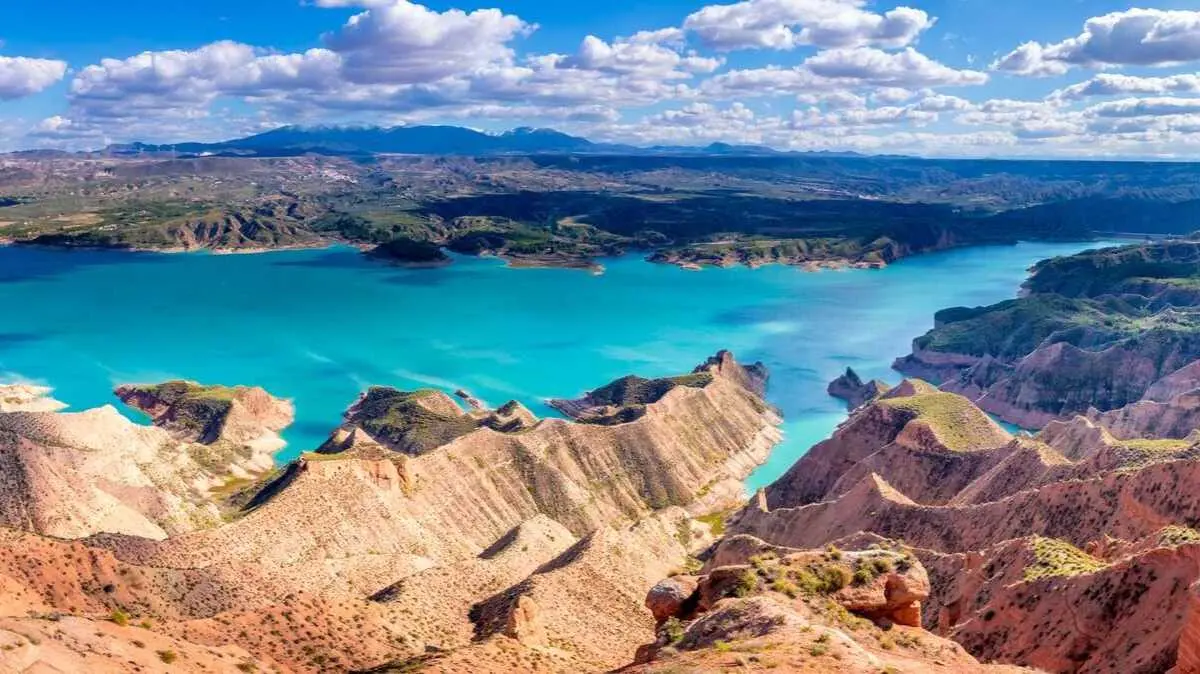
Set in heavenly surroundings, these spring currents, together with the nearby Negratín Reservoir, serve as two prime examples of the influence of water in Granada. The reservoir, Andalusia’s third largest, is known by the locals as the ‘Plateau Sea’. The vast amounts of water contrast sharply with the surrounding arid landscape, replete with reddish-coloured gullies, offering breathtaking sunset vistas.
You can also read this article in Spanish.