The most European city of 2024 is in Cataluña and it is not Barcelona
In 1955, the Parliamentary Assembly of the Council of Europe created an award to recognise the cities for their European activity that promotes the European ideals. The 2024 Europe Prize has been awarded to a Spanish city that lies in the province of Barcelona. The winner is a city that has been extremely involved in European development for many years.

Meet the winner of the 2024 Europe Prize
Terrassa is home to 225,000 people and lies around 30 kilometres from Barcelona. The authority that awards this important prize, whose headquarters are in Strasbourg, mentions Terrassa’s great participation in the European project. But why has Terrassa been awarded?
A city keen on Europe
Terrassa has had a Department for European Affairs for the last 20 years, something not every city has. This Catalan city hosts an impressive number of events that centre around Europe, such as the European Day of Music, of Languages, or Europe Day… The European Sustainable Energy or Mobility Weeks, and the European Heritage Days are celebrated too.
A journey through Terrassa’s past and present
Together with the neighbouring (and rival) Sabadell, Terrassa was once known as the ‘Catalan Manchester’ thanks to its industrial development, in particular in the textile industry. Although this economical drive has persisted to the present day, now the city is better known for its university life, thanks to its many university centres, and a unique condition: here sits the Diocese of Terrassa.
Echoes from the Antique Egara
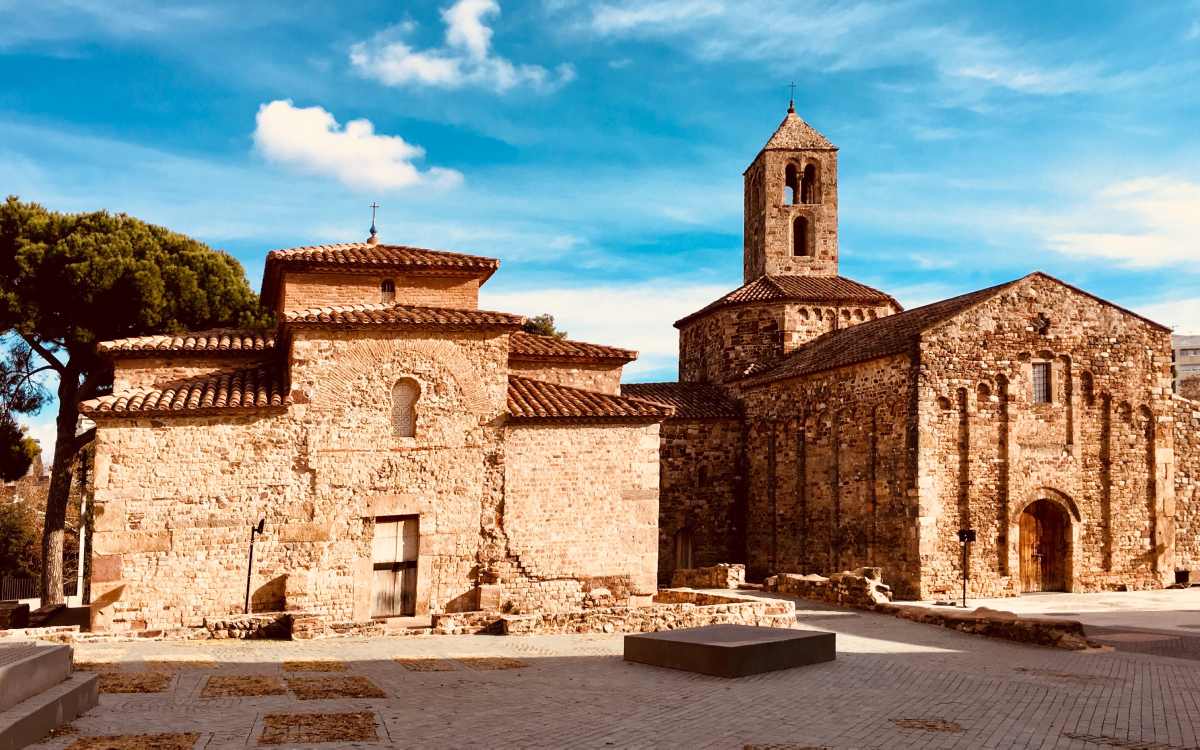
Terrassa has preserved the legacy of the old Roman city of Egara, which later became an episcopal see unique in Europe due to its antiquity, since it dates back to the 5th century, and the artistic value of its remains. The see is an admirable complex of religious buildings. The cathedral of Santa María, built after the first Christian basilicas, and the cemetery chapel of Sant Miquel stand out among them. Many antique retables and other exceptional decorations can be found here as well. The current cathedral of Sant Esperit, with its Neo-Gothic façade and fifteenth-century sculptures, hosts the religious services now.
To explore other interesting spots of preindustrial Terrassa, you should head to the Convent of San Francisco and enjoy its seventeenth-century cloister of gorgeous polychrome ceramics. Add the Castle of Cartuja de Vallparadís to your itinerary too—this symbol of medieval Terrassa was a fortress that turned into a monastic centre. Now, it belongs to the Museo de Terrassa.
The sophisticated industrial city
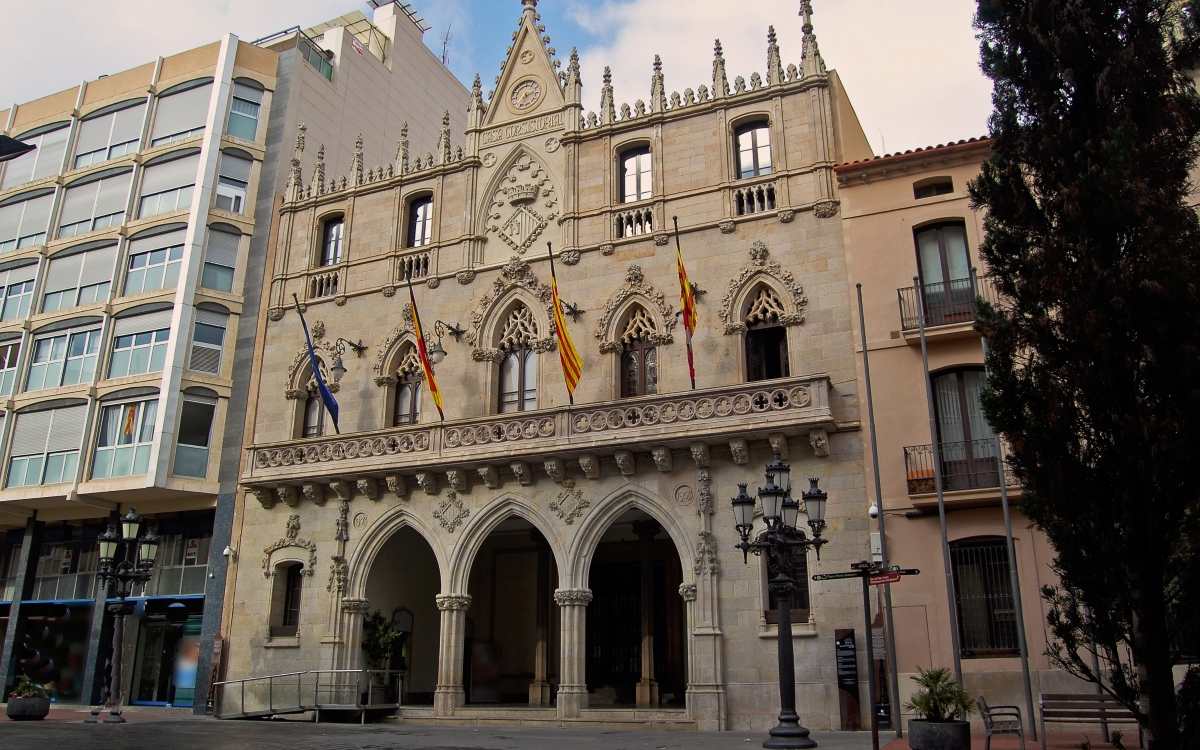
In the late 18th century, Terrassa had a powerful textile industry thanks to the French technology they had access to. In the 19th century, the industry strengthened and evolved until it turned into ‘the city of steam factories’. Terrassa’s past has left behind a first-class heritage that sometimes adopted modernist shapes, something the town hall itself proves.
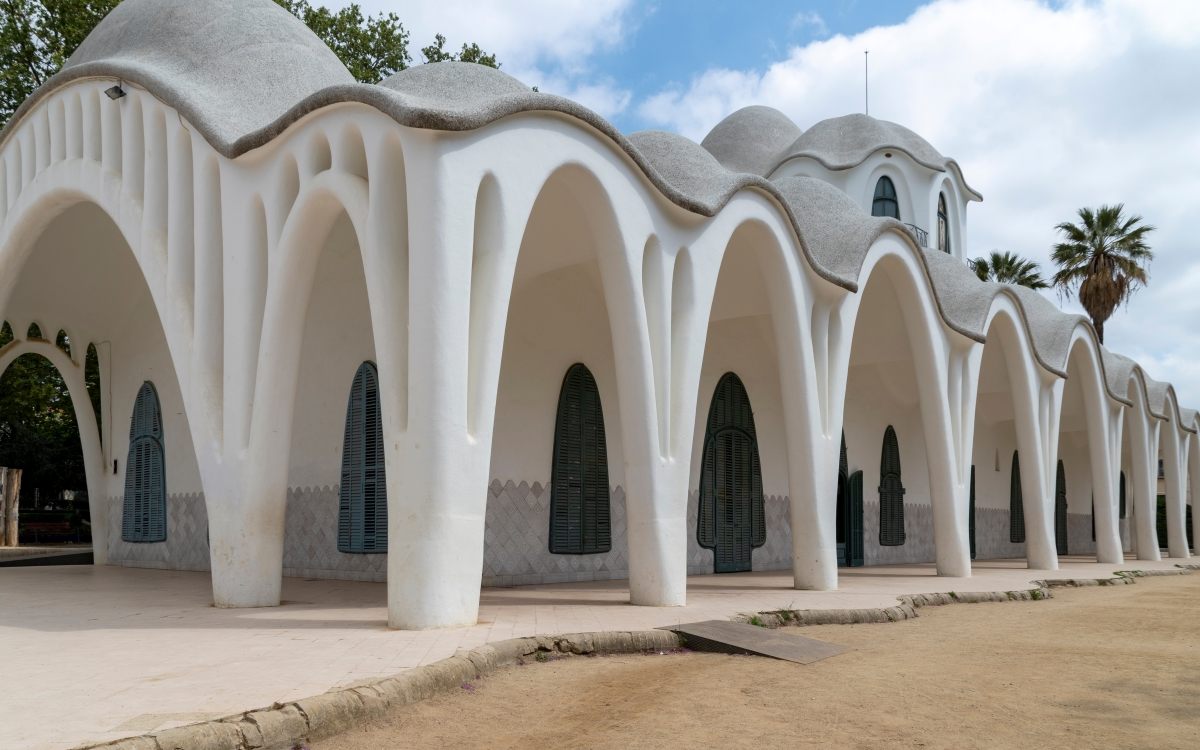
The golden industrial age gave rise to a bourgeoisie of exquisite taste, just like it happened in Barcelona. The best examples are the modernist Casa Alegre de Sagrera or the Masía Freixa, a Gaudinian building with parabolic arches and gardens that actually were the first park in the city. The modernist style was adopted even by factories, such as the Vapor Aymerich, Amat y Jover which is now the headquarters of the Museo Nacional de la Ciencia y la Técnica de Cataluña.
Green Terrassa
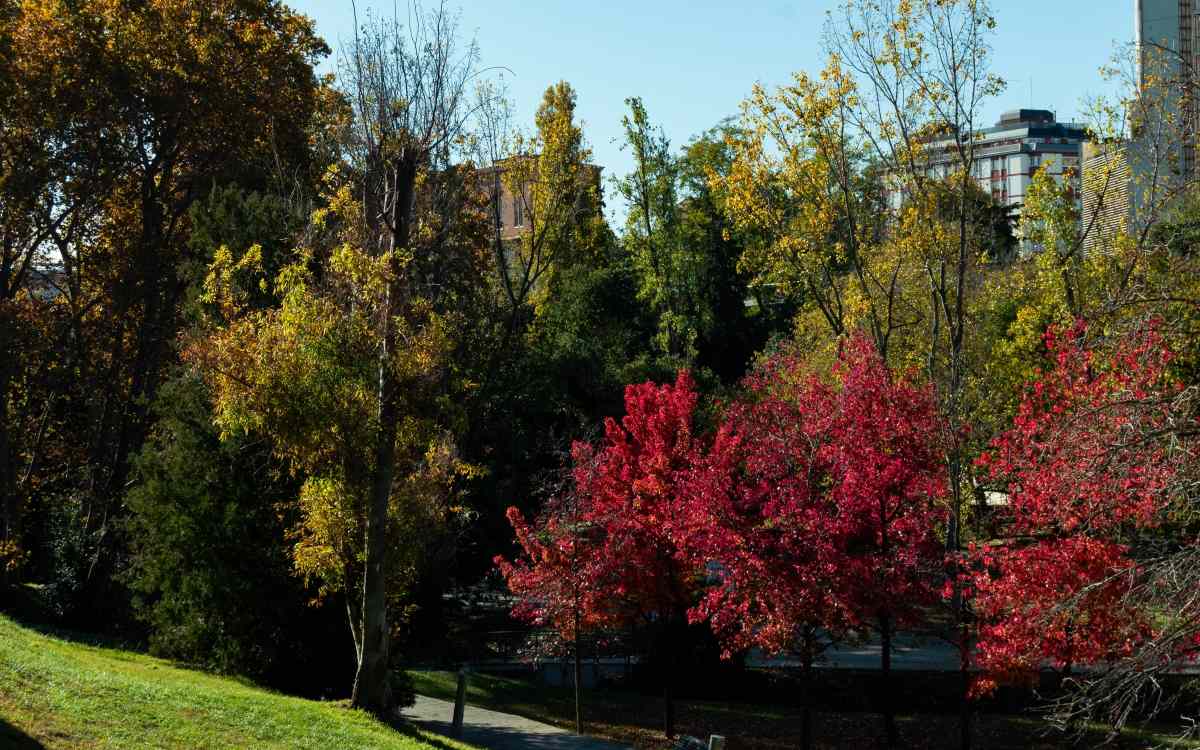
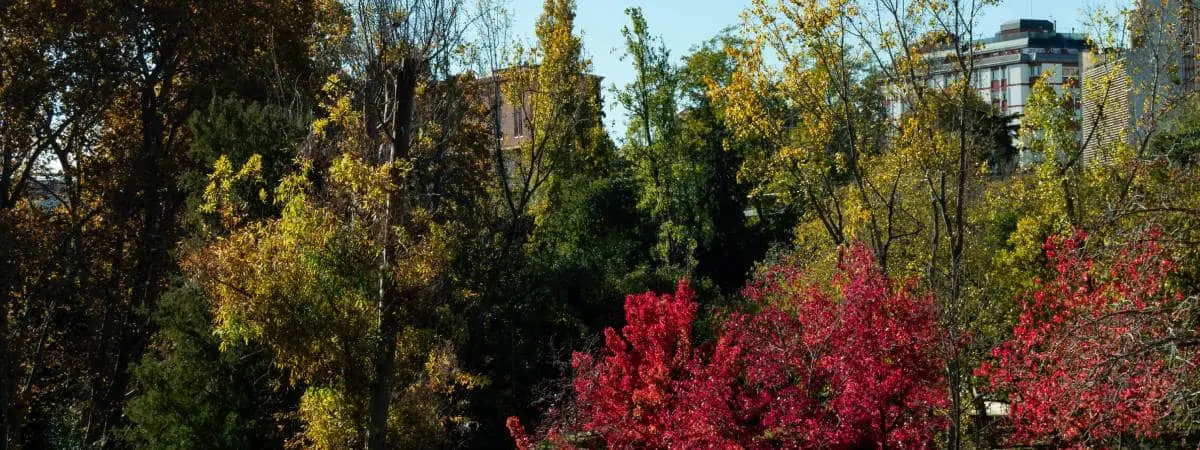
The echoes from the past can still be heard in Terrassa, which now shows a deeper shade of green. In fact, its Vallparadís Park is one of the largest urban parks in Europe. The city is surrounded by a ring of thick vegetation.
Besides, the Sant Llorenç de Munt i L’Obac Natural Park is extremely close to the city. This natural corner is perfect for hiking and enjoying many other forms of active tourism, such as climbing and speleology. The park is home to a 1100-metre-tall massif and its protected area includes some of the most beautiful villages in Barcelona. Talamanca and Mura are some of them, true rural gems just one step away from Terrassa.
Terrassa’s intense cultural life
Nowadays, Terrassa’s vibrant cultural scene is filled with events throughout the year. For instance, its rich modernist heritage is praised in the Modernist Fair every May, when people dress up as people did in that time. And many other events are hosted, such as dance, theatre and music festivals, which mostly focus on jazz music.
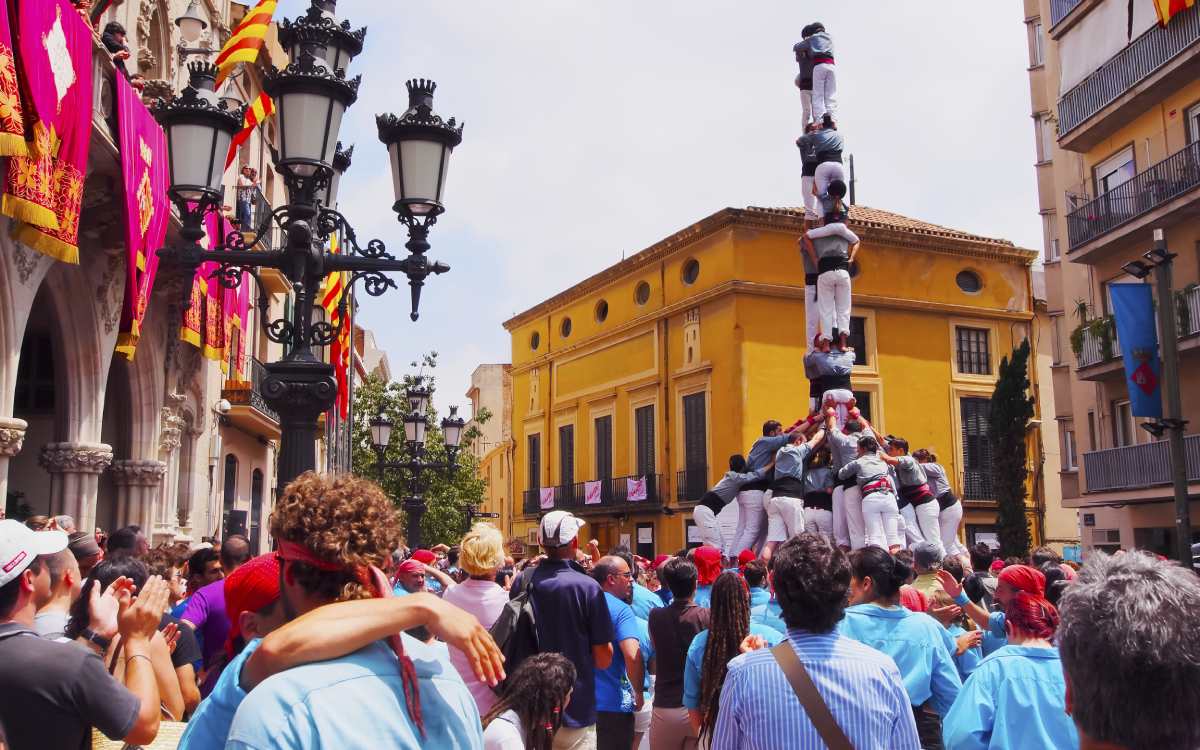
The traditional local culture has grown in tandem with this modern drive in the city of Terrassa. There are many popular groups of castellers, bastoners, dancers, sardanas, religious visual artists and diables, or ‘groups of fire’. This is how localism and Europeanism merge perfectly in Terrassa.
You can also read this article in Spanish here.
Follow us on Facebook!