
Costa Dorada’s most beautiful villages
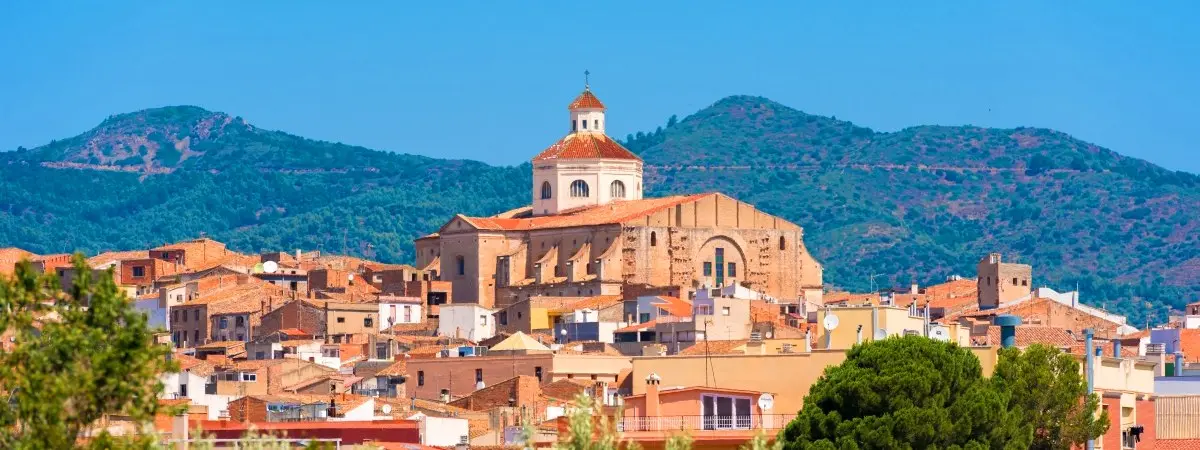
Starting from the Foix River in the province of Barcelona down to the remarkable Ebro Delta, the Costa Dorada (literally, ‘the Golden Coast’), offers a series of magnificent beaches and dreamy landscapes. And the towns along the Tarragona coast are one part of what makes these shores so magical. A microcosm of history and natural beauty, these are the places along the Costa Dorada that definitely deserve a visit.

Villages along the Costa Dorada to visit
Altafulla
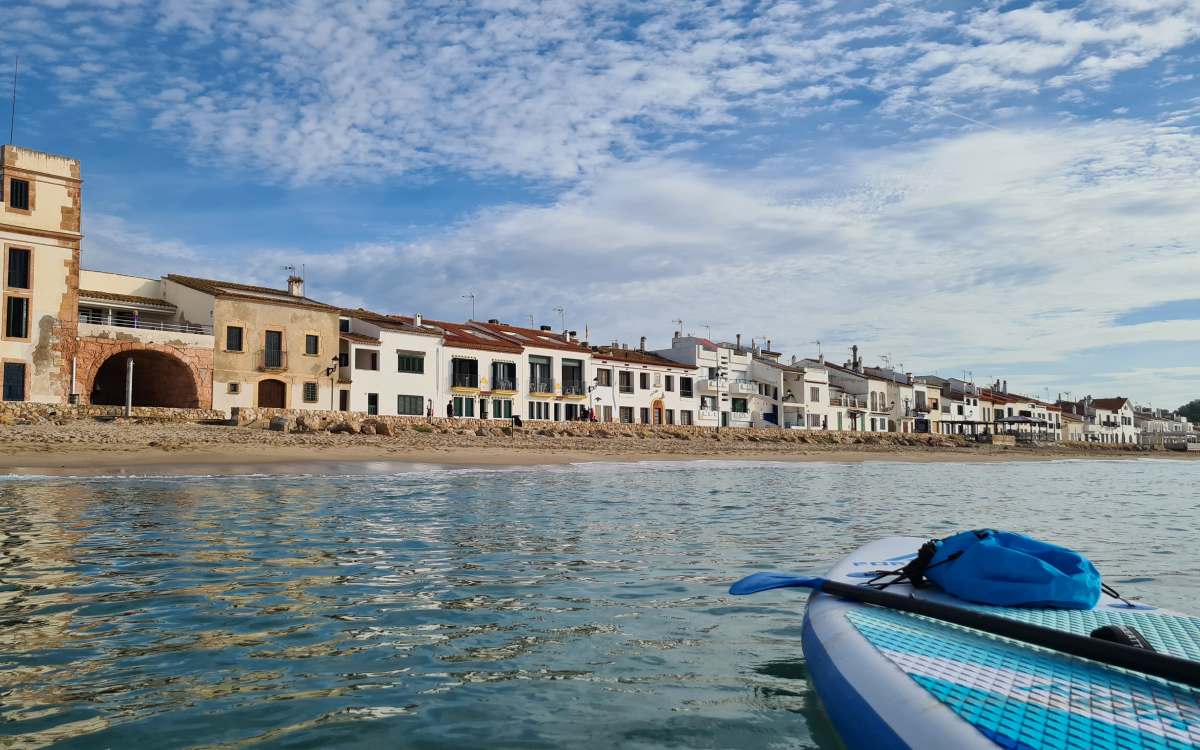
Altafulla’s seashore of splendid, rustic beaches invites one to relaxing walks. The Gaià River, which once served as a border between old and new Catalonia, adds diversity to the landscape.
Nevertheless, another Altafulla, a cloistered village with medieval flavour and charming streets, lies just across the highway. The town’s picturesque old quarter is the perfect counterpoint to the maritime promenade, where stately homes and the old fishing warehouses shimmer beneath the solemn silhouette of Tamarit Castle.
L’Hospitalet de l’Infant
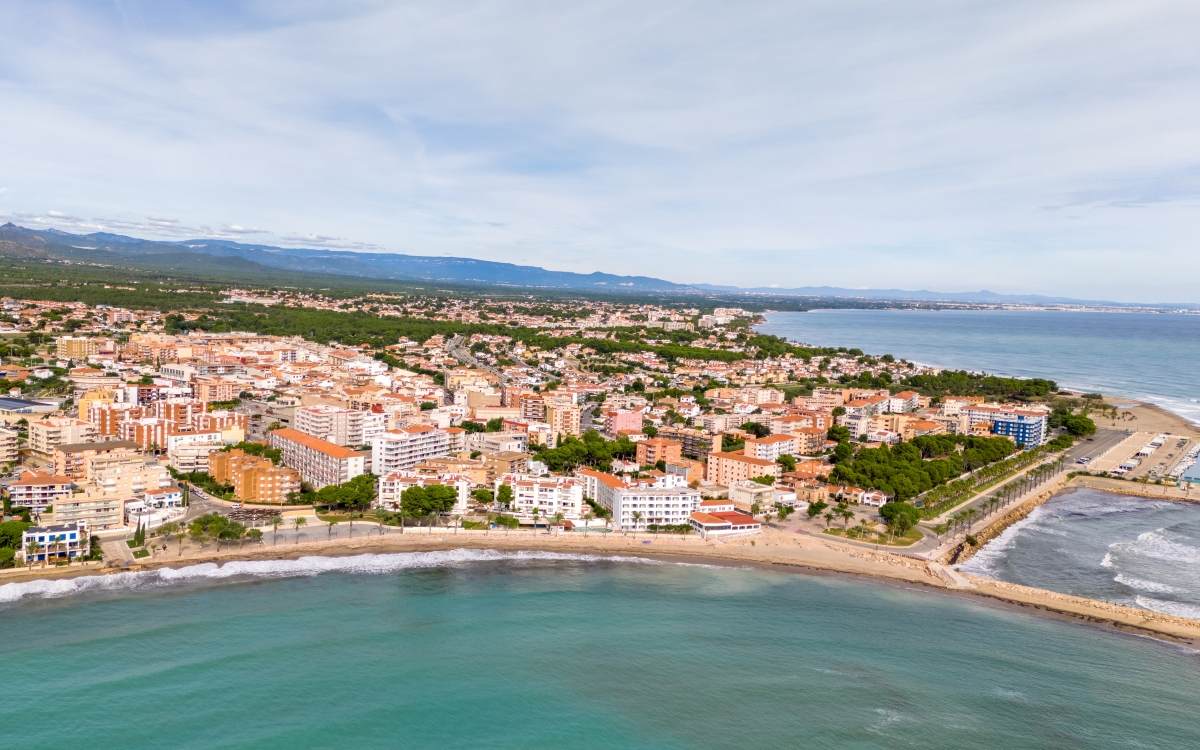
The serene beauty of the landscape is the star attraction of this village in the south of Tarragona province. The foothills give rise to stunning spots such as Cova del Llop Marí, a hidden beach and cave with turquoise waters, and nearby Torn Beach, an authentic paradise where one can escape it all.
Notable sights in the towns centre include the nautical sporting club and plenty of historic ruins surrounding the marina, from the defensive coastal towers to the unique and stark splendour of the fortified hospital, from which the town takes its name.
Roda de Berà

The name of Roda de Berà evokes pleasant powdery sand beaches and the indelible footprint left by the Romans in this region. The most striking example being the triumphal Arch of Berà, rising more than 12 metres above the ancient Via Augusta.
Subsequent centuries have left their marks on this municipality including Modernist decorations at the Mas Carreras Chapel. Another intriguing location is the Roc de Sant Gaietà, a 1960s urbanization project replicating a fishing village, with architectural themes inspired by styles found throughout Spain.
Torredembarra
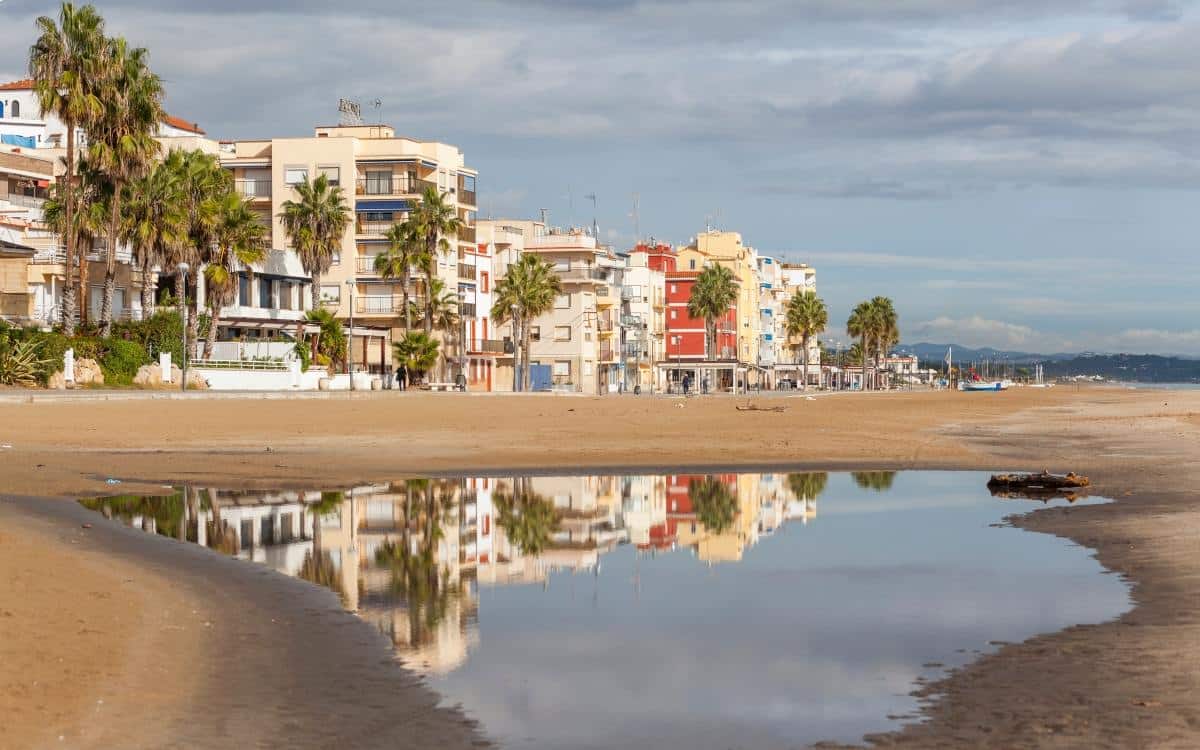
Torredembarra is a classic summertime destination along the Costa Dorada. Like so many spots along this coast, taking a break from the beaches in order to discover what the town’s old quarter offers is worth the time. Not only does Torredembarra preserve its coastal essence, it also bears witness to its past.
The charming Vila Tower is the oldest standing structure, a vestige of a once sleepy fishing village. Numerous old homes, crammed among the ruins of the castle and Roman villas, stir memories of Torredembarra’s ancient history.
Creixell
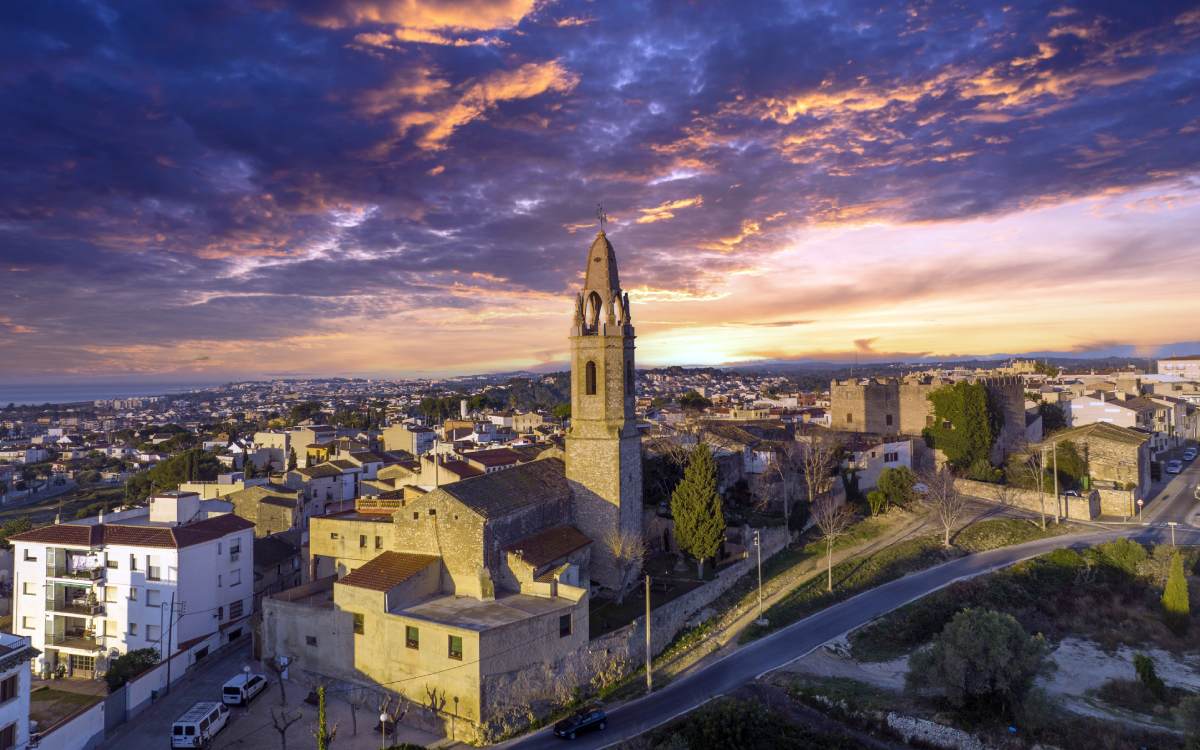
The timeless atmosphere of much of Creixell, near Tarragona, is a delight to discover on foot. A stroll along the Carrer de l’Església, with its archaic homes and views of the castle, is enough to appreciate the long history of this village.
Little architectural masterpieces, such as the mysteriously white Can Xacó Tower or the traditional character of Ca la Miquelina Tower or Saint Jaume Church’s elegant bell tower, all captivate the imagination. Though it may have been the remarkable beaches like Muntanyans Beach that first enticed the Romans to this spot along the Mediterranean.
L’Ametlla de Mar
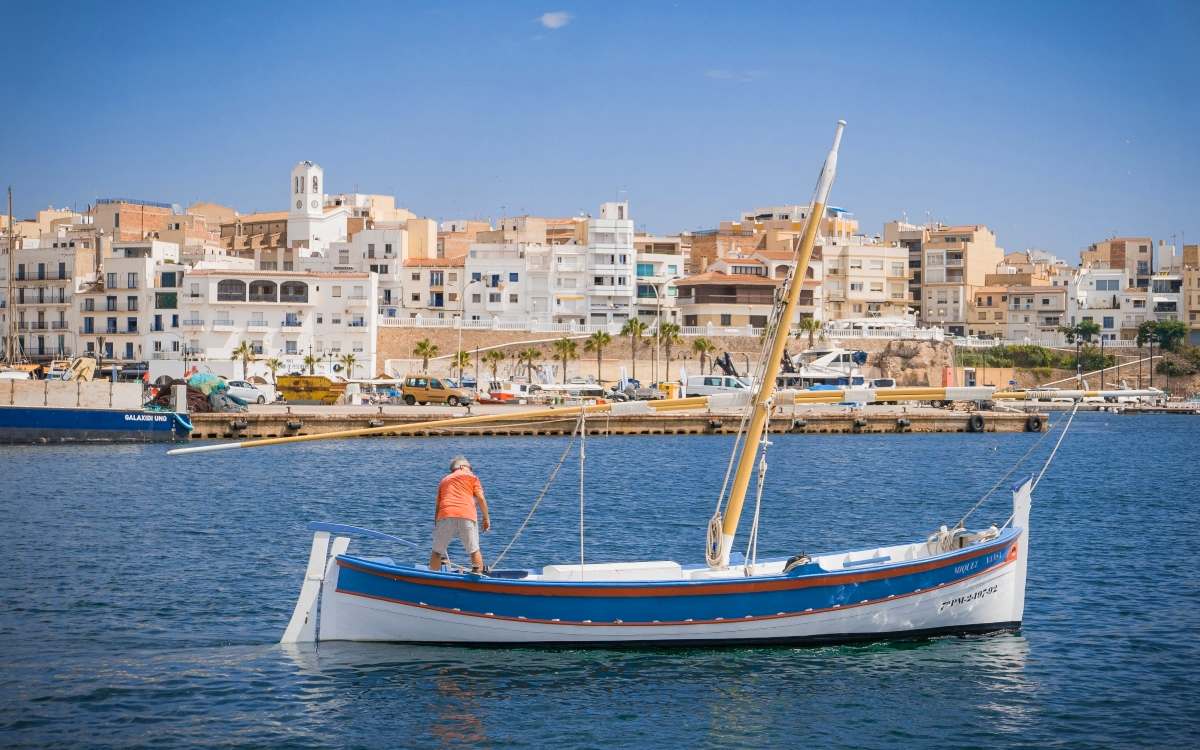
In the Lower Ebro region, one charming village stands out from the rest. Perhaps due to its founding by Valencian fishermen, L’Ametlla de Mar has clearly preserved its maritime traditions like few others.
In addition to its shoreline of coves and hidden spots to be discovered, the village itself is quite attractive. In the Cala, as it is also commonly called, white buildings adorned with the occasional portico stand in front of broad arches outlining the sea.
Mont-roig del Camp
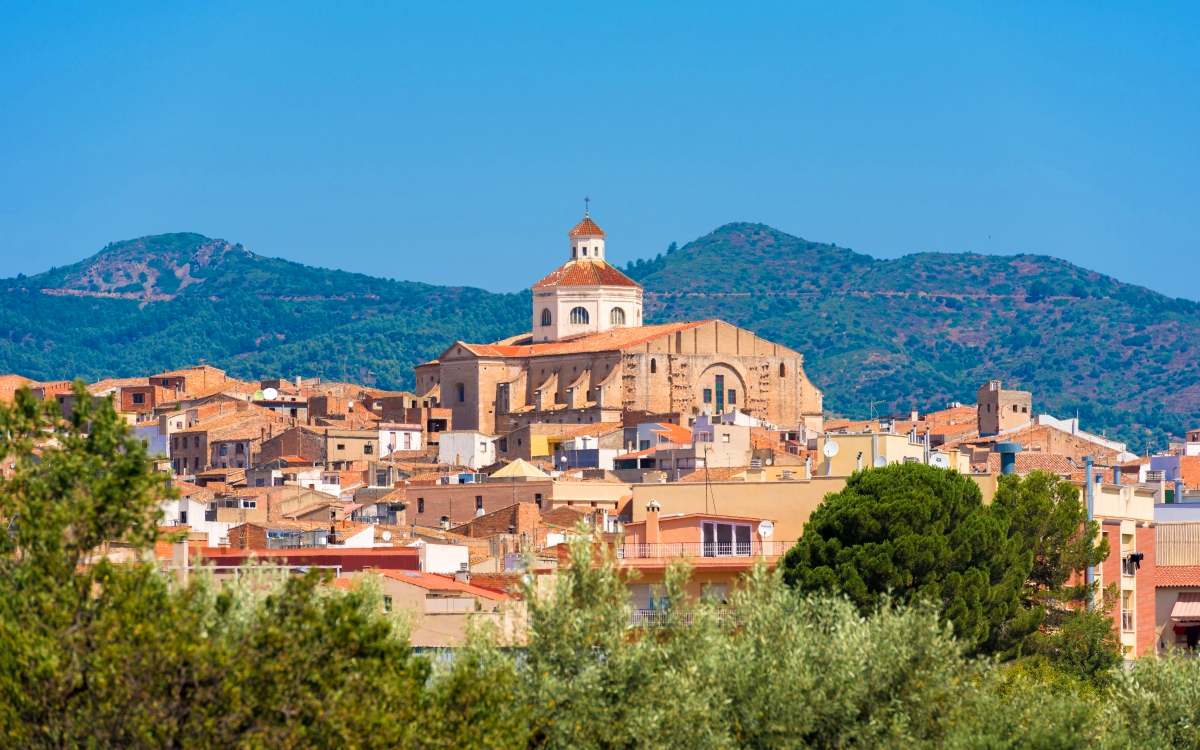
Prudently set back from the sea and the age-old menace of marauding pirates and bandits, the historic settlement of Mont-roig del Camp has in more recent times come to incorporate Miami Beach, a splendid tourist coastal spot. Mont-roig del Camp is, in sharp contrast to the beach, a treasure trove of medieval nostalgia and timeless splendour.
The nearby geography of the village is notable for the reddish hues of the earth, from which the village’s name derives. A fascinating example of this natural beauty can be found at the Foradada Cave, whose astounding shapes and surrounding mountains dotted with shrines, small dwellings and the breathtaking Escales del Diable (The Devil’s Staircase) make for a perfect photo opportunity.
Sant Vicenç de Calders

Sant Vicenç de Calders, an independent municipality until the 1940s, today forms part of El Vendrell and has a well-known train station, despite being a village of fewer than one hundred inhabitants. Although the village is perched atop a hill at a good distance from the sea, the village has historically been linked to the coastal village of Coma Ruga.
Although few places reflecting the traditional way of life along the famed Costa Dorada still remain, Sant Vicenç de Calders continues to be a beautiful example of a small village unaffected by the urban development of the last decades. The homes surrounding its main square date from the 18th century while the church is of medieval origins. Above all, the incredible views of the seafront are not to be missed.
L’Ampolla
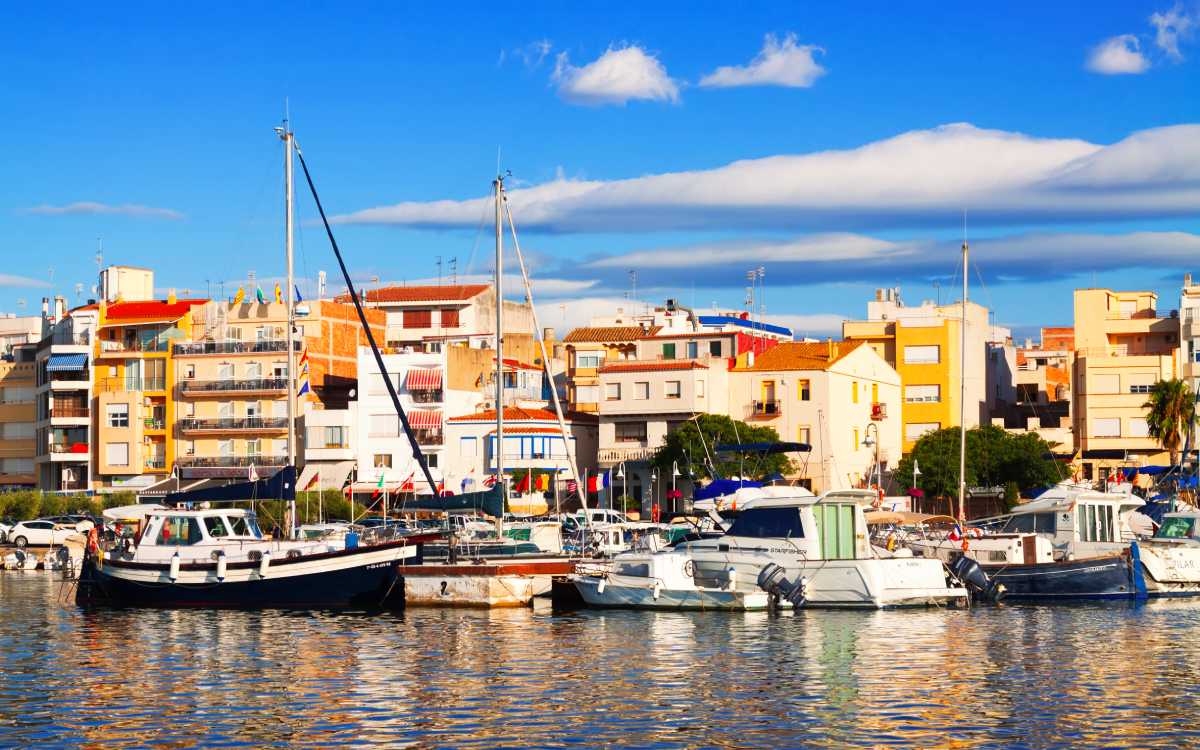
L’Ampolla is an appealing fishing village with the honour of being the port of entry to the magnificent Ebro Delta. The village’s pleasant feel is supplemented by the grandeur of the Fangar Bay, surrounded by classic landscapes of rice fields and lake birds.
The Olles Lagoon, an ecosystem where the best of nature is on display, is one of the area’s natural wonders. The proximity of the Ebro Delta lends this small maritime enclave its singular charm, offering a scenery of endless horizons to enjoy long walks or cycling.
You can also read this article in Spanish and French.
Follow us on Facebook!