
Foreign flavours that have influenced Spanish cuisine
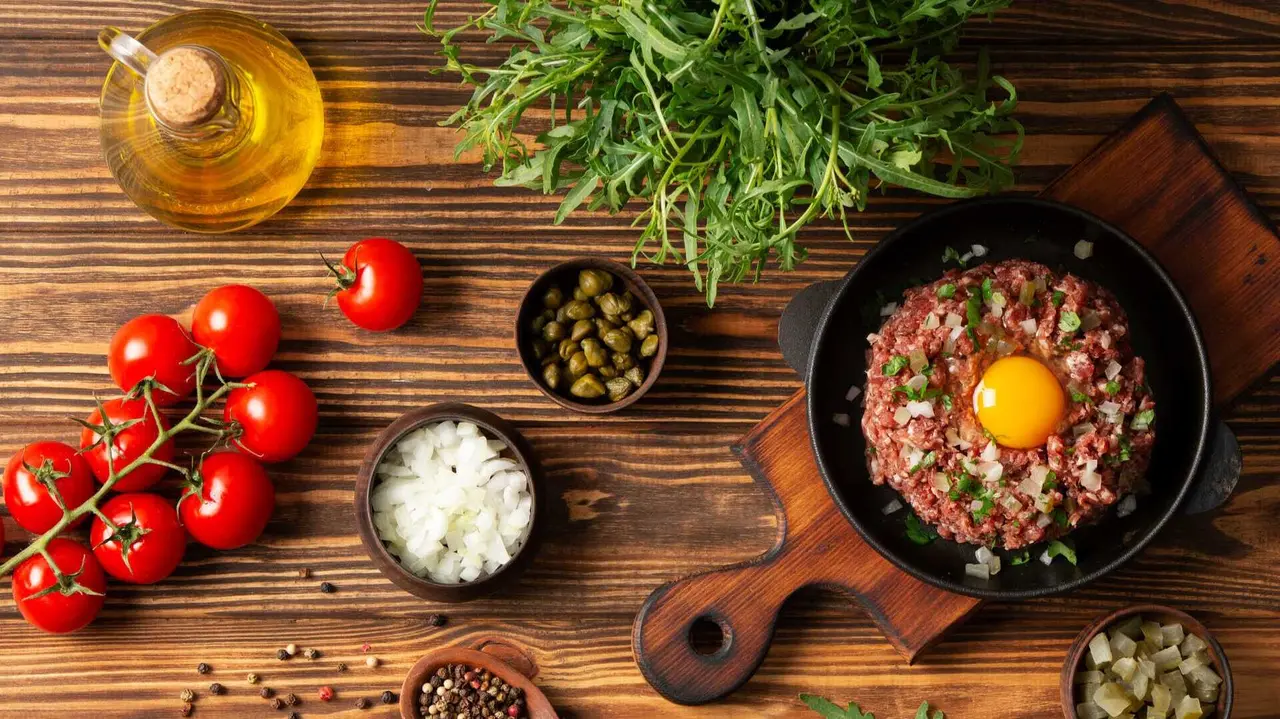
Spanish cuisine is globally renowned and a hallmark of the country’ culture. Visitors to Spain delight in at least one of its dishes. Spain’s cultural and geographical diversity can be tasted in its regional specialties. Closer inspection, however, reveals that much of modern Spanish cuisine is the result of deep-rooted influences from faraway lands of diverse cultural traditions.

Spain’s culinary traditions reflect a diverse and ingenious cultural heritage. The Iberian Peninsula’s geography dictated a Mediterranean diet based on olives, breads and viticulture coupled with a brisk trade of other edibles throughout the ancient Mediterranean region. The subsequent arrival of Berbers and Arabs from Africa and the Middle East prompted new fare and recipes, lending al-Andalus flavour to the Iberian Peninsula’s diet.
AL-ANDALUS LEGACY
The arrival of Berbers and Arabs to the Iberian Peninsula during the Middle Ages was a watershed moment in the dining habits of the peninsula’s inhabitants. Arab introduction of new agricultural techniques, crops and ingredients, previously unknown on the peninsula, ushered in an array of victuals that broadened people´s tastebuds.
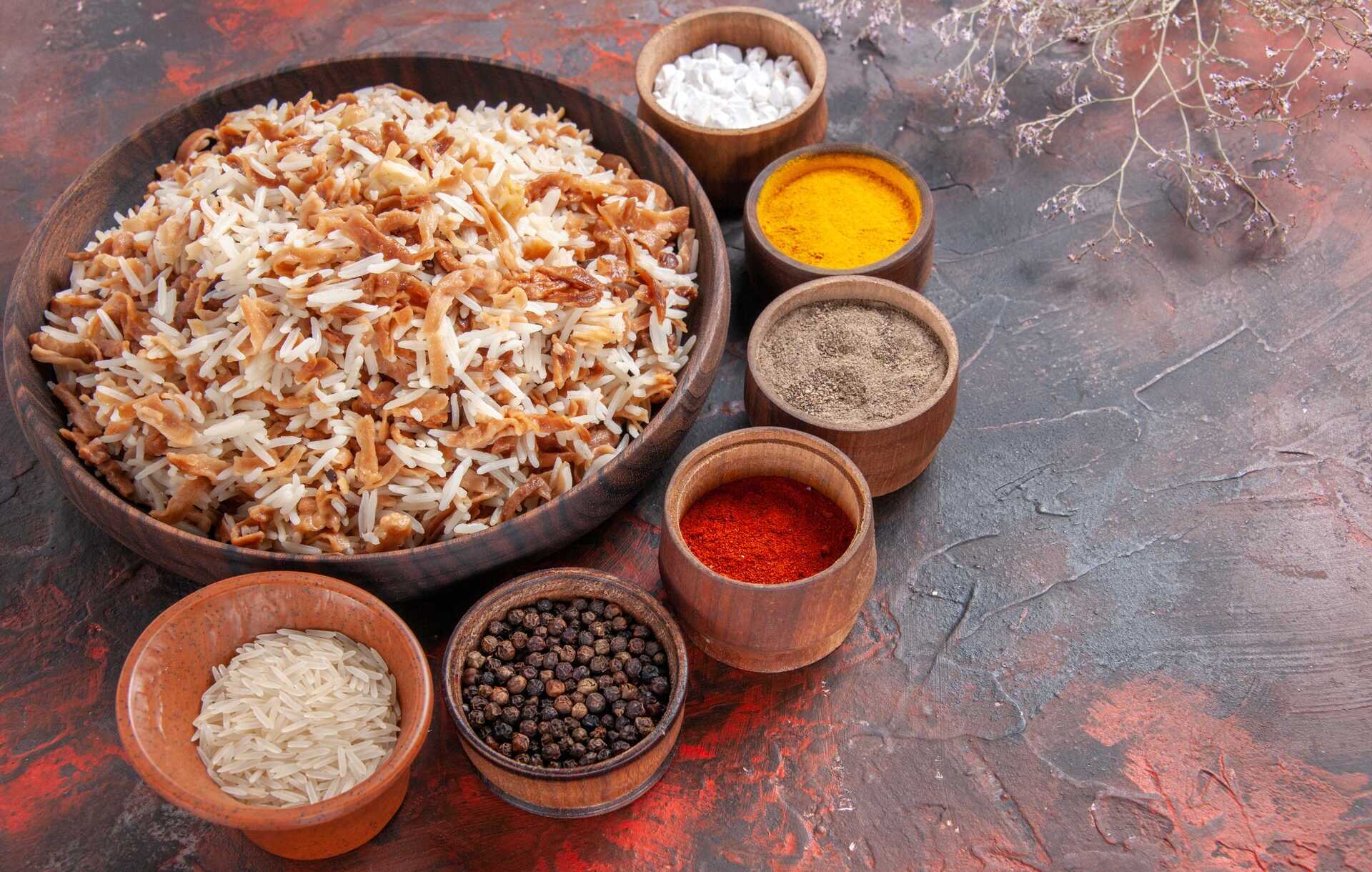
The Muslim conquest brought with it such staples as rice, saffron, sugar, oranges, lemons, aubergine, spinach and nuts. This aromatic and seasoned cuisine also catered to the sweet tooth. Arab and Berber influences introduced salty-sweet delicacies using ingredients, such as almonds, still used in contemporary Spanish confectionery. This cultural confluence not only enriched the peninsula’s larder, but forever changed the habits of how Iberians prepare and cook the food they eat.
AMERICAN HERITAGE
The culinary impact on Spain following its contact with the Americas was nothing short of revolutionary. Produce and foodstuffs from the New World were rapidly assimilated into Spanish kitchens. Ingredients such as tomato, pepper, potato, maize, vanilla and chocolate completely transformed the peninsula’s – and the world’s - way of eating and cooking.
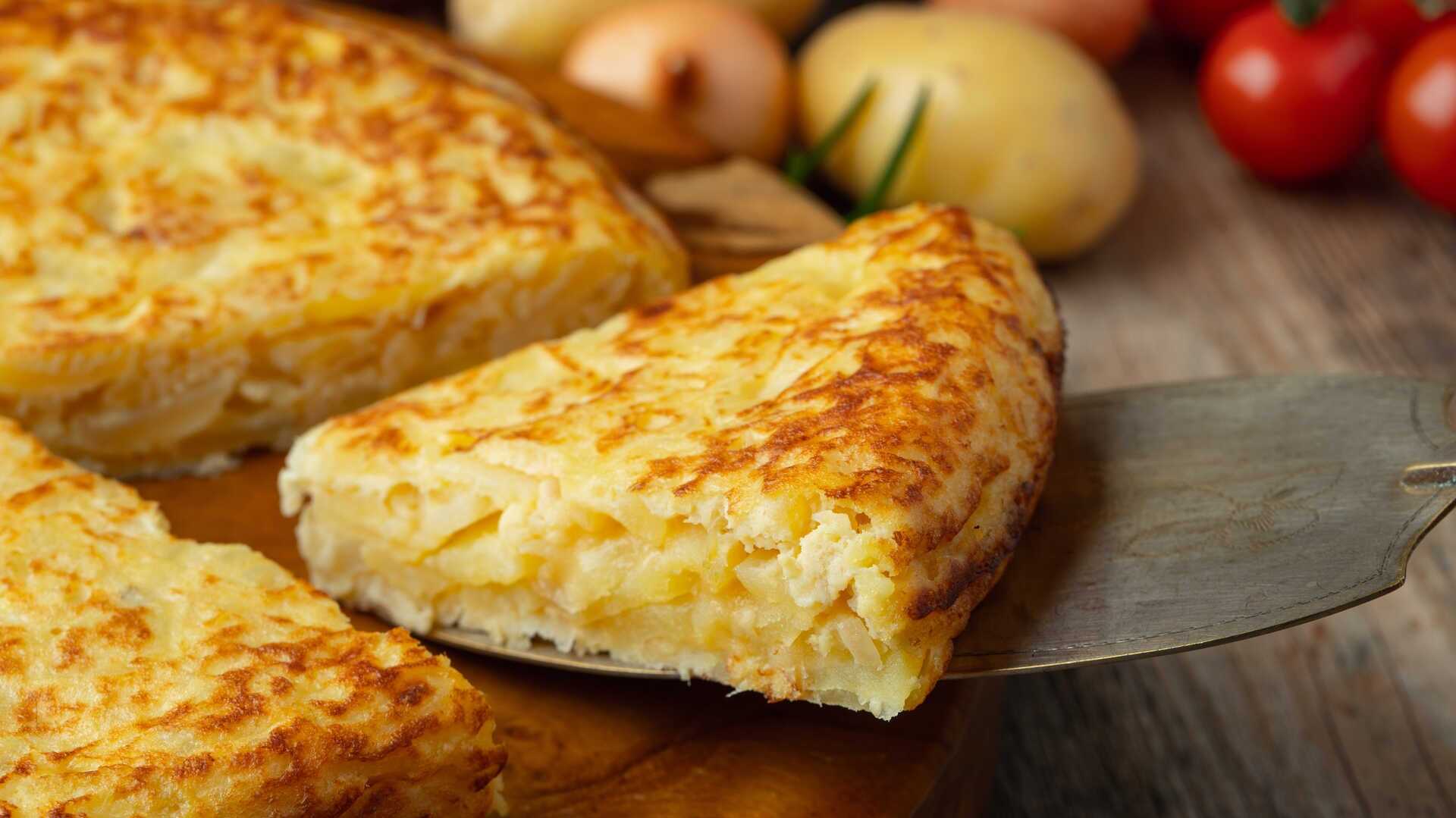
Modern-day Spanish dishes like gazpacho and potato omelette are wholly dependent on ingredients native to the Americas, as indeed are some stir-fries, stews and sauces, which today are considered quintessentially Spanish. The adaptation of new produce transformed traditional recipes, opening up new culinary possibilities that were quickly incorporated into Spaniards’ daily diets. By blending new and old traditions over centuries, these dishes have come to be regarded as indistinguishably Spanish.
GLOBAL FUSION
Contemporary Spanish cuisine disproves the notion that foreign culinary influences are a relic of the past. Spanish haute cuisine and confectionery bear the marks of French, Italian, Flemish, Japanese and Chinese styles. French recipes, culinary techniques and sauces have especially impacted professional kitchens and elite dining tables.
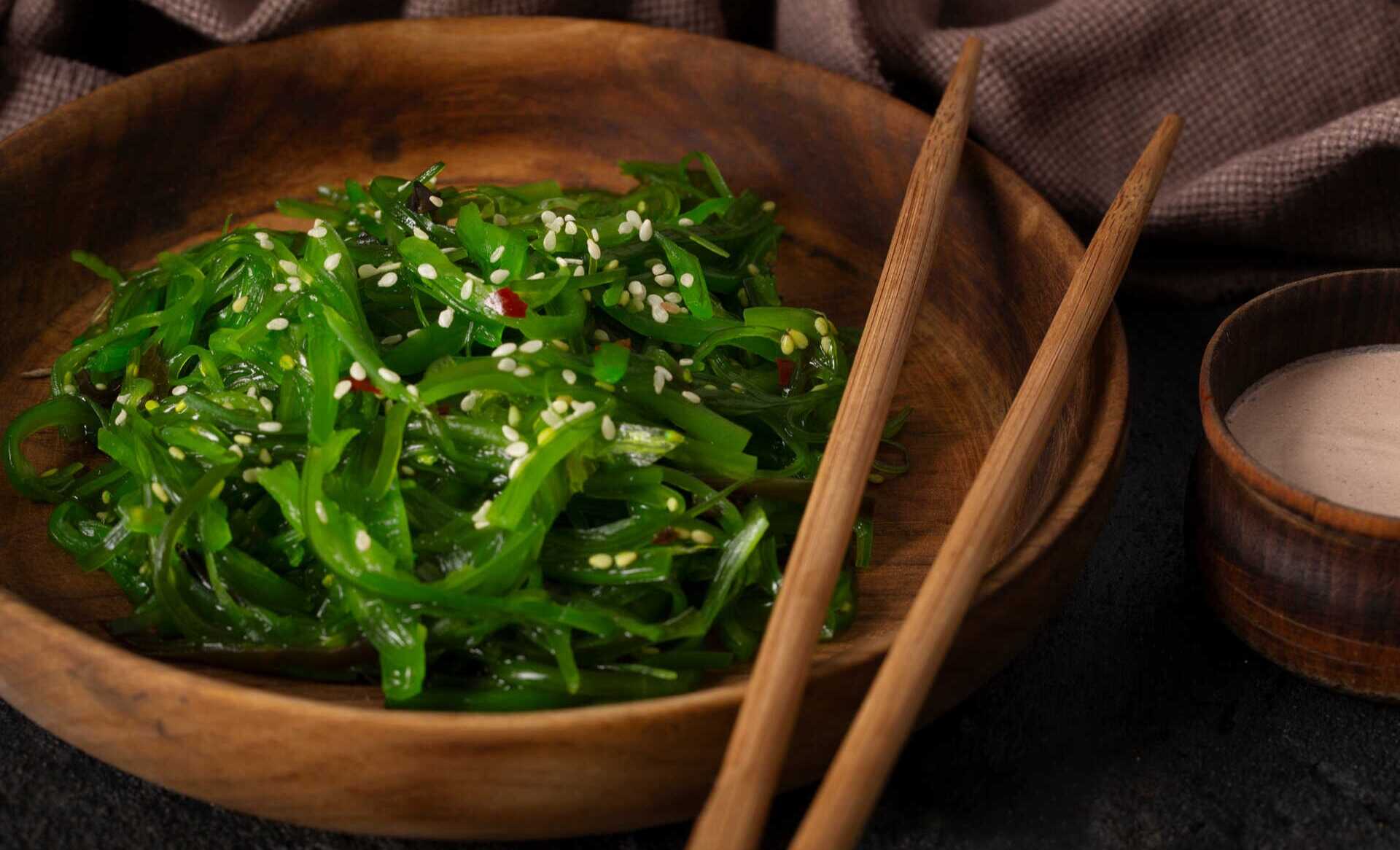
In recent decades, globalisation has resulted in innovative cooking techniques and ingredients, principally from Asia and Latin America. Hitherto unseen ingredients like soy, ginger, avocado, and seaweed now commonly appear on restaurant menus and make up many Spaniards’ home-cooked meals. Contemporary Spanish cuisine continues to assimilate and reinterpret flavours coming from abroad.
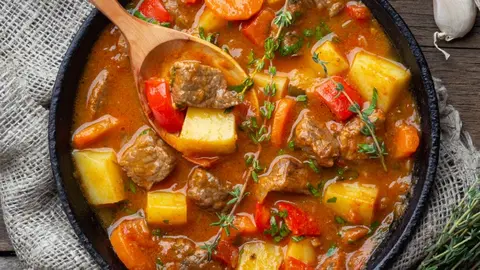
Spanish gastronomy’s rich appeal - the result of millennia of cultural exchange spanning ancient Mediterranean origins, Middle Eastern delicacies, New World edibles and present-day globalisation - is a testament to Spain’s knack for embracing and reinterpreting what comes from afar.
You can also read this article in Spanish here.