The ultimate guide to the province of Barcelona: what to see to understand and enjoy the region
From charming villages and architectural wonders at high altitudes to natural places of incredible beauty, this guide compiles every wonder in the province of Barcelona.
From charming villages and architectural wonders at high altitudes to natural places of incredible beauty, this guide compiles every wonder in the province of Barcelona.
The city of Barcelona is one of the main tourist destinations in the world, and sometimes it overshadows the numerous and diverse other charms this province offers. One must discover the appeals of this coastal and mountainous area; it has some incredible jewels and cultural heritage, but also many natural spaces where one can breathe freely. These are some of the best wonders of Barcelona.

The wonders of Barcelona to experience at least once in life
The Delta del Llobregat, a nearby paradise
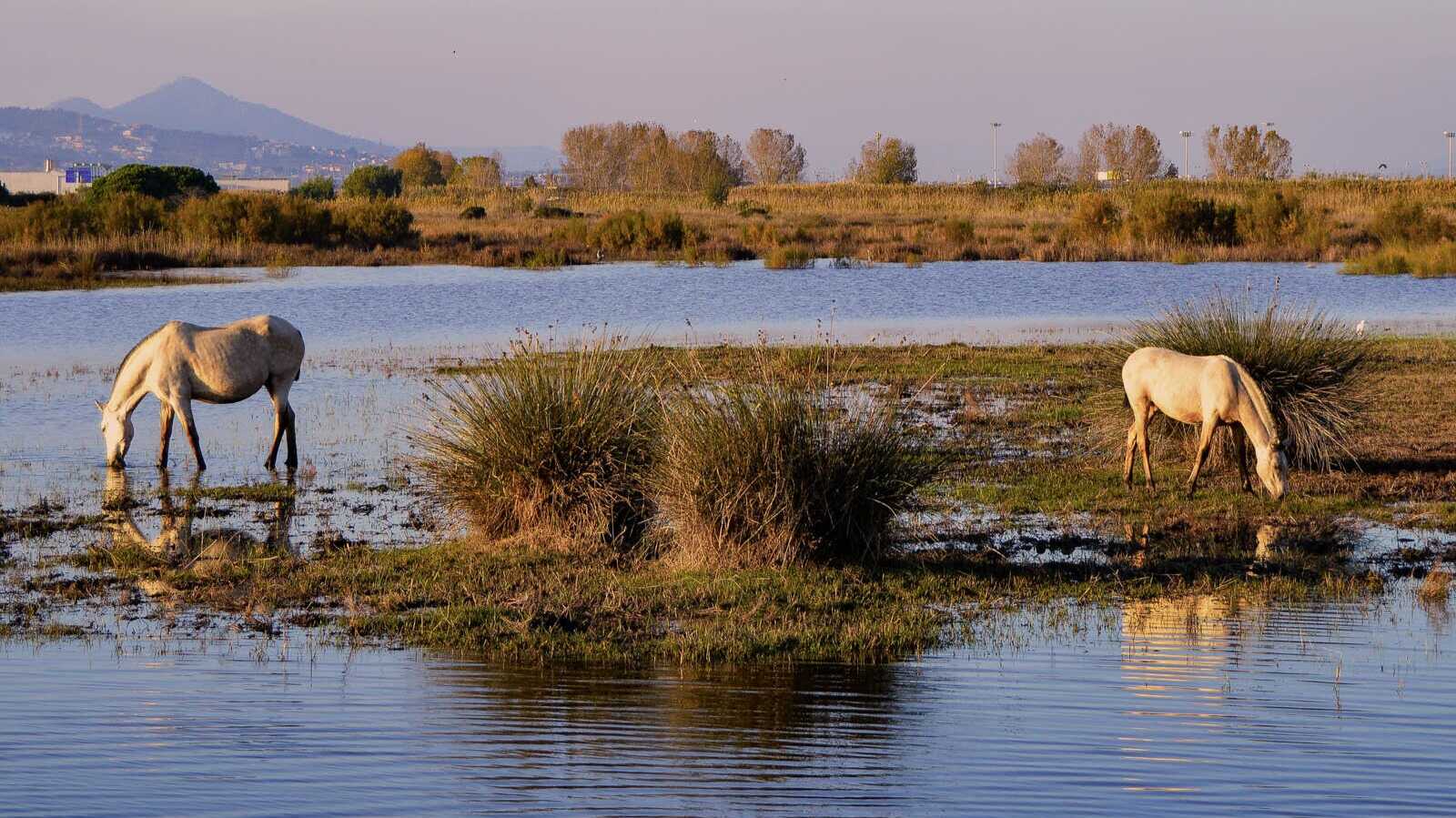
If one ignores the imposing size of the planes that fly over the area, they would not believe its proximity to the airport. The silence is deep, the views spread throughout clean, shiny horizons. The landscapes in this river delta are diverse, but its wetlands, where herons and flamingoes meet, particularly stand out. There are pine forests as well as meadows, dunes, and cane fields, and walking around this protected area means getting away from the bustle of the city. Split between the municipalities of El Prat and Viladecans, there are many corners where one can enjoy the environment to the fullest: viewpoints such as the Semáforo, Bunyola, or Cal Tet; fascinating beaches such as Pineda, Remolar, and Filipines; surprising constructions such as Casa Gomis and the old Cuartel de los Carabineros. Options are truly infinite.
Parc del Garraf, where stone and sea meet
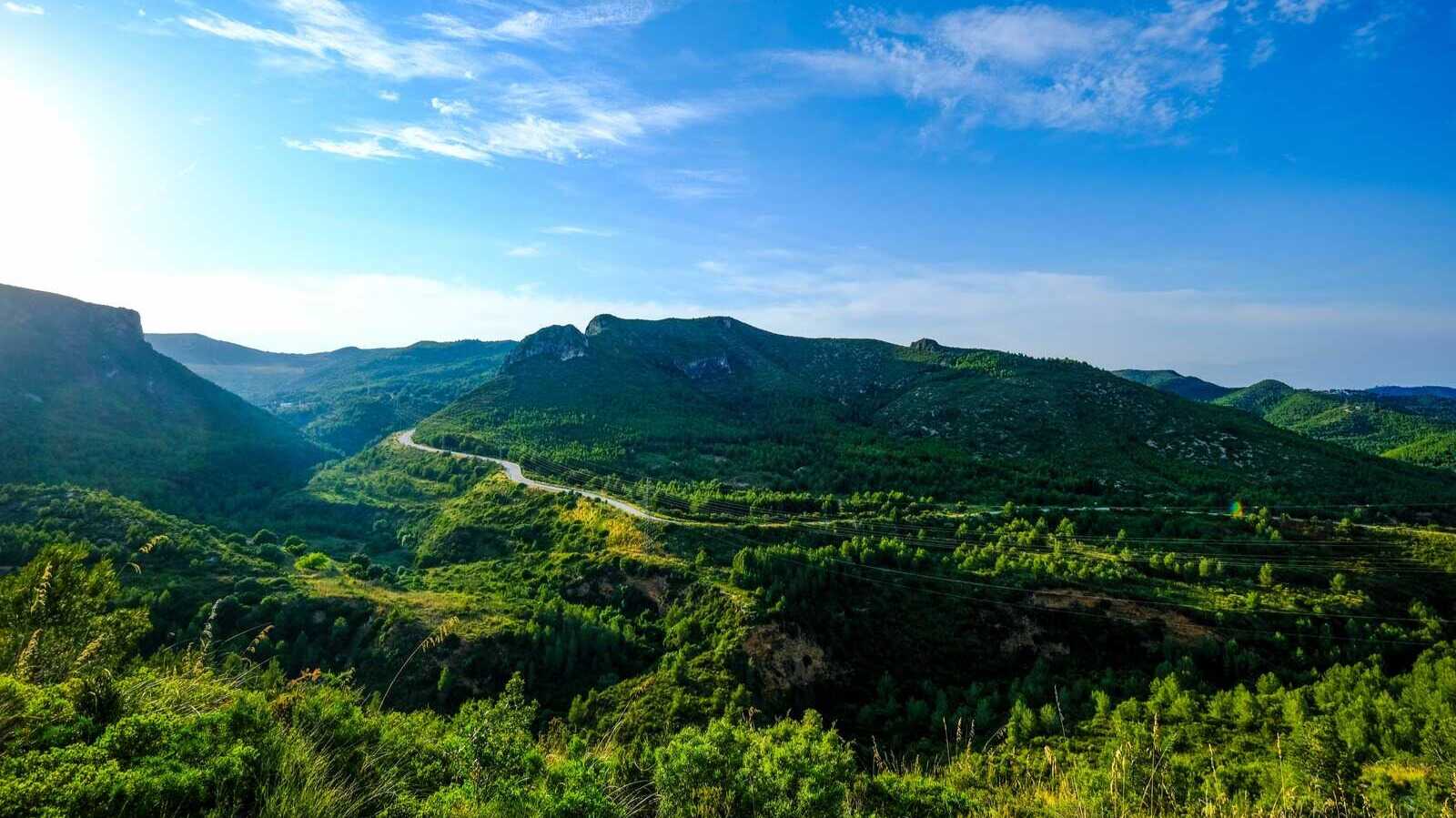
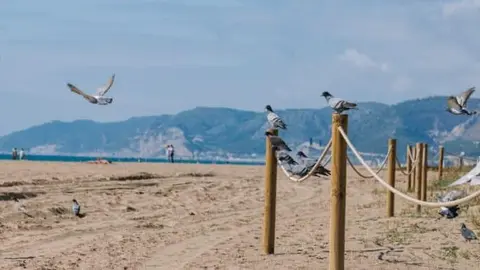
The humble mountain range that rises near the Barcelonese coastline acquires beautiful wavy shapes in the Garraf region, where green covers its rocks. In Parc del Garraf, limestone has shaped caves and pit caves in a sometimes steep landscape that reaches the seaside. Here, one can enjoy singular beaches such as Vallcarca and Morisca Cove. The European fan palm is one of the most interesting vegetal species that can be found in the area, since it is the only plant to be native to the Iberian Peninsula. The park offers endless paths to walk, and there is also a Buddhist monastery near its heart.
The Montseny, a gentle giant
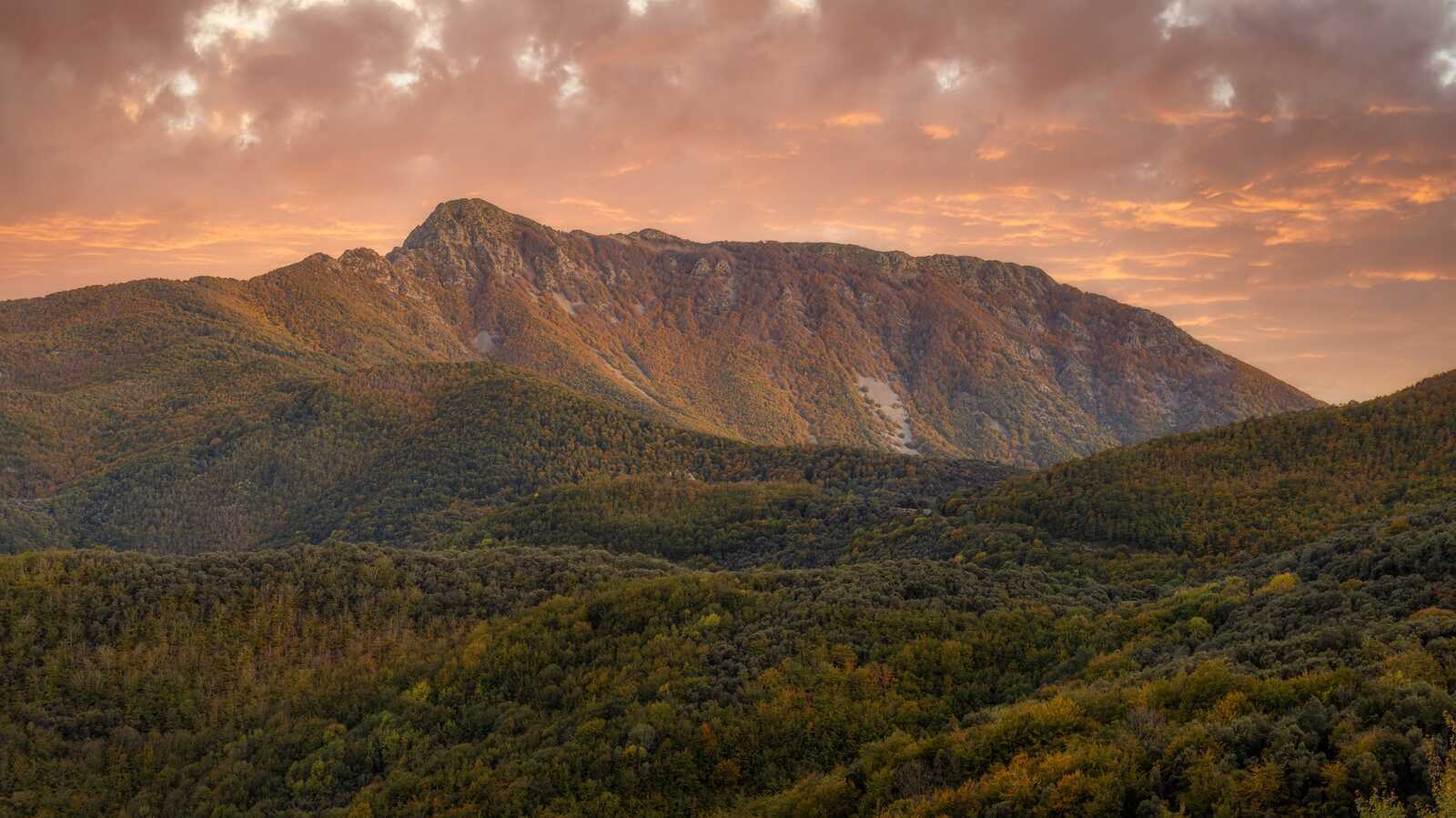
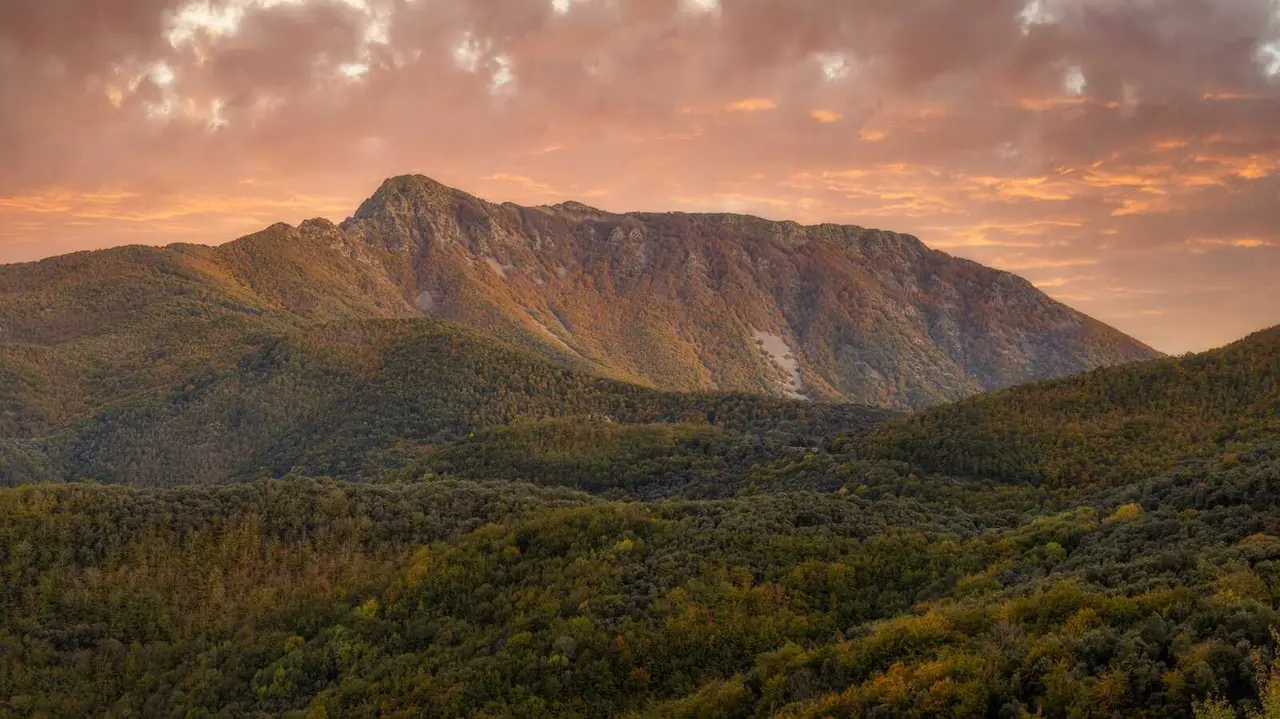
The imposing mass of the Montseny Massif makes it visible from afar, a presence that always accompanies every Catalan person. The Turó de l’Home Peak, with a height of 1712 metres, is the highest in the Catalan Mediterranean System and is tall enough to enjoy a mountain environment near the city. It has splendid deciduous forests and even has the most meridional spruces in Europe. The Montseny Natural Park is a true Catalan institution and has everything needed to enjoy a fantastic day in nature.
Montserrat, the magical mountain
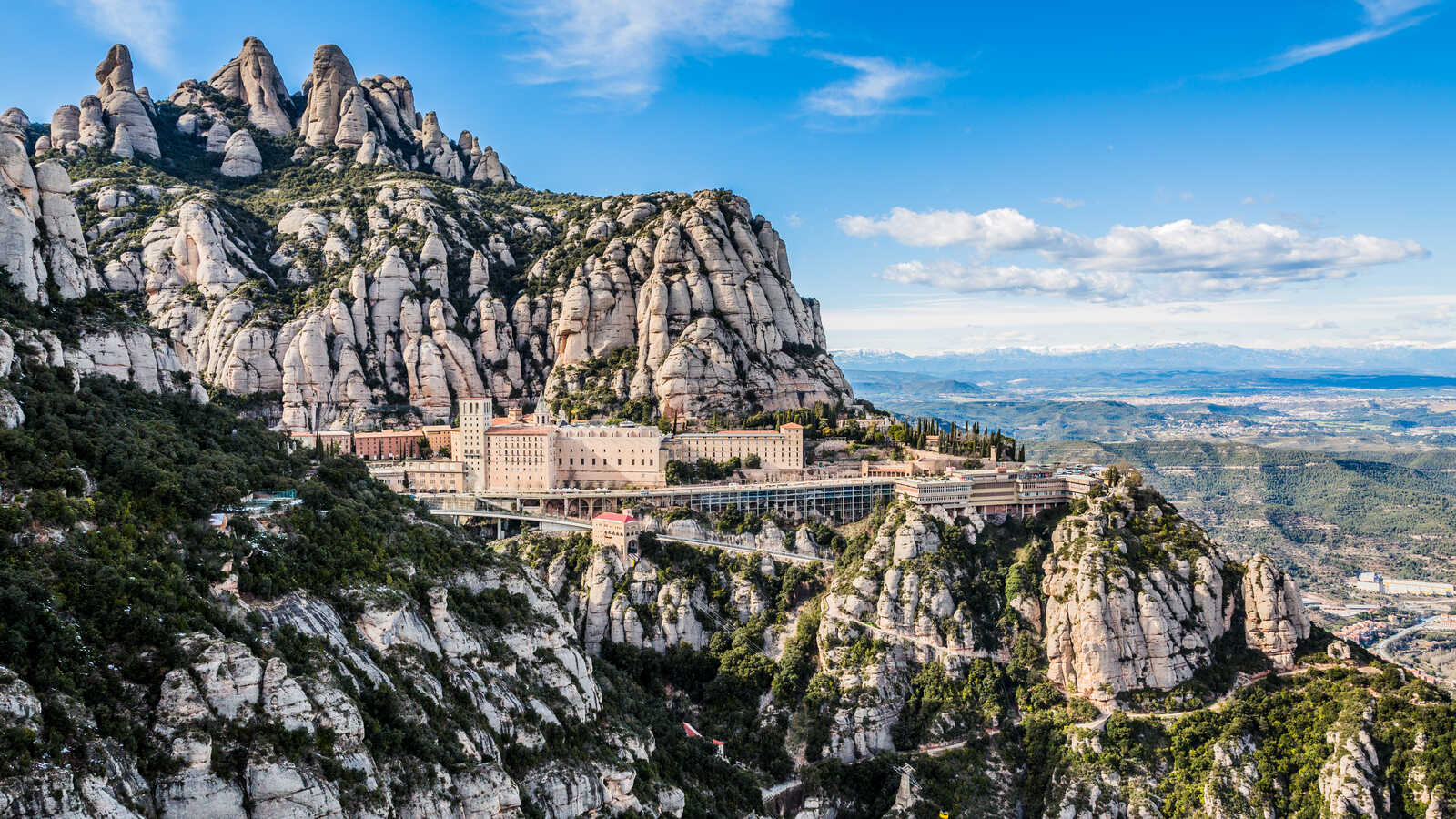
Even if there were nothing more to it besides the strange shapes of its peaks, Montserrat would still be one of the most emblematic places in Barcelona. But this massif, which has fascinated the population since prehistoric times, is home to Catalonia’s spiritual heart and one of the neuralgic centres of its culture. Its patron saint, the famous Moreneta, is the star of the Sanctuary of Montserrat, but so are the children's choir, its monks (and the outstanding cultural labour they have performed over the centuries) and the multitude of paths that allow you to discover this unique space, a mixture of faith, cultural heritage and nature.
Sant Miquel del Fai, a unique temple
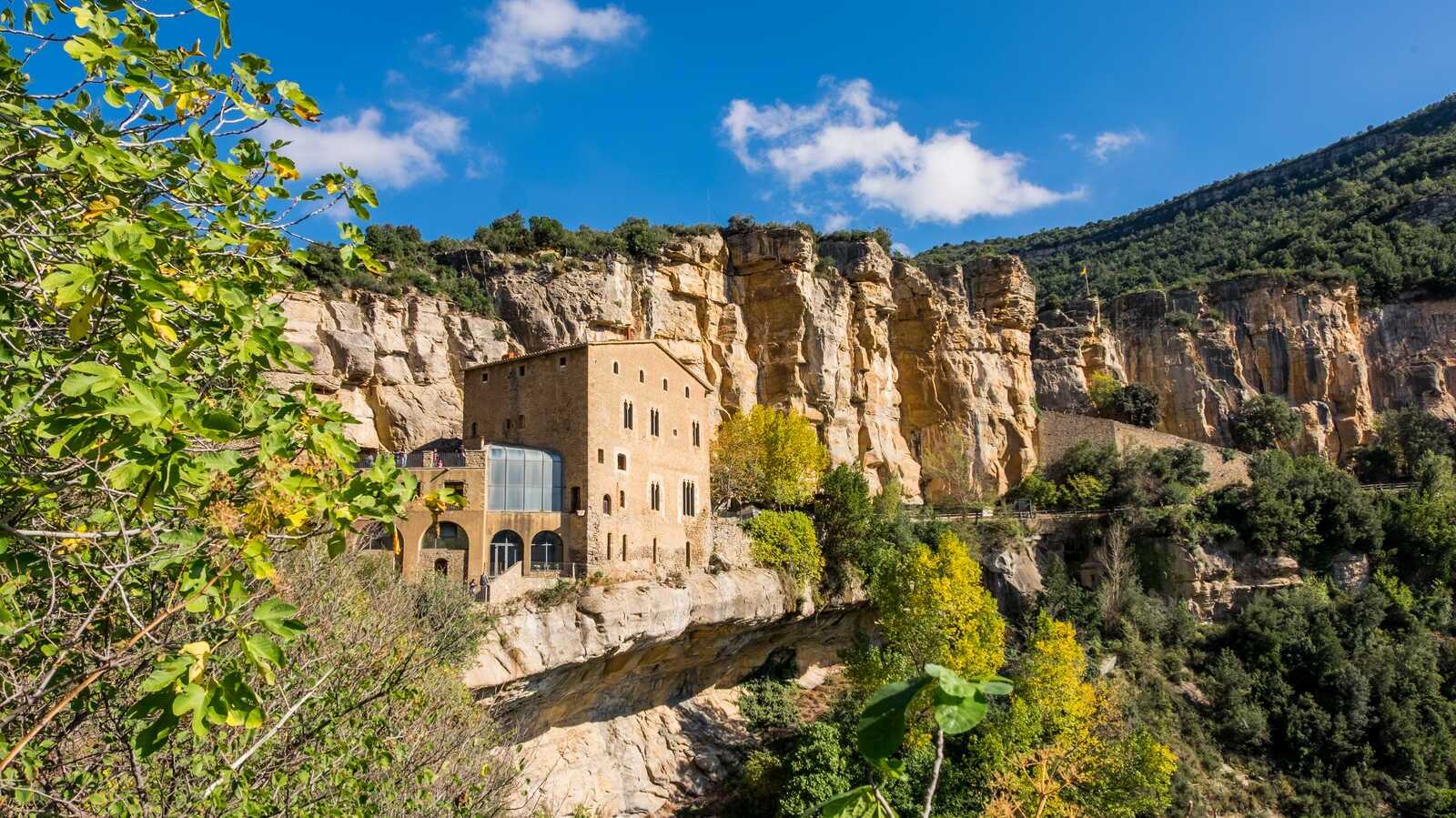
Sant Miquel del Fai is another spot that combines the charm of a splendourous nature, including caves and spectacular waterfalls, with temples as special as Sant Miquel, a troglodyte church built under a large grotto. Just like Montserrat, the origins of this magical place are linked to a community of monks who chose this privileged corner in the Riscos de Bertí as their home. The abundance of cliffs, grottoes, and every other natural wonder makes this spot a must-see of the province of Barcelona, whose capital lies less than an hour away.
Santuari del Bellmunt, touching the sky
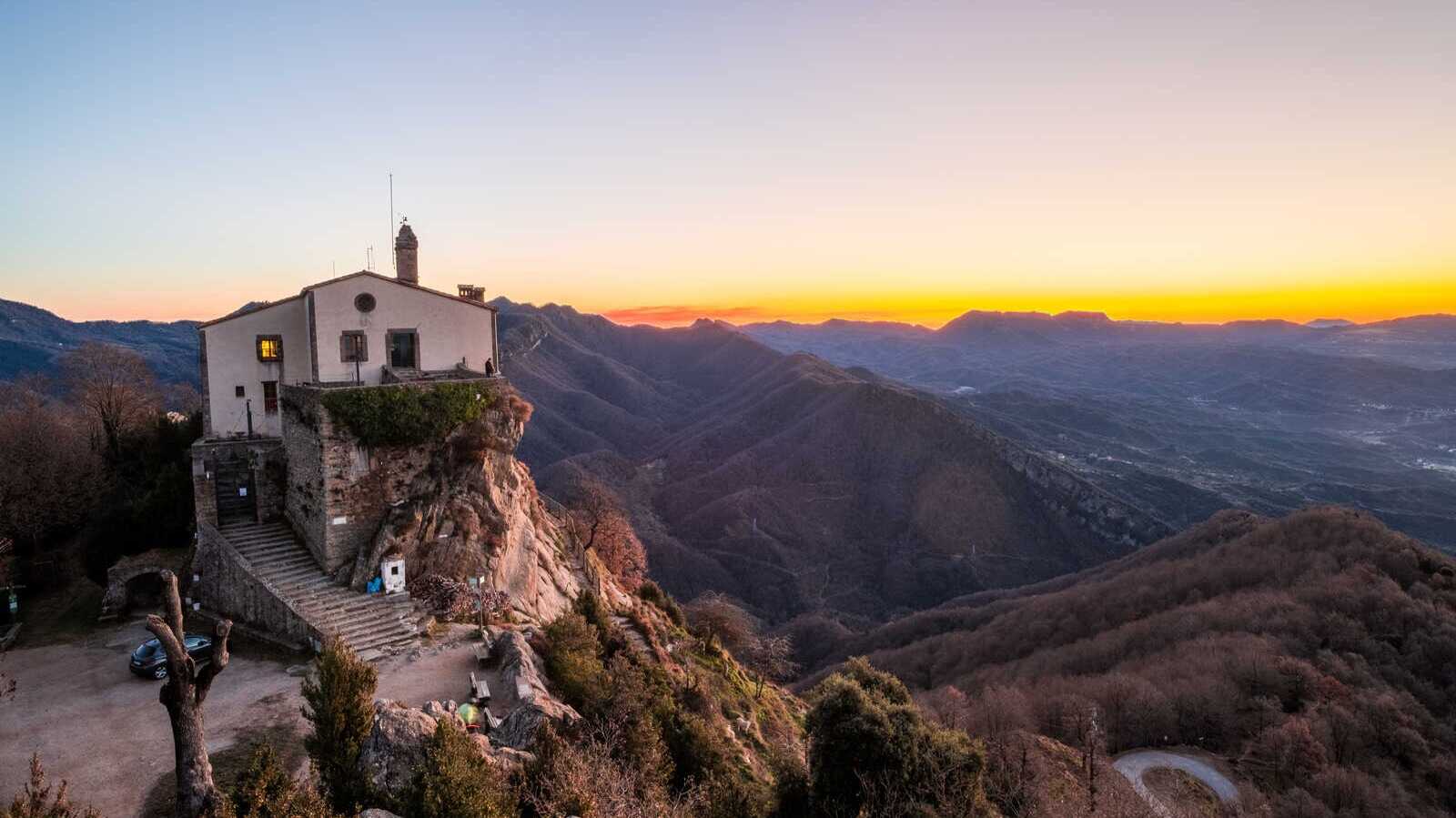
The access to the Santuari de Bellmunt is difficult, a winding road that ascends more than 1200 metres, has turned it into a precious secret near the province’s border. Where there was once a castle, a hermitage was built, containing the wonderful and small figure of the Mare de Déu de Bellmunt. The views from this spot are spectacular. Not only can one see the plan of Vic and its neighbouring valleys, but also the Pyrenees and, sometimes, Montserrat. There is a hostelry on this peak, so visitors can stay longer and enjoy the nearby wonders, which include monumental forests, cascades, and viewpoints.
Rupit i Pruit, two villages in one
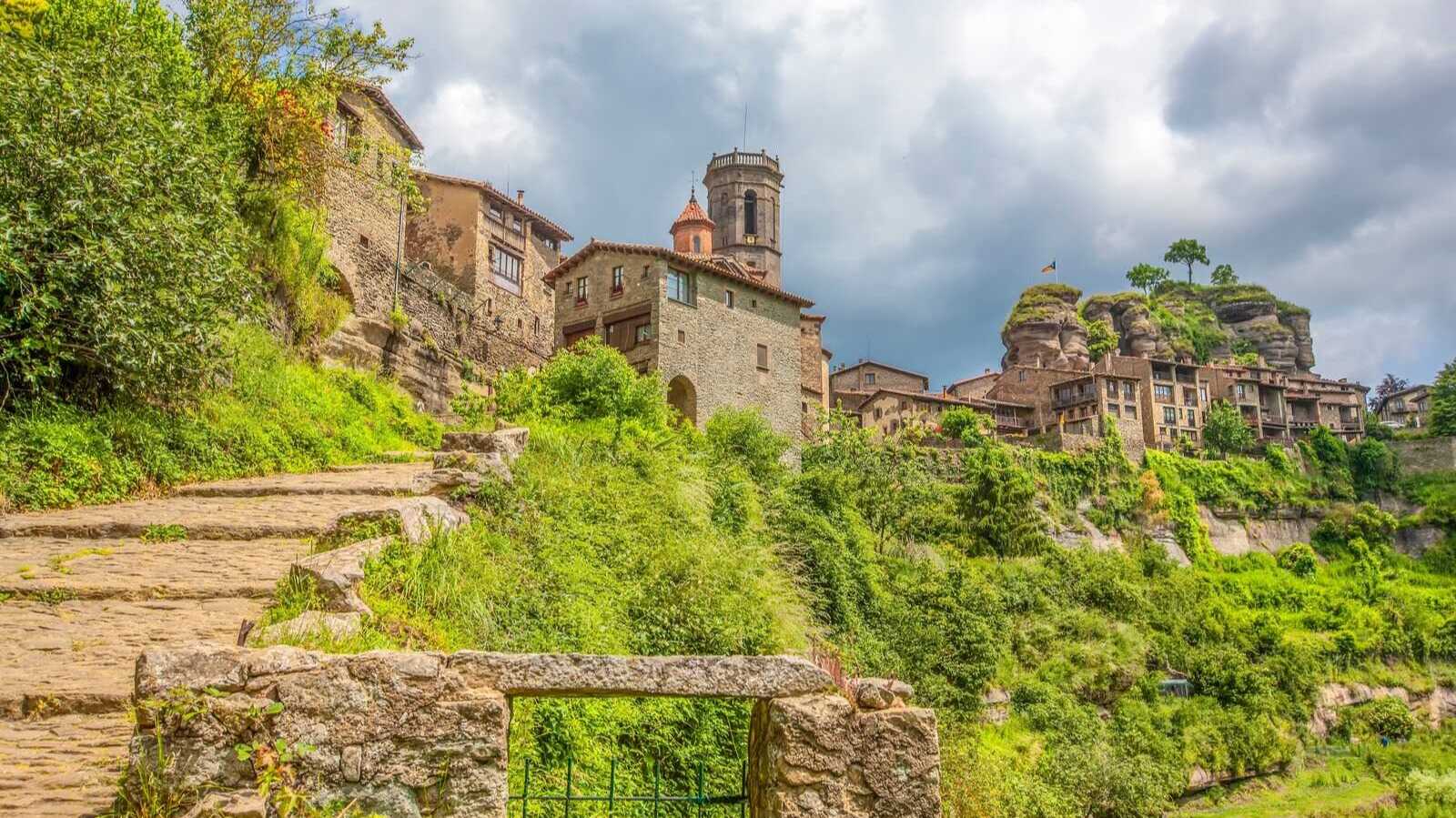
Rupit i Pruit is always mentioned as one of the most beautiful villages in Barcelona. These are actually two villages in one, which offer one of the best-preserved historical town centres in Spain. Many of its houses have stood there for centuries and date back to the 16th and 17th centuries. In spite of their age, they still have an optimal aspect thanks to the inhabitant’s care, and they offer us the possibility of travelling back in time to an old Catalan village. Besides, the access to Rupit i Pruit is a whole adventure in itself, since one must cross a vertiginous hanging bridge.
Mura y Talamanca, a travel back in time
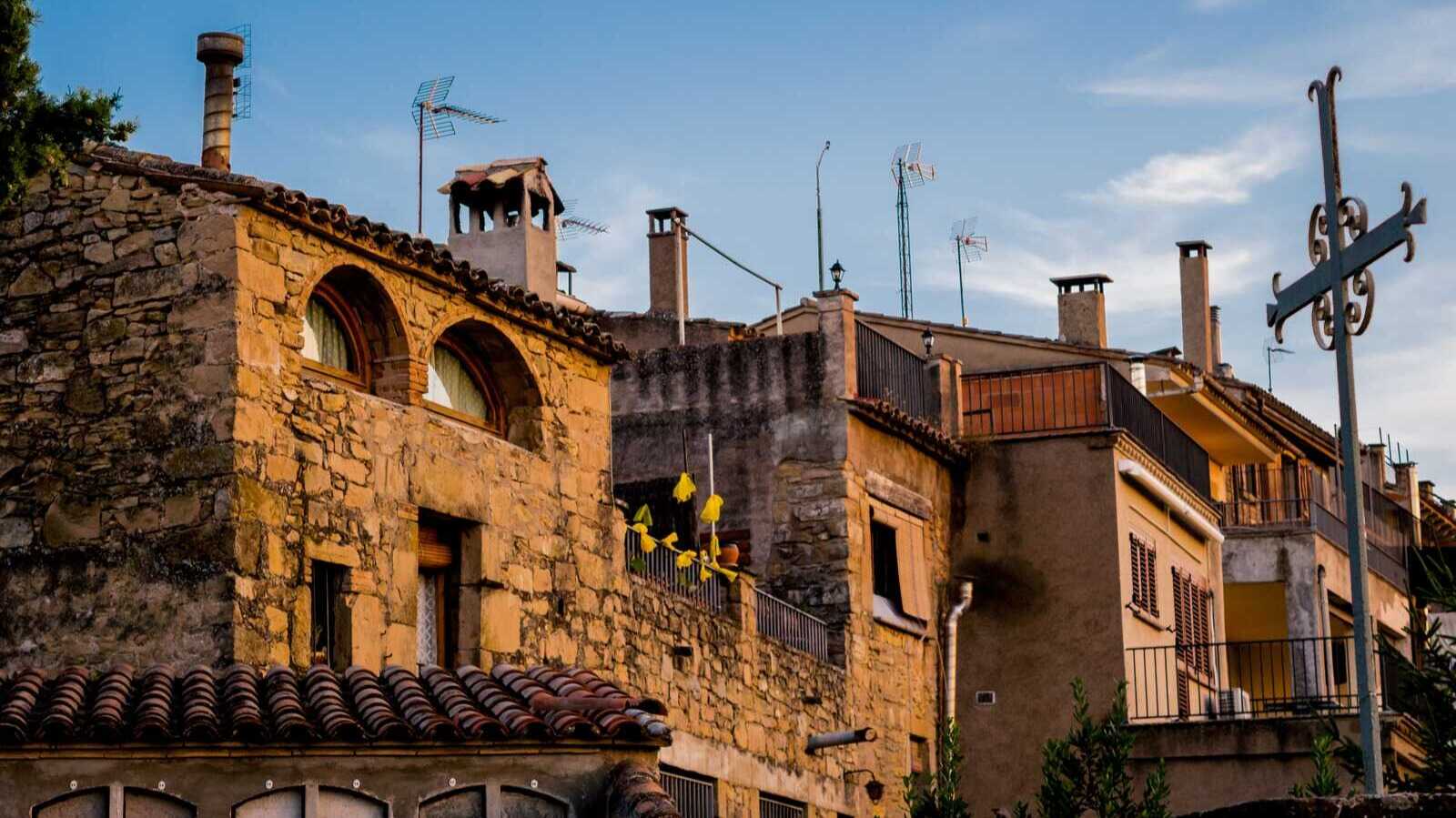
Although these villages are not as close as Rupit i Pruit, there is a short distance between them, nestled in the privileged natural park of Sant Llorenç del Munt i L’Obac, near the border of the Bages region. They both offer beautiful images of a traditional medieval village, reawakened after years of neglect. Neighbours decorate windows and balconies with flowers, bringing life to the millenary stone of the streets, where basically every corner has an evocative power that cannot be matched. But if that were not enough, Mura and Talamanca are two excellent starting points in nature to explore endless surrounding cascades, fountains, and hermitages.
The gastronomy of Barcelona, a must to enjoy the province

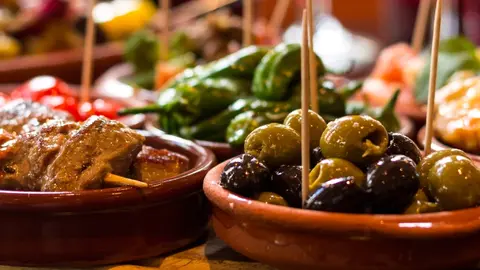
If the province of Barcelona strikes the balance between sea and land, so does its gastronomy. This combination of flavours becomes evident in recipes such as the suquet de peix, a fish and vegetable stew, and the rossejat, another stew that includes rice. The escudella, a meat soup full of flavour, is another popular main dish.
Vegetable dishes also stand out. Some examples include the calçots, usually served with delicious sauces such as romesco, and the escalivada, a side salad of roasted vegetables.
The lighter options can be found as tapas or side dishes. They include the bombas, potato balls filled with meat, and the pa amb tomàquet, which is also a typical breakfast.
Some of the most popular sweets in Barcelona are the cocas and other traditional Catalan delicacies like crema Catalana.
More recommendations to enjoy Barcelona
Where to sleep in the province of Barcelona
Sleep in El Eixample - Barcelona
Sleep in El Born and the Parc de la Ciudadella - Barcelona
Where to eat in the province of Barcelona
Eating in the Gothic Quarter - Barcelona
Eating in La Barceloneta - Barcelona
Eating in El Raval - Barcelona
Eating in Montjuic - Barcelona
Eating in El Eixample - Barcelona
Eating in El Born and Parc de la Ciutadella - Barcelona
Eating in Sant Cugat del Vallés
Eating in Vilafranca del Penedés
Eating in Sant Sadurní d'Anoia
Eating in Vilanova i la Geltrú
Follow us on Facebook to discover more fascinating places in Spain!
You can also read this article in Spanish here.