Spies, Nazi gold and an underground laboratory: the Canfranero Line's mysterious terminus
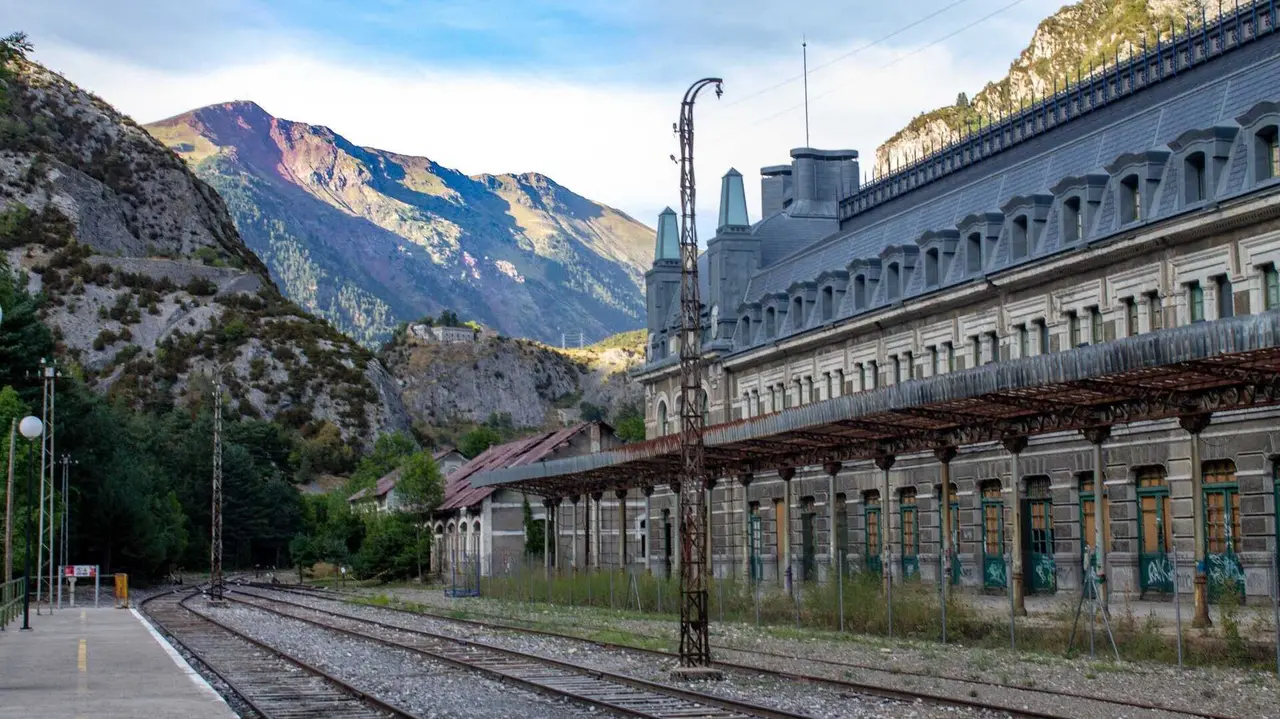
Line 56 - popularly known as the Canfranero Line - serves as both a railway line and a destination. This iconic train line currently connects Zaragoza with the town of Canfranc, located along the Aragonese-French border. Whilst today the rail link provides an excellent way to appreciate the stunning scenery of the Aragonese Pyrenees Mountains, fifty years ago, the rail line continued across the frontier into France.

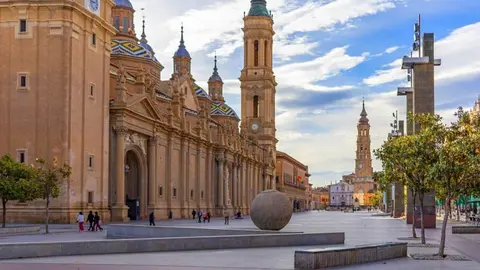
A good part of the route follows the original rail lines inaugurated in 1928. Reassuringly, this vast and diverse landscape of serene valleys and awe-inspiring peaks has changed little since then. Owing to rugged terrain and the railway’s path, extraordinary engineering was required to create public works that continue to function and astound to this very day. After a two-year renovation and eighty kilometres of new track along the Huesca-Canfranc section, the Canfranero Line returned to service in June 2025.
A short history of the Canfranero Line
The idea of an international rail link between Spain and France - particularly, between the cities of Zaragoza and Pau, France - first came about in the 1850s when both countries favoured the idea. King Alfonse XII inaugurated construction works in 1882 and the rail line was formally opened some fifty years later.
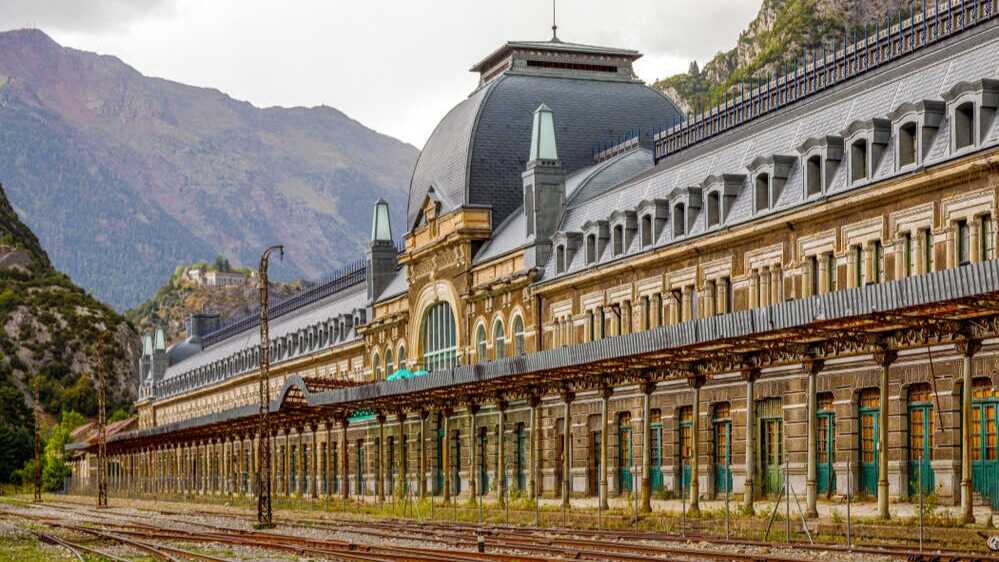
The rail link served both countries for the next fifty years, fomenting the development of towns and villages along its route. All that changed, however, in 1970 when a cargo train derailed in France, resulting in the collapse of a bridge. Shortly after the disaster, cross border travel ceased and subsequent attempts to reopen the line never came to fruition. In the meanwhile, though much of the rail network on the French side of the border remains in good condition, other sections have fallen into disrepair or succumbed to the elements.
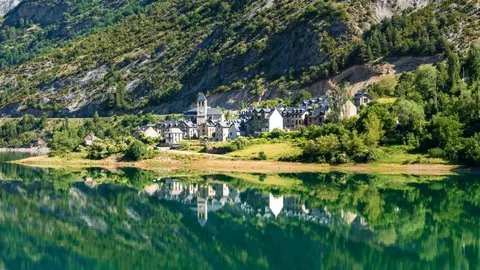
The role played by Canfranc Station - today the final stop of the Canfranero Line - during the Second World War merits a curious historical footnote. The area was popular among Nazi officials, many of whom settled in the area along with a sizeable portion of ill-gotten gold. Though far from the frontlines, the surrounding area was also a key enclave for spies, French partisans and Jews seeking to escape the war in Europe.
Train to paradise
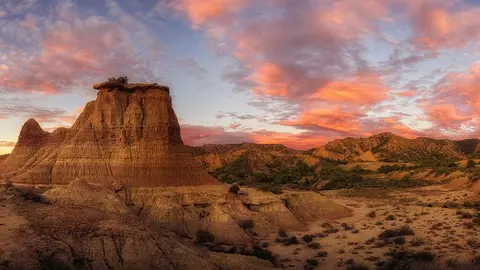
Departing from Zaragoza, the first leg of the journey traverses the semi-arid landscape of the Monegros Desert. Efforts at repopulating the area led to the growth of new villages and the revitalization of this arid region during the last century. The 877-metre-long aqueduct at Tardienta, an astounding feat of early twentieth century engineering, still stands today. Incidentally, Tardienta has the distinction of being Spain’s smallest village with a high-speed rail service station.
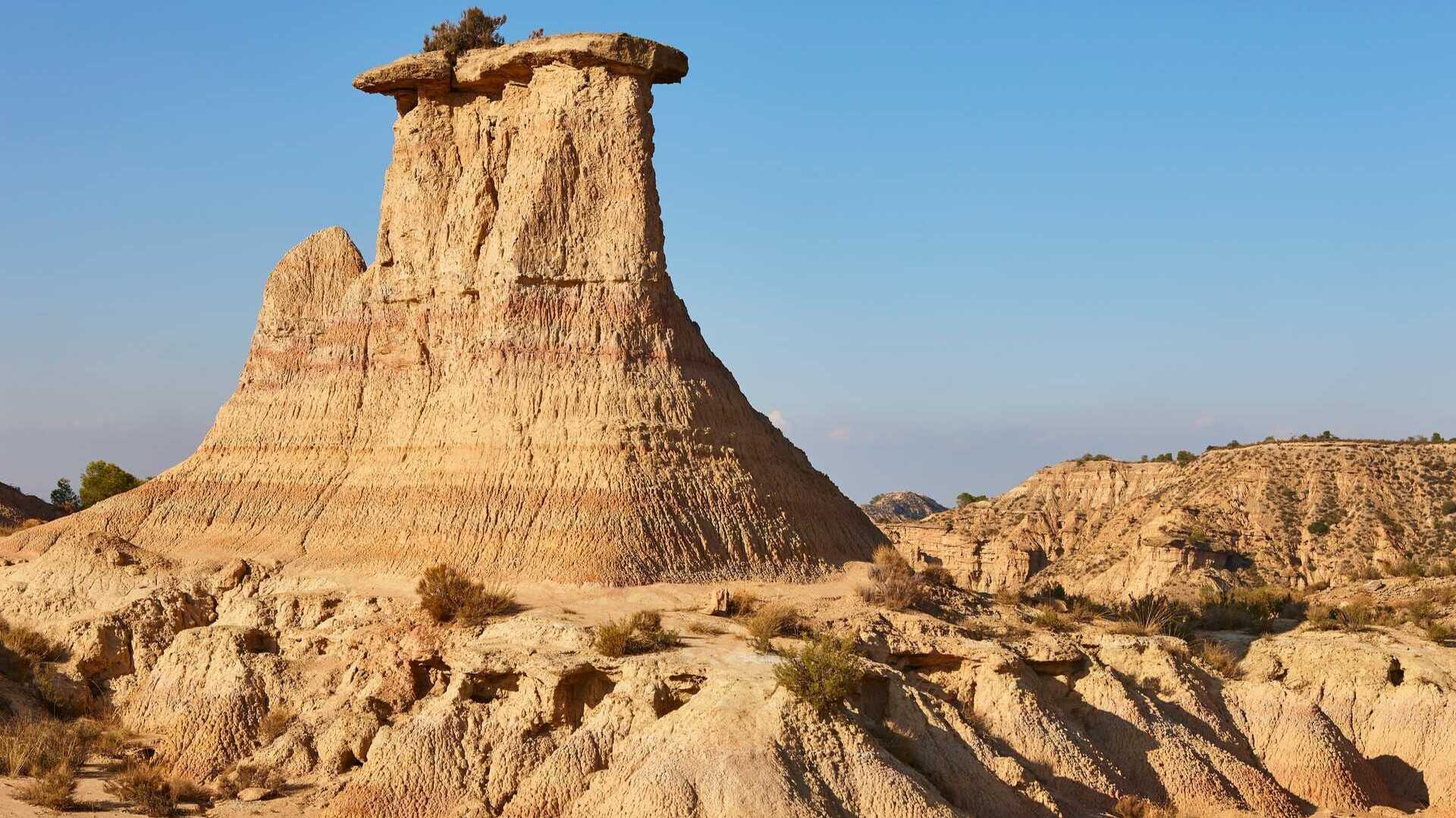
The next big stop is Huesca Railway Station and a stretch of rail line that has been in use for the last 150 years. Nowadays, the Canfranero Line rolls along the same rail line as the high-speed rail service. Here, the next leg to Jaca embarks on a dizzying course, using the construction carried out at the end of the nineteenth century by Caminos de Hierro del Norte Company in its efforts to connect Aragón with France.
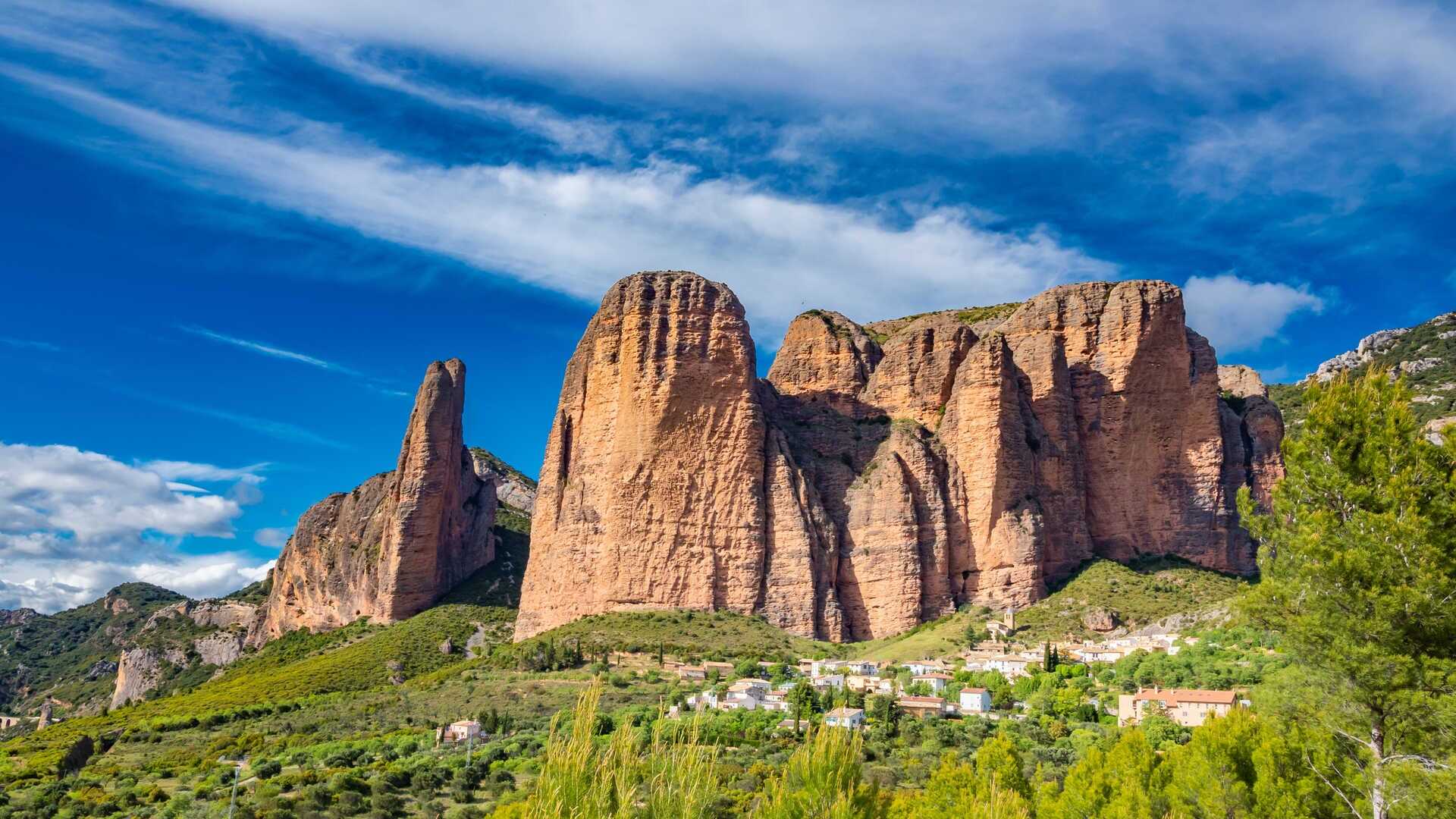
On this leg, the distinctive colours of the Hoya de Huesca region and the abrupt changes of terrain are truly astonishing. Characteristic train stations from the age of the steam engine sit nestled among vast breathtaking nature. The Mallos de Riglos - unusual geological formations of smooth rockface that attract climbers from around the world - should not be missed. Here the Canfranero Line traverses the most mountainous section of the trip and skirts the valley of the Gállego River. The legendary Oroel Rock looms in spectacular fashion as one approaches Jaca.
The final leg connecting Jaca and Canfranc, which has been in service since 1922, climbs a four-hundred metre gradient, where the Aragón River valley offers awe-inspiring panoramas. The left side of the carriage offers the best views to experience the breathtaking sensation of floating far above the ground.
Final stop: Canfranc
Canfranc Station is located on the Arañones Esplanade, whose expanse can be circumnavigated via the footpath running along the slopes called the Paseo de los Melancólicos. As incredible as it may sound, this Modernist style train station extending more than 240 metres houses within a disused tunnel the Canfranc Underground Laboratory, where scientific research takes place. Though the journey may matter, in the case of Canfranc Railway Station, the destination is equally enriching.
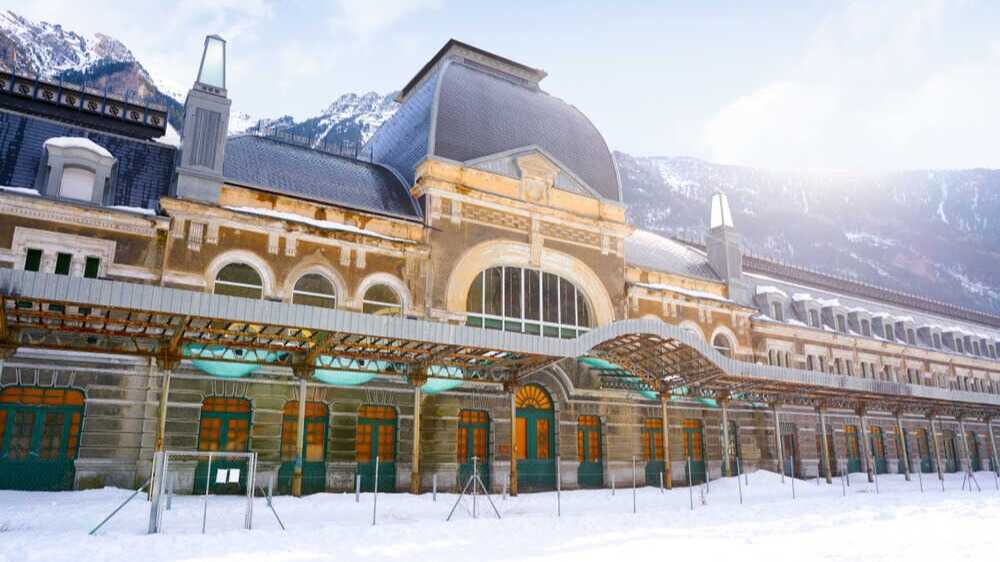
Owing to recent renovations, the 188-mile stretch from Zaragoza to Canfranc Railway Station now makes the journey half an hour shorter. And though Canfranc Railway Station is currently the end of the Canfranero Line, local residents remember the town’s link to France and plans to reconnect the two countries persist. What is certain is that this historic rail line offers an incredible glimpse of paradise set among the rivers and valleys of the Pyrenees Mountains.
You can also read this article in Spanish here.