Remote heights: 7 of Spain’s historic Celtic hillforts
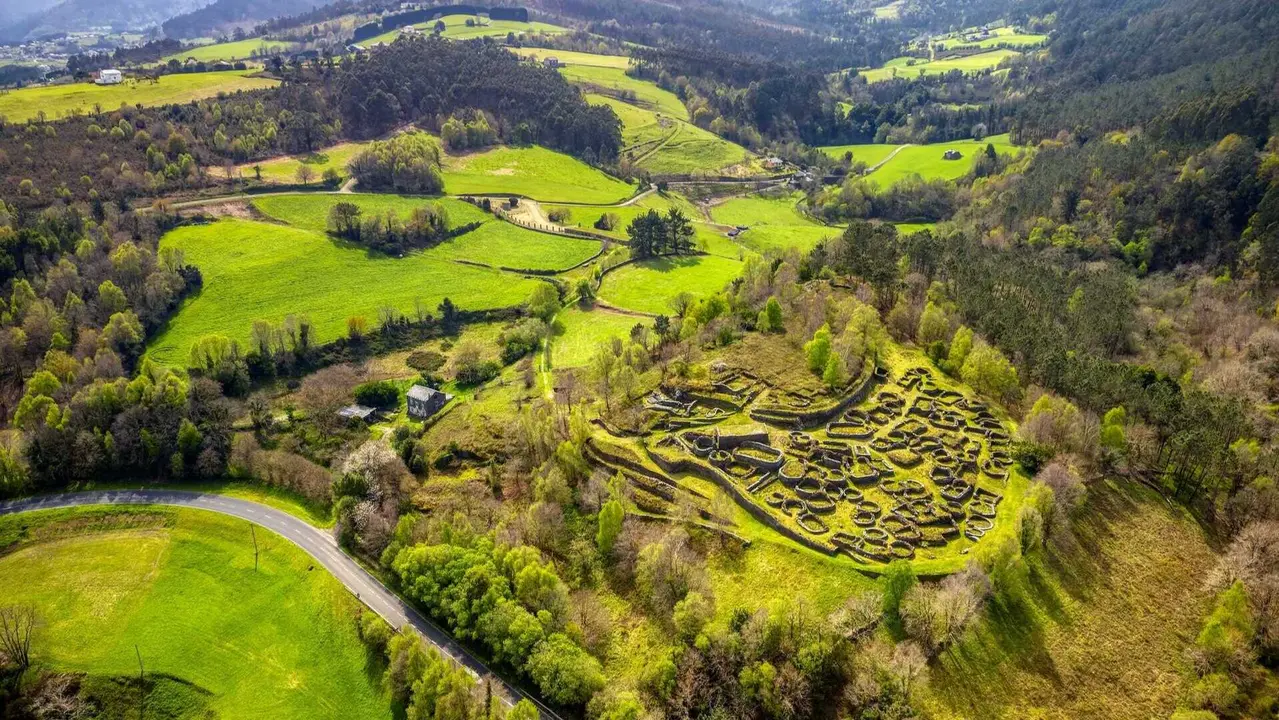
From the misty heights of the wild landscapes of northern Spain lies the fascinating hidden legacy of the ancient Celtic people. Here is a look at seven mysterious Celtic castros or hillforts whose history and traditions endure.

CASTRO DE LAS RABAS (CANTABRIA)
This fortified settlement of the Cantabri tribe, located near the hamlet of Celada de Marlates, was recognised as Bien de Interés Cultural in 2004. Excavations at the site have unearthed an array of relics, making it possible to date this pre-Roman hillfort as early as the fourth century BCE.
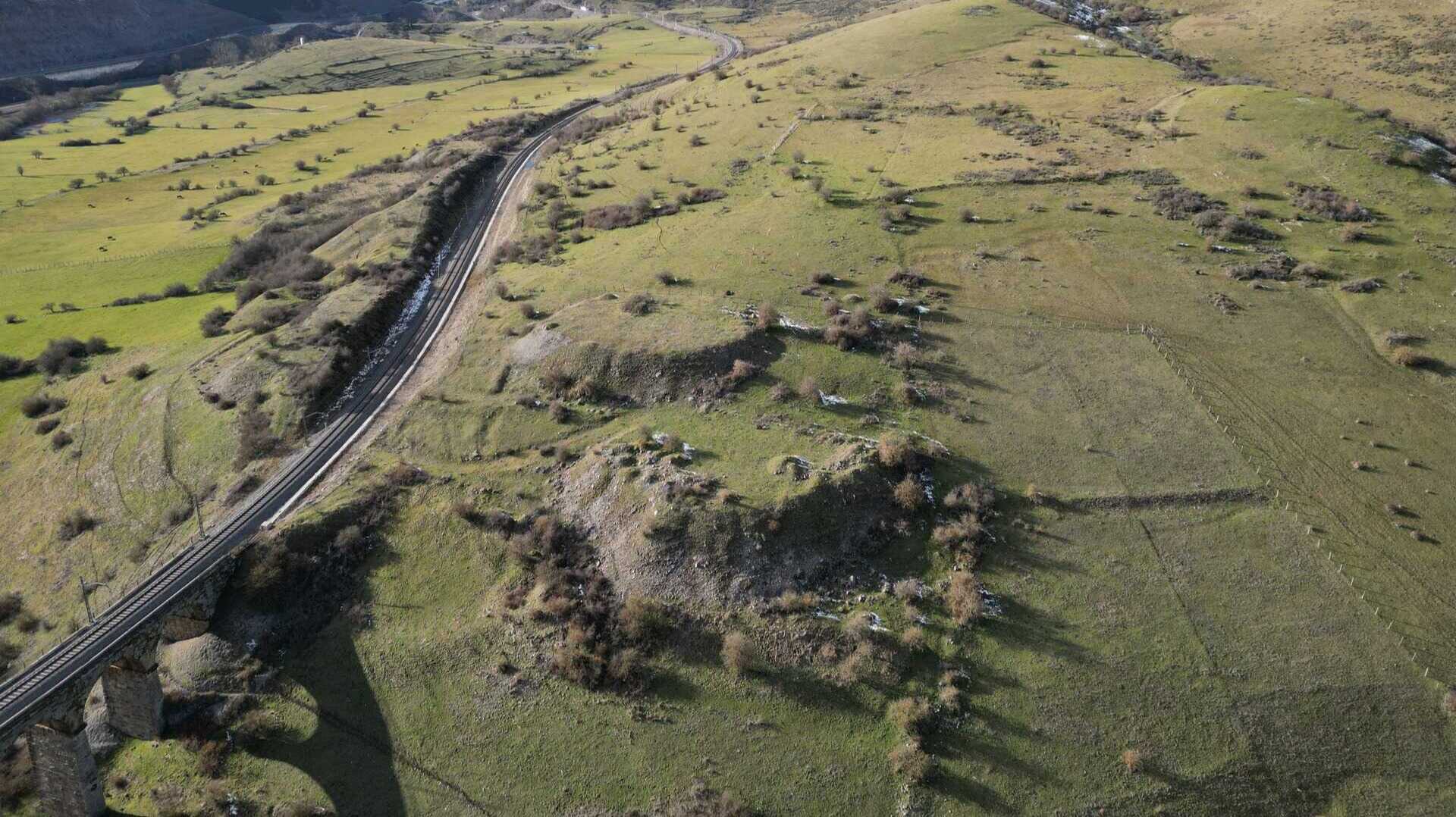
Its peculiar location served the strategic purpose of controlling one of the natural routes between the Iberian Peninsula’s Meseta Central and the Reinosa Basin and ultimately, access to the Cantabrian coast. The Rabas settlement is estimated to have covered at least ten hectares, though excavations are still ongoing.
CASTRO DE COAÑA (ASTURIAS)
The archaeological site of Coaña, a designated Bien de Interés Cultural, sits on the bluffs overlooking the Navia Estuary in Asturias. The province’s most famous castro, the Coaña hillfort is bordered by a thick outer wall and recent excavations indicate settlement started in the fourth century BCE.
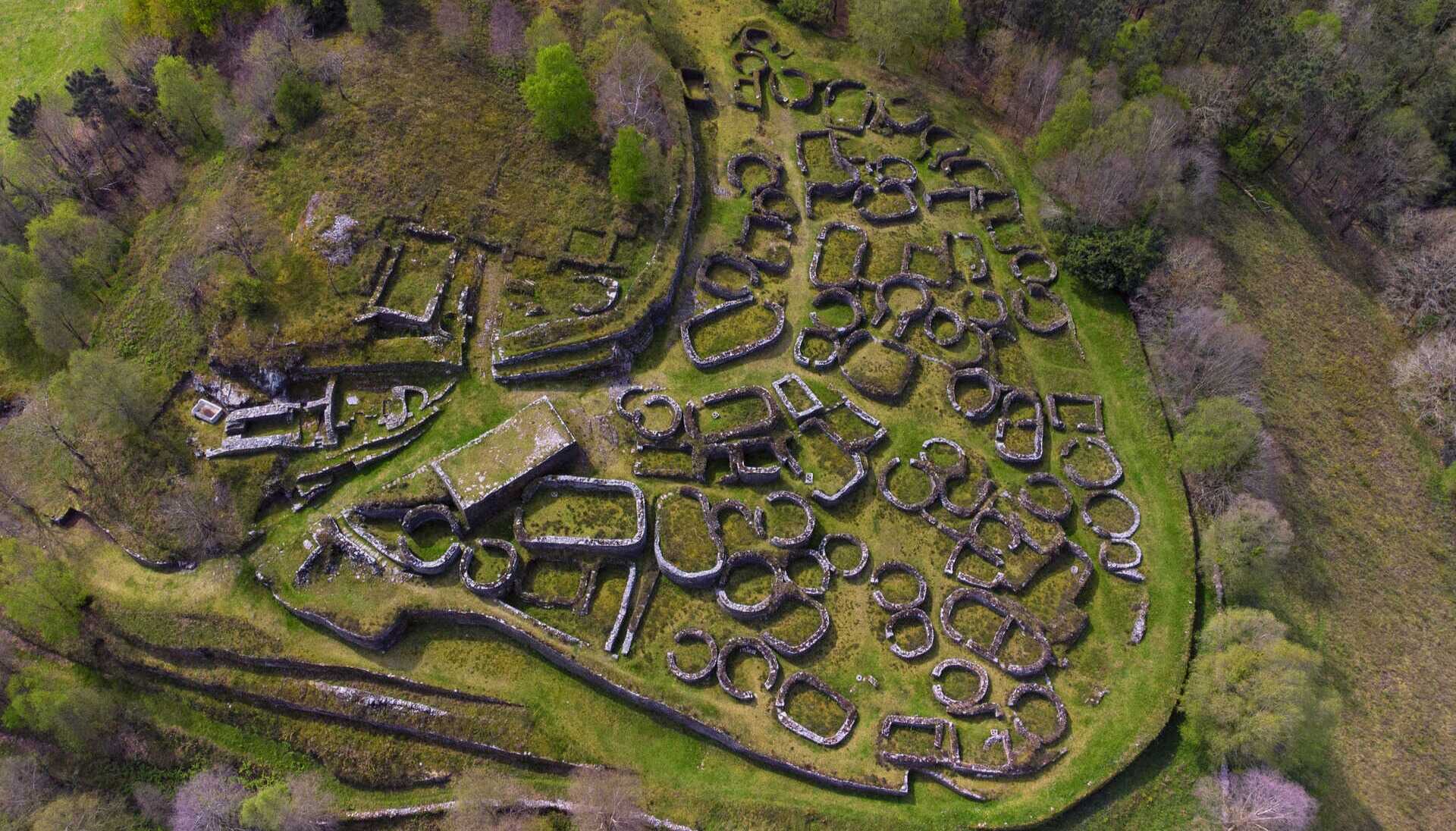
The Iron Age fortified settlement or oppidum of Coaña entailed an enclosure wall, rampart, defensive passageway, turrets, and an additional livestock enclosure. The site reveals the typical Celtic construction materials of slate and mud and a design that incorporated both circular and rectangular floorplans with a porch. As many as 2,000 people are estimated to have once lived here.
EL CHAO SAMARTÍN (ASTURIAS)
Located in the Asturian village of Grandas de Salime, Chao Samartín´s founding dates to the late Atlantic Bronze Age period of the early first millennium BCE and was continuously inhabited until the late second century of the common era.
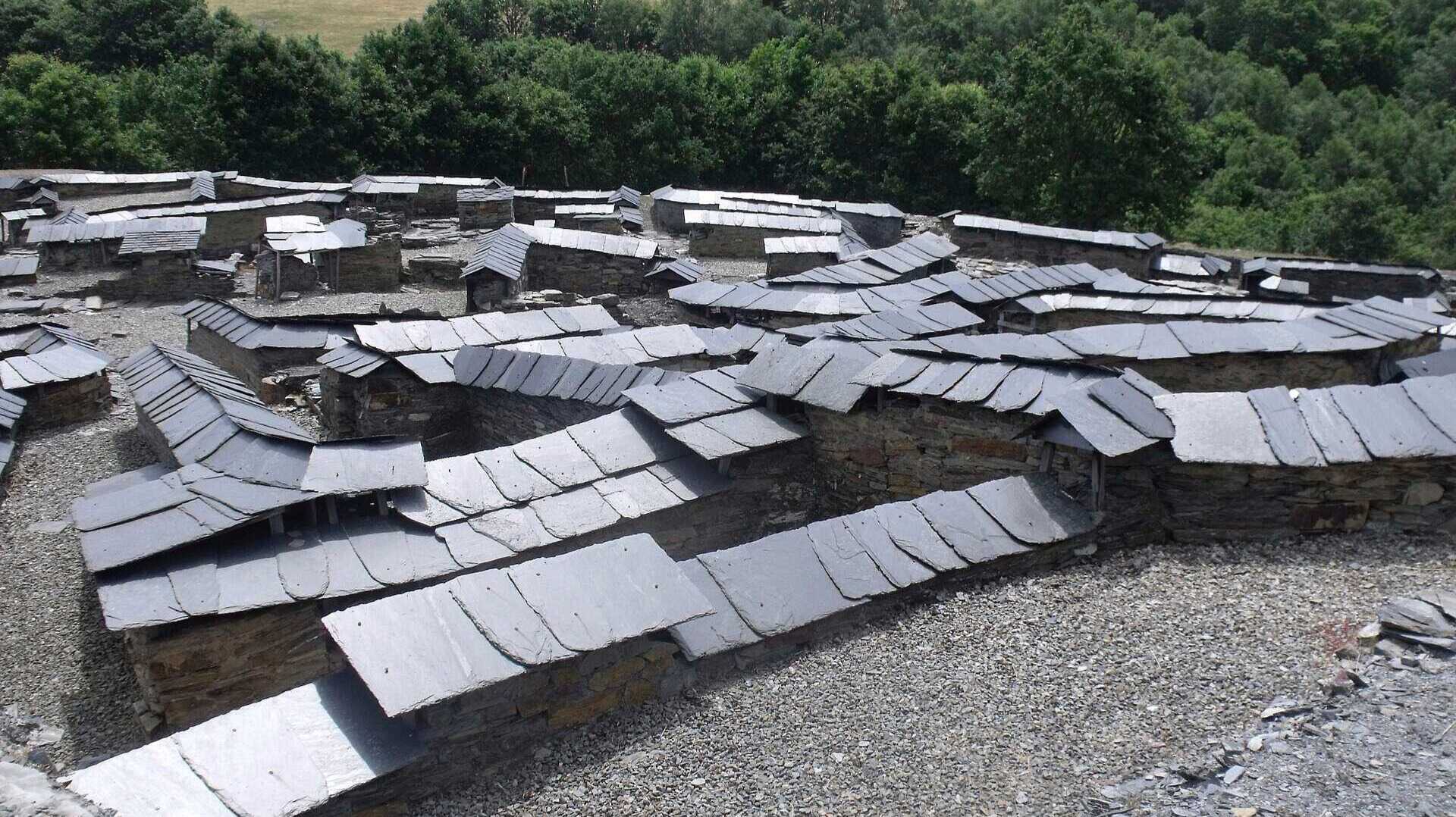
The castro of Chao Samartín consisted of an ancient quarter on the western heights, a Roman home dating from the imperial epoch to the north, and a densely edified sector to the south. Apart from the multi-shaped floorplans customary of Celtic tradition, Chao Samartín site included a paved square and a thermal sauna.
CASTRO OF VILADONGA (LUGO)
The hillfort of Viladonga in Castro de Rei in the province of Lugo reveals a Gallaecian-Roman settlement from between the second and fifth centuries CE. A designated Bien de Interés Cultural, the renowned castro of Viladonga sits on a hill at 500 metres above sea level and is considered to be one of the best conserved such sites in all of Galica.
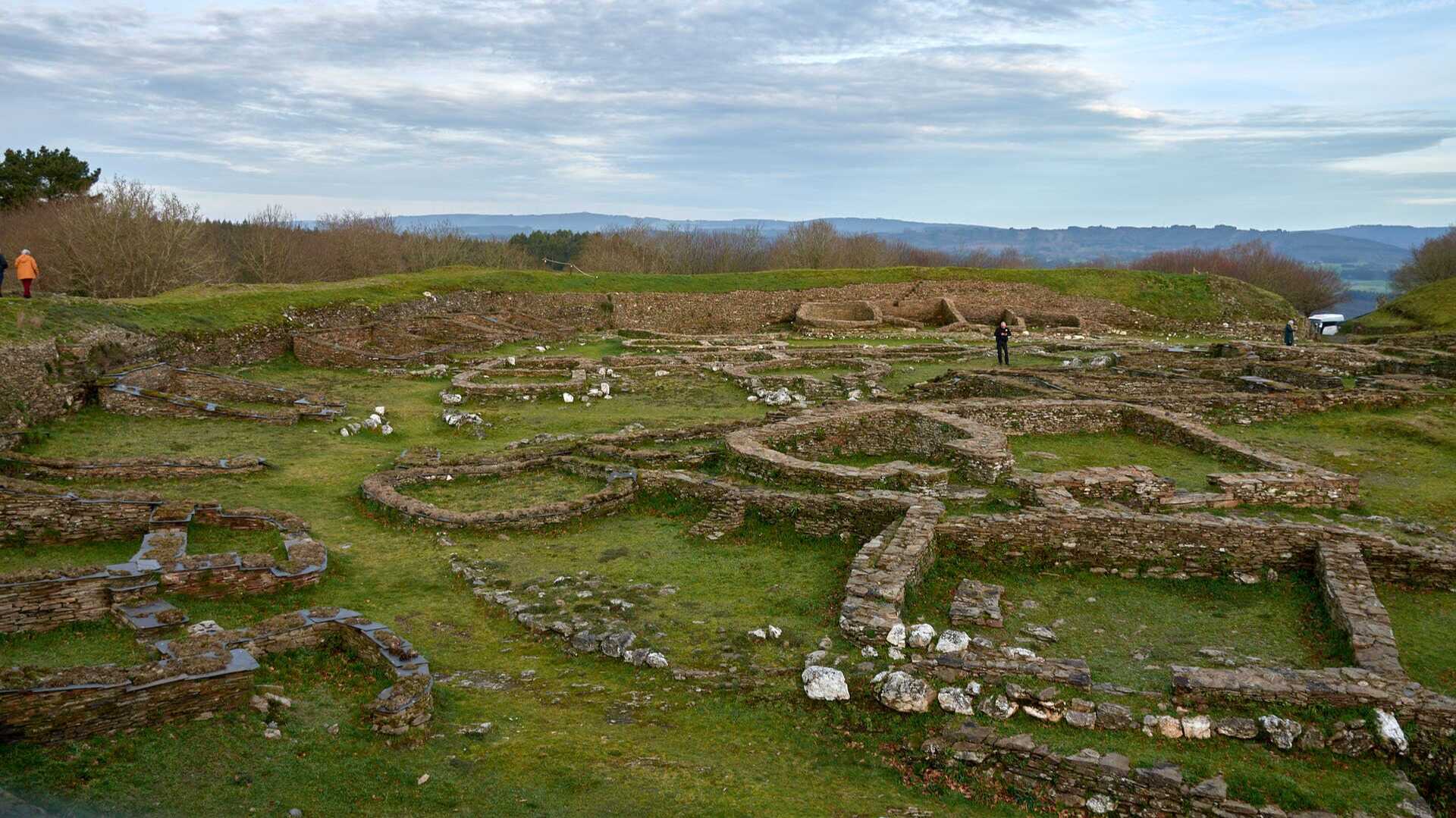
The Viladonga castro covered an impressive four hectares, a fourth of which was occupied by a hillfort on higher ground. The site comprised multiple defensive walls and moats whilst archaeological findings reveal how the castro was organised into quarters dedicated to dwellings, corrals and storehouses, all of which was joined by two artery roads and a byway parallel to the main wall.
CASTRO OF BORNEIRO (CORUÑA)
Castro de Borneiro is an exemplar of late Iron Age Castro culture. This hillfort settlement, located in Cabana de Bergantiños in the province of Galicia, was the first such site to be carbon-14 dated. The results indicate that this hillfort was inhabited as early as the fourth century BCE and show little sign of Romanisation.
Archaeological excavations reveal ceramic fragments, urns made of bronze and iron, stone walls, smelting moulds and even glass beads.
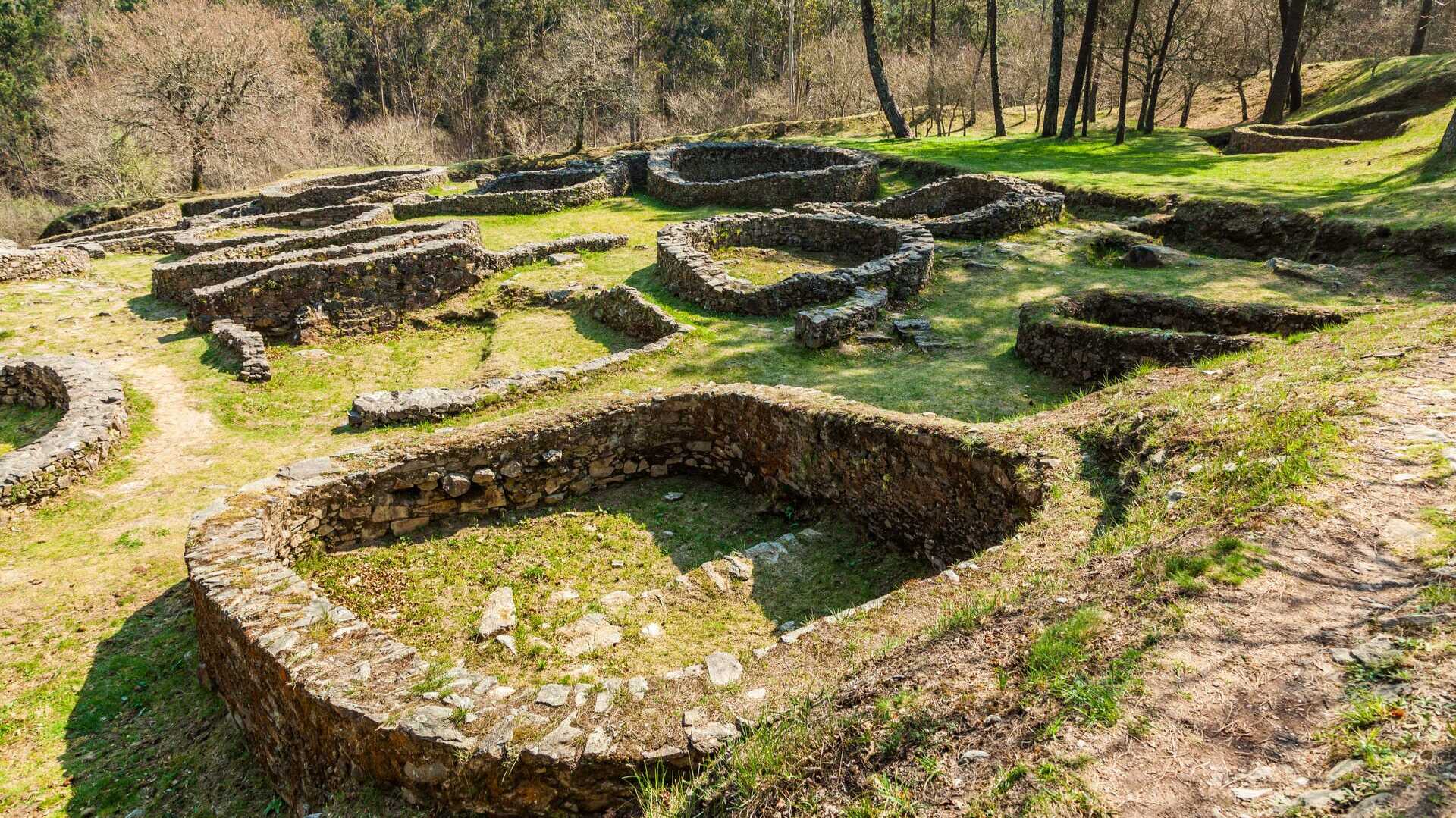
The archaeological site of Castro de Borneiro entails twenty-nine constructions, whose Celtic-styled homes stand out for their sheer size when compared to other archaeological sites. Measuring nearly half a hectare, Castro de Borneiro’s entire perimeter was surrounded by a moat and two defensive walls. Additionally, there existed an extramural quarter, where a grand oval-shaped residence can be found containing two fountains, a drainage system and a round oven.
CASTRO DE BAROÑA (CORUÑA)
On a rocky peninsula possessing natural defensive barriers lies Castro de Baroña. Located in the village of Puerto del Son in the province of Coruña, this fortified settlement forms part of Galicia’s Archaeological Heritage and is considered to be one of the best-preserved Iron Age forts in the region.
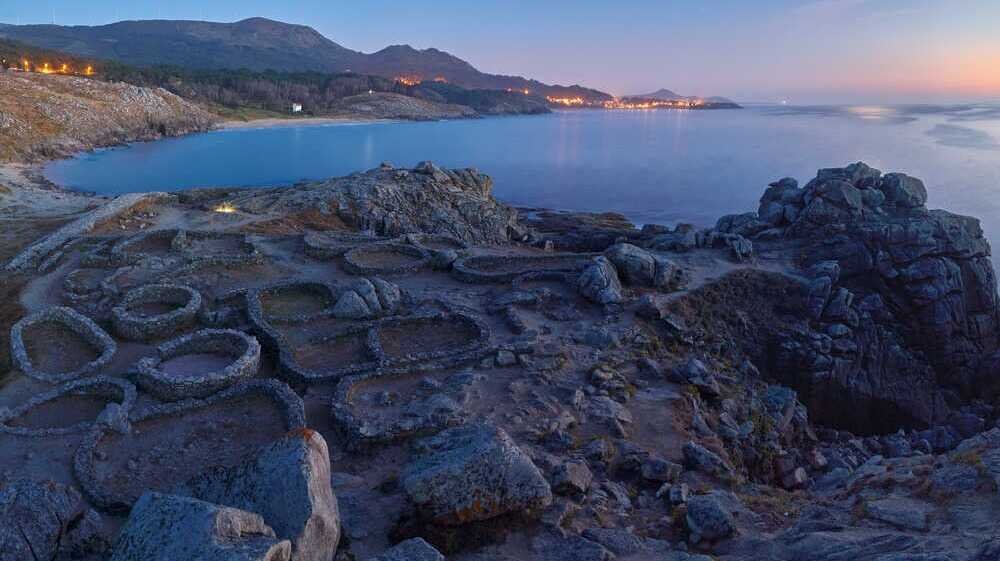
Populated sometime between the two centuries straddling the common era, Castro de Baroña contained two perimeter walls and twenty dwellings with circular and oval-shaped floorplans. The residential intermural area was partitioned into four districts and is noteworthy for its urban planning of roads and squares. Additionally, archaeologists have unearthed tools, ceramics and other quotidian vestiges at the site.
CASTRO DE SANTA TREGA (PONTEVEDRA)
An icon of Castro culture, Castro Santa Trega ranks among the most visited such sites in Galicia. The site is a designated National Artistic and Historic Monument and Bien de Interés Cultural.
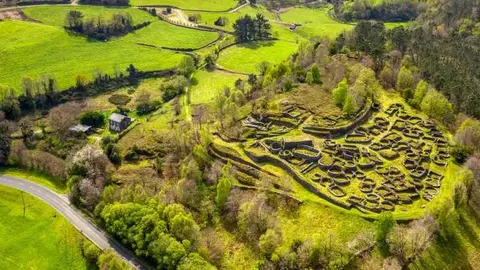


The location of Castro de Santa Trega in A Guarda in Pontevedra Province stands out for its strategic and defensive advantages, notably the choke point of maritime traffic at the mouth of the Minho River.
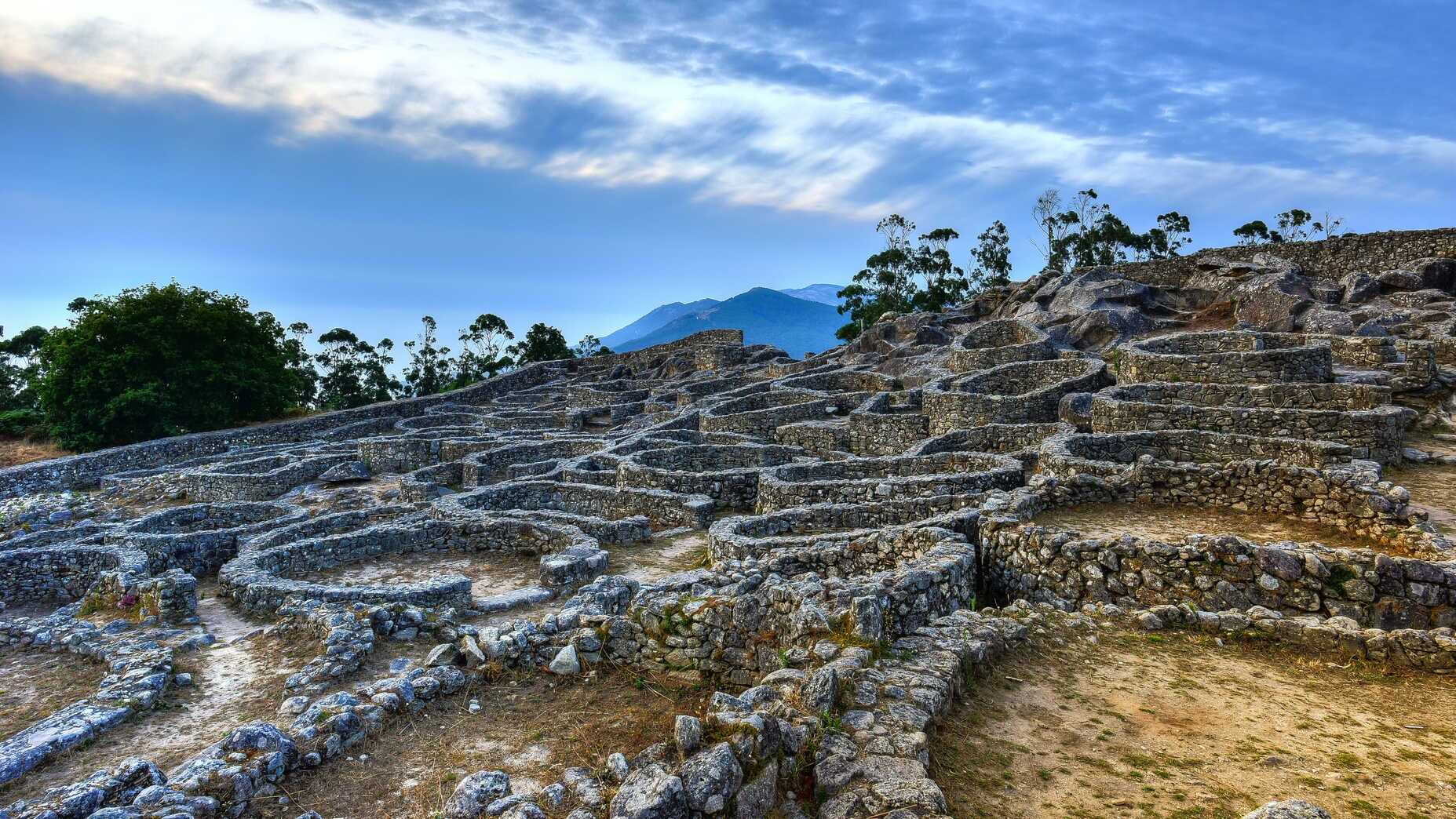
Castro de Santa Trega was one of the largest fortified settlements in northeastern Iberia, reaching an estimated 5,000 inhabitants at its apex. Continuously occupied between the first century BCE and the first century CE, the site reveals a traditional Celtic Iron Age home design and a self-sufficient economy based on ceramics, precious stones, fabrics and tools.
You can also read this article in Spanish and French.
Follow us on Facebook to discover more fascinating places in Spain!