
Hidden gems along the Camino de Santiago: lesser-known stops worth the detour
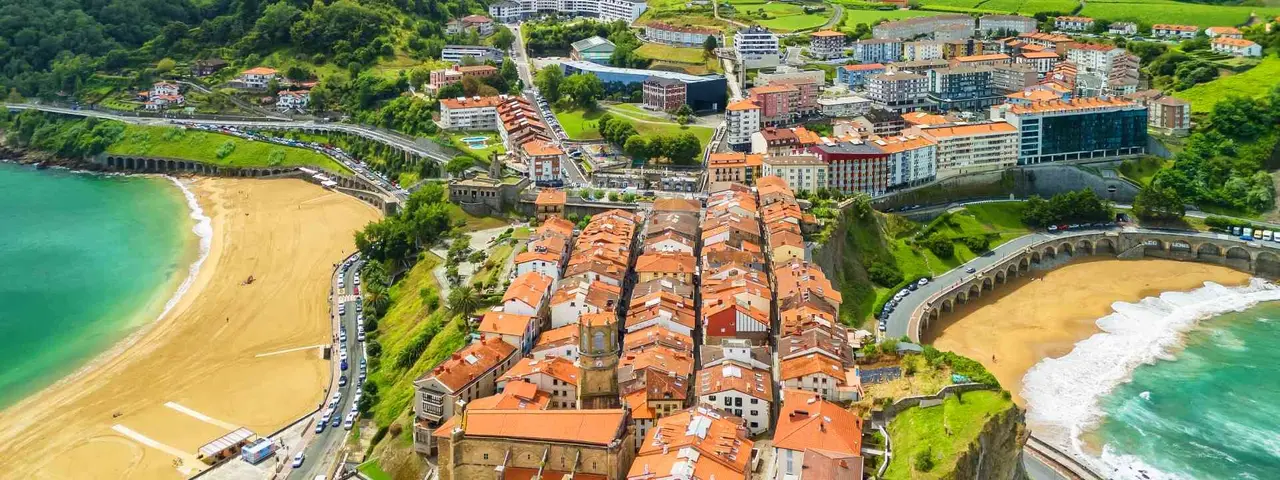
The ancient pilgrimage to Santiago de Compostela guides many travellers across Spain’s wonderful landscapes every year. Beyond the spiritual significance of the destination, home to the sepulchre of the apostle James, the Camino de Santiago has become a popular way of discovering new places and diving into the local culture.

Moreover, the Camino encompasses different routes in Spain, where one can both enjoy the most celebrated landmarks and unearth secret treasures that will definitely enrich the experience. This is why we have gathered a number of hidden gems along the different Camino de Santiago routes that are perfect for ensuring a deeper, more authentic pilgrimage through alternative stops and slight diversions from the main paths.
The secrets of the Camino: hidden gems, cultural highlights and practical tips
O Cebreiro, Galicia
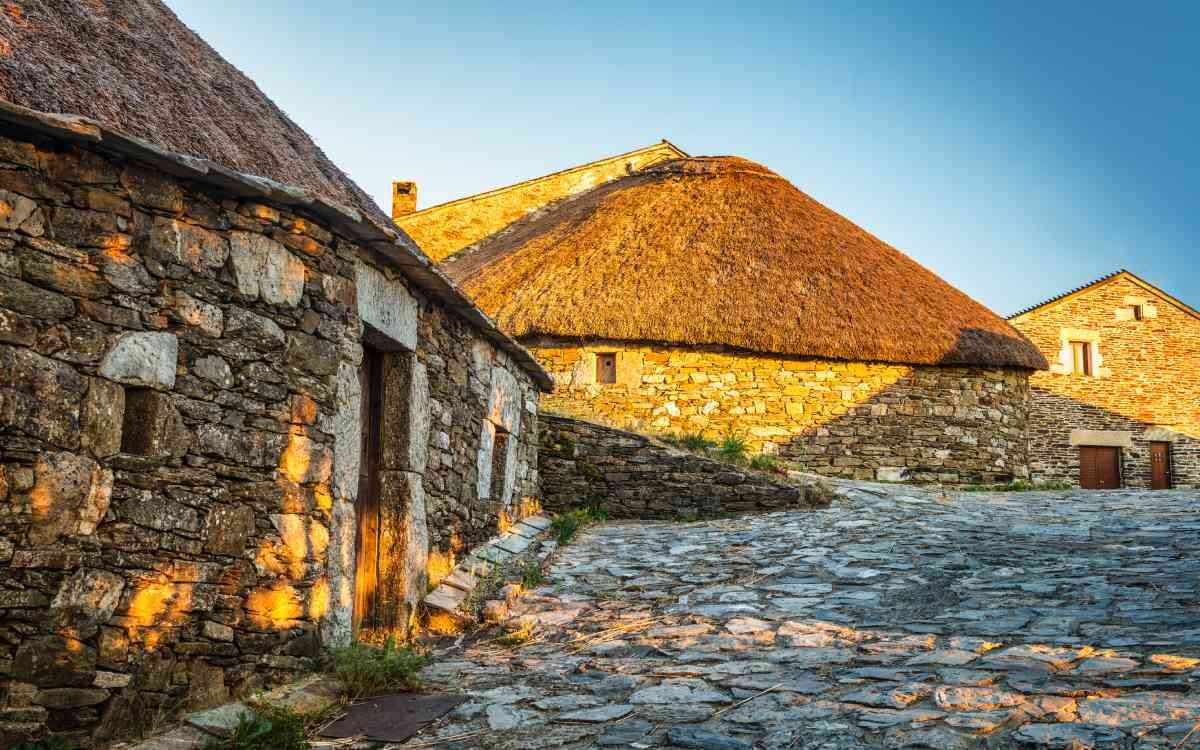
This charming village in the province of Lugo perfectly conveys the essence of a Galician parroquia. Walking among its lovely pallozas, traditional stone buildings with roofs made of straw, is a delightful way of travelling back in time.
On top of that, the temple of Santa María la Real in O Cebreiro is surrounded by legend and mystery. For instance, some believe that it witnessed a miracle related to the Holy Grail.
In any case, O Cebreiro makes up a brief, yet fundamental, stop on the French Way, the most popular branch of the Camino. It also has a few restaurants and bars where one can try local products like the Cebreiro cheese, protected under a Designation of Origin.
San Juan de Ortega, Castile and León
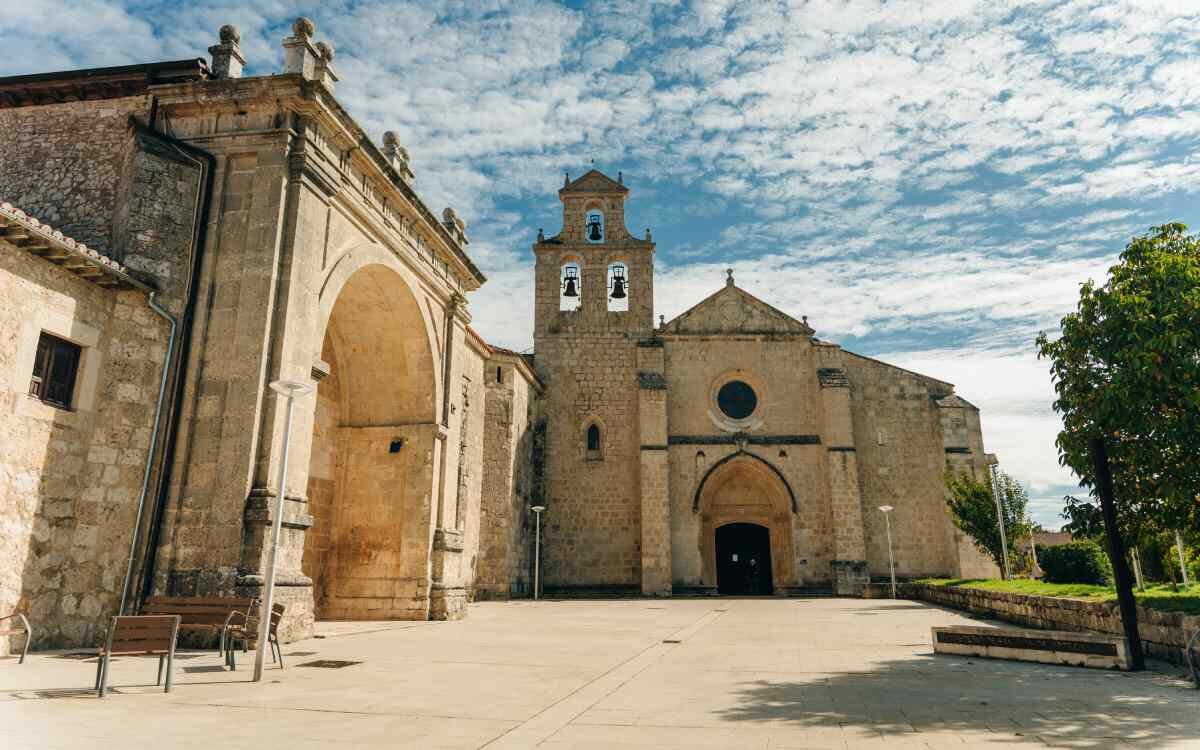
They say that the best perfumes come in small bottles, which seems to be true in the case of San Juan de Ortega, one of the best-kept secrets of Castile and León. This village can be found on the French Way, between Logroño and Burgos, and it is worth taking a few hours to explore it.
A must-see in San Juan de Ortega is the monastery that bears the same name. It was built in the 12th century in the Romanesque style to welcome pilgrims, and it remains a vital monument of the Camino de Santiago.
Located at a height of over 1000 metres above sea level, in the province of Burgos, San Juan de Ortega can reach considerably low temperatures during the winter months. Hence, it might be more suitable to visit it in summer or spring. Either way, it is a great place to taste the warm gastronomy of Burgos, with delicious dishes such as the olla podrida and the Castilian-style soup.
Redes Natural Park, Asturias
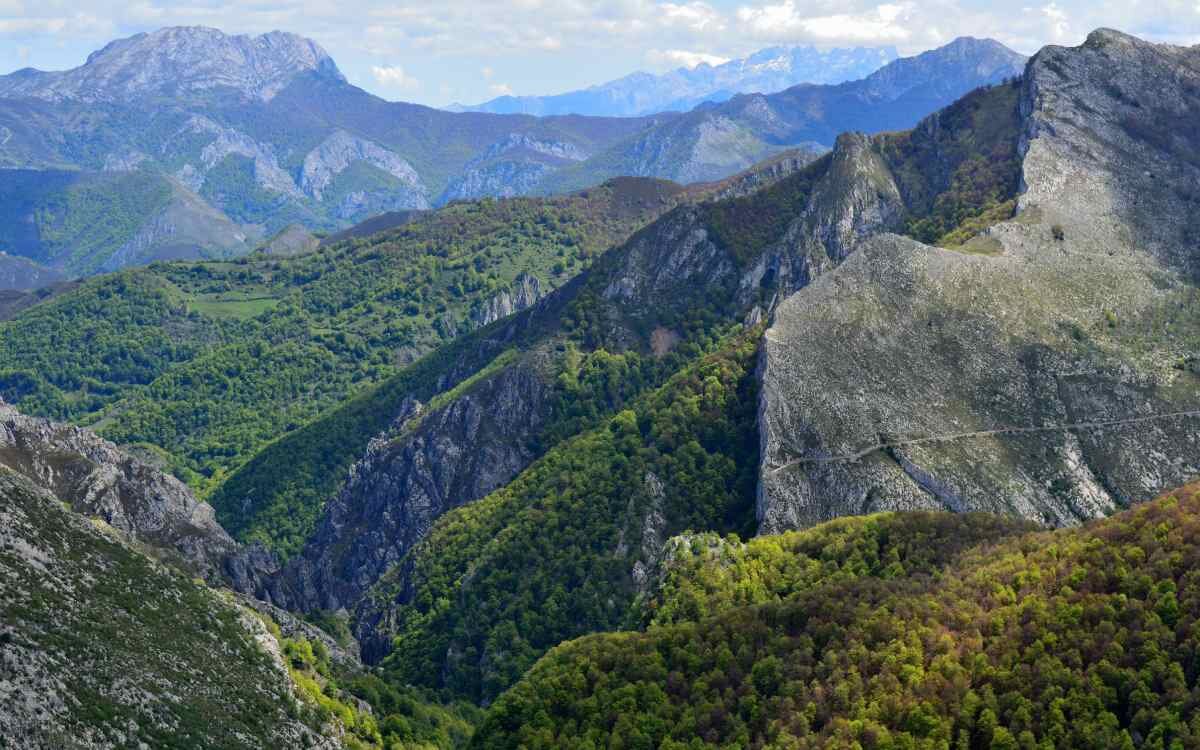
This natural treasure lies about 70 kilometres away from Oviedo, the starting point of the Primitive Way. However, it can also be reached travelling south from the Northern Way.
The Redes Natural Park spreads for 38 000 hectares and it belongs to the UNESCO World Network of Biosphere Reserves. It is easy to understand why, considering the immense environmental wealth it displays. Despite being less popular than the neighbouring Picos de Europa National Park, this extraordinary space provides the perfect diversion for those who enjoy a stunning hike surrounded by mountains, forests, caves and waterfalls.
Getaria, the Basque Country
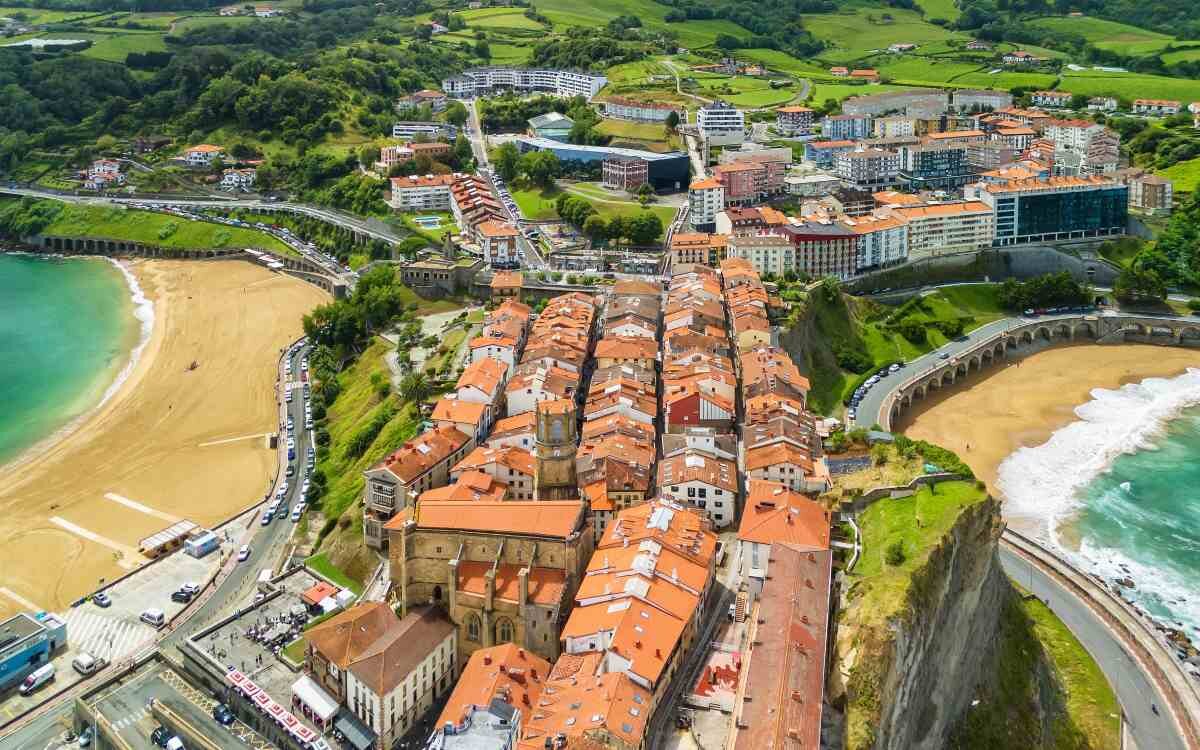
The last hidden-gem on the list will take us to the Basque coast. The Northern Way departs from San Sebastián and goes on eastwards. However, if we choose to walk along the coast instead of heading straight to Bilbao, we will unveil a unique treasure that will not disappoint.
Spreading between the green hills of Gipuzkoa and the Cantabrian Sea, the picturesque town of Getaria is perfect for tasting the Basque gastronomy, where pintxos are a must. A dish of fresh fish and a glass of txakoli wine will always be excellent choices in that matter.
The lovely beaches that flank the town offer a great spot for resting or even going for a swim if the weather is nice enough. Besides, those who love fashion cannot miss the Cristóbal Balenciaga Museum in Getaria.
Another famous inhabitant of Getaria was Juan Sebastián Elcano, a sailor who led the first circumnavigation of the world. This achievement is celebrated every four years through a memorable performance in Getaria’s harbour.
We might as well end the trip with a fun fact: Getaria is guarded by a small mountain called San Anton that seems to dive into the sea. If you look at it from the side, you might notice that its shape resembles a rodent. That is why it is also known as Getariako Sagua—that is, “Getaria’s mouse” in Basque.
Of course, there are many other views worth admiring in the vast network of ways unfolded by the Camino de Santiago. Either en route or just a stone’s throw away from the traditional paths, a wide range of natural, cultural and culinary jewels await those who are eager to enjoy the pilgrimage and deeply connect with the Camino. At the end of the day, each experience is incredibly unique and there will always be new trails to explore.
This article was written in collaboration with Viajes Camino de Santiago.