Estepona holds the exhibition ‘Women in the Zuloaga Collection. Seven Centuries of Art’
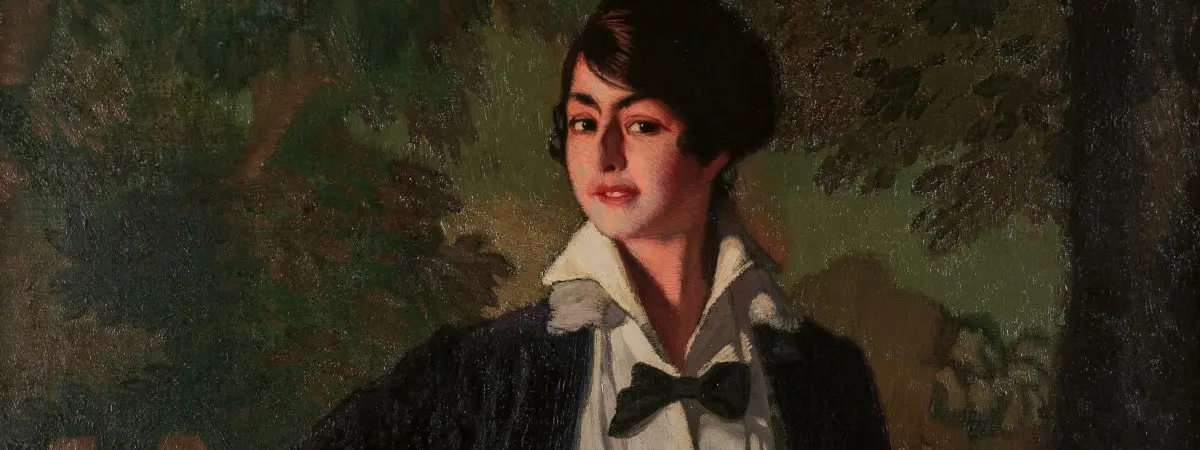
Estepona’s Town Hall and the Fundación Zuloaga organise the new art exhibition at Mirador del Carmen, Women in the Zuloaga Collection. It will be open from the 19th of July to the 29th of September in the Cultural Centre Mirador del Carmen.

This art exhibition offers, for the first time, the social and iconographic history of European women from the Middle Ages to the present day. The selection consists of more than 110 art pieces that have been collected by the Zuloaga artists’ relatives since the first third of the 19th century, highlighting the important number of works signed by painter Ignacio Zuloaga, his father Plácido, who excelled in the damascening technique, and his uncle, the ceramist Daniel.
What to expect from Women in the Zuloaga Collection. Seven Centuries of Art
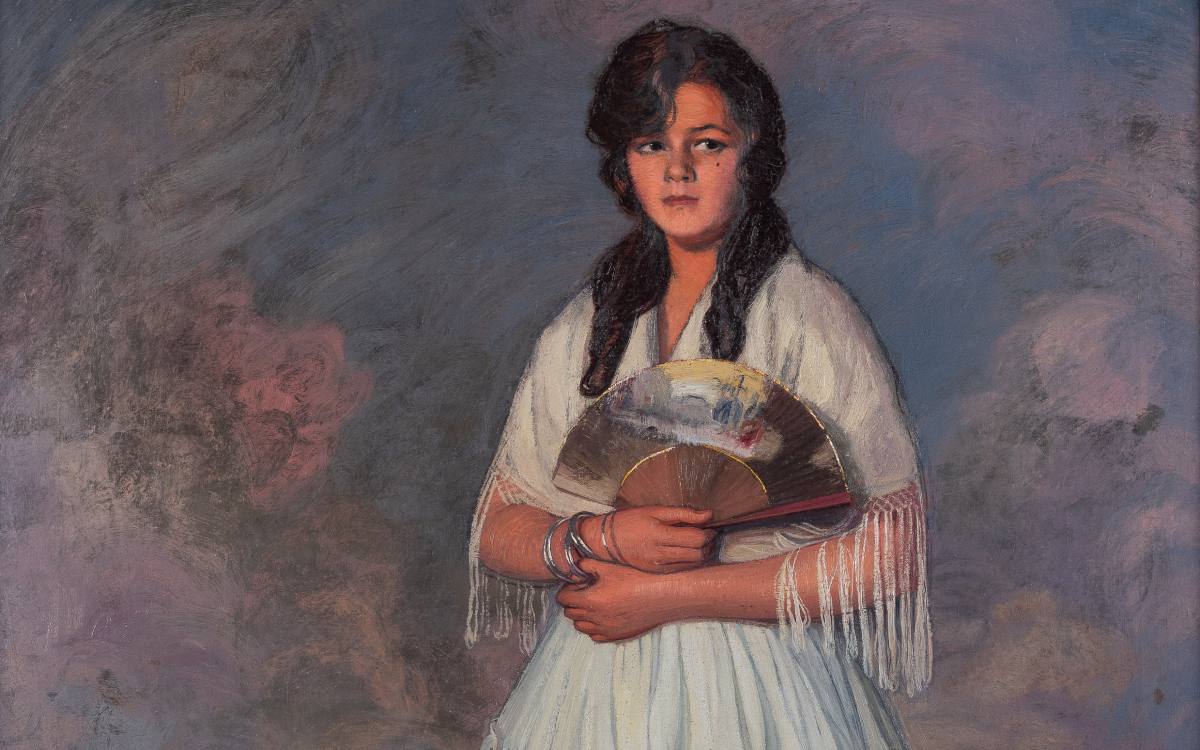
The research and divulgation of women’s social history have not matched up with the growth of women's revindication. The voids in academic literature are evident even in Europe’s developed historiography. This exhibition offers a surprising story of achievements and recessions that contribute to the understanding of women’s current status.
These portraits of past and present women have been materialised through the distribution tools of the time, including religious sculptures, miniature books, painted panels and canvases, and the more recent method: social media posts. The Zuloaga Collection comprises every type of plastic art manifestation: Romanesque, Gothic, and Renaissance wood carvings and panels, paintings by Zurbarán and his environment, by El Greco, by Morales... Ceramics and ceramic panels, textiles, wrought iron, damascened steel, and academic, impressionist, post-impressionist, symbolist, and contemporary paintings.
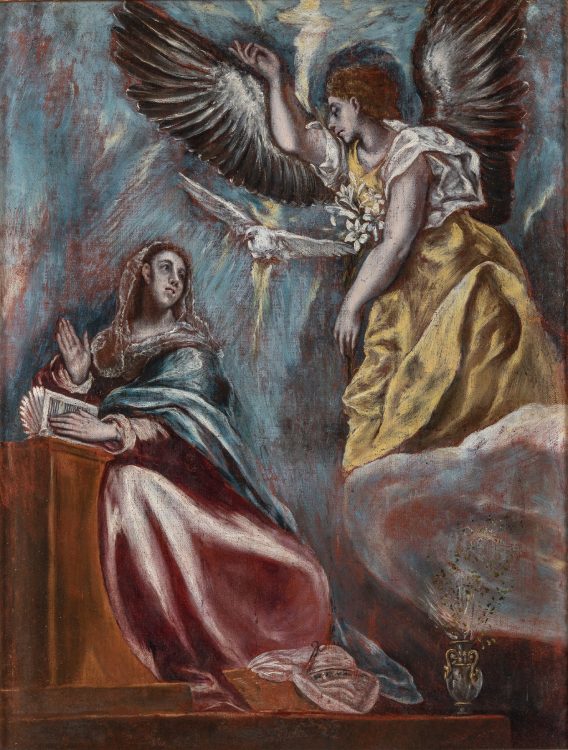
In order to provide an accurate representation of women’s social diversity, this exhibition comprises diverse themes, such as the feminine life cycle from birth to death, feminine virgins and saints, rural and urban women, marginalised and privileged women from the public and private spheres… The feminine nude genre stands out in this collection despite its late and scarce appearance in Spanish art.
The presentation of the Zuloaga Collection that emphasises the presence of those women who preserved it, extended it, and divulged it is another innovation. The lives of the artists have been covered in many writings, but the women in the family have not received as much attention. This repertoire would not be possible without their contributions, so feminine collections that allow to understand their tastes have been included as well.
The videos, the catalogue, and the signs in this exhibition are available in English and Spanish.