The last fishing ports of the Basque Coast
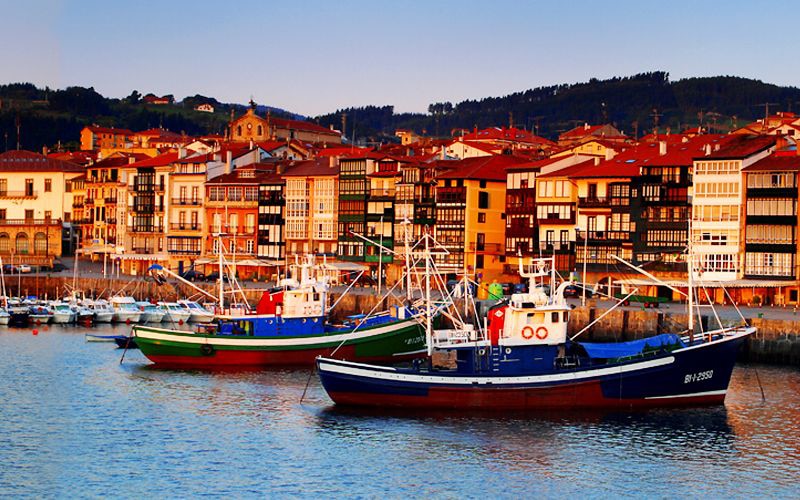
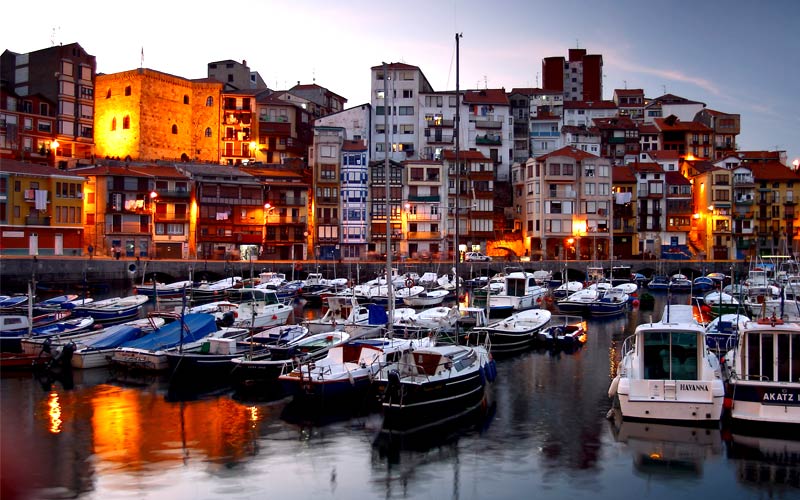
There is a reason why we are already talking about the last ports of the Basque coast– their activity has diminished to the point where most of the fish arrive by plane and the biggest 'port' is the airport. The severity of marine life, the decline in near-shore catches, the low price of products from fish farms and competition from frozen fish from distant seas have reduced the size of our fishing fleet. Significantly, the beautiful fishing port of San Sebastián now accommodates yachts, while the centuries-old Hondarribia (Fuenterrabía), Zumaia, Deba and Portugalete docks no longer accommodate slender fishing vessels.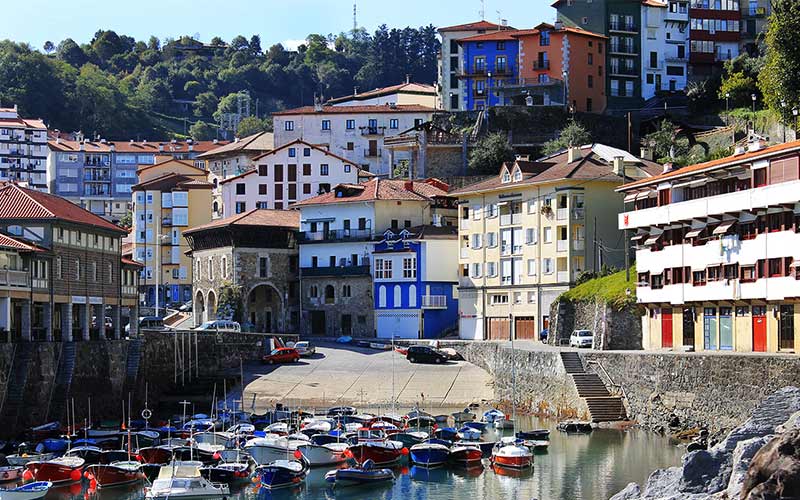

Fishing ports of Gipuzkoa
Starting from the west, Pasaia Bay is is protected by a narrow mouth that guards it from the rough ocean. We strolled through the narrow streets of Pasajes de San Juan and then boarded the motorbike that– with some slight shaking and splashes caused by the wind– crossed the bay to Pasajes de San Pedro. During the summer months, you can usually find pilgrims on the Northern Way to Santiago. Upon arriving at the dock we will visit the Mater Boat Museum, where we contemplate the operation of a fishing boat and life on board. We then head towards the mouth of the bay, to visit the Basque Maritime Factory 'Albaola'. In this unique museum-workshop the ancestral techniques of the carpentry of the riverbank are showcased in the construction of a replica of the Nao San Juan, a whaling ship that was lost during the sixteenth century on the coast of Canada. If you decide to stay overnight after these visits, we recommend exploring the local options here, as these fishing villages have lower prices than the neighboring Donosti and Hondarribía.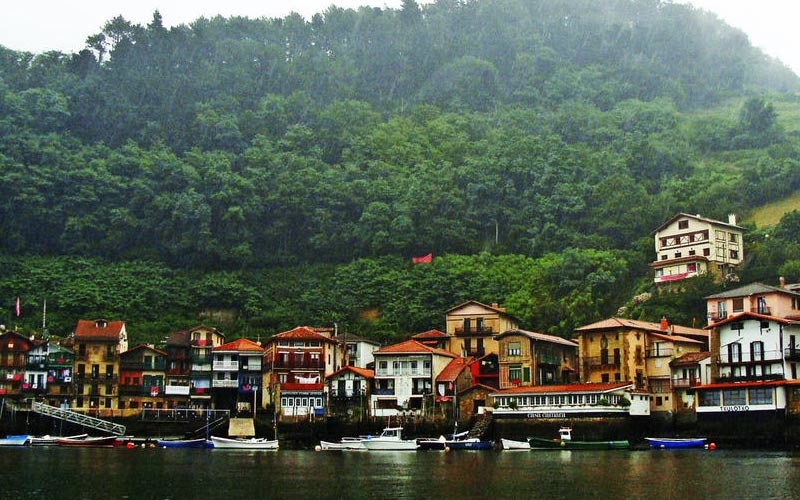
Fishing Ports of Bizkaia
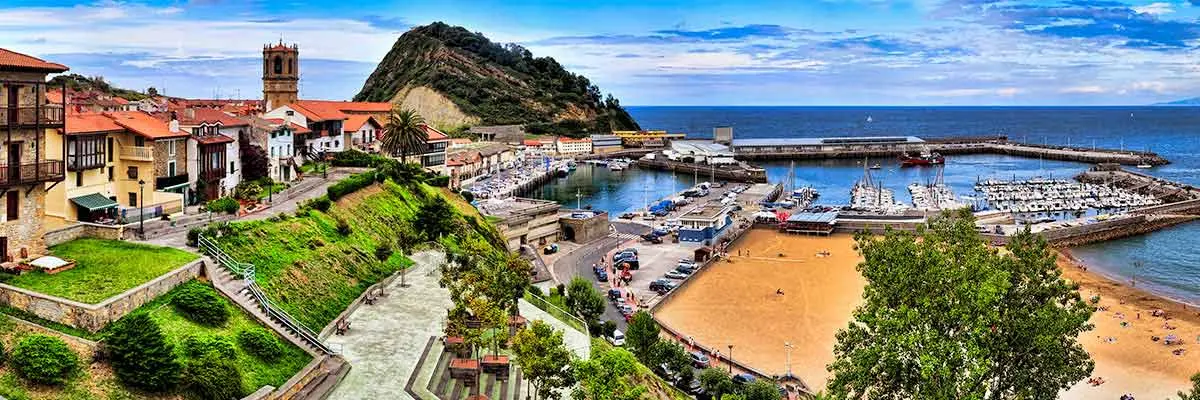
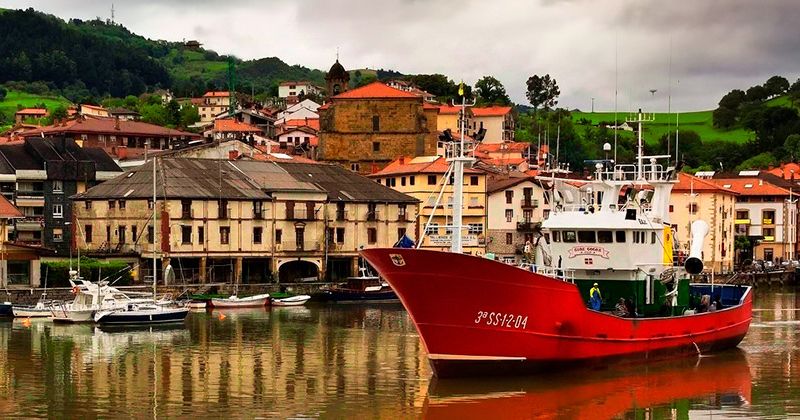
The third phase of our route begins in the 'forgotten' Ondarroa. This major Basque fishing port suffers an unfair lack of popularity due to its difficult accessibility. The journey from Getaria to Ondarroa is a very beautiful but twisting road that passes through Zumaia and Deba (localities that share the spectacular Geopark of the flysch) in order to divert to the seafaring town of Mutriku. A few kilometres further on we find Ondarroa, a town that embraces the two banks of the Artibai River with numerous bridges and docks full of small boats. In its wide port there are large deep-sea fishing boats, which are a major part of the economy. It is not unusual to come across many foreigners, who often comprise a large part of the crew on board. Ondarroa preserves the charm of the most authentic Basque fishing ports, encouraged by a gastronomic selection 'without nonsense': affordable prices with an emphasis on a good quality. To continue towards Lekeitio we can choose between the beautiful, tortuous and dangerous BI-3438 road along the coast, or the Bi-633, which goes inland and is a few kilometres longer, but is usually faster. Located in a beautiful bay presided over by the island of San Nicolás, Lekeitio is one of the most traditional summer resorts on the Basque coast and has a harbour with a long history. It is highly recommended to stroll around its beautiful town centre, with attractions such as the basilica of Santa María de la Asunción, the numerous palace-mansions and the lively Txatxo pier. The difficulty with finding parking can be solved by staying overnight in one of the many sleeping accommodations in Lekeitio.