
Islas Canarias, a journey to another planet
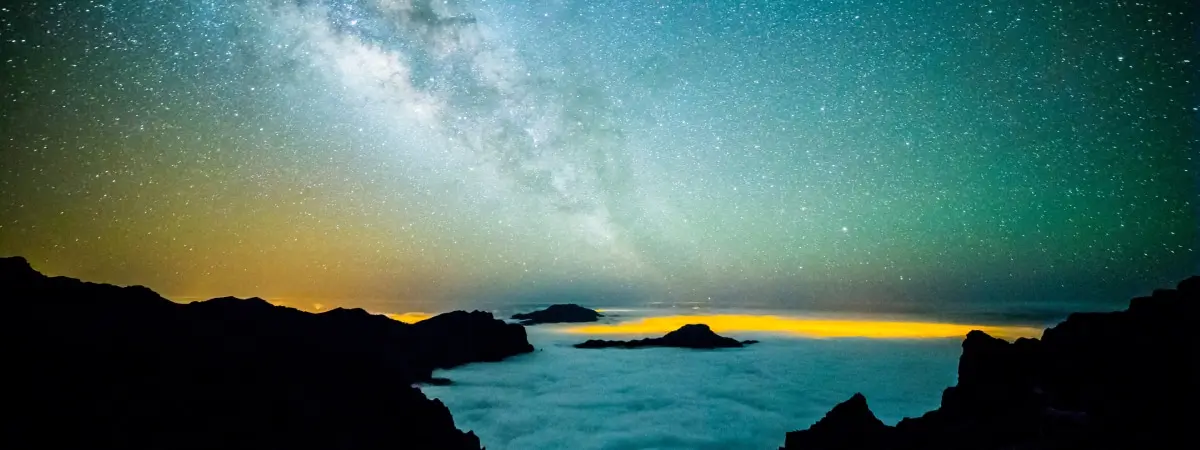
If there is one place on Earth that offers endless essential corners, it is Islas Canarias. This archipelago is so rich and impressive that your bucket list will be completed. Although the islands share a volcanic origin, they have a variety of climates that have given rise to a land of contrasts and great biological value. On the other hand, it must be noted that humans have had an important influence over these lands, creating a unique way of life full of its own flavour. These are some of the best wonders of Islas Canarias.

The natural Paradise of Santa Cruz de Tenerife
The province of Santa Cruz de Tenerife comprises the western islands of the archipelago, with Tenerife being the most populous. Here we find the colossus of Mount Teide, along with other amazing natural environments.
Teide National Park
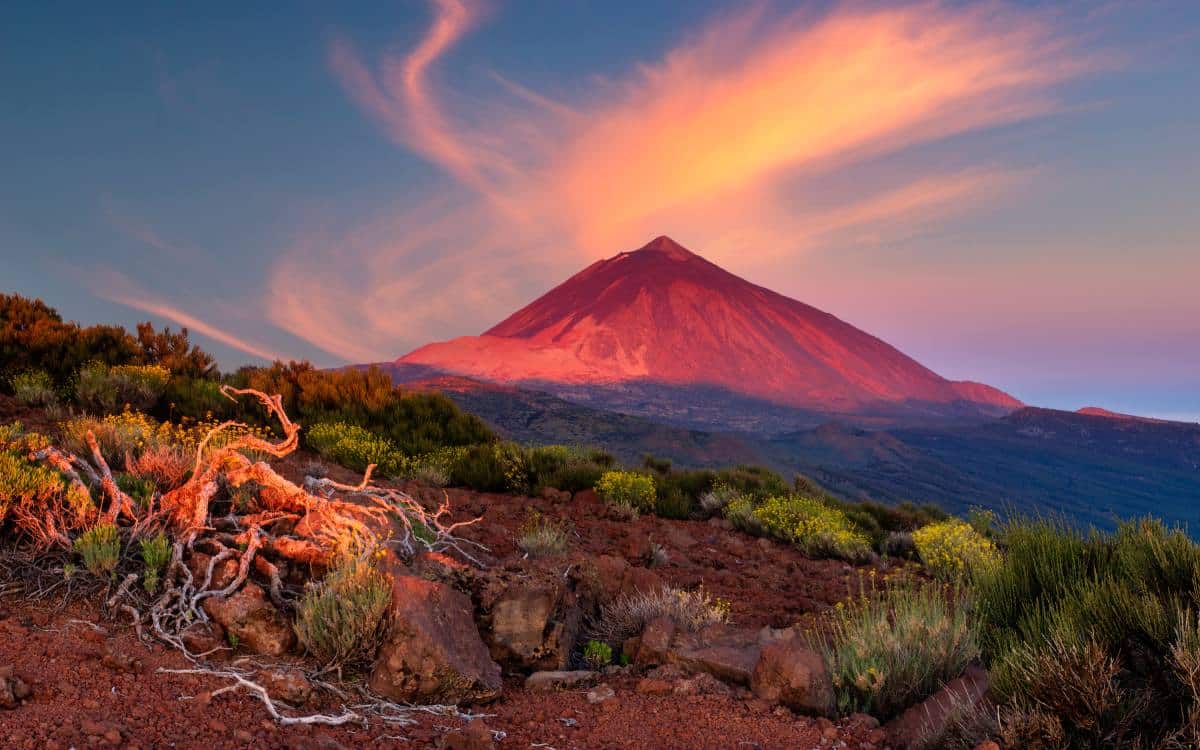
Teide, in Tenerife, is known for being the highest peak in Spain, which is more than 3,700 meters. This is the third largest volcano in the world from its base on the seabed, and is surrounded by a spectacular national park, one of the most visited in Spain and Europe. Legend has it that Teide ("Echeyde" for the Guanches, Aboriginal Canarians) was the abode of Guayota, the Evil One. Nowadays, it houses 58 plant species that only exist there, along with a very varied fauna. The Teide National Park offers access to a number of trails to explore its Martian appearance, dotted with geological emblems such as Roque Cinchado or La Tarta del Teide.
Garajonay National Park
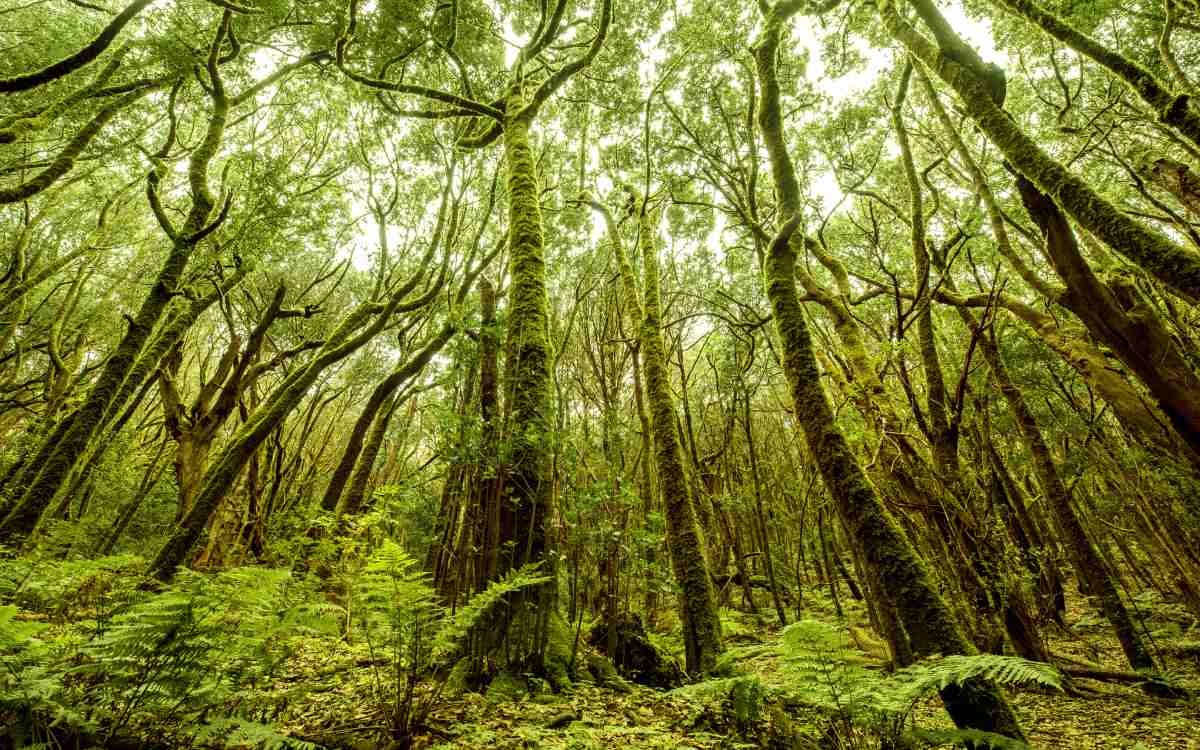
The island of La Gomera is home to the impressive Garajonay, a national park declared a World Heritage Site and an impressive natural treasure. The green heart of this island is a lush laurel forest, the laurel that originally covered a large area of Macaronesia. A walk through this park will take you to a magical and somber atmosphere, where unique species like the turqué pigeon hide. Like Teide, Garajonay National Park offers many facilities for visitors, including the recreational area of Laguna Grande, the visitor centre, or the guide service.
Las Playas Natural Monument
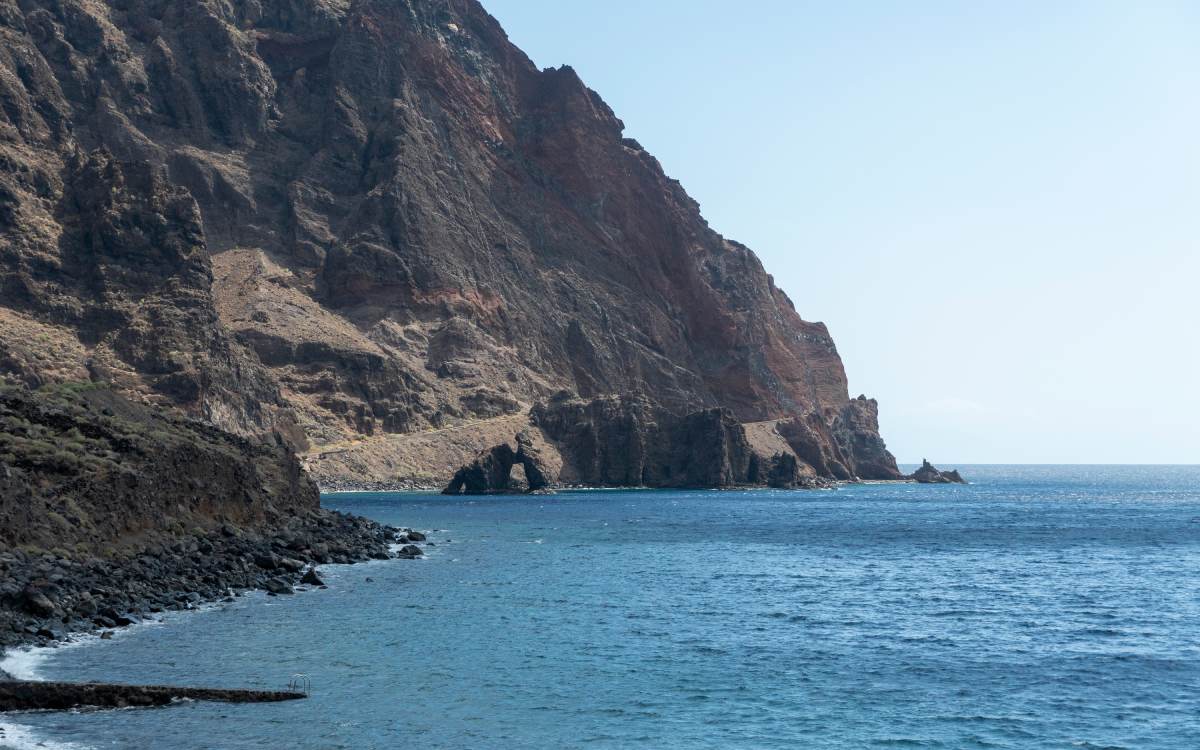
A majestic giant lizard that can only be found in El Hierro is the symbol of this island, the smallest and most remote of Islas Canarias. In the last few years, it has gained popularity for the medicinal waters of Pozo de la Salud ("Well of Health"). But the island's landscapes are as impressive as the others. One of its main jewels is Las Playas Natural Monument, a protected area that emerged from a landslide in the southeast of the island. It is a semicircular escarpment, similar to an amphitheatre built by nature itself, once frequented by herds that exploited its green pastures. From its lowest point, the bay, you can enjoy a mesmerising view of Roque de Bonanza, which stands more than 2,000 metres tall.
Caldera de Taburiente National Park
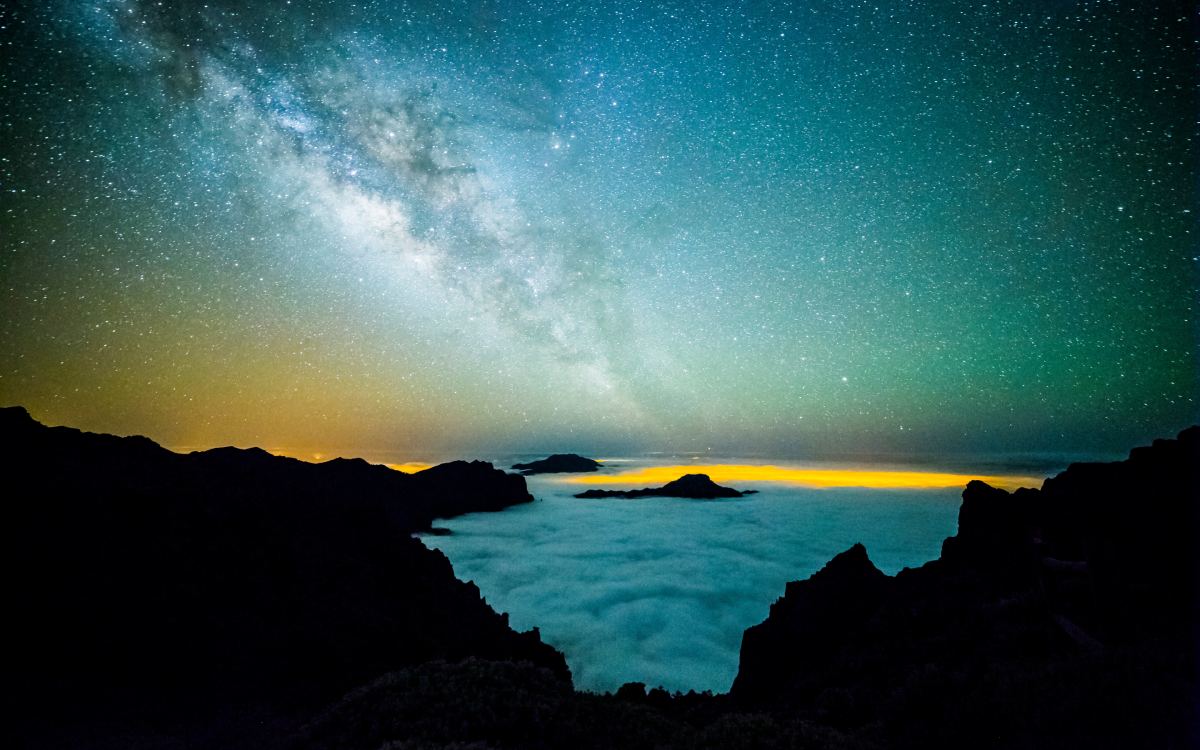
La Palma, like El Hierro, has been declared a Biosphere Reserve in its entirety. This island flaunts its splendid volcanic character, which has witnessed some recent dramatic episodes. But one can find nature's most fascinating side in the Caldera de Taburiente National Park, the most emblematic natural wonder of the island. This caldera is a depression in the centre of the island, surrounded by a fence of rocks that rises to 2,426 meters from Roque de los Muchachos. From high above, you will enjoy a sea of clouds at your feet and the silhouettes of the other islands in the distance. However, the park has other memorable sites, such as Salto de la Desfondada, a 150-metre waterfall.
The Canarian wonders of Las Palmas
The other Canarian province comprises the islands of Gran Canaria, Fuerteventura, Lanzarote, and La Graciosa and adds to many kilometres of dream beaches and natural treasures. Let's discover the highlights of this paradisiacal area.
The dunes of Maspalomas
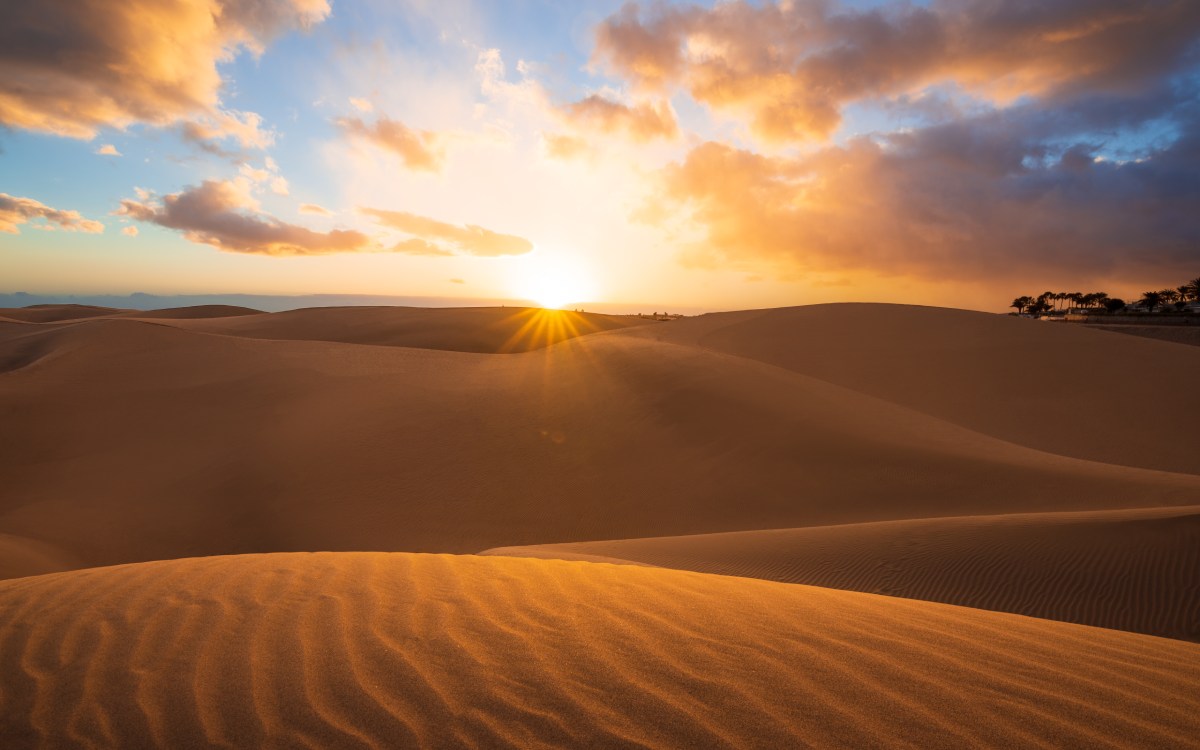
Although Gran Canaria, like the islands we have seen so far, has a steep and green interior, it also has an area that seems to be taken from One Thousand and One Nights. The waves of golden sand in the dunes of Maspalomas take you to exotic deserts or even to other worlds. The dunes are a special nature reserve, a unique landscape on the island. Seeing the sea at the bottom of the dunes is one of the indelible views of this island, but it can get even better if you come across the giant lizard that is usually found in the nearby palm grove of the Charca de Maspalomas.
La Isla de Lobos
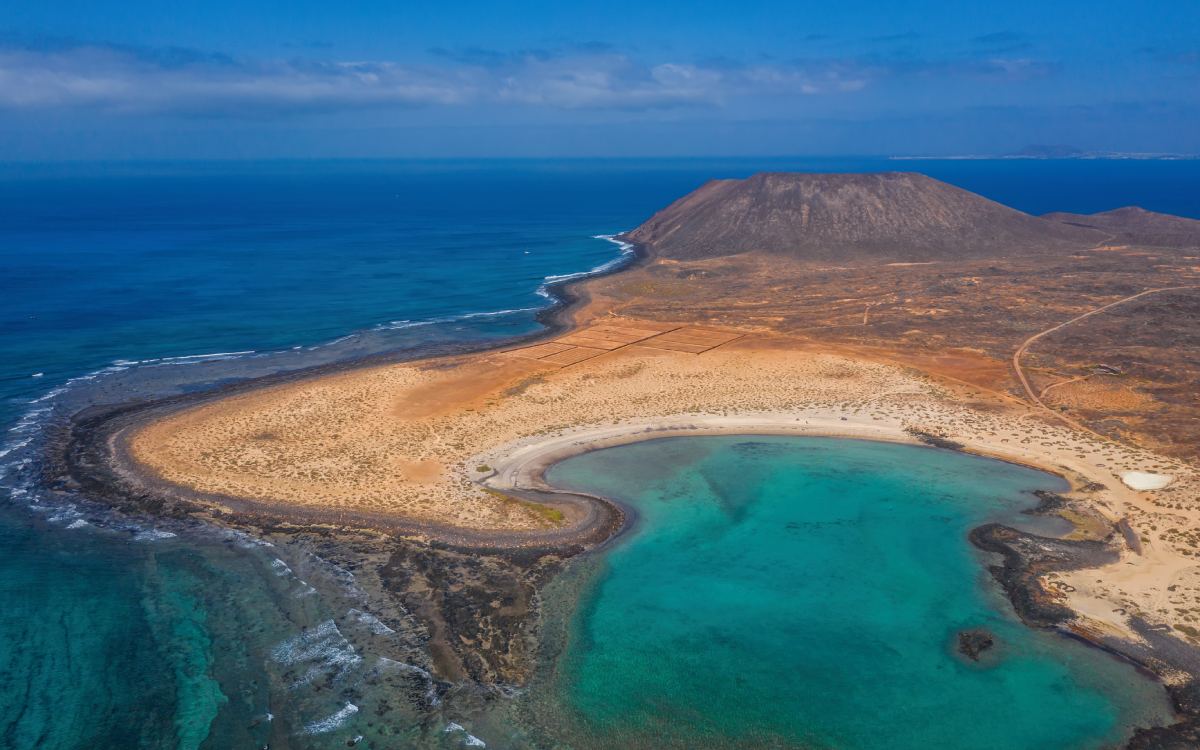
Although it can be considered one of the mandatory visits in Fuerteventura, the truth is that Isla de Lobos is just a short boat ride away from its older sister. Anyone who visits this island will discover a natural park that delights divers and surfers and those who just want to marvel at its turquoise waters and views.
Timanfaya National Park
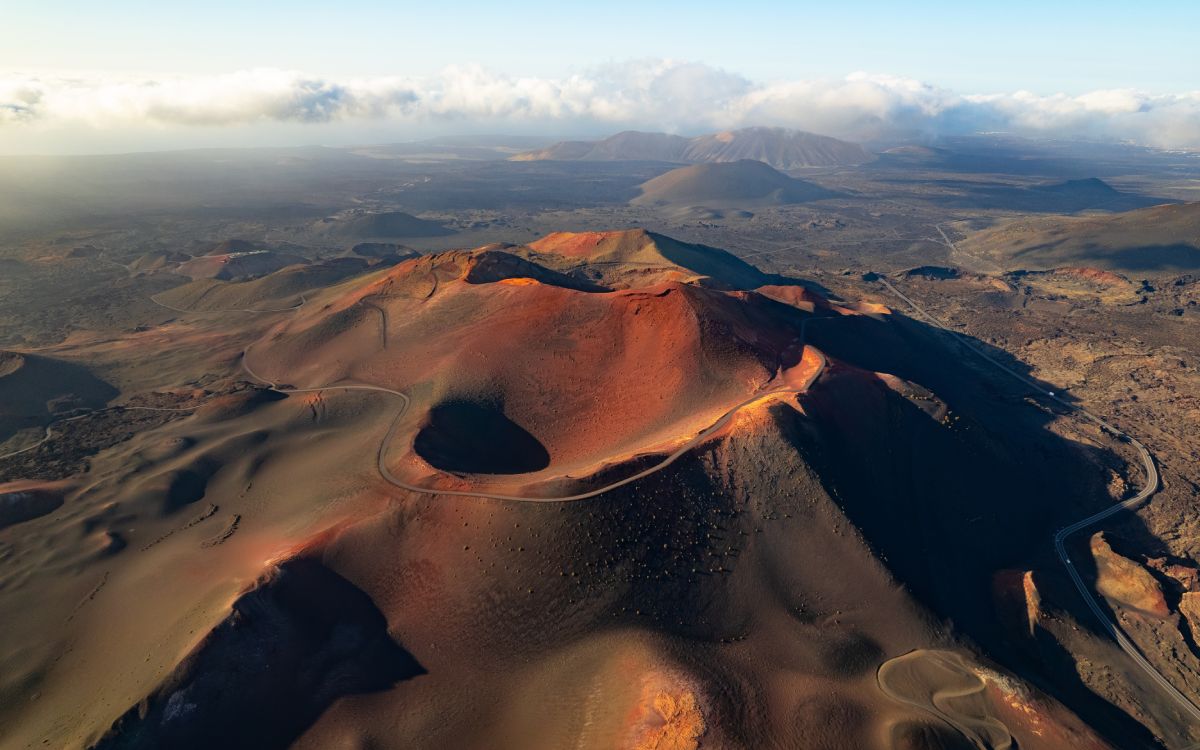
If there is one place in the Islas Canarias where nature has shown its tremendous power, it has to be Timanfaya National Park in Lanzarote. In the 18th century, a seemingly endless volcanic eruption devastated this large area in the western part of the island. The result is a place that will take your breath away with its unusual surroundings. The volcanic activity of the island remains alive, as the tremendous vapours that emerge from the underground prove, which are even used for cooking. Visiting this park feels like travelling to another planet, which actually reminds us of the incredible strength of ours.
La Graciosa
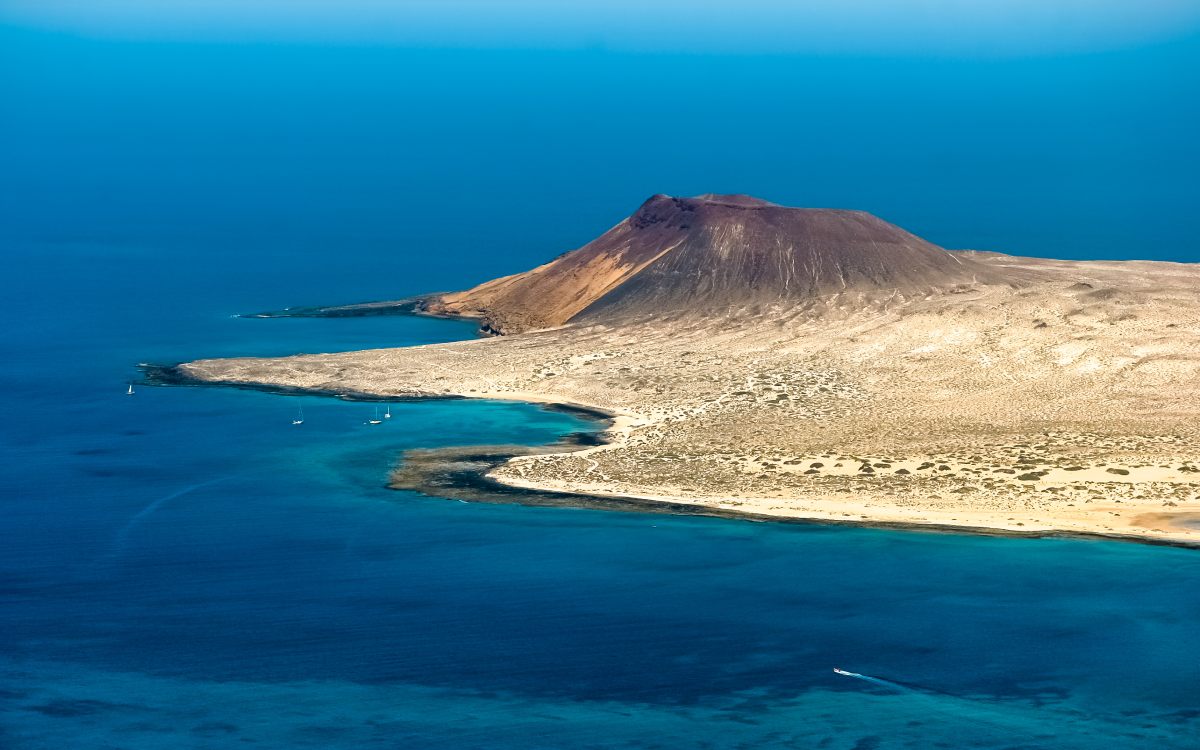
The island of La Graciosa is so small that it can be considered an essential attraction as a whole. Taking a ferry from Lanzarote, you can disembark on the sandy streets of its main town, Caleta del Sebo, and rent a bicycle there to visit the whole island. It is the only inhabited part of the Chinijo archipelago, another protected area, and the largest marine reserve in Europe. It also offers wonderful virgin beaches such as La Cocina or Los Franceses, as well as priceless postcards that you will never forget.
You can also read this article in Spanish here.