
The ultimate must-sees of the graceful Córdoba
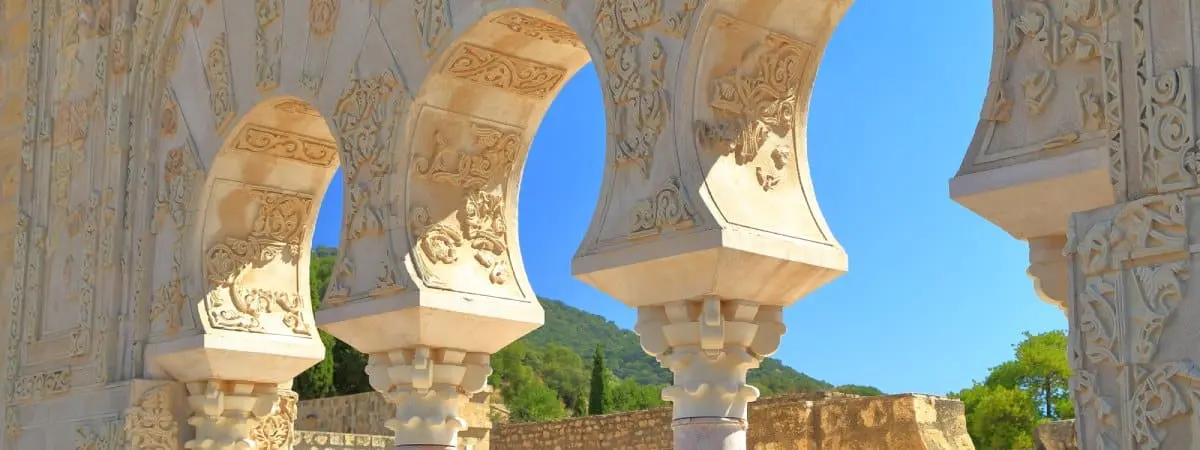
Córdoba is home to a glorious past. It’s the centre of power and the cultural cradle of medieval Europe. But the special charm of this Andalusian province goes even further. Here are the main reasons why you should visit Córdoba at least once in your life—those must-see wonders that you can’t miss if you’re ever in the area.

The city of Córdoba
Mosque-Cathedral of Córdoba, the best of both worlds

The Mosque-Cathedral of Córdoba is a storyteller like no other building in the world. According to tradition, it was built on the ruins of a Roman Spanish basilica in 784 and merges the grandeur of Arabic architecture with Christian opulence. This mosque became the second largest of that time. It was transformed into a cathedral after the Christian conquest in the 13th century. The Plateresque chapel was added later. The style combination of this grandiose building tells Córdoba’s history perfectly, which earned it its declaration as a World Heritage Site. For this reason, it became the most recognisable symbol of the city and Andalusi culture.
Its patios, a true explosion of colour
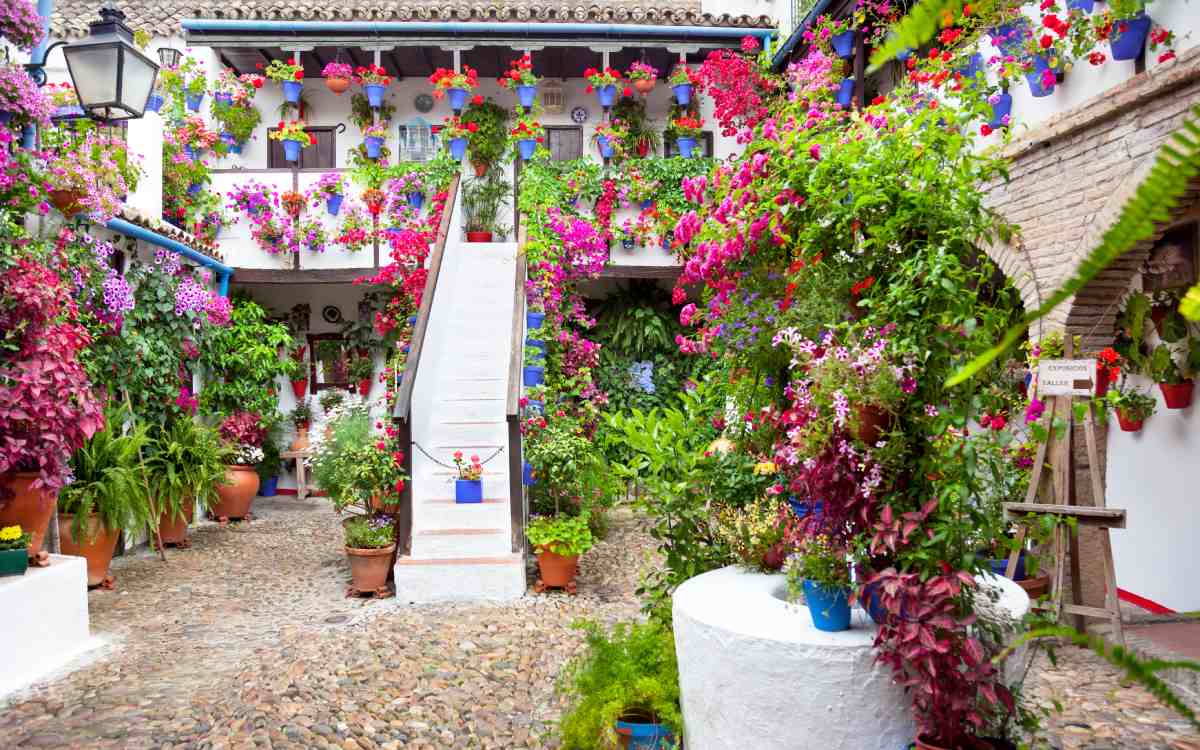
The inner courtyards or patios of Córdoba’s traditional houses are the soul of the city. They constitute one of the most gorgeous legacies of the Arabic civilisation. Now they picture beauty, sometimes with a hint of rivalry. The vibrant, colourful flower pots are the heart of the city and such an important part of Córdoba’s history that they prompted the popular Patios Festival. In this celebration, it is customary for locals to open their doors so visitors can enjoy this lovely wonder, and a contest for the most beautiful patio is held.
Medina Azahara, the essence of orange blossom water
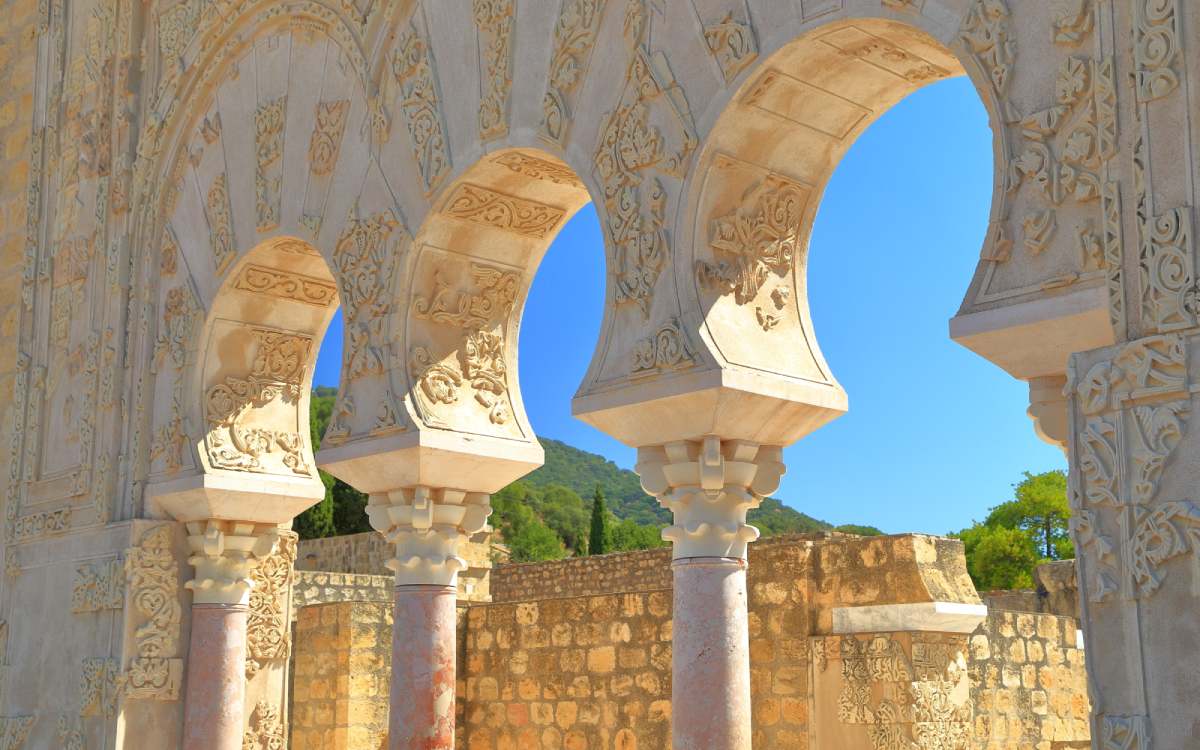
The palace complex of Madinat al-Zahra, commonly known as Medina Azahara, is Córdoba’s third element to be declared a World Heritage Site. This walled fortress was built near the Andalusi capital by order of Abd al-Rahman III with the intention of keeping the royal and administrative units among gardens and marvellous columns. Built in the 10th century, the city, which was the centre of the Caliphate, is also the greatest sample of Andalusí sophistication, perceived in the rich decoration and the delicacy of its elements. Although this place has remained in the dark for quite some time, it is the best getaway to the fascinating times when Córdoba ruled over Western Europe.
The Alcázar de los Reyes Cristianos, to live history in your own skin
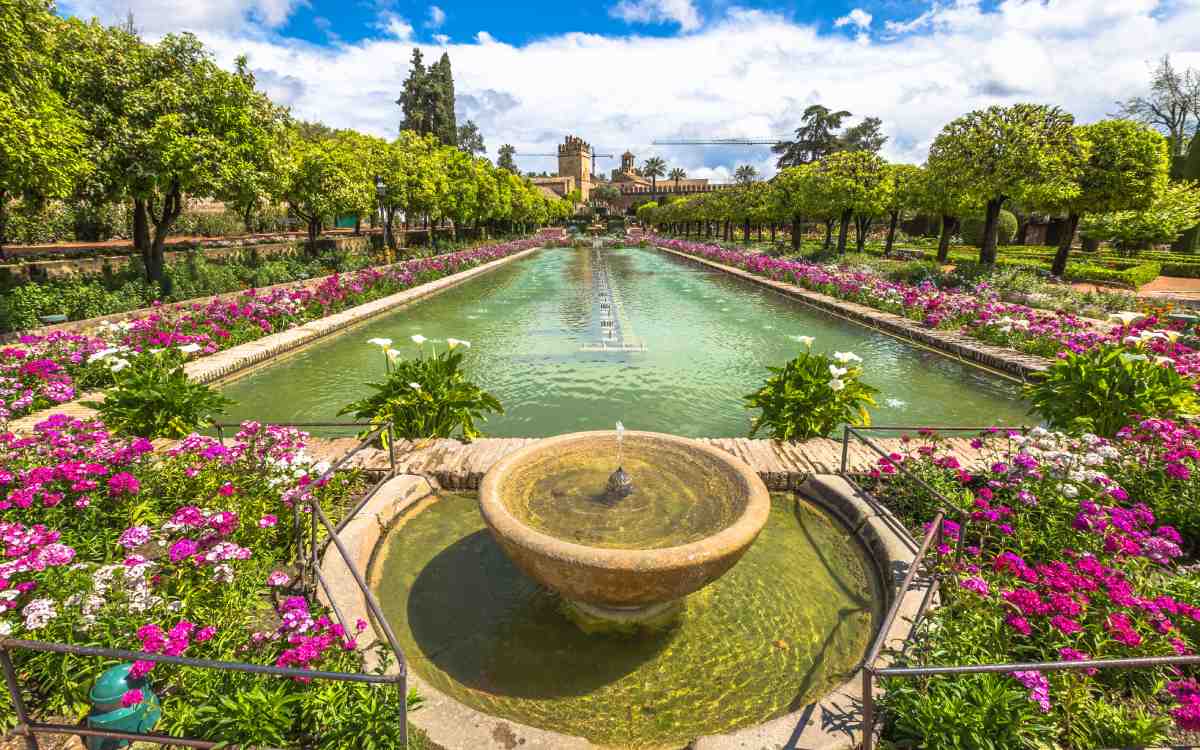
The Alcázar de los Reyes Cristianos sits on the shore of the Guadalquivir River. It replaced the Umayyad Alcázar during the reign of Alfonso X. Many Catholic monarchs lived here for a very long time. The Catholic Monarchs were the last to stay here, so they could be near Granada. Later, this sober fortress was one of the main tribunals of the Spanish Inquisition. This is one of the most popular elements of Córdoba’s historical city centre due to its rooms of great elegance and opulence. Every history and beauty lover should visit this palace complex, which has witnessed decisive historical events such as emir Boabdil's capture or the beginnings of Columbus’ adventure.
Córdoba’s untamed nature
Sierra de Hornachuelos, a wide treasure
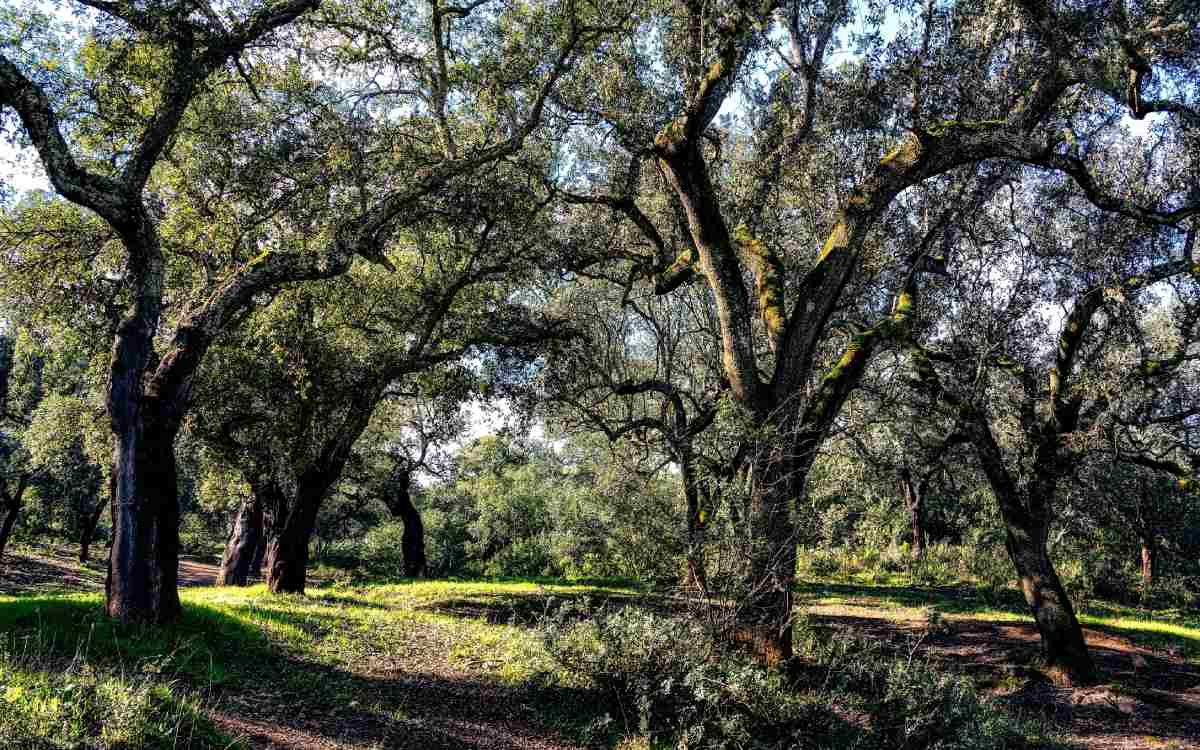
These Mediterranean forests and riverside woodlands are some of the best preserved in Sierra Morena. In total, they cover more than 60,000 protected hectares, making it the largest protected area in the province. Besides, Sierra de Hornachuelos Natural Park is part of the Dehesas de Sierra Morena Biosphere Reserve thanks to its wide biodiversity. Holm and cork oaks are the most common tree species, but there are many others here, even European fan palms. Regarding its fauna, we should mention birds such as the cinereous vulture, the golden eagle, and the black stork, as well as mammals such as otters, deers, Iberian lynxes, and the particular Egyptian mongoose.
Lagunas del Sur, home of birds

A large number of lagoons are scattered throughout the south of the province. They are the Lagunas or Zonas Húmedas del Sur de Córdoba and are protected due to their great biological value. The area sits under a crowded bird migration route. Many bird species live here: mallards, vanellus, Eurasian teals, and flamingoes, just to name a few. Zóñar Lagoon, near Aguilar de la Frontera, holds the largest extension. Other areas, such as the Amarga and Tíscar Lagoons, are flamingoes' favourite places. These birds usually feed on their shallow waters.
Villages that hold Córdoba’s soul
Zuheros
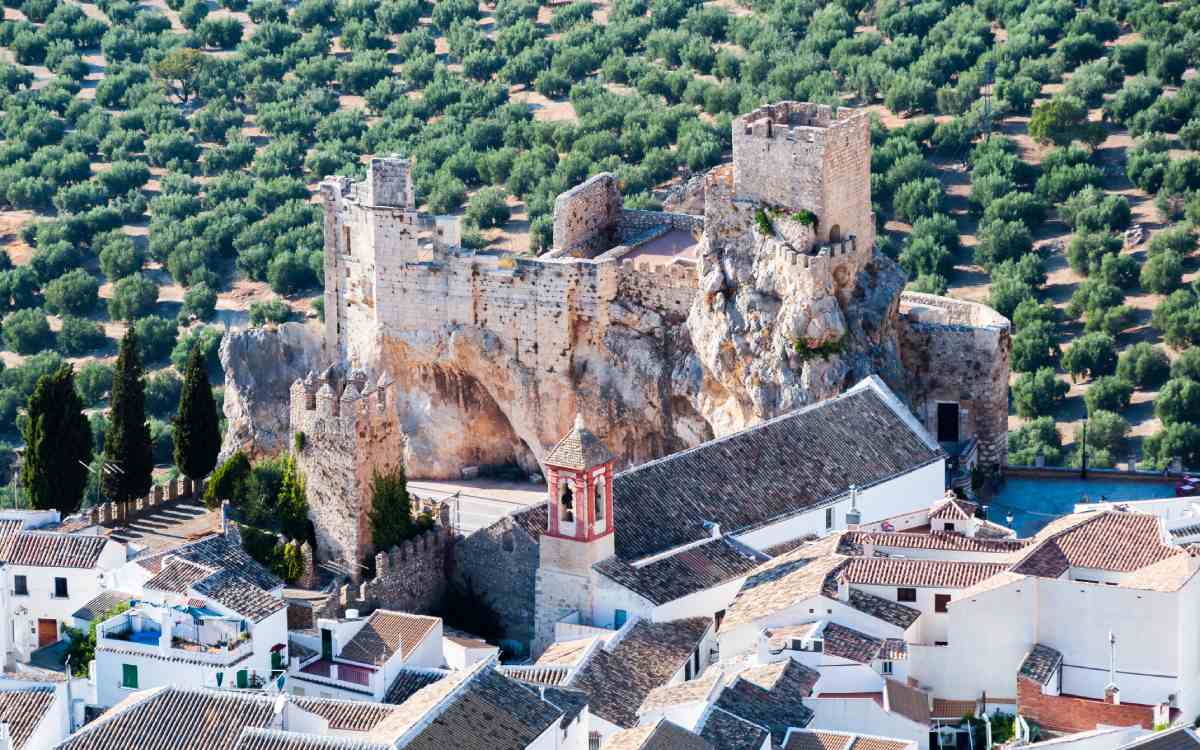
The lovely village of Zuheros sits in the heart of the Sierras Subbéticas and is a declared Bien de Interés Cultural thanks to its exceptionally well preserved state. Its castle-palace, sitting on top of a giant rock, will surely catch your eye. But this unique spot hides more charm besides its picturesque streets and white houses. Cueva de los Murciélagos (‘The Bats Cave’) is one of them, an exciting route through the geopark. And it is also the perfect destination for hiking, climbing, and nature lovers.
Iznájar
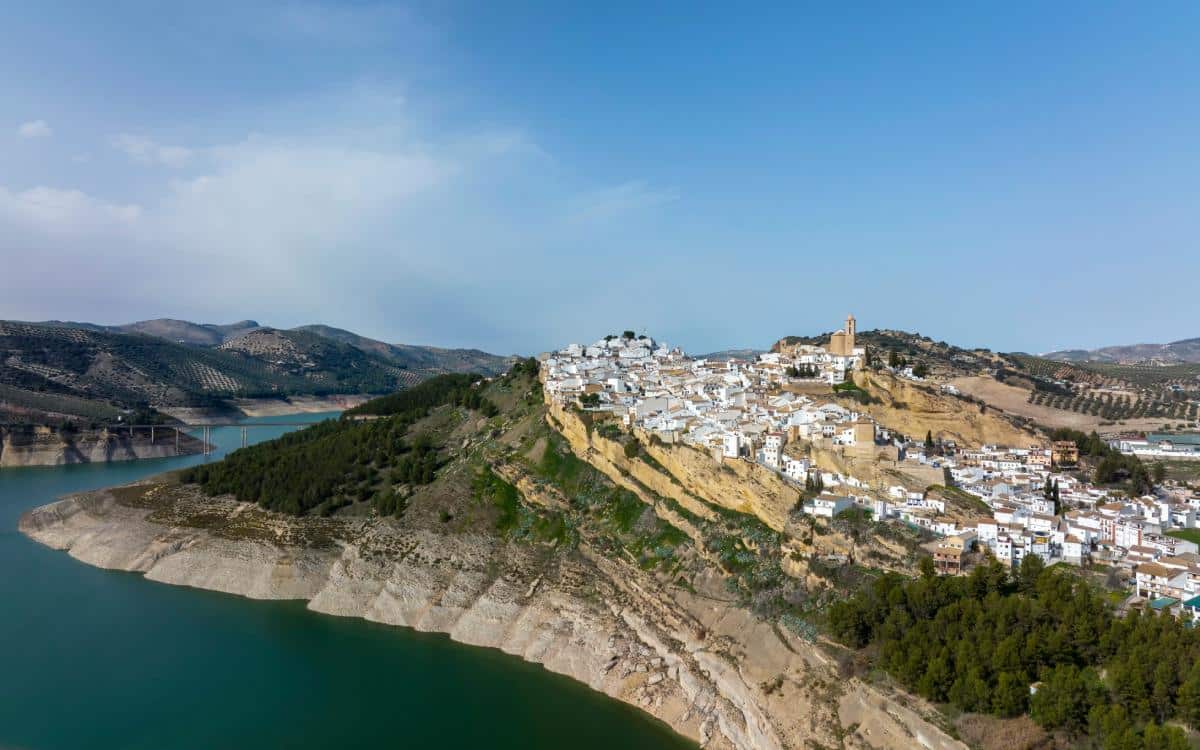
The name Iznájar comes from the Arabic Hisn al-Ashar, whose mere sound takes us back to the Andalusí past of this land. The impressive castle that watches over the village was built by the Arabs, while other beautiful buildings were added in the later Christian era, such as the Renaissance church, the hermitage of Iznájar’s patron saint, and the Magán sanctuary. Its patios filled with flowers and its Belda Cave are worth a mention, but so is the reservoir that paints the landscape a dreamy blue shade and leads to nearby beaches, such as the one in Valdearenas.
Almodóvar del Río
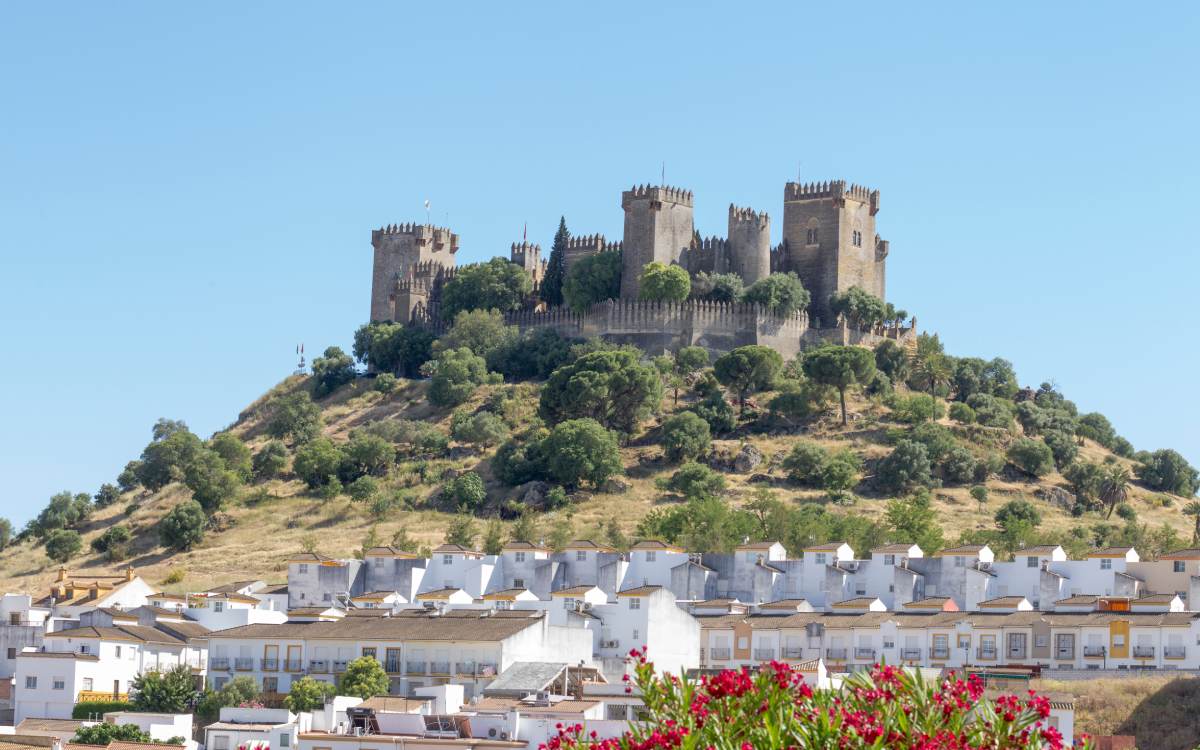
Almodóvar del Río has an impressive castle too. It sits in the Valle Medio of the Guadalquivir River. It dates back to the Arabic period, but remains of previous eras can be found in the municipality. The presumably Roman dock by the river is a great example of this. Besides the town’s diverse cultural heritage, it has breathtaking spots, such as the Sierra de Hornachuelos Natural Park and the river beach at Breña II Reservoir.
You can also read this article in Spanish here.
Follow us on Facebook!