
Caminos de la Merina: exploring rural Spain through transhumance
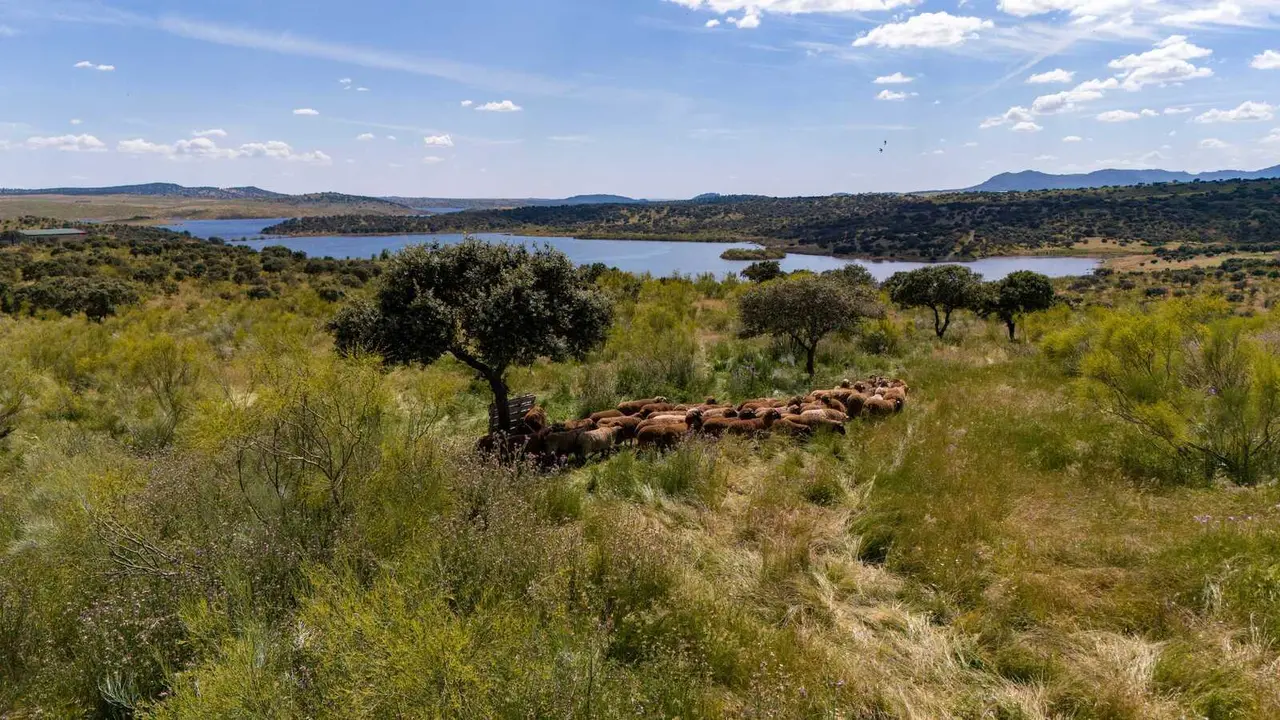
Tracing our ancestry leads to simpler times deeply rooted in nature and agrarian life. In the epoch preceding the industrial and technological revolutions, transportation rode on horseback and food was locally cultivated. Time passed unhurried and daily life was illuminated and warmed by sunlight and the hearth.

Despite the countless changes since those days, remnants of bygone days can still be found in rural life, where fields continue to be tilled like they used to, and traditional arts and skills endure. That is, precisely, the seed planted by Caminos de la Merina (“Merino Sheep Trails”): a project offering a way to strengthen our bonds with nature, the Spanish cultural heritage and the ancient roots of transhumance. This endeavour includes on-topic activities in collaboration with the Experiencias Turismo España programme, under the direction of the Secretary of State for Tourism at the Ministry of Industry, Trade and Tourism.
The Merino experience: unique pastoral tourism
The Merino sheep is a breed indigenous to the Iberian Peninsula predating the Roman occupation. As a result of the centuries-long husbandry of Merino sheep and the exceptional quality of its wool, it is today the world’s most valued sheep breed and emblematic of Spanish artisanship.
In fact, Merino sheep provide the ideal guide for touring Spain’s countryside landscapes. This journey begins in pastures of green grasses, shady trees and wildflowers—but the intricacies of transhumance will take us far beyond those sceneries.
Following the footsteps of transhumance
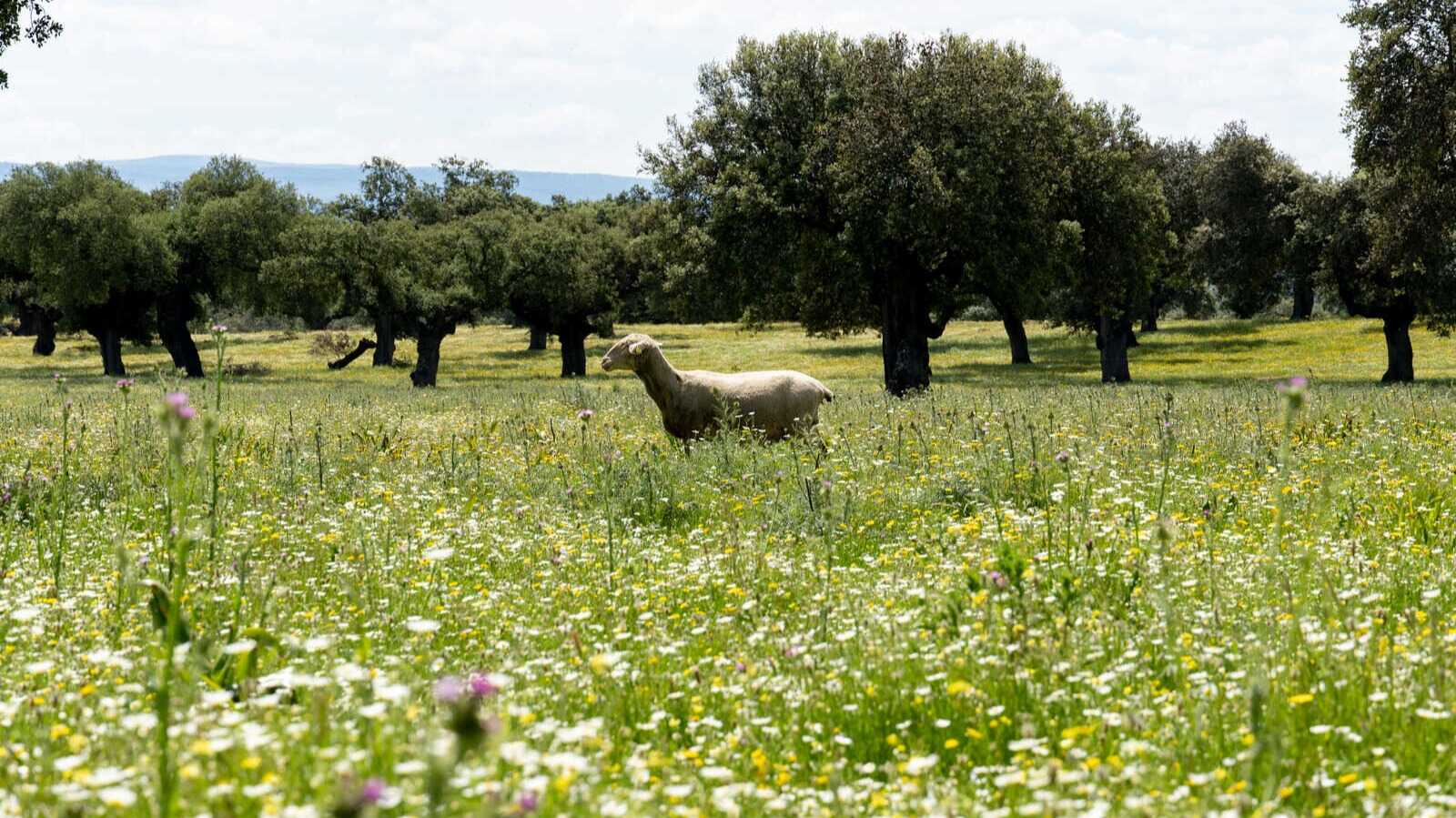
Caminos de la Merina encompasses four principal routes throughout Spain to experience first-hand the herding trails in an eye-opening adventure compliant with the requisites of sustainable tourism and ecological responsibility.
The wind and sunlight in these trails provide perennial reminders of the long journeys made by generations of shepherds in the past. These routes offer a great insight into the core of transhumance and an intimate connection with a serene, timeless nature.
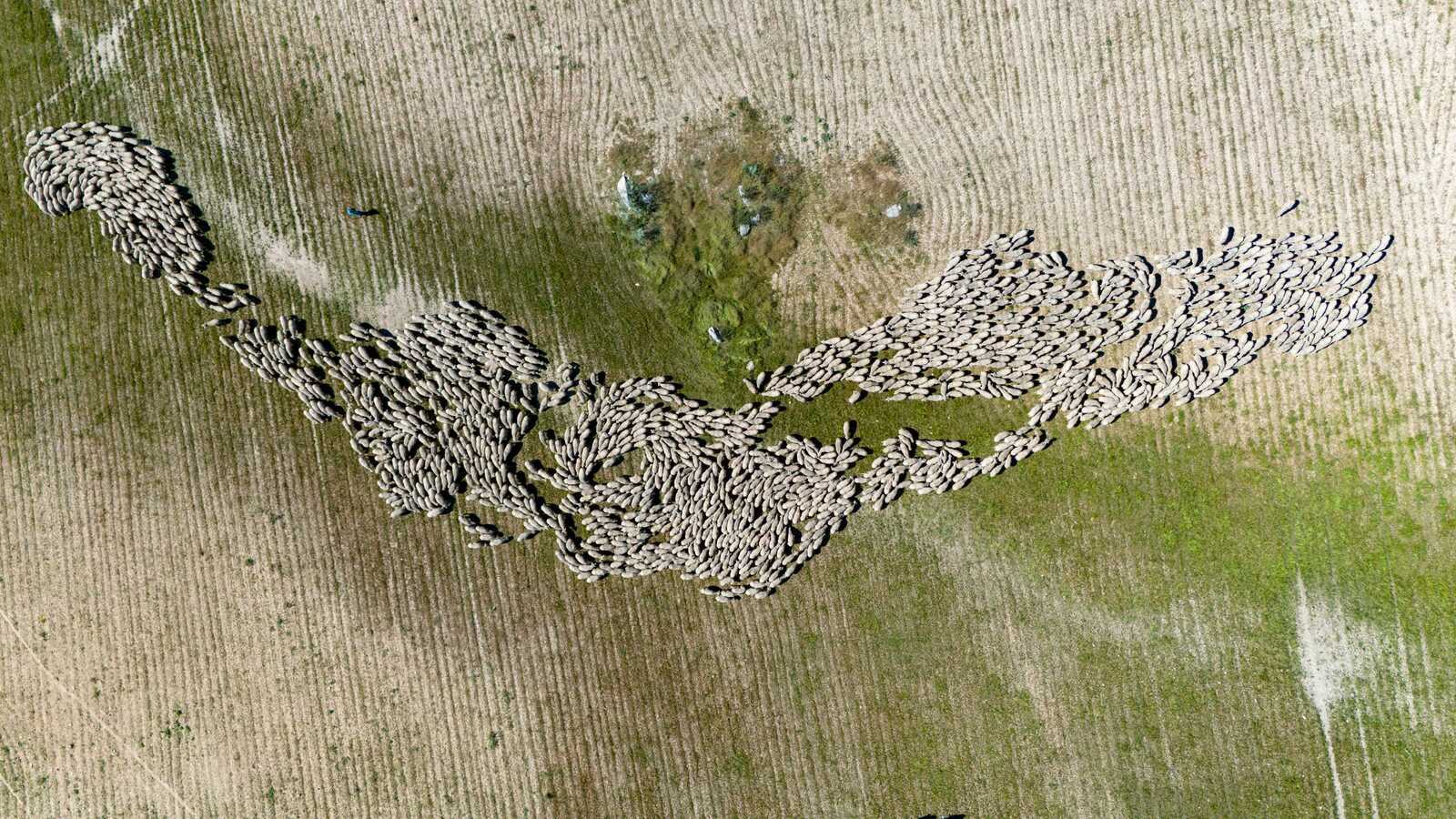
One of those itineraries is the Cañada Real de la Plata, extending some 500 kilometres through the provinces of León, Zamora, Salamanca and Cáceres. This trek borders various protected natural spaces of spectacular beauty, including the Monfragüe National Park and the Babia Biosphere Reserve. An alternative longer route is the Cañada Real Leonesa Occidental, whose trail runs more than 700 kilometres between the provinces of León and Badajoz, passing through remarkable towns of cultural interest such as Astorga and Medina del Campo.
The Cañada Real Conquense embarks on the striking terrain of the Cuenca Mountain range and traverses the provinces of Cuenca, Albacete, Ciudad Real and Jaén. The contrast between the mountains and the plains of La Mancha culminates in the breathtaking meadows at the Sierra de Andújar Nature Park.
The Cañada Real Riojana, also known as the Cañada Real Galiana, crosses the Iberian Peninsula from north to south starting at La Rioja. Unsurprisingly, this itinerary entails vastly diverse landscapes of lush forests, soaring mountain peaks, clearwater streams and rolling grasses.
From the Spanish pastures to the rest of the world
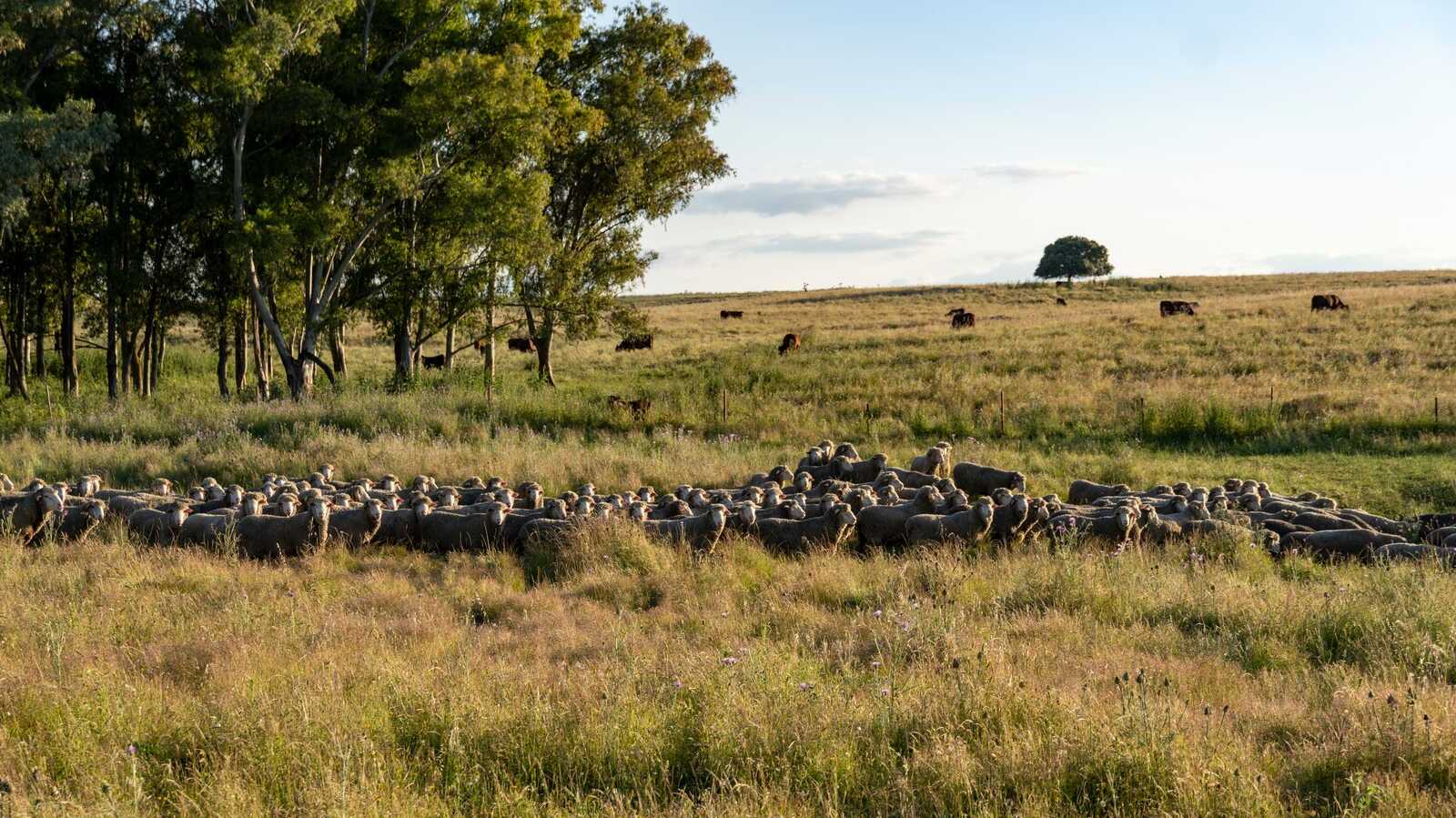
The exploration of these landscapes is complemented by a visit to any one of the sheep ranches that make up the network of Caminos de la Merina. These sites offer guided visits, shearing demonstrations, dairy product tastings, woollen handiwork exhibitions, and instructive workshops. These and other activities transmit the essence of the Merino sheep tradition together with its age-old trades and the daily life of the people preserving its archaic heritage.
Additionally, the products derived from Merino sheep husbandry such as milk, cheeses, and meats are the flavours that Spain exports to the rest of the world. Likewise, their wool is transformed into artisanal craftsmanship and stylish textile fabrics which end up decorating all kinds of settings. The taste of its victuals and the feel of its soft fleeces are expressions of the charm found in these captivating pastures—as well as the time-honoured know-how passed down through countless generations.
Each of these experiences translates into an authentic, high-quality form of tourism that weds our present day with the world of our forebearers. They provide a journey teeming with texture, colour and light firmly rooted in tradition and love for the land. These are trails spreading through uncharted territory that feel curiously warm and familiar.
Article written in collaboration with Caminos de la Merina.