
Spain leads the European ranking for LGBTQ+ rights
For the first time, Spain takes the top spot in the Rainbow Map ranking published by the ILGA-Europe, an organisation that advocates for the legal protections of the LGBTQ+ collective.
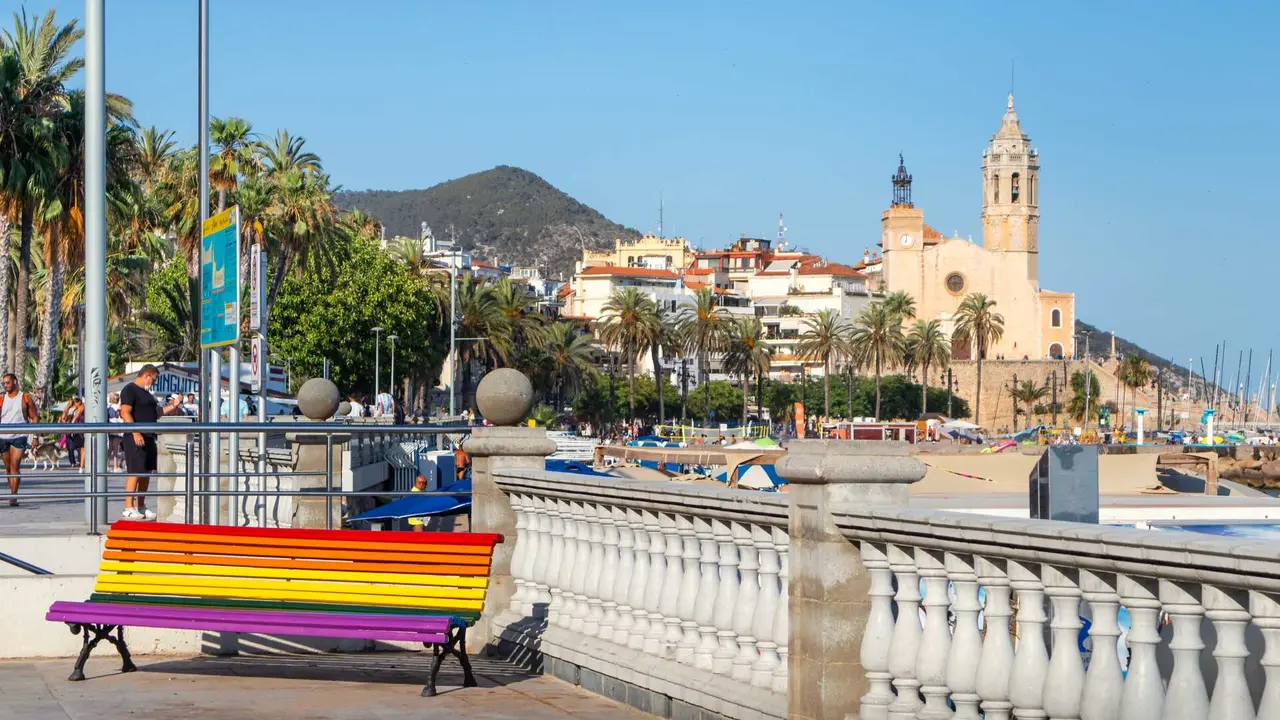
For the first time, Spain takes the top spot in the Rainbow Map ranking published by the ILGA-Europe, an organisation that advocates for the legal protections of the LGBTQ+ collective.
Every summer the streets of Madrid fill with colour, music and a swell of people celebrating diversity. The Gay Pride festival is the most visible face of a profound societal transformation that has made Spain a pioneer of LGBTQ+ rights.

At the top of the Rainbow Map
The Rainbow Map is the primary European indicator for evaluating the legal and social situation of the LGBTQ+ community. It analyses 79 variables, ranging from anti-discriminatory protections and family rights to the legal recognition of transgender people and policies regarding equality.
Spain has steadily risen in the rankings in the last years until reaching the top. Spain’s score of 88.7 out of 100 in 2026 doubles the European average of 43 points and places slightly ahead of Malta.
Twenty years of change
Spain’s leading role is the result of legislative measures with clear practical applications. In 2005, Spain became the third country in the world to approve same-sex marriage with full rights to child adoption. It was both a culmination and the commencement of the transformation of Spain’s legal framework for human rights and liberties.
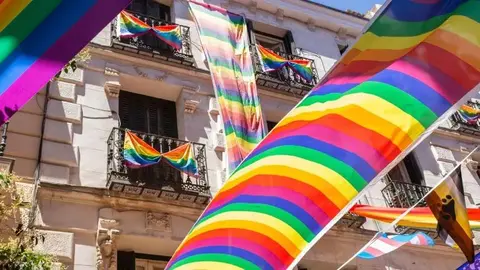
Additional statutes broadening social protections for the LGBTQ+ community have been adopted since the approval of same-sex marriage. A noteworthy landmark was the passing of the Transgender Law, which ratified gender self-determination without the need of medical reports while reinforcing anti-discrimination measures.
A society embracing change
Spain’s legal framework explains only a part of the success. The country’s societal evolution has been the other great driver of change. Today, Spain is considered one of the world’s most accepting countries of sexual diversity. The Eurobarometer Special 535, a survey report by the European Commission, reflects this sea change, which indicates that 87% of Spain’s population supports equal rights.
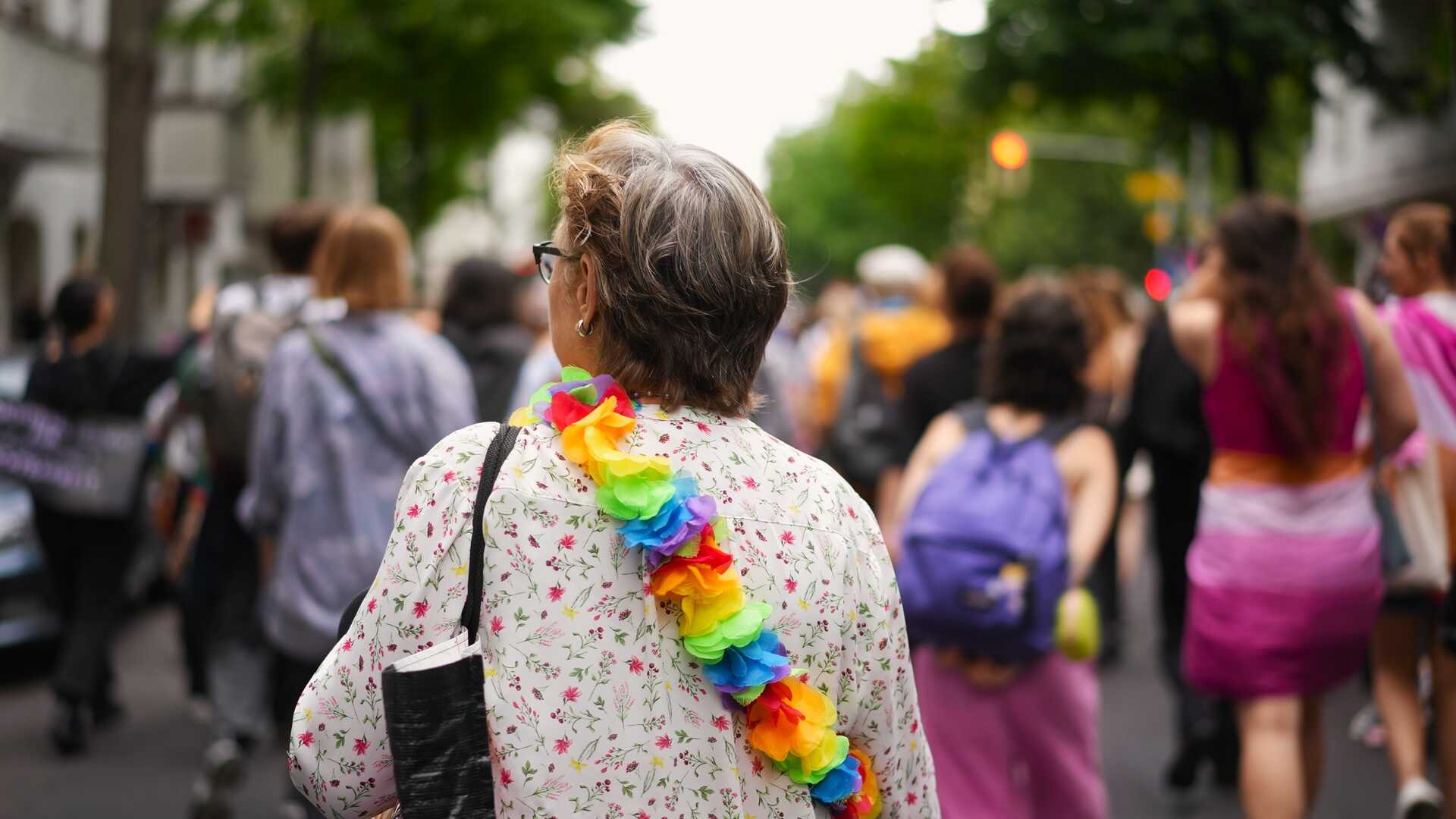
Spain’s social evolution in the span of a couple decades has transformed the lives of millions of people by favouring more inclusive environments at work, school and among families.
A quintessential destination
Spain’s openness is evidenced by its current status as one of the most highly-rated tourist destinations in the world for the LGBTQ+ community. Spain’s reputation for safety, visibility and a wide offer of entertainment explains why every year thousands of travellers choose places like Madrid, Barcelona and Sitges in order to enjoy an environment as diverse as it is tolerant.
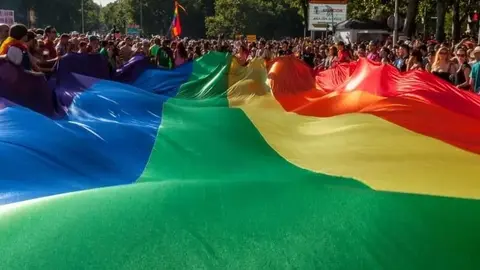
It is no coincidence that Spain has been awarded the Best Destination for LGBTQ+ in the 2026 Spartacus Travel Awards. This accolade bolsters the idea of a country where diversity forms an integral part of the nation’s identity.
Pending challenges
Though Spain may top the European ranking for LGBTQ+ rights, there is still work to be done. The community is aware of pending issues, such as the struggle against hate speech and the need to strengthen diversity education. Accordingly, the top spot on the Rainbow Map is both a recognition and a clarion call for Spain to continue advancing toward comprehensive and true equality.
You can also read this article in Spanish!