
Seven marvels of Sitges to experience at least once in life
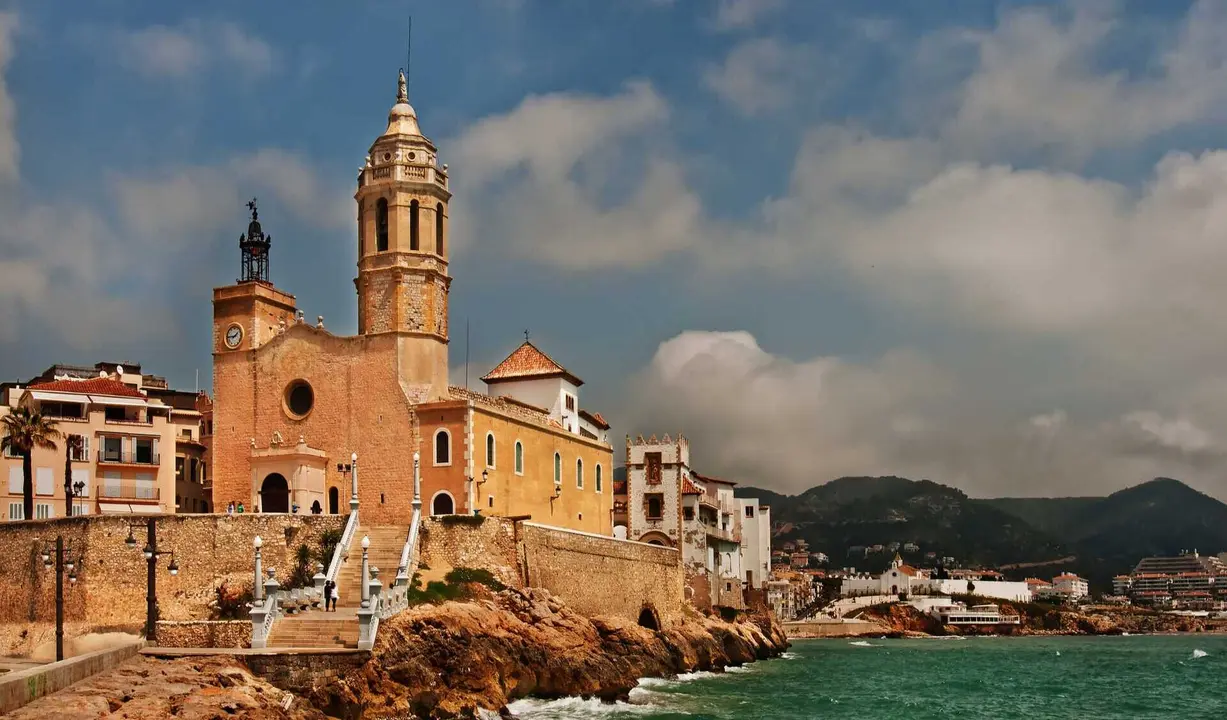
From the age-old comings and goings of fishermen to the legacy of those Catalonians who emigrated to the Americas and returned with newfound wealth – commonly called Indianos - to the current hustle and bustle of its nightlife, Sitges has always teemed with life and notable artists have left their mark throughout the history of this emblematic town on the Catalonian coast.

Set along the majestic Mediterranean Sea, Sitges’ heritage of public gardens, art and vibrant atmosphere are not to be missed. Here is a look at seven jewels Sitges has to offer.
THE MEDITERRANEAN ESSENCE OF SITGES’ BEACHES
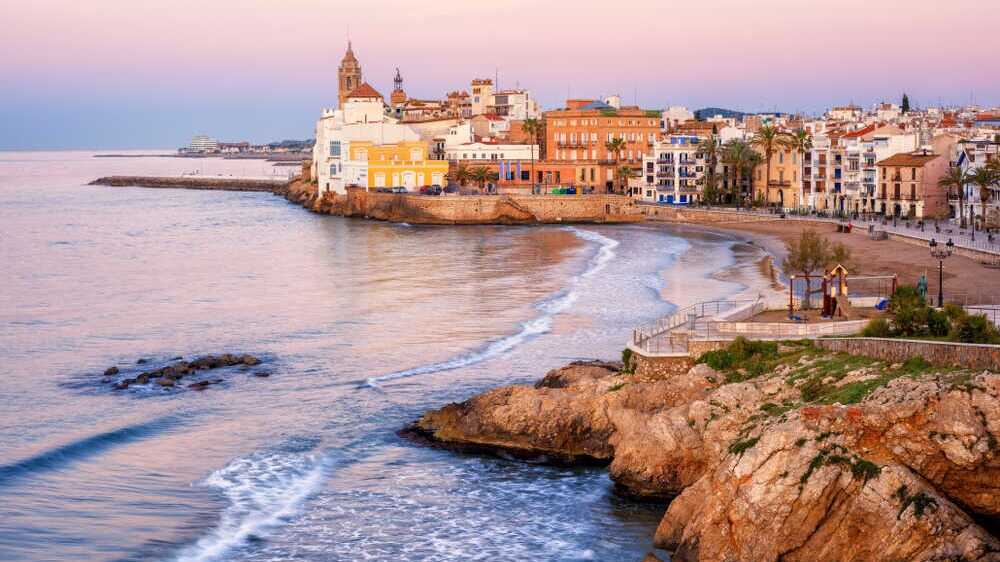
Whilst Sitges’ beaches all share that unmistakeable Mediterranean light and the murmur of rolling waves, Sant Sebastià Beach possesses a character all its own. Set adjacent to Sitges’ old quarter, this renowned beach offers spectacular views of the bay. Likewise, the nearby maritime promenade runs the course of Sitges’ other popular beaches such as Fragata, Ribera and Estanyol.
A PARISH CHURCH FACING THE HORIZON
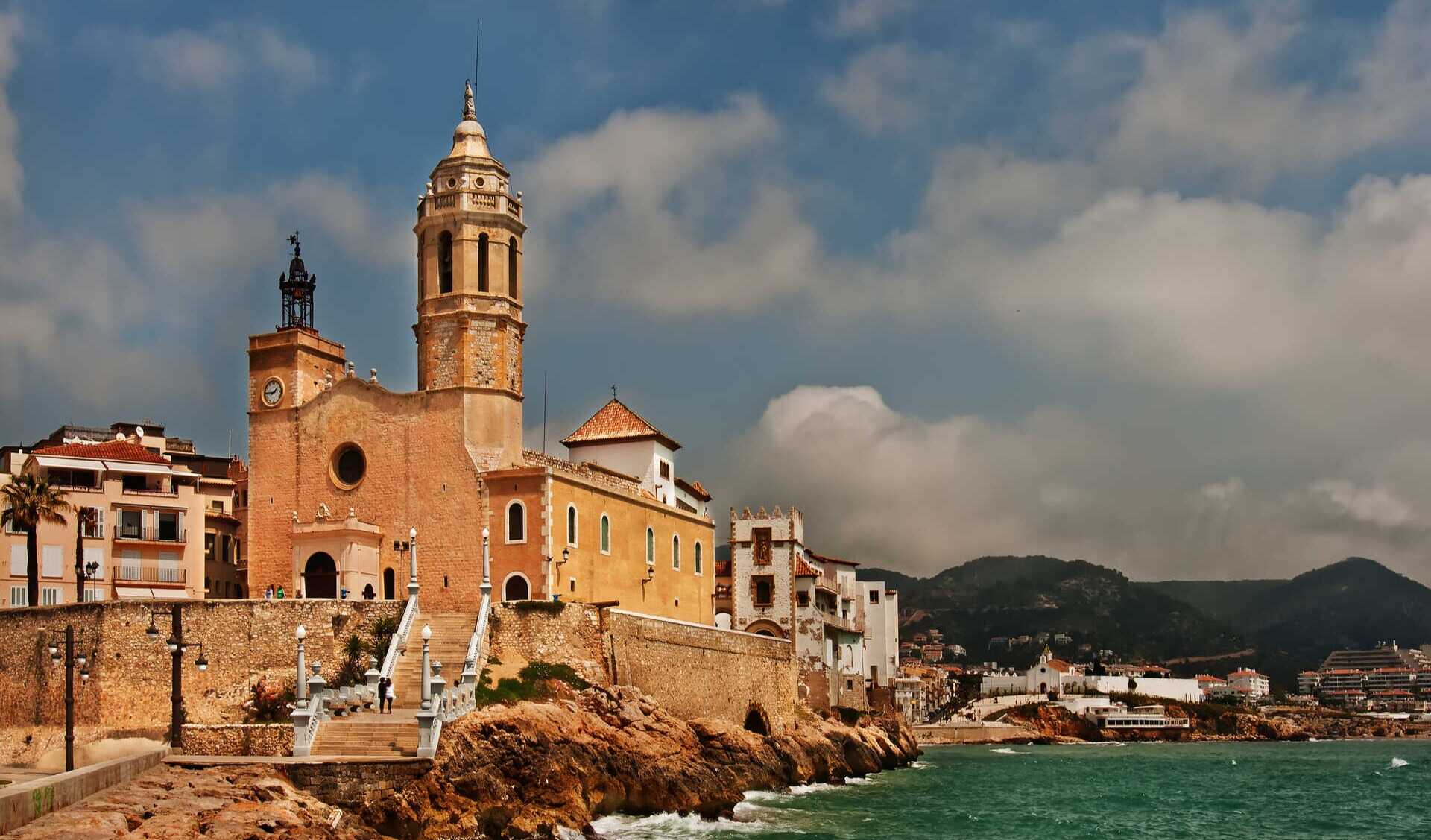
The silhouette of the seventeenth-century parish church of Sant Bartomeu and Santa Tecla overlooking the sea forges a picturesque image of Sitges. Ascending the steps leading to the church invites slow contemplation of the breathtaking views of azure waters and golden sands.
THE QUIET MAZE OF SITGES’ OLD QUARTER
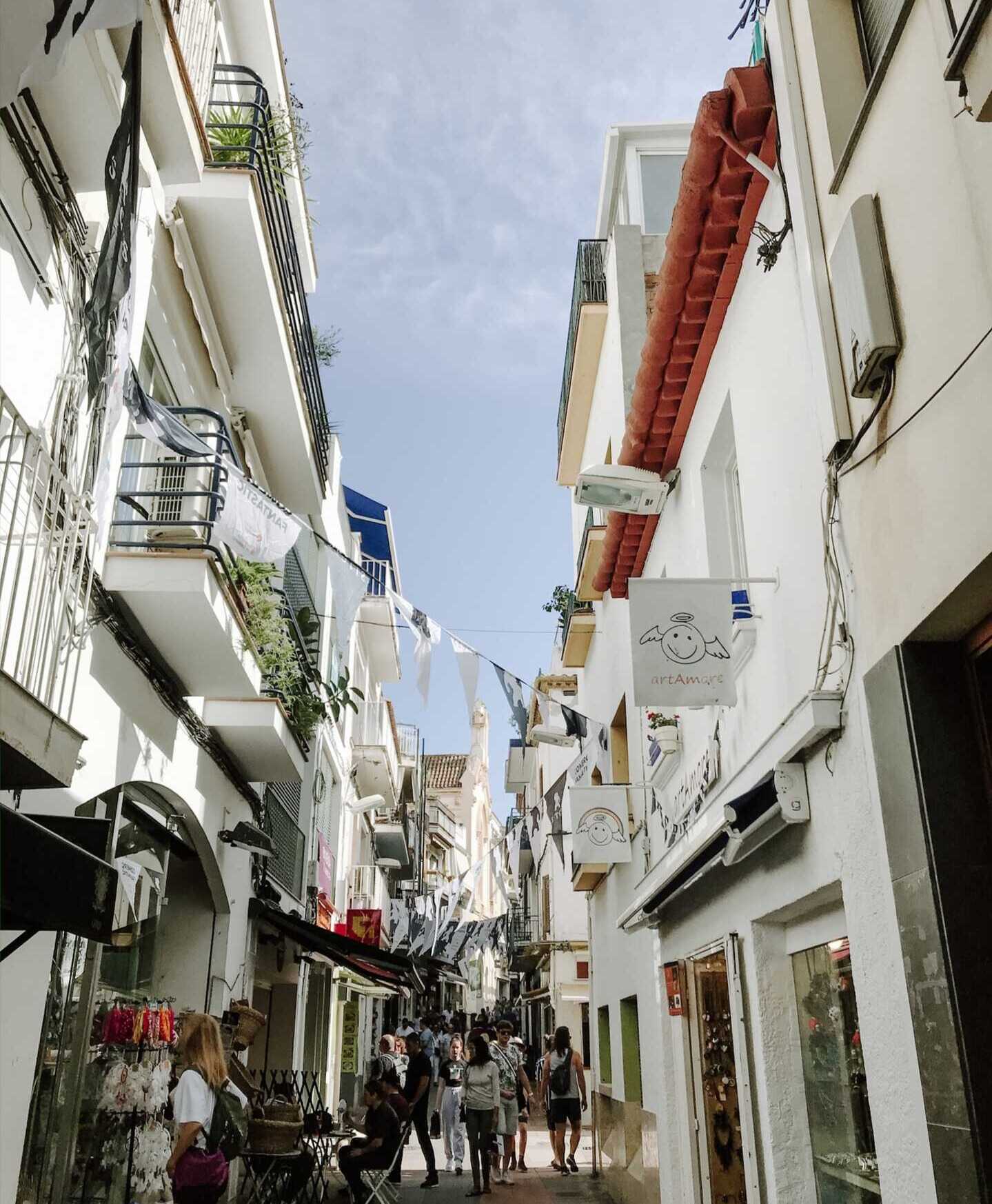
Sitges’ old quarter unfolds in a labyrinth of narrow alleyways where the sunlight reflects off the white façades of old fishermen’s cottages. Despite the town’s growth, Sitges’ soul remains anchored in maritime traditions and its vibrancy can be heard from the hum of chatter and al fresco dining in squares such as Ajuntament and Cap de la Vila.
MARCIEL PALACE, NOUCENTISME SOUL
The Noucentisme-styled Marciel Palace, built in the early twentieth century and today a cultural centre, is renowned for its eclectic style and thematic salons in addition to outdoor terraces and a cloister offering stunning views of the Mediterranean Sea. The Marciel Museum forms part of the palace complex and ranks as a cultural pillar of Sitges.
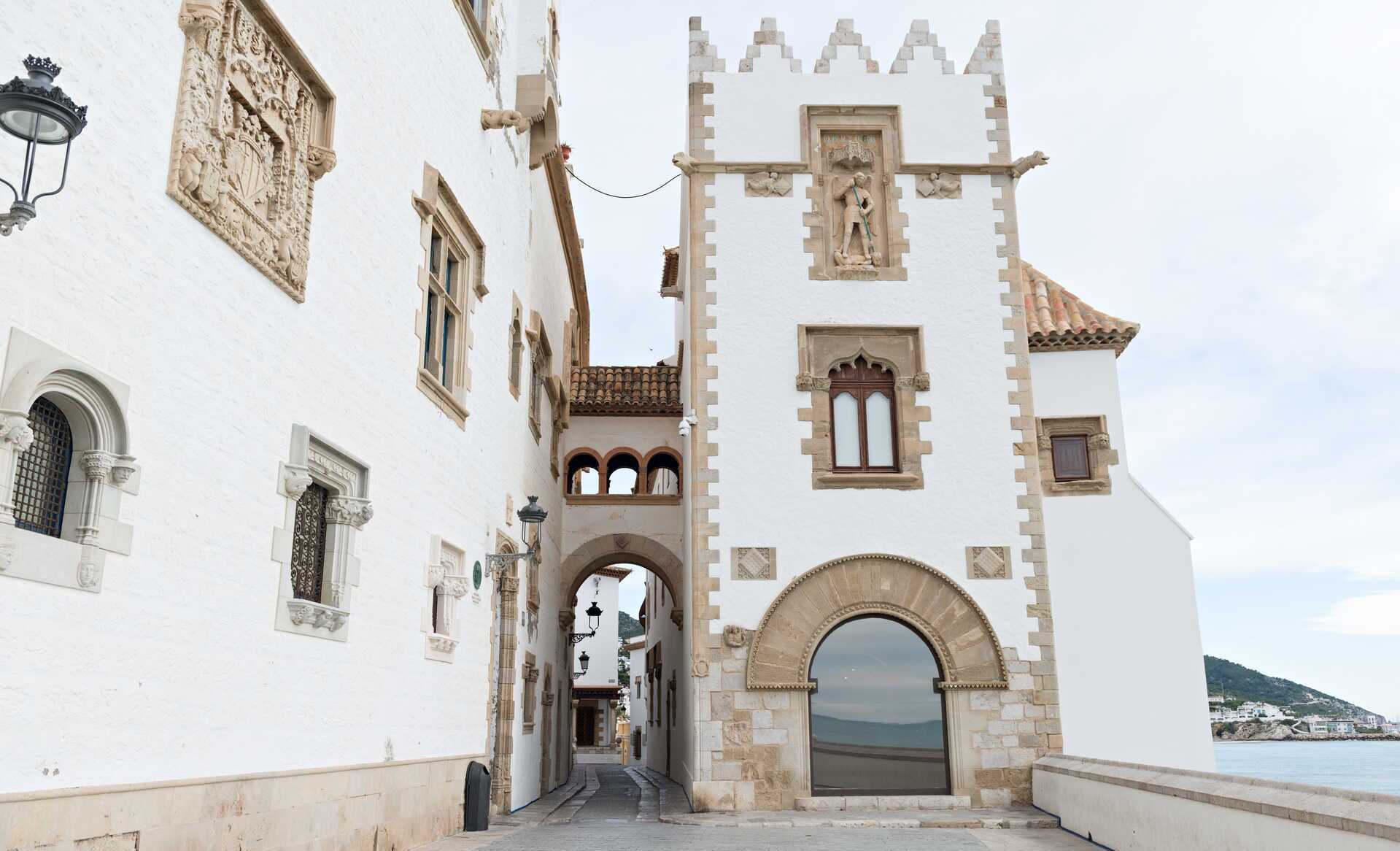
BREATHING EASY IN TERRAMAR GARDENS
Terramar Gardens’ footpaths and greenery provide quiet shade and a romantic air for a slower pace. The century-old public gardens of Terramar combine both Modernist and Noucentista elements reflecting Sitges’ urban development.
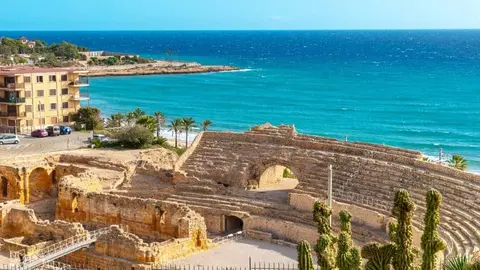
A BREEZY SEASIDE STROLL
The maritime promenade of Sitges hugs the seashore for more than two-kilometres and is a place where the sea breeze, rolling waves and the early evening golden sunlight become mesmerising.
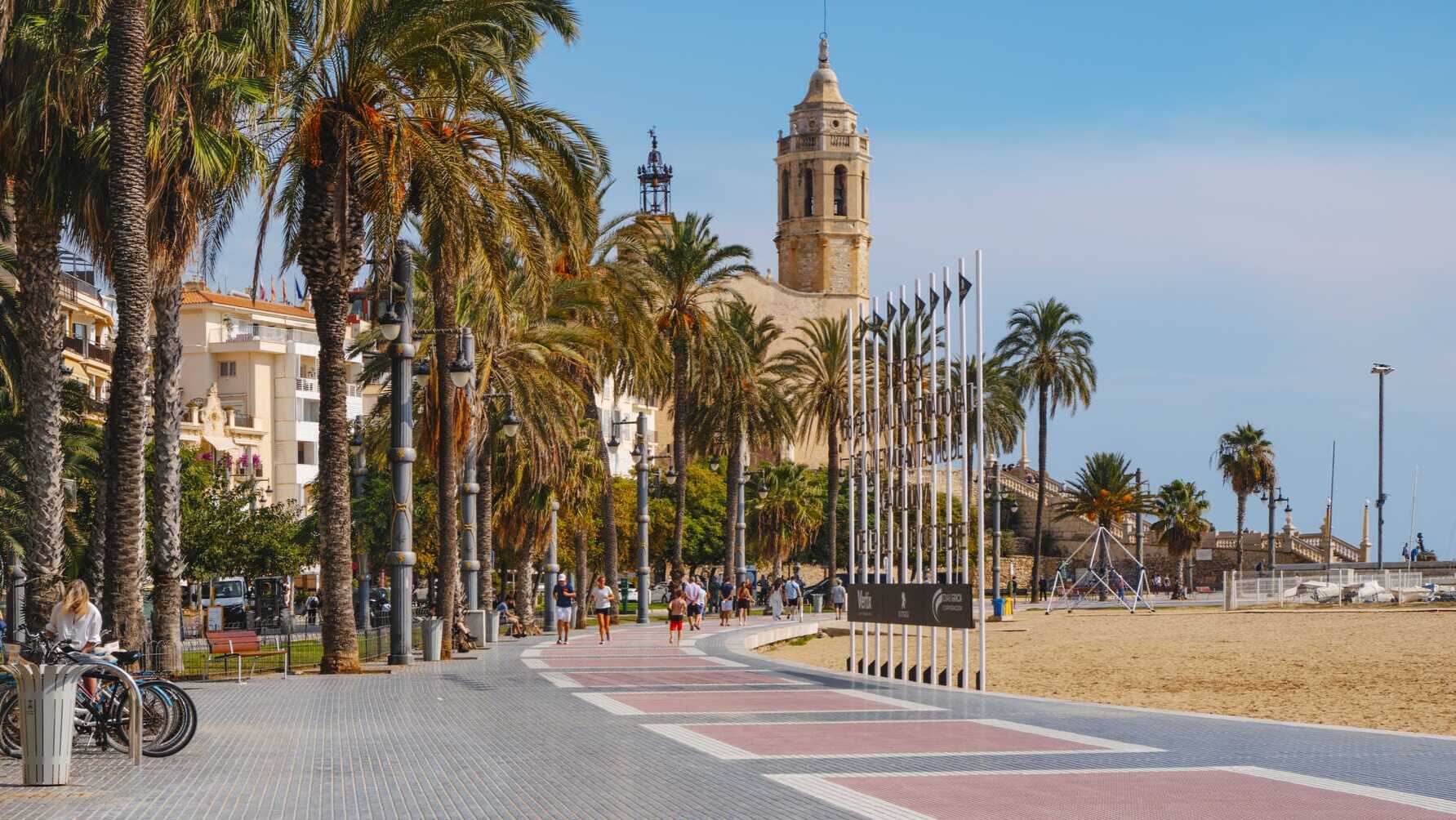
CAU FERRAT MUSEUM, ART AND CULTURE ALONG THE SEASIDE
The list of Sitges’ marvels also includes Cau Ferrat Museum, the former studio and home of painter, poet, journalist and playwright, Santiago Rusiñol. The building was a focal point for artists and writers in its day and was converted into a museum in 1933 upon Rusiñol’s death. Today, Cau Ferrat Museum stands as a paragon of Catalonian Modernism.
You can also read this article in Spanish.
Follow us on Facebook!